Raloxifene For Osteoporosis: Benefits, Risks, Dosage Guide
Comprehensive guide to raloxifene (Evista) for preventing and treating osteoporosis in postmenopausal women, including benefits, risks, and usage.
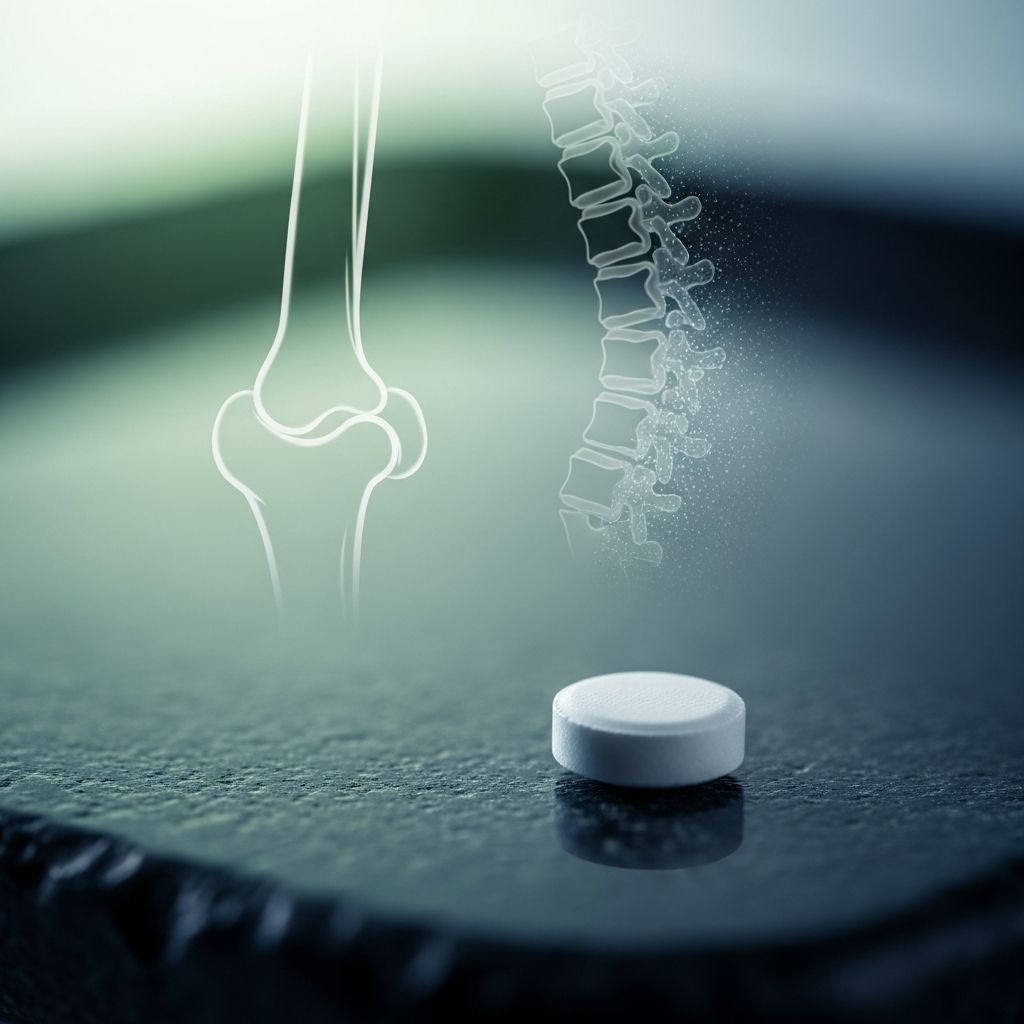
Raloxifene, marketed as Evista, is a selective estrogen receptor modulator (SERM) approved for the prevention and treatment of osteoporosis in postmenopausal women. It mimics estrogen’s beneficial effects on bones to increase bone mineral density and reduce fracture risk, particularly vertebral fractures, without the full hormonal risks of estrogen therapy.
About raloxifene
Raloxifene belongs to the class of drugs known as selective estrogen receptor modulators (SERMs). These medications act like estrogen in some tissues, such as bone, where they promote bone formation and density, while blocking estrogen in others, like breast tissue, potentially reducing cancer risk. Unlike traditional hormone replacement therapy, raloxifene targets specific estrogen receptors: it has agonist effects on bones via osteoblasts, promoting bone deposition similar to estrogen but less potently, and is more effective than placebo in increasing bone mineral density.
Developed as an alternative to estrogen for long-term postmenopausal therapy, raloxifene addresses osteoporosis—a condition characterized by weakened bones due to accelerated bone loss after menopause—without increasing risks like endometrial cancer. The FDA has approved it for both prevention in early postmenopausal women and treatment in those with established osteoporosis.
In clinical terms, osteoporosis is defined by low bone mineral density (BMD) with a T-score of -2.5 or lower, often confirmed via dual-energy X-ray absorptiometry (DEXA) scans, alongside risk factors like age, family history, low body weight, and prior fractures. Raloxifene helps by reducing bone resorption rates without significantly altering formation, leading to net bone preservation.
Key facts about raloxifene
- Type of medicine: Selective estrogen receptor modulator (SERM)
- Used for: Treatment and prevention of postmenopausal osteoporosis; reduction of invasive breast cancer risk in high-risk women
- Also called: Evista®
- Is it available on the NHS? Yes (in many regions; consult local guidelines)
- Available as: Tablets (60 mg daily)
About osteoporosis
Osteoporosis affects millions worldwide, particularly postmenopausal women, due to declining estrogen levels that accelerate bone resorption by osteoclasts over formation by osteoblasts. This leads to porous, fragile bones prone to fractures, especially in the spine (vertebral), hip, and wrist. Vertebral fractures can cause height loss, kyphosis (dowager’s hump), and chronic pain, often occurring spontaneously without trauma.
Raloxifene intervenes by binding estrogen receptors in bone, stimulating osteoblasts to deposit bone matrix, thereby increasing BMD in the lumbar spine, hip, and total body by about 2% over placebo in two-year studies. It is particularly valuable for women at high breast cancer risk, offering dual benefits.
How raloxifene works
Raloxifene selectively modulates estrogen receptors: in bone, it acts as an agonist, enhancing bone formation and reducing resorption to maintain or improve BMD. This differs from bisphosphonates, which primarily inhibit osteoclasts. Studies show it prevents bone loss in early postmenopause and reduces vertebral fracture risk by 30-50% in established osteoporosis, comparable to alendronate in some trials despite modestly lower BMD gains.
Related Stories



Unlike estrogen, it does not stimulate endometrial or ovarian tissues, avoiding hyperplasia risks. In breast tissue, its antagonist effect lowers invasive estrogen-receptor-positive breast cancer risk by up to 65% over eight years.
How and when to take raloxifene
Take one 60 mg tablet daily, at the same time each day, with or without food. Swallow whole with water; no need for special positioning like with bisphosphonates. Consistency aids adherence; missing doses reduces efficacy. For prevention or treatment, duration is typically 3-5 years or longer based on risk assessment and doctor review.
Common schedule:
- Morning or evening dosing
- No meal restrictions
- Continue unless advised otherwise after BMD review
Dosage
Standard adult dose: 60 mg once daily. No adjustments for renal impairment (mild-moderate), but avoid in severe cases or active thromboembolism. Not for premenopausal women, men, or children. Pediatric use unstudied; not indicated.
Important information about all medicines
- Never share prescription medicines.
- Inform your doctor/pharmacist of allergies or other conditions.
- Taking with other drugs/supplements? Check for interactions (e.g., cholestyramine reduces absorption).
- Driving/operating machinery: No known effects.
- Alcohol: Limit; no direct interaction but increases fall/fracture risk.
- Pregnancy/breastfeeding: Contraindicated (category X; teratogenic risk).
- Surgery: Stop 72 hours prior due to thrombosis risk; restart post-mobility.
Taking raloxifene with other medicines and herbal supplements
Potential interactions:
| Drug/Herb | Effect |
|---|---|
| Systemic estrogens | Concomitant use not recommended; may alter effects |
| Levothyroxine | May reduce thyroid levels; monitor TSH |
| Cholestyramine | Decreases raloxifene absorption; separate by 4+ hours |
| Warfarin | Monitor INR; potential anticoagulant changes |
| Highly protein-bound drugs (e.g., diazepam, ibuprofen) | Theoretical displacement; clinical significance low |
Always disclose full medication list. Herbal supplements like St. John’s wort may induce metabolism via CYP3A4.
Common questions about raloxifene
- How long until it works? BMD improvements in months; fracture risk reduction evident over 1-3 years.
- Can I stop abruptly? Consult doctor; may need transition to alternative.
- Does it cause weight gain? No significant effect reported.
- Monitoring? Annual BMD scans, clinical reviews for side effects.
Side effects
Most are mild; report persistent/severe issues. Common (>1/10): hot flushes (10-25%), leg cramps (7%).
| Frequency | Side Effects |
|---|---|
| Common (1-10%) | Hot flushes, leg cramps, flu-like symptoms, peripheral edema |
| Serious (seek urgent care) | Venous thromboembolism (DVT, PE; risk highest first 4 months), stroke, leg swelling/pain |
| Rare | Increased triglycerides, rash |
SERIOUS SIDE EFFECTS: Sudden chest pain/shortness of breath (PE), leg pain/swelling (DVT), weakness/numbness/slurred speech/vision changes (stroke). No increased endometrial/ovarian cancer risk; possible breast cancer reduction.
How to cope with side effects
- Hot flushes: Dress in layers, stay cool, avoid triggers.
- Leg cramps: Stretch calves, hydrate, massage; rule out DVT.
- Headaches: Paracetamol; persistent? Consult GP.
Pregnancy and breastfeeding
Contraindicated. Causes fetal harm; effective contraception if applicable. Unknown in breast milk; avoid breastfeeding.
Alternatives to raloxifene
| Drug | Class | Key Benefits | Fracture Reduction |
|---|---|---|---|
| Alendronate (Fosamax) | Bisphosphonate | Vertebral, hip, non-vertebral | Broad-spectrum |
| Teriparatide | Anabolic | Severe cases; stimulates formation | Vertebral/hip |
| Denosumab | RANKL inhibitor | SC injection; potent antiresorptive | Vertebral/hip |
| Estrogen (HRT) | Hormone | Bone + menopausal symptoms | Multiple sites |
Bisphosphonates like Fosamax preferred first-line by ACP for broader fracture prevention. Raloxifene suits those with breast cancer risk.
Frequently Asked Questions (FAQs)
Q: Is raloxifene a first-line osteoporosis treatment?
A: No; ACP guidelines favor bisphosphonates for broader efficacy, but raloxifene is suitable for vertebral fracture prevention and breast cancer risk reduction.
Q: Does raloxifene prevent hip fractures?
A: No data supports hip or non-spine fracture reduction.
Q: How effective is it for breast cancer prevention?
A: Reduces invasive breast cancer risk by ~65% in high-risk postmenopausal women.
Q: Who should avoid raloxifene?
A: Those with history of VTE, stroke, pregnancy, breastfeeding, or active clotting disorders.
Q: Can men take raloxifene for osteoporosis?
A: Not FDA-approved for men; limited data.
References
- Osteoporosis treatment: raloxifene (Evista) and stroke mortality — PMC/NCBI. 2006-10-15. https://pmc.ncbi.nlm.nih.gov/articles/PMC1490012/
- What to Know About Raloxifene (Evista) for Osteoporosis — Healthline. 2023. https://www.healthline.com/health/osteoporosis/evista-for-osteoporosis
- Evista (raloxifene): What to Expect, Side Effects, and More — Breastcancer.org. 2025-12-23. https://www.breastcancer.org/treatment/hormonal-therapy/evista
- Raloxifene (Evista®) — Bone Health & Osteoporosis Foundation. Recent. https://www.bonehealthandosteoporosis.org/patients/treatment/medicationadherence/raloxifene-evista/
- SERMs for Osteoporosis: Raloxifene (Evista) — WebMD. Recent. https://www.webmd.com/osteoporosis/serms
- Raloxifene: osteoporosis treatment — Royal Osteoporosis Society. Recent. https://theros.org.uk/information-and-support/osteoporosis/treatment/raloxifene/
- Raloxifene: A new choice for treating and preventing osteoporosis — Cleveland Clinic Journal of Medicine. 2000-04-01. https://www.ccjm.org/content/ccjom/67/4/273.full.pdf
Similar Articles








Read full bio of medha deb