Raloxifene For Osteoporosis: Effectiveness, Side Effects, Dose
Raloxifene (Evista) is a selective estrogen receptor modulator used to prevent and treat postmenopausal osteoporosis by strengthening bones and reducing vertebral fracture risk.
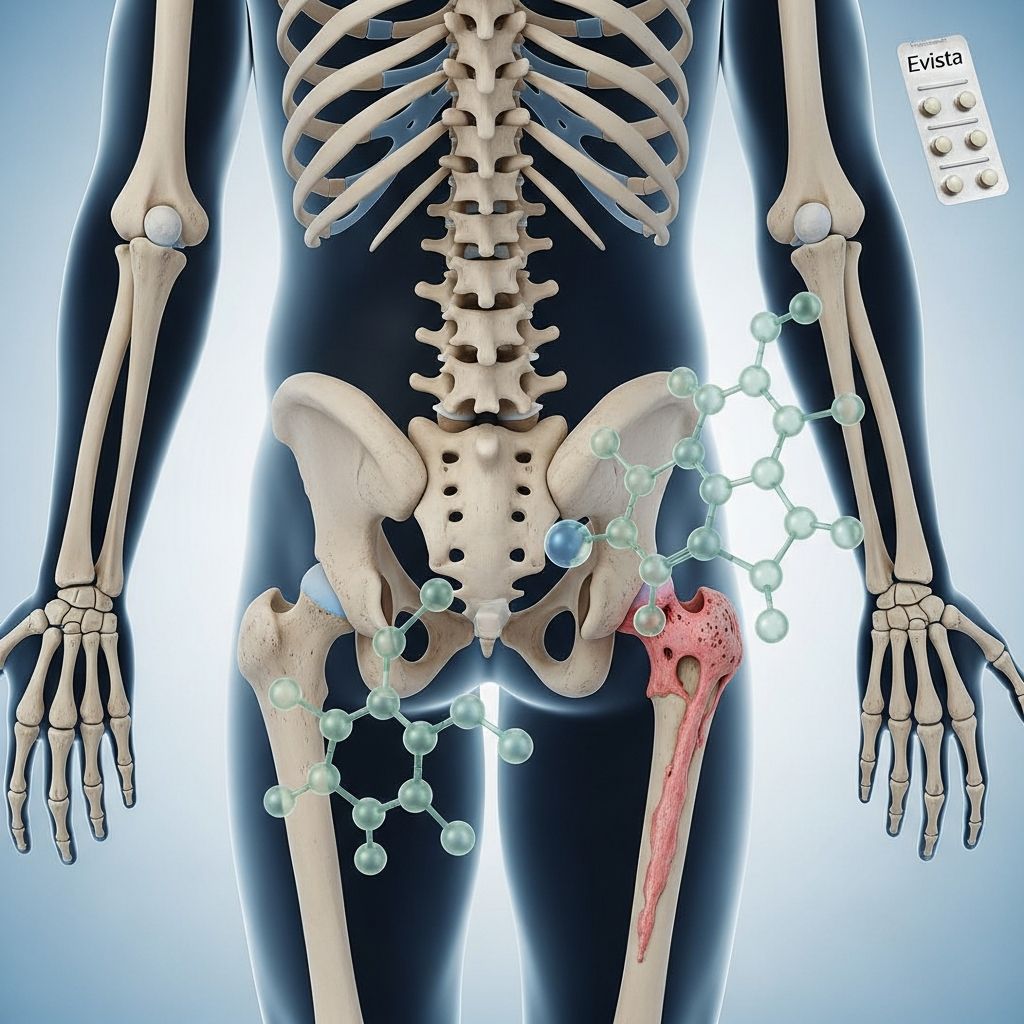
Raloxifene, marketed as
Evista
, is a medication approved for the prevention and treatment of osteoporosis in postmenopausal women. As a selective estrogen receptor modulator (SERM), it mimics estrogen’s beneficial effects on bones while blocking them in other tissues like the breasts.About raloxifene tablets
Raloxifene belongs to the class of drugs known as
selective estrogen receptor modulators (SERMs)
. These drugs act like estrogen on bones to maintain bone density but have anti-estrogen effects elsewhere, such as reducing breast cancer risk. Evista is available as 60 mg oral tablets, typically taken once daily.The medication works by binding to estrogen receptors in bone tissue, decreasing bone resorption (breakdown) and increasing bone mineral density (BMD). This helps counteract the rapid bone loss that occurs after menopause, when estrogen levels drop, leading to higher fracture risk.
Key facts about raloxifene tablets
- Dose: Usually 60 mg once a day.
- Starting dose: 60 mg once a day.
- Available as: Tablets.
- About raloxifene tablets: Selective estrogen receptor modulator (SERM) for postmenopausal osteoporosis prevention and treatment.
- Used for: Osteoporosis prevention/treatment; reduces invasive breast cancer risk in high-risk postmenopausal women.
- Controlled medicine?: No.
- Is there a brand version?: Yes – Evista®.
- Available as a generic?: Yes.
- Available on NHS?: Yes (criteria apply).
- Common brands: Evista®.
- Price: From £14.26 (Evista®); generics available.
- Legal category: POM (Prescription only medicine).
About osteoporosis
Osteoporosis is a condition where bones become thin, weak, and fragile, increasing fracture risk, especially in the spine, hip, and wrist. It affects millions, particularly postmenopausal women due to estrogen decline accelerating bone resorption over formation. Postmenopausal osteoporosis leads to progressive bone mass loss and elevated fracture risk. Raloxifene inhibits this resorption, enhancing BMD and bone strength.
Symptoms often appear as fractures from minor falls or no trauma, height loss, or kyphosis (hunched posture). Diagnosis involves BMD testing via DEXA scan.
How and when to take raltegravir
Take raloxifene as 60 mg once daily, with or without food, at the same time each day for consistency. Swallow the tablet whole with water. No need for special positioning like some bisphosphonates. For osteoporosis, continue as prescribed, often long-term, with periodic review.
- Take with water, with or without food.
- No specific timing required.
- Miss a dose? Take as soon as remembered unless near next dose; do not double up.
Dosage for raloxifene tablets
The standard dose is
60 mg once daily
for both prevention and treatment of postmenopausal osteoporosis. No adjustments needed for mild renal/hepatic impairment, but avoid in severe cases. Combine with adequate calcium (1200 mg/day) and vitamin D (400-800 IU/day) if dietary intake is insufficient.| Indication | Dose | Frequency |
|---|---|---|
| Prevention of postmenopausal osteoporosis | 60 mg | Once daily |
| Treatment of postmenopausal osteoporosis | 60 mg | Once daily |
| Risk reduction of invasive breast cancer | 60 mg | Once daily |
Getting the most from your treatment
To maximize benefits:
- Take daily as directed.
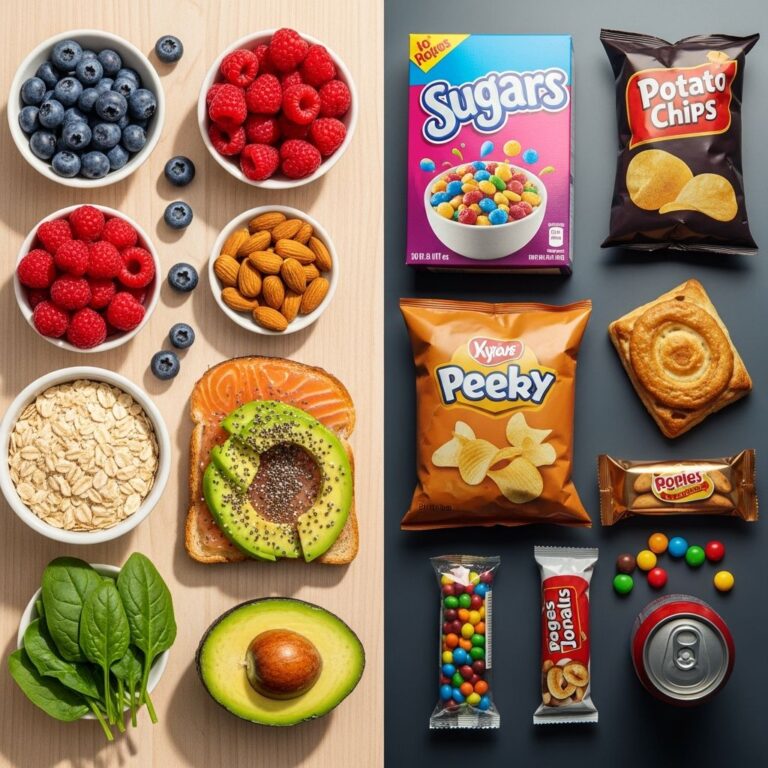
- Ensure calcium/vitamin D intake: diet or supplements.
- Weight-bearing exercise (walking, dancing) 30 min/day.
- Avoid smoking/alcohol excess.
- Monitor BMD periodically.
- Fall prevention: balance exercises, home safety.
Regular doctor reviews assess ongoing need.
Side effects of raloxifene tablets
Common side effects (affecting >1 in 100): hot flushes, leg cramps, flu-like symptoms, joint pain. Serious risks include blood clots (DVT, PE), stroke—symptoms: leg swelling/pain, chest pain, breathlessness, sudden weakness. Risk higher in first months, immobile patients, or smokers.
Related Stories



Raloxifene may cause ovarian cysts (benign) or peripheral edema. No increased endometrial cancer risk, unlike estrogen. Breast cancer risk decreases by ~65% over 8 years.
| Side Effect | Frequency | Action |
|---|---|---|
| Hot flushes | Common | Usually mild |
| Leg cramps | Common | Stretch calves |
| Blood clots | Serious (rare) | Seek urgent care |
| Stroke symptoms | Rare | Emergency |
How effective is raloxifene for osteoporosis?
Raloxifene reduces vertebral fracture risk by ~30-50% in postmenopausal women with osteoporosis. A 1999 MORE trial showed 30% reduction; 2023 review confirmed 3-year benefits. It increases lumbar spine/hip BMD by ~2% vs. placebo. However, it does not significantly reduce non-vertebral (hip, etc.) fractures, so not first-line per ACP guidelines.
Effective for prevention in early postmenopause and treatment, comparable to alendronate for vertebral fractures in some studies.
Comparison with other treatments
Vs. Bisphosphonates (e.g., Fosamax/alendronate): Fosamax prevents vertebral, non-vertebral, hip fractures with stronger evidence; preferred first-line. Raloxifene matches vertebral protection but lacks hip data.
Vs. Estrogen: Raloxifene avoids estrogen’s breast/uterine risks while providing bone benefits.
Vs. Other SERMs: Similar profile; bazedoxifene also used.
| Treatment | Vertebral Fractures | Hip Fractures | Breast Cancer Risk |
|---|---|---|---|
| Raloxifene | ↓ 30-50% | No data | ↓ 65% |
| Fosamax | ↓ Significant | ↓ Significant | No effect |
| Estrogen | ↓ | ↓ | ↑ Risk |
Alternatives for treating osteoporosis
- Bisphosphonates: Alendronate, risedronate, zoledronate—first-line for high fracture risk.
- Denosumab: Monoclonal antibody, subcutaneous every 6 months.
- Teriparatide: Anabolic agent for severe cases.
- Hormone therapy: For early menopause, short-term.
- Calcium/Vit D: Essential adjunct.
Who can and cannot take raloxifene tablets
Can take if: Postmenopausal women at osteoporosis risk, no contraindications.
Cannot take if: Pregnancy/breastfeeding, premenopausal, history of blood clots/stroke, severe kidney/liver disease, unexplained uterine bleeding.
Pregnancy, breastfeeding, and low weight considerations
Not for pregnant/breastfeeding women; category X—may harm fetus. Use contraception if perimenopausal. Caution in low body weight (increased clot risk).
Cautions of raloxifene tablets
- History of clots/stroke/TIA.
- Immobility, surgery (stop 72h prior).
- High triglycerides, heart disease.
- Monitor for leg pain/swelling, chest symptoms.
Interactions with other medicines, alcohol, etc.
Systemic estrogens reduce efficacy; avoid cholestyramine. No major alcohol interaction, but limit to reduce falls/clots. Inform doctor of all meds.
Other things to know about this medicine
May cause hot flushes initially. Decreases LDL cholesterol but no CHD protection. Long-term use safe per trials up to 8 years. Dual benefit for osteoporosis + high breast cancer risk.
Frequently Asked Questions
How long should I take raloxifene?
Typically 3-5 years or longer based on review; doctor assesses BMD/risks.
Does raloxifene cause weight gain?
No significant weight changes reported.
Can men take raloxifene?
Not FDA-approved for men; used off-label sometimes.
Does it affect blood pressure?
No major effect; monitor if hypertensive.
Is raloxifene better than bisphosphonates?
Bisphosphonates preferred for broader fracture prevention; raloxifene good if breast cancer risk high.
References
- What to Know About Raloxifene (Evista) for Osteoporosis — Healthline. 2023. https://www.healthline.com/health/osteoporosis/evista-for-osteoporosis
- Evista (raloxifene): What to Expect, Side Effects, and More — Breastcancer.org. 2025-12-23. https://www.breastcancer.org/treatment/hormonal-therapy/evista
- Raloxifene – StatPearls — NCBI Bookshelf – NIH. 2023. https://www.ncbi.nlm.nih.gov/books/NBK544233/
- Raloxifene (Evista®) — Bone Health & Osteoporosis Foundation. 2023. https://www.bonehealthandosteoporosis.org/patients/treatment/medicationadherence/raloxifene-evista/
- SERMs for Osteoporosis: Raloxifene (Evista) — WebMD. 2023. https://www.webmd.com/osteoporosis/serms
Similar Articles








Read full bio of medha deb