Ramadan Fasting: 6 Essential Tips For Suhur, Iftar & Health
Explore the nutritional guidance, meal strategies, and health tips for observing Ramadan fasting successfully and healthfully.

During the holy month of
Ramadan
, observed in the ninth month of the lunar Islamic calendar, Muslims worldwide engage in fasting from dawn to sunset for approximately 29 to 30 days. This practice, known as sawm, is one of the Five Pillars of Islam and requires abstinence from all food, drink—including water and chewing gum—and other physical needs during daylight hours.Ramadan shifts about 11 days earlier each year on the Gregorian calendar, allowing Muslims to experience the fast in varying seasons and daylight lengths throughout their lives. The fast fosters empathy for the less fortunate, gratitude, spiritual reflection, increased prayer, Qur’an recitation, and charity. It culminates in Eid al-Fitr, the Festival of Breaking the Fast, marked by communal prayers, feasting, and celebration.
Who Must Fast During Ramadan?
Fasting is obligatory for healthy adult Muslims who have reached puberty. However, Islam provides exemptions to protect health and well-being:
- Children who have not reached puberty.
- Elderly individuals unable to fast safely.
- Those who are physically or mentally incapable.
- Pregnant or breastfeeding women, to safeguard maternal and infant health.
- Travelers on long journeys.
- Individuals with acute or chronic illnesses, such as diabetes, who may risk complications.
Exempt individuals may make up missed fasts later or provide fidya (compensation through feeding the needy). Women during menstruation or postpartum bleeding are also exempt and resume fasting afterward.
The Fasting Schedule: Dawn to Sunset
The fast begins at fajr (dawn, when a white thread is distinguishable from the dark at the horizon) and ends at maghrib (sunset). Duration varies from 11 to 18 hours depending on location and season—shorter in winter, longer in summer.
Muslims rise before dawn for suhur (pre-dawn meal), eat and hydrate during the night, and break the fast at sunset with iftar. Nighttime snacking between suhur and iftar is permitted, emphasizing hydration, especially in warmer months.
Suhur: The Pre-Fast Meal
Suhur, or suhoor, is the nourishing meal consumed before fajr prayer, ideally 30-60 minutes prior. It sustains energy, stabilizes blood sugar, and prevents dehydration throughout the day.
To optimize satiety and health:
- Choose complex carbohydrates like oats, whole grains, barley, or quinoa for slow-release energy.
- Include proteins: eggs, yogurt, cheese, nuts, seeds, or lean meats.
- Add healthy fats: avocados, olive oil, or nut butters.
- Incorporate high-fiber foods: fruits (bananas, apples), vegetables, and legumes to promote fullness.
- Prioritize hydration: drink plenty of water, herbal teas, or milk; aim for 2-3 liters if possible.
Avoid caffeine, as it acts as a diuretic. Cultural variations include breakfast-like foods or heartier options like soups in some regions.
| Meal Component | Examples | Benefits |
|---|---|---|
| Carbs | Oatmeal with fruit, whole-grain bread | Sustained energy |
| Protein | Greek yogurt, boiled eggs | Muscle maintenance, fullness |
| Fats/Fiber | Almonds, chia seeds in smoothie | Heart health, digestion |
| Hydration | Water, coconut water | Prevents dehydration |
Related Stories



Iftar: Breaking the Fast
Iftar traditionally starts with dates and water or milk, emulating Prophet Muhammad’s practice, followed by the maghrib prayer and a main meal. This sequence gently reawakens the digestive system.
Focus on balanced nutrition to replenish nutrients:
- Dates provide quick energy, potassium, and fiber.
- Hydrate gradually with water, soups, or fruit juices.
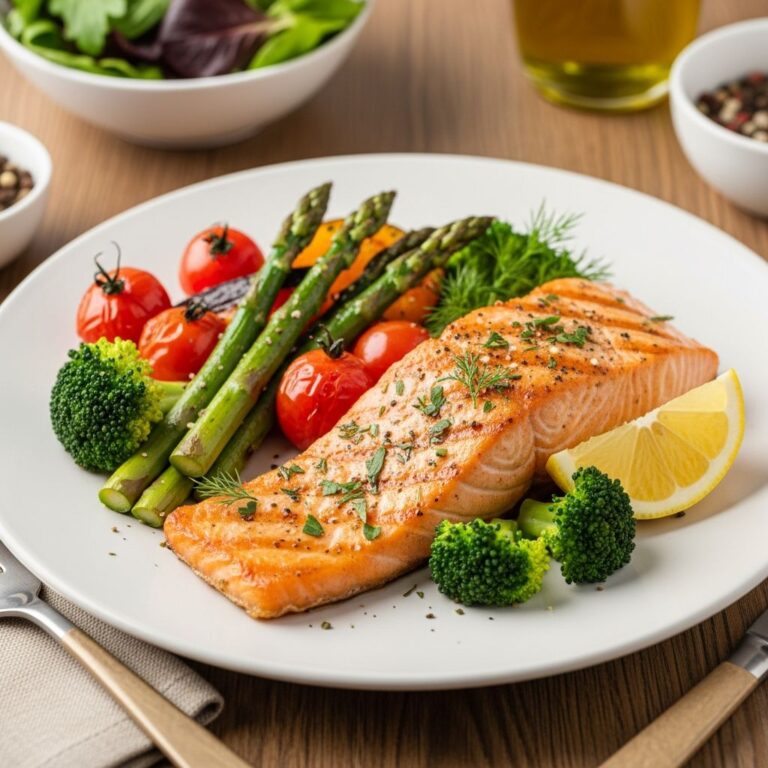
- Main course: lean proteins (chicken, fish, lentils), vegetables, whole grains, and salads.
- Limit fried foods, heavy pastries, and excessive sweets, common in celebrations but risky for weight gain and blood sugar spikes.
Communal iftars foster family bonds and charity, with global traditions like Nigerian dambu, Egyptian ful medames, or Cape Malay biryani adding cultural richness.
Nutrition Tips for Ramadan
Maintaining health during fasting requires strategic eating. Key recommendations from dietitians:
- Fiber-rich meals for prolonged satiety: beans, lentils, whole grains.
- Electrolyte balance via fruits (oranges, watermelon), vegetables (spinach, cucumbers), and potassium sources.
- Hydration: Consume 8-16 cups of fluids between iftar and suhur, including oral rehydration solutions if needed.
- Moderate portions: Avoid overeating at iftar, which can cause indigestion.
- Limit sugars and fats: Opt for fresh fruits over desserts; grill or steam instead of frying.
- Include probiotics like yogurt for gut health.
Supplements like multivitamins may help if diet lacks variety, but consult a healthcare provider.
| Aspect | Suhur Focus | Iftar Focus |
|---|---|---|
| Energy | Slow-release (complex carbs) | Quick then balanced |
| Hydration | Maximize fluids | Rehydrate gradually |
| Key Foods | Oats, eggs, nuts | Dates, soup, veggies |
Foods and Drinks to Limit or Avoid
While tempting, certain items undermine fasting benefits:
- Fried foods: Samosas, pakoras—increase digestive burden.
- Sugary sweets: Baklava, kunafa—cause energy crashes.
- Caffeinated beverages: Coffee, soda—dehydrate.
- Processed foods: High-sodium snacks lead to thirst.
- Heavy dairy: Full-fat cheeses if lactose intolerant.
Emphasize whole foods for sustained vitality.
Staying Healthy While Fasting
Fasting can benefit metabolism, insulin sensitivity, and detoxification if done properly, but precautions are essential:
- Monitor health: Check blood sugar/pressure, especially for diabetics; break fast if dizzy or unwell.
- Exercise wisely: Light activity like walking post-iftar; avoid intense workouts during fast.
- Sleep: Aim for 7-8 hours, adjusting for early suhur.
- Mental health: Practice patience, avoid arguments; engage in taraweeh prayers for spiritual support.
- Pregnant/breastfeeding women should prioritize nutrition over fasting if advised medically.
Consult a Registered Dietitian Nutritionist (RDN)
For personalized plans, especially with conditions like diabetes, hypertension, or gastrointestinal issues, consult an RDN. They can tailor menus, monitor nutrient needs, and adjust for cultural preferences. Academy of Nutrition and Dietetics offers resources for faith-based eating.
Frequently Asked Questions (FAQs)
Can children fast during Ramadan?
Children pre-puberty are exempt. Some start voluntary half-day fasts around age 10 for training, under supervision.
Is water allowed during fasting hours?
No, all intake including water is prohibited from dawn to sunset.
What if I accidentally eat or drink during the fast?
The fast continues; intentional breaking requires making it up later.
How does Ramadan affect work or exercise?
Many adjust schedules; light exercise post-iftar is recommended.
Are there health risks to fasting?
For healthy adults, minimal if guidelines followed; those with conditions should consult doctors.
References
- Ramadan: The Practice of Fasting — Academy of Nutrition and Dietetics. 2023. https://www.eatright.org/food/cultural-cuisines-and-traditions/holidays-and-celebrations/ramadan-the-practice-of-fasting
- Fasting Across Africa: Unique Ramadan Traditions — NKENNE. 2024. https://www.nkenne.com/blog/fasting-across-africa-unique-ramadan-traditions-in-african-communities
- Ramadan Traditions and Their Positive Impact — Islamic Medical Association of North America (IMANA). 2024. https://imana.org/ramadan-traditions/
- Everything You Need to Know About Ramadan — Palestine Children’s Relief Fund (PCRF). 2024. https://www.pcrf.net/information-you-should-know/everything-you-need-to-know-about-ramadan.html
- Ramadan — Encyclopædia Britannica. 2025-01-15. https://www.britannica.com/topic/Ramadan
Similar Articles








Read full bio of medha deb