Rambutan Benefits: 6 Science-Backed Health Advantages
Discover the impressive health benefits of rambutan, from boosting immunity and aiding digestion to supporting heart health and weight management.
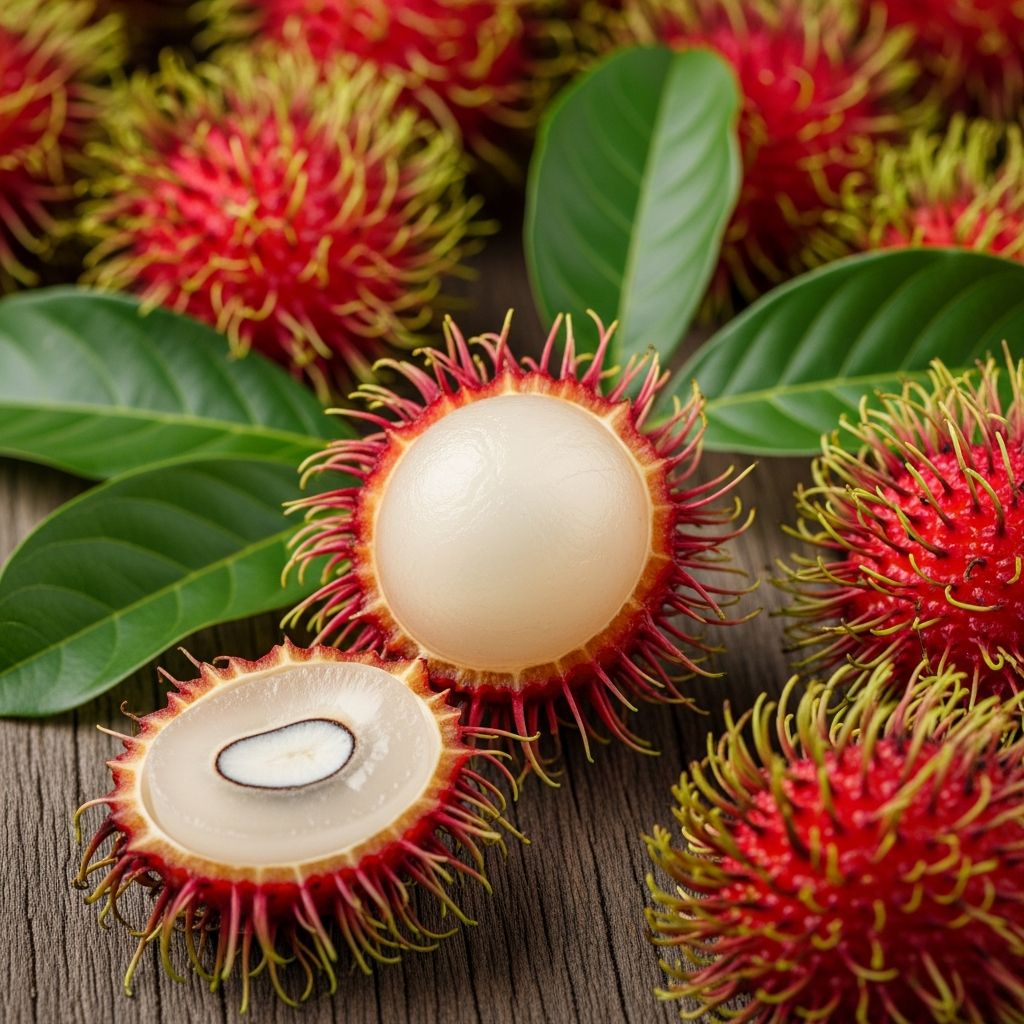
Rambutan (Nephelium lappaceum), a vibrant tropical fruit native to Southeast Asia, resembles a hairy lychee with its spiky red or yellow outer skin and sweet, juicy white flesh. This exotic fruit has gained popularity worldwide for its delightful flavor and impressive nutritional profile. Packed with
vitamin C
,dietary fiber
,potassium
, and powerfulantioxidants
, rambutan offers a range of health benefits that make it a valuable addition to any diet. From promoting digestive health and supporting weight loss to boosting immunity and protecting against chronic diseases, rambutan stands out among tropical fruits.While the fresh pulp is the most commonly consumed part, research highlights potential benefits from the peel and seeds as well, though these are not typically eaten raw due to safety concerns. This article dives into the key health advantages of rambutan, its nutritional content, practical ways to enjoy it, and important precautions.
What Is Rambutan?
Rambutan belongs to the Sapindaceae family, closely related to lychee and longan. The name ‘rambutan’ derives from the Malay word for hair, referring to its distinctive soft, hairy spines covering the leathery skin. It thrives in humid tropical climates and is widely cultivated in countries like Thailand, Malaysia, Indonesia, Vietnam, and the Philippines, with growing production in Central and South America.
The fruit measures about 3-6 cm in diameter. To eat it, twist or cut open the skin to reveal the translucent, grape-like aril (flesh) surrounding a single seed. The flesh is sweet-tart with a juicy texture, often compared to a mix of lychee, grape, and pear. The seed is bitter and should be discarded, while the peel is edible in small amounts when young but typically tough and not consumed.
Rambutan is seasonal, peaking from June to September in many regions, making it a fresh summer treat. It’s available fresh, canned in syrup, frozen, or dried, though fresh offers the most nutrients.
Rambutan Nutrition Facts
A 100-gram serving of raw rambutan flesh (about 6-8 fruits) provides approximately 123 calories, making it a low-calorie snack. Key nutrients include:
- Vitamin C: 21.5-49.5 mg (24-55% DV), a potent antioxidant for immunity and iron absorption.
- Dietary Fiber: 2.7-3.5 g (10-12% DV), supporting digestion and satiety.
- Potassium: 42-168 mg, aiding blood pressure regulation.
- Copper: Essential for cell growth in bones, brain, and heart.
- Other: Folate, B vitamins, calcium, iron, magnesium, and low fat/protein.
Rambutan is about 78% water, contributing to hydration. Its glycemic index is moderate (around 50), suitable for most diets when eaten in moderation. Antioxidants like phenols, flavonoids, ellagic acid, and geraniin are concentrated in the peel and pulp.
| Nutrient | Amount per 100g | % Daily Value |
|---|---|---|
| Calories | 123 kcal | 6% |
| Vitamin C | 36 mg (avg) | 40% |
| Fiber | 2.9 g | 10% |
| Potassium | 100 mg (avg) | 2% |
| Carbs | 30 g | 10% |
Note: Values vary by ripeness and variety; DV based on 2,000-calorie diet.
Health Benefits of Rambutan
1. Promotes Healthy Digestion
Rambutan’s high fiber content—both soluble and insoluble—plays a crucial role in digestive health. Insoluble fiber adds bulk to stool, speeding transit time and preventing constipation, while soluble fiber feeds beneficial gut bacteria, producing short-chain fatty acids that reduce inflammation and support intestinal lining.
Related Stories



Studies show this dual-fiber action helps alleviate issues like IBS, diarrhea, and ulcerative colitis. One cup provides over 10% DV fiber, making it superior to many fruits for gut health.
2. Boosts Immune Health
Rich in vitamin C, rambutan enhances white blood cell production, vital for fighting infections. Just 100g meets nearly half the daily requirement, strengthening defenses against colds, flu, and pathogens.
Peel extracts exhibit antimicrobial activity against bacteria like Staphylococcus aureus, Pseudomonas aeruginosa, and V. cholerae, potentially aiding infection prevention. Antioxidants further bolster immunity by combating oxidative stress.
3. Aids Weight Management
Low in calories (125 kcal/cup) yet high in fiber and water, rambutan promotes fullness, reducing overeating. Fiber slows digestion, stabilizes blood sugar, and curbs appetite—ideal for weight loss diets paired with exercise.
Its hydrating nature further prevents dehydration-induced hunger, supporting sustainable weight control.
4. Supports Heart Health
Potassium helps lower blood pressure, while fiber reduces LDL cholesterol and triglycerides. Vitamin C, folate, and B vitamins fight inflammation and arterial damage from free radicals. Antioxidants may prevent atherosclerosis, heart attacks, and strokes.
Regular intake could lower cardiovascular risk factors, per bioactive compound studies.
5. Provides Antioxidant Protection
Rambutan’s polyphenols, flavonoids, and ellagic acid neutralize free radicals, protecting cells from oxidative damage. This may reduce risks of cancer, neurodegenerative diseases (Alzheimer’s, Parkinson’s), and premature aging.
Pulp and peel extracts show anticancer, anti-inflammatory, and neuroprotective potential in lab studies.
6. Improves Skin Health
Vitamin C boosts collagen for elasticity, while antioxidants combat UV damage and wrinkles. Peel extracts are used in cosmetics for anti-aging and repair.
Other Potential Benefits
- Antidiabetic: May regulate blood sugar via fiber and bioactive compounds.
- Anti-inflammatory: Eases arthritis/gout symptoms.
- Hepatoprotective/Cardioprotective: Protects liver/heart in preliminary research.
How to Eat Rambutan
Wash thoroughly, then peel by twisting or scoring the skin. Squeeze out the flesh, discarding the seed. Enjoy fresh as a snack, or incorporate into:
- Salads with greens, nuts, and vinaigrette.
- Smoothies blended with yogurt, banana, and coconut water.
- Desserts like sorbet, ice cream, or fruit tarts.
- Savory dishes: grilled with fish, curries, or chutneys.
- Canned in syrup for cocktails or toppings (rinse to reduce sugar).
Store fresh rambutan at room temperature for 3 days or refrigerate up to 2 weeks. Freeze peeled flesh for longer storage.
Rambutan Risks and Side Effects
Generally safe, but:
- Allergies: Rare, but related to lychee/Sapindaceae family; symptoms include rash, swelling.
- High sugar: 15-30g/100g carbs; limit for diabetics.
- Seeds/Peel: Contain saponins/toxins; not for consumption—may cause nausea.
- Pesticides: Wash well; opt for organic.
- Interactions: Consult doctor if pregnant, on blood thinners, or kidney issues (high potassium).
Moderation (1 cup/day) is key. Those with low blood pressure should monitor intake.
Frequently Asked Questions (FAQs)
Is rambutan good for weight loss?
Yes, its low calories, high fiber, and water content promote satiety and support weight management when part of a balanced diet.
Can you eat rambutan seeds?
No, seeds are bitter and potentially toxic due to saponins; always spit them out.
Is rambutan skin edible?
The skin is tough and not typically eaten, though young peels may be boiled in some cultures. Extracts are used medicinally, but consult a professional.
How many rambutans should you eat per day?
5-10 fruits (100-150g) provide benefits without excess sugar; adjust based on health needs.
What’s the difference between rambutan and lychee?
Both similar in taste, but rambutan has hairier skin, juicier flesh, and higher vitamin C.
References
- Rambutan Fruit: Nutrition, Health Benefits and How to Eat It — MedicineNet. 2023. https://www.medicinenet.com/rambutan_nutrition_health_benefits_how_to_eat/article.htm
- Rambutan Benefits: Exploring the Advantages of this Fruit — Nutrisense. 2023. https://www.nutrisense.io/blog/what-is-a-rambutan
- Rambutan: 9 Health Benefits & How to Eat — Tua Saúde. 2024. https://www.tuasaude.com/en/rambutan/
- Rambutan Fruit: Nutrition, Health Benefits and How to Eat It — Healthline. 2023-10-15. https://www.healthline.com/nutrition/rambutan
- Nutritional, pharmaceutical, and functional aspects of rambutan — PMC (NCBI). 2023-07-05. https://pmc.ncbi.nlm.nih.gov/articles/PMC10345721/
- Rambutan: Nutrition, Health Benefits, and How to eat — Vinmec. 2023. https://www.vinmec.com/eng/blog/rambutan-fruit-nutrition-health-benefits-and-how-to-eat-en
Similar Articles








Read full bio of Sneha Tete