Ramipril: An ACE Inhibitor (Tritace, Triapin, Altace)
Comprehensive guide to ramipril, an ACE inhibitor for treating high blood pressure, heart failure, and reducing cardiovascular risks effectively.
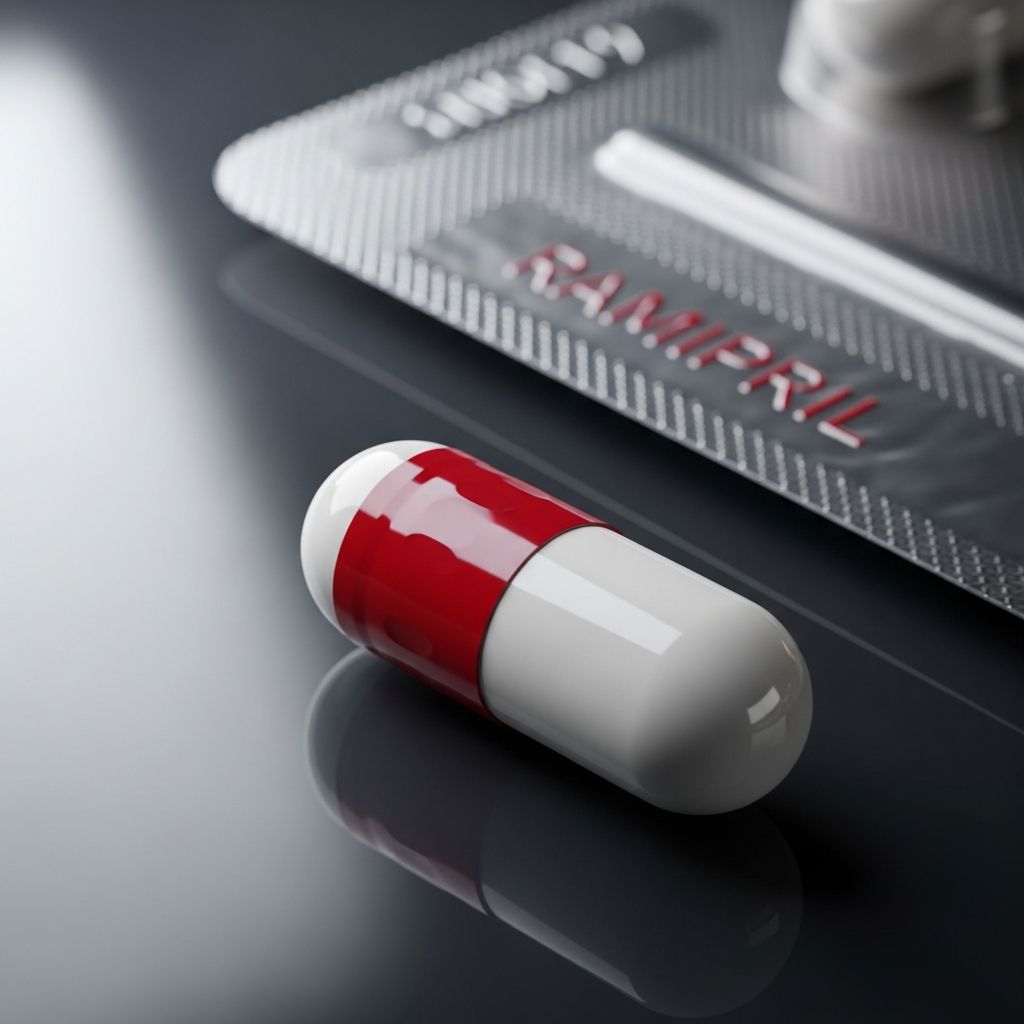
Ramipril is a widely prescribed medication belonging to the class of angiotensin-converting enzyme (ACE) inhibitors. It is primarily used to treat high blood pressure (hypertension) and to manage heart conditions such as heart failure following a heart attack. By relaxing blood vessels, ramipril helps reduce the workload on the heart and lowers the risk of serious cardiovascular events like stroke, myocardial infarction (heart attack), and death, particularly in high-risk patients.
About ramipril
Ramipril is available under brand names such as Tritace, Triapin, and Altace. It functions as a prodrug, meaning it is inactive until metabolized in the liver and kidneys into its active form, ramiprilat. This active metabolite potently inhibits ACE, preventing the conversion of angiotensin I to angiotensin II, a hormone that constricts blood vessels and raises blood pressure. Ramipril also reduces the breakdown of bradykinin, promoting vasodilation and further lowering blood pressure.
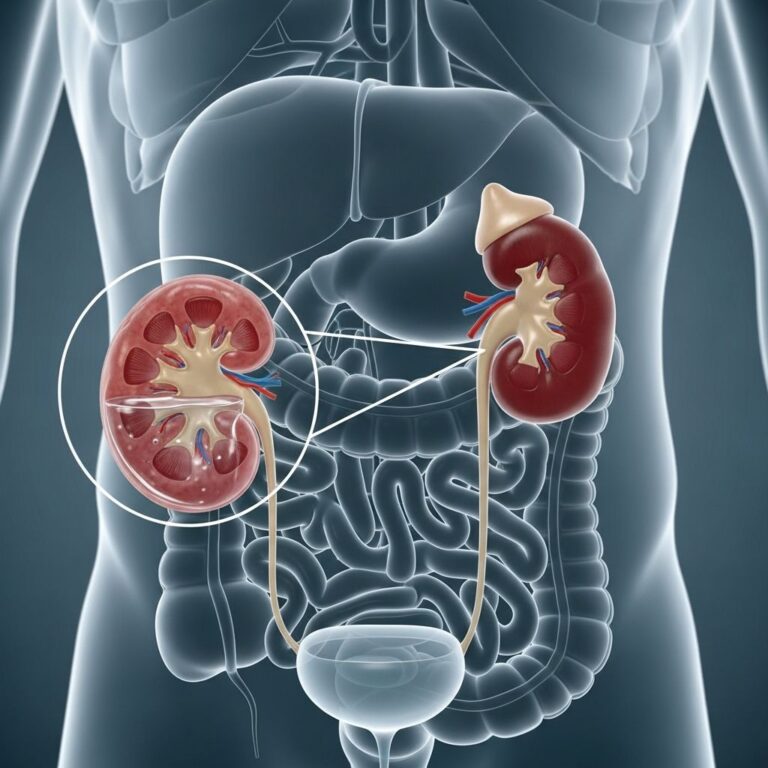
Approved for clinical use, ramipril is indicated for mild to severe hypertension, reducing cardiovascular mortality post-myocardial infarction in stable patients with heart failure signs, and slowing renal disease progression in hypertensive patients with diabetes. Its cardioprotective effects stem from decreased inflammation, vasoconstriction, and reactive oxygen species production via the renin-angiotensin-aldosterone system (RAAS).
Key facts about ramipril
- Ramipril starts reducing blood pressure within 1-2 hours, with peak effects in 3-6 hours; full benefits may take weeks.
- Commonly prescribed for hypertension, post-heart attack heart failure, and high cardiovascular risk reduction in patients over 55.
- Available as capsules (1.25mg, 2.5mg, 5mg, 10mg) or oral solution.
- Not a beta-blocker or blood thinner; specifically an ACE inhibitor.
- Taken once or twice daily, with or without food; consistent timing aids adherence.
- Pregnancy category D: Avoid in pregnancy due to fetal risks.
When to take ramipril
Ramipril is typically taken once daily, but twice-daily dosing may be used for better control. It can be taken with or without food, though taking it with food may reduce stomach upset. Swallow capsules whole; do not crush or chew. For oral solution, shake well and measure accurately. Missing a dose? Take it as soon as remembered unless close to the next dose—do not double up. Blood pressure monitoring is essential, especially early in treatment.
How to take ramipril
Follow your doctor’s instructions precisely. Initial doses are low to minimize side effects like dizziness:
- Hypertension: Start 1.25-2.5mg once daily, increase to 2.5-10mg (once or divided twice daily).
- Post-MI heart failure: Start 1.25mg twice daily, titrate to 5mg twice daily.
- Cardiovascular risk reduction: Start 2.5mg once daily, target 10mg daily.
- Renal impairment: Lower doses required; monitor closely.
Do not stop abruptly without medical advice, as blood pressure may rebound. Store at room temperature, away from moisture.
Dosage
Dosage varies by condition, age, kidney function, and response. The table below summarizes typical adult dosing:
| Condition | Starting Dose | Maintenance Dose | Maximum Dose |
|---|---|---|---|
| Hypertension | 1.25-2.5 mg once daily | 2.5-10 mg once or twice daily | 10 mg/day |
| Heart failure post-MI | 1.25 mg twice daily | 5 mg twice daily | 10 mg/day |
| Cardiovascular prevention (>55 yrs, high risk) | 2.5 mg once daily | 10 mg once daily | 10 mg/day |
| Renal disease in diabetes | 1.25-2.5 mg once daily | 5 mg once daily | 5 mg/day |
Adjust for elderly or renal/hepatic impairment. Pediatric use is off-label and requires specialist oversight.
Related Stories



Getting the most from your treatment
To optimize ramipril’s benefits:
- Monitor blood pressure regularly at home.
- Maintain a low-salt diet, exercise moderately, and limit alcohol.
- Stay hydrated but report persistent dry cough or swelling.
- Avoid NSAIDs, potassium supplements, or diuretics without advice, as they interact.
- Regular blood tests for kidney function and electrolytes are crucial.
- Lifestyle changes enhance efficacy and may allow dose reduction.
Side effects of ramipril
Most side effects are mild and transient. Common ones (>1 in 100) include:
- Dry, tickly cough (10-20% of users; may resolve or require switch to ARB).
- Dizziness (especially first dose; rise slowly).
- Headache, fatigue, nausea.
- Low blood pressure (hypotension).
Serious side effects (seek immediate help):
- Angioedema (swelling of face, lips, tongue; rare but life-threatening).
- Chest pain, severe dizziness, fainting.
- Signs of infection (high white cells affected), jaundice, or kidney issues.
- Hyperkalemia (high potassium: muscle weakness, irregular heartbeat).
Report persistent symptoms. Long-term use is safe for most, with renoprotective benefits.
Cautions of ramipril
Use cautiously or avoid in:
- History of angioedema with ACE inhibitors.
- Renal artery stenosis, severe kidney/liver disease.
- Pregnancy (teratogenic; use contraception).
- Breastfeeding (preferred alternatives exist).
- Desensitization therapy (e.g., allergy shots).
- Electrolyte imbalances or concurrent diuretics.
Monitor first-dose hypotension in volume-depleted patients.
Interactions
Ramipril interacts with:
- Potassium-sparing diuretics, supplements (hyperkalemia risk).
- NSAIDs (reduced efficacy, kidney harm).
- Lithium (toxicity).
- Other antihypertensives (additive hypotension).
- mTOR inhibitors (e.g., temsirolimus; angioedema).
Inform your doctor of all medications.
Other medicines, food and drink, and ramipril
Avoid high-potassium foods (bananas, oranges) in excess if on supplements. Grapefruit juice has minimal interaction. Alcohol may enhance hypotension—limit intake. No major food restrictions otherwise.
Common questions about ramipril
How long does it take to work?
Blood pressure drops within hours, but optimal control takes 2-4 weeks.
Does it cause cough?
Yes, dry cough in up to 20%; switch to angiotensin receptor blocker (ARB) if persistent.
Can I drink alcohol?
Moderation advised; excessive alcohol worsens dizziness.
Is it safe in diabetes?
Yes, protects kidneys in diabetic nephropathy.
Does it affect exercise?
May cause fatigue initially; regular activity is encouraged.
Frequently Asked Questions (FAQs)
Why is ramipril prescribed after a heart attack?
It improves survival and prevents heart failure progression by reducing cardiac workload and remodeling.
Can ramipril be crushed?
No, swallow whole; consult for alternatives if swallowing issues.
What if I forget a dose?
Take promptly if not near next dose; never double.
Is ramipril a diuretic?
No, it’s an ACE inhibitor; may be combined with diuretics.
How does it protect kidneys?
Lowers intraglomerular pressure, slowing diabetic nephropathy.
References
- Ramipril: Uses, Interactions, Mechanism of Action — DrugBank. 2023-10-15. https://go.drugbank.com/drugs/DB00178
- Ramipril – StatPearls — NCBI Bookshelf, NIH. 2024-07-24. https://www.ncbi.nlm.nih.gov/books/NBK537119/
- Ramipril (Altace): Uses, Side Effects, Interactions — WebMD. 2025-01-10. https://www.webmd.com/drugs/2/drug-8843/ramipril-oral/details
- Ramipril (Altace): Uses, Side Effects, Dosage & More — GoodRx. 2024-11-20. https://www.goodrx.com/ramipril/what-is
- Ramipril (oral route) – Side effects & dosage — Mayo Clinic. 2025-05-05. https://www.mayoclinic.org/drugs-supplements/ramipril-oral-route/description/drg-20069179
- Ramipril: MedlinePlus Drug Information — MedlinePlus, NIH. 2024-09-12. https://medlineplus.gov/druginfo/meds/a692027.html
Similar Articles








Read full bio of Sneha Tete