Ranolazine for Angina: Comprehensive Guide to Dosage & Safety
Comprehensive guide to using Ranolazine (Ranexa) for managing chronic angina symptoms effectively and safely.

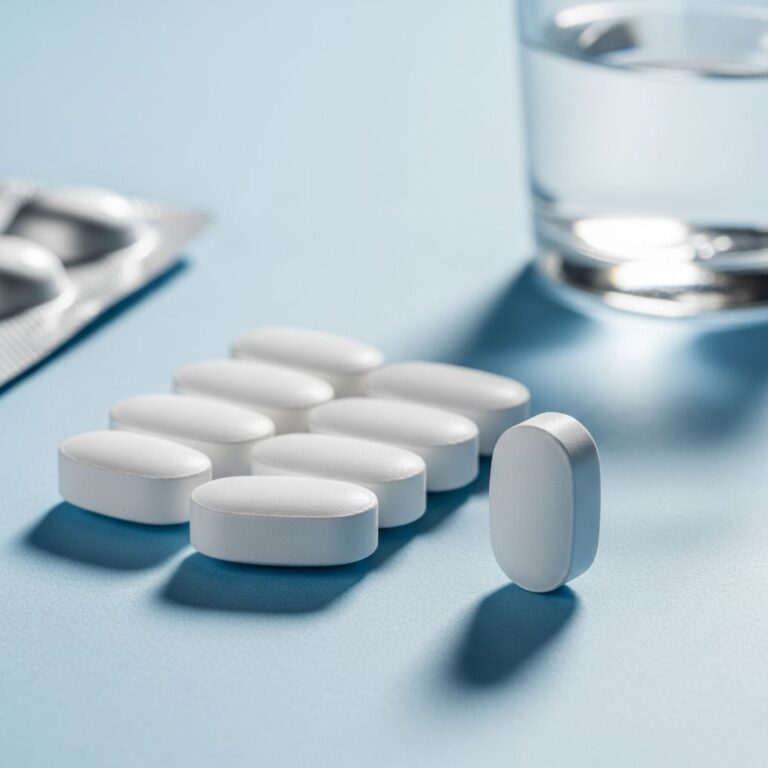
Ranolazine, marketed as
Ranexa
, is an extended-release tablet prescribed for the treatment ofchronic angina
in adults. It serves as an add-on therapy for patients whose symptoms persist despite other anti-anginal treatments like beta-blockers, nitrates, or calcium channel blockers. Unlike traditional therapies that primarily reduce heart rate or blood pressure, ranolazine acts as ametabolic modulator
, enhancing the heart’s efficiency in using energy without significantly affecting hemodynamics.About ranolazine tablets
Ranolazine belongs to a unique class of medications known as
late sodium current inhibitors
or metabolic modulators. It works by inhibiting the late sodium influx into heart muscle cells, which reduces calcium overload during ischemia, thereby improving diastolic relaxation and oxygen efficiency. The FDA approves Ranexa for chronic angina treatment, often combined with beta-blockers, nitrates, calcium channel blockers, antiplatelet agents, lipid-lowering therapy, ACE inhibitors, or angiotensin receptor blockers. The EMA similarly indicates it for symptomatic stable angina pectoris inadequately controlled by other therapies.Clinical trials like CARISA and MARISA demonstrated its efficacy. In CARISA, patients on atenolol, amlodipine, or diltiazem with added ranolazine (750 mg or 1000 mg twice daily) showed increased exercise tolerance by 20-30 seconds and reduced angina attacks by about one per week compared to placebo. In MARISA, as monotherapy, it dose-dependently improved treadmill exercise duration. These benefits persist without tolerance development or rebound angina upon discontinuation.
Ranolazine is extensively metabolized in the gut and liver, with highly variable absorption. Steady-state peak concentrations vary widely (e.g., 2600 ng/mL mean at 1000 mg BID, ranging 400-6100 ng/mL). It produces small reductions in HbA1c in diabetics, but is not a diabetes treatment.
Before taking ranolazine tablets
Allergy
Avoid ranolazine if allergic to it or any ingredients. Allergic reactions may include rash, itching, swelling, severe dizziness, or breathing trouble—seek immediate medical help.
Pregnancy and breastfeeding
Limited data exist on ranolazine use in pregnancy; animal studies show no direct harm but potential fetal toxicity at high doses. Use only if benefits outweigh risks, consulting a doctor. It is unknown if ranolazine passes into breast milk; breastfeeding mothers should discuss alternatives.
Babies and children
Ranolazine is not approved for those under 18 years due to lack of safety and efficacy data.
Other medicines, food, drink, and grapefruit juice
Ranolazine interacts with
CYP3A4 inhibitors
(e.g., ketoconazole increases AUC 3-3.9-fold; diltiazem 1.5-2.4-fold; verapamil 2.2-fold), requiring dose titration or avoidance of strong inhibitors. It moderately inhibits P-gp and mildly CYP3A4/CYP2D6, potentially raising levels of digoxin, simvastatin, cyclosporine, metoprolol. Avoid grapefruit juice, as it boosts ranolazine levels. Moderate alcohol use is generally fine, but excess may worsen dizziness.- Strong CYP3A4 inhibitors (e.g., clarithromycin, nefazodone): Contraindicated.
- Moderate CYP3A4 inhibitors (e.g., diltiazem): Start at 500 mg BID, titrate carefully.
- P-gp substrates (e.g., digoxin): Monitor levels.
- CYP3A4 substrates with narrow index (e.g., simvastatin >20 mg): Limit simvastatin to 20 mg.
How and when to take ranolazine tablets
Take ranolazine
twice daily
with or without food, swallowed whole (do not crush/chew). Start at500 mg twice daily
, increasing to1000 mg twice daily
based on response and tolerability. Maximum is 1000 mg BID. If stopping other anti-anginals, taper them while initiating ranolazine.Related Stories



| Dose Level | Frequency | Notes |
|---|---|---|
| 500 mg | Twice daily | Initial dose; for renal/hepatic impairment or with moderate CYP3A4 inhibitors. |
| 750 mg | Twice daily | Intermediate; used in trials. |
| 1000 mg | Twice daily | Target for most; max dose. |
Missed dose: Take as soon as remembered unless near next dose; do not double. If switching strengths, maintain twice-daily schedule.
Common questions about ranolazine tablets
How long does ranolazine take to work?
Benefits appear within 1-2 weeks, with full effects by 4 weeks. In ERICA trial, angina frequency dropped after 1 week at 500 mg, improving further at 1000 mg.
How long do I take ranolazine for?
Long-term for ongoing chronic angina management. No tolerance develops; safe for extended use per long-term studies.
Is ranolazine safe for my heart?
Yes, minimal QTc prolongation (~6 ms average; up to 15 ms in high-exposure patients). Avoid in congenital long QT syndrome.
Can I take antacids with ranolazine?
Yes, but aluminum/magnesium antacids may slightly reduce absorption; space by 1 hour if possible.
Can I drive or ride a bike whilst taking ranolazine?
May cause dizziness; do not drive/operate machinery until effects known. Dizziness led to 1.3% discontinuation vs. 0.1% placebo.
Side effects of ranolazine
About 6% discontinue due to adverse events vs. 3% placebo. Common (>1/100):
dizziness (6.2%)
,headache (5.5%)
,constipation (4.5%)
,nausea (4.4%)
. Others (0.5-4%): vomiting, dyspnea. Dose-related dizziness common.- Serious (rare): QT prolongation, acute renal failure in severe impairment, symptomatic bradycardia with some drugs.
- Lab changes: Serum creatinine rise (0.1 mg/dL, non-progressive); monitor in renal impairment.
Report persistent issues to doctor. Overdose causes dizziness/nausea; high QTc risk—seek emergency care.
Cautions of ranolazine tablets
Use caution in
liver disease
(moderate: max 500 mg BID; severe: contraindicated). Inkidney impairment
: Mild/moderate—titrate; severe (CrCl <30 mL/min)—avoid, as trial halted due to renal failure. Hepatic impairment increases exposure.Monitor ECG in high-risk patients; reduces HbA1c slightly but not antidiabetic.
Interactions of medicines, alcohol, supplements, and food
Medicines: See CYP3A4/P-gp interactions above. Increases levels of digoxin (30%), cyclosporine, simvastatin.
Alcohol: May amplify dizziness; limit intake.
Grapefruit: Increases exposure—avoid juice/products.
Supplements: St. John’s wort (CYP3A4 inducer) may reduce efficacy.
Important information
This info supports, not replaces, doctor advice. Store at room temperature, away from moisture. Report side effects via FDA MedWatch or EMA systems.
Frequently Asked Questions (FAQs)
Q: What is ranolazine used for?
A: Treating chronic angina, alone or with other meds, to reduce chest pain frequency.
Q: Does ranolazine lower blood pressure?
A: No significant effect on HR or BP; works via metabolic modulation.
Q: Can ranolazine cause kidney problems?
A: Elevates creatinine mildly; avoid in severe impairment due to renal failure risk.
Q: Is ranolazine a beta-blocker?
A: No, it’s a novel late Na+ inhibitor, combinable with beta-blockers.
Q: How does ranolazine affect exercise?
A: Increases exercise duration by 20-43 seconds in trials vs. placebo.
References
- RANEXA (ranolazine) extended-release tablets — FDA. 2016-06-30. https://www.accessdata.fda.gov/drugsatfda_docs/label/2016/021526s029lbl.pdf
- Ranexa, INN-ranolazine — EMA. Last updated 2023. https://www.ema.europa.eu/en/documents/product-information/ranexa-epar-product-information_en.pdf
- Ranolazine (Ranexa) for Chronic Angina — AAFP. 2007-02-15. https://www.aafp.org/pubs/afp/issues/2007/0215/p544.html
- Ranolazine for Angina — Patient.info. Accessed 2026. https://patient.info/medicine/ranolazine-for-angina-ranexa
- Safety and Efficacy of Ranolazine for Chronic Angina — NIH PMC. 2014. https://pmc.ncbi.nlm.nih.gov/articles/PMC3932785/
- Ranolazine: Uses, Interactions — DrugBank. Accessed 2026. https://go.drugbank.com/drugs/DB00243
- Ranolazine (oral route) — Mayo Clinic. Accessed 2026. https://www.mayoclinic.org/drugs-supplements/ranolazine-oral-route/description/drg-20069114
Similar Articles








Read full bio of medha deb