Rash A to Z: Causes, Symptoms, and Treatment Guide
Complete guide to understanding common skin rashes, their causes, symptoms, and effective treatments.
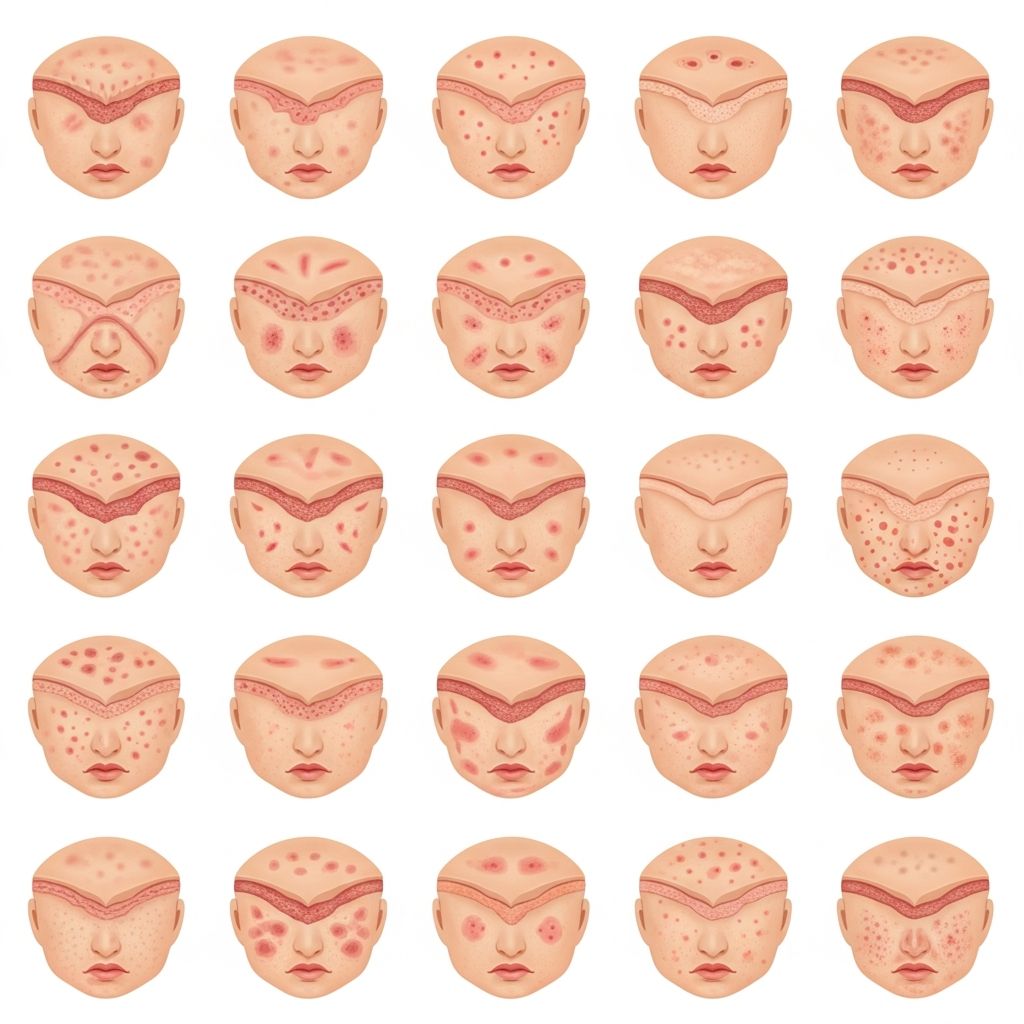
A rash is any area of irritated or swollen skin that can appear and feel different depending on the underlying cause and individual skin characteristics. Rashes may be itchy, painful, and present with varying appearances across different skin tones, making accurate identification and treatment essential for proper care and comfort.
Understanding Skin Rashes
Skin rashes are a common concern that affects people of all ages and backgrounds. They can range from mild and temporary to severe and persistent, depending on their underlying cause. Understanding the nature of rashes, their triggers, and appropriate management strategies can help individuals seek timely treatment and prevent complications.
Rashes manifest differently on various skin tones, which is why proper assessment and diagnosis are crucial. What appears prominent on light skin may be subtle or appear differently colored on darker skin tones, potentially leading to misdiagnosis if not carefully evaluated.
Common Types of Rashes
Fifth Disease
Fifth disease, also known as erythema infectiosum, is a viral infection that commonly affects children but can occur in adults. This condition presents with distinctive clinical features that evolve over time.
Symptoms of Fifth Disease Include:
– Headache and fatigue- Low fever- Sore throat- Runny nose- Diarrhea- Nausea
Rash Characteristics:
The rash associated with fifth disease typically begins on the face with round, bright red patches on the cheeks, often described as a “slapped cheek” appearance. However, this may be less noticeable on darker skin tones, where the rash might appear as brown or purple discoloration. Following the facial rash, a lacy-patterned rash develops on the arms, legs, and upper body. This pattern may become more visible after exposure to heat, such as after a hot shower or bath. Children are significantly more likely than adults to experience this characteristic rash.
Diaper Rash
Diaper rash is one of the most common skin conditions in infants and young children. It occurs in areas that have direct and prolonged contact with diapers, particularly in warm, moist environments.
Key Features of Diaper Rash:
– Red, wet appearance of the skin- Skin that appears slightly lighter or darker than surrounding skin color- Affected area that feels warm to the touch- Typically located on the buttocks, lower abdomen, and upper thigh areas
Diaper rash results from prolonged exposure to moisture, urine, and feces, as well as friction from the diaper. Fungal infections can complicate the condition, leading to more severe symptoms that may require medical intervention.
Related Stories



Eczema
Eczema, or atopic dermatitis, is a chronic inflammatory skin condition characterized by intense itching and compromised skin barrier function. This condition can significantly impact quality of life and requires consistent management.
Eczema Characteristics:
– Dry, rough, and flaky skin texture- Inflamed and irritated appearance- Red patches in affected areas- Intense itching sensation- Hair loss may occur at rash sites- On darker skin tones, darker brown or gray patches may appear instead of typical red coloring
Eczema often develops during childhood but can persist into adulthood. The condition is triggered by genetic factors, environmental irritants, allergens, and stress. Managing eczema involves maintaining proper skin hydration, avoiding triggers, and using appropriate topical treatments.
Classification of Rashes
Dermatologists broadly classify rashes into five main categories based on their underlying causes:
| Rash Category | Causes | Examples |
|---|---|---|
| Infection-Based | Bacterial, viral, or fungal infections | Fifth disease, measles, chickenpox |
| Allergic Reactions | Response to allergens or irritants | Contact dermatitis, urticaria, drug reactions |
| Environmental Irritation | Exposure to external irritants | Heat rash, diaper rash, friction dermatitis |
| Plant Reactions | Contact with certain plants | Poison ivy, poison oak, poison sumac |
| Autoimmune Conditions | Body’s immune system attacking skin | Psoriasis, lupus, lichen planus |
General Care and Management Strategies
Immediate Comfort Measures
Several simple strategies can help manage rash discomfort and promote healing:
– Use mild, gentle cleansers instead of scented bar soaps that may further irritate skin- Wash with warm water rather than hot water, which can exacerbate irritation- Pat the rash dry gently instead of rubbing, which may increase inflammation- Allow the rash to breathe by avoiding unnecessary clothing coverage when possible- Discontinue use of new cosmetics or lotions that may have triggered the rash- Apply unscented moisturizing lotion to affected areas to maintain skin hydration- Avoid scratching the rash, as this can worsen symptoms and lead to secondary infection
Topical Treatments
Over-the-Counter Options:
– Apply hydrocortisone cream to very itchy areas causing discomfort- Use calamine lotion for rashes from chickenpox, poison ivy, or poison oak- Apply moisturizers specifically formulated for sensitive skin- Use medicated dandruff shampoo if dandruff accompanies the rash
Home Remedies
Natural remedies can provide relief for many types of rashes:
– Take oatmeal baths to soothe itchiness associated with eczema or psoriasis- Apply cold compresses to reduce inflammation and numb itching sensation- Use gentle exfoliation to remove dead skin only when appropriate- Apply honey-based treatments for their antimicrobial properties
Oral Medications
Healthcare professionals may recommend oral medications for systemic symptoms:
– Ibuprofen or acetaminophen for mild pain associated with rashes- Antihistamines for allergic rash reactions- Antibiotics if bacterial infection is present
Important Considerations: Over-the-counter medications should not be taken for extended periods unless advised by a healthcare professional. Individuals with liver or kidney disease, or a history of stomach ulcers, may not be able to safely take certain medications. Always consult with a healthcare provider about appropriate duration and frequency of use.
When to Seek Medical Attention
While many rashes resolve with home care, certain symptoms indicate a medical emergency requiring immediate attention:
– Increasing pain or discoloration in the rash area- Tightness or itchiness in the throat- Difficulty breathing- Swelling of the face or extremities- Fever of 100.4°F (38°C) or higher- Confusion or altered mental status- Dizziness or lightheadedness- Severe head or neck pain- Repeated vomiting or diarrhea
If you experience any of these symptoms alongside a rash, seek emergency medical care immediately.
Professional Medical Evaluation
What to Expect During Your Appointment
When visiting a healthcare professional for rash evaluation, they will conduct a thorough assessment:
Physical Examination:
– Detailed visual inspection of the rash- Assessment of rash characteristics including color, pattern, and distribution- Evaluation of skin condition and any secondary changes- Temperature measurement if fever is suspected
Medical History Discussion:
– Your overall medical history- Current medications and supplements- Recent exposure to new products or substances- Eating habits and potential food triggers- Recent travel or environmental exposure- Personal hygiene habits- Duration and progression of symptoms
Diagnostic Tests:
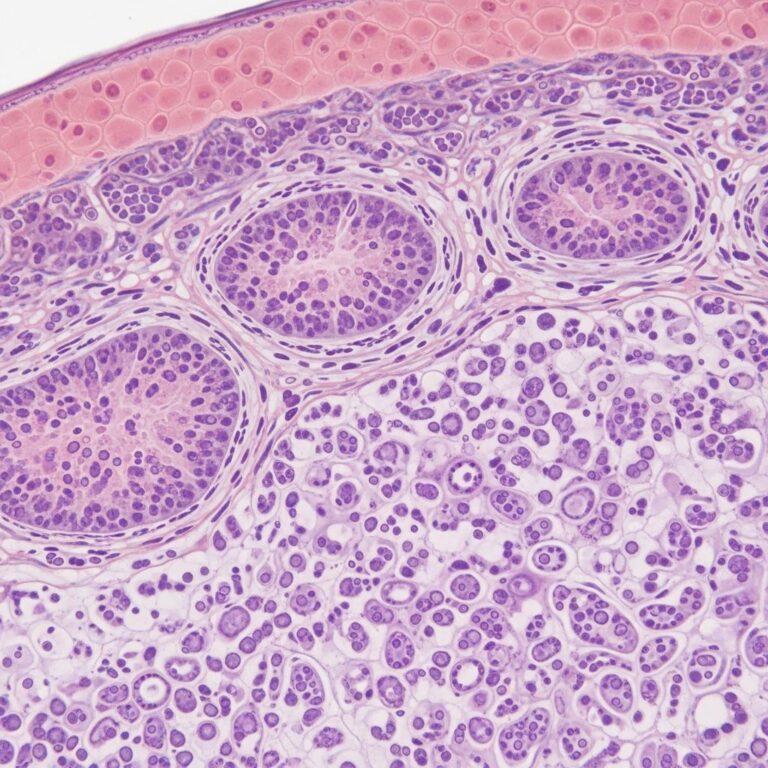
– Allergy testing to identify specific allergens- Complete blood count (CBC) to assess for systemic infection- Fungal or bacterial cultures if infection is suspected- Skin biopsy, involving removal of a small tissue sample for microscopic analysis- Referral to a dermatologist for specialized evaluation and treatment
Long-Term Management and Prevention
Identifying and Avoiding Triggers
Understanding what causes or worsens your rash is essential for long-term management:
– Keep a rash diary noting when symptoms occur and potential triggers- Identify patterns related to specific products, foods, or environmental factors- Avoid confirmed triggers as much as possible- Be cautious when introducing new products to your skincare routine- Wear appropriate protective clothing when exposure to irritants is unavoidable
Skincare Routine for Rash-Prone Individuals
Establishing a consistent, gentle skincare routine helps prevent rash recurrence:
– Cleanse skin twice daily with mild, fragrance-free products- Moisturize immediately after bathing while skin is still slightly damp- Use sunscreen daily to protect compromised skin barriers- Avoid hot water and excessive bathing- Wear soft, breathable fabrics against the skin- Manage stress through relaxation techniques, as stress can trigger rashes
Rash Appearance Across Different Skin Tones
Rashes present differently depending on skin tone, which has important implications for diagnosis and treatment:
Light Skin Tones: Rashes typically appear as distinct red or pink areas with clear inflammatory changes.
Medium Skin Tones: Rashes may appear orange-red or brown, with variations in intensity.
Dark Skin Tones: Rashes may appear as purple, brown, or gray discoloration rather than red, making them less obvious at first glance. Inflammation may be more subtle, requiring careful assessment.
Healthcare professionals must consider these variations to provide accurate diagnoses and appropriate treatment across all populations.
Frequently Asked Questions
Q: What is the fastest way to get rid of a rash?
A: The fastest approach depends on the rash’s underlying cause. Home remedies like oatmeal baths and cold compresses can provide quick relief for discomfort. However, the actual healing timeline varies—some rashes resolve in days while others take weeks. The most effective strategy is to correctly identify the rash type and apply targeted treatment. Consulting with a dermatologist ensures you receive the most appropriate intervention for rapid resolution.
Q: How long does a typical rash last?
A: Duration varies significantly based on the cause. Contact dermatitis may resolve in one to two weeks with avoidance of the trigger, while eczema is chronic and requires ongoing management. Infectious rashes typically last seven to ten days after symptom onset. Autoimmune-related rashes may persist for weeks or months without appropriate treatment.
Q: Can rashes be contagious?
A: Some rashes are contagious while others are not. Viral infections like fifth disease and chickenpox spread through respiratory droplets or direct contact. Fungal rashes can spread through skin-to-skin contact. Allergic rashes and environmentally-triggered rashes are not contagious. Understanding your specific rash type helps determine necessary precautions.
Q: When should I call a doctor about a rash?
A: Contact a healthcare provider if the rash doesn’t improve with home treatment after two weeks, if it’s accompanied by systemic symptoms like fever or joint pain, if it’s spreading rapidly, if it causes severe pain or itching affecting daily life, or if you notice signs of infection like increased warmth, pus, or red streaking.
Q: Are there natural remedies that actually work for rashes?
A: Yes, several natural remedies provide genuine relief. Oatmeal baths reduce itching and inflammation associated with eczema and psoriasis. Coconut oil and shea butter offer moisturizing benefits. Aloe vera has anti-inflammatory properties. However, natural remedies work best for mild rashes and should complement, not replace, medical treatment for serious conditions.
References
- 22 Common Skin Rashes: Pictures, Causes, and Treatment — Healthline Media. 2025. https://www.healthline.com/health/rashes
- Erythema Infectiosum (Fifth Disease) — Centers for Disease Control and Prevention (CDC). 2024. https://www.cdc.gov/
- Atopic Dermatitis (Eczema) — National Institute of Arthritis and Musculoskeletal and Skin Diseases (NIAMS). 2024. https://www.niams.nih.gov/
- Diaper Dermatitis: Etiology, Manifestations, and Management — American Academy of Dermatology (AAD). 2024. https://www.aad.org/
- Skin Conditions and Diversity in Dermatology — American Dermatological Association. 2024. https://www.americanderm.org/
Similar Articles








Read full bio of medha deb