Rash on Neck: Causes, Pictures, and Treatment
Discover common causes of neck rashes, from allergies to infections, with pictures, symptoms, and effective treatments.
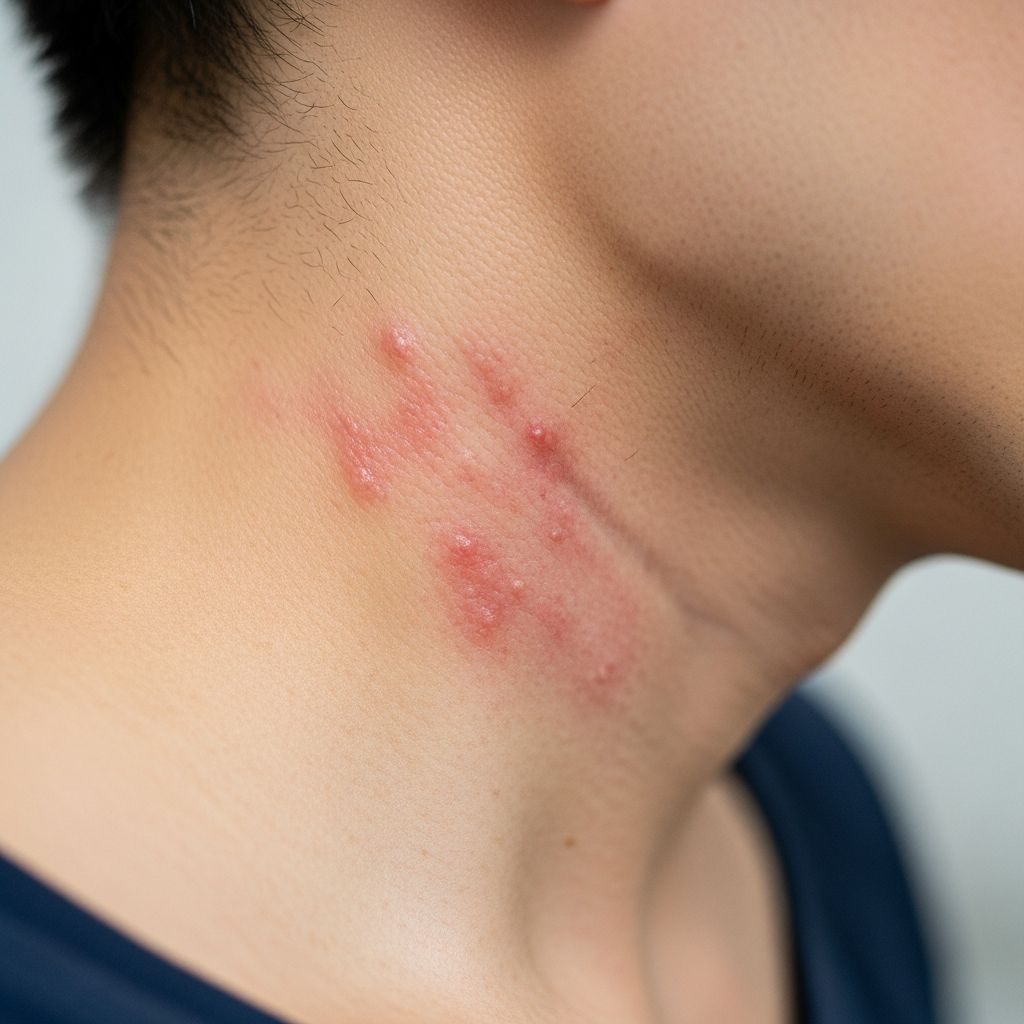
A rash on the neck can be uncomfortable, itchy, and sometimes painful, disrupting daily life and self-confidence. While many neck rashes are benign and resolve with home care, others may indicate underlying health issues requiring professional attention. Understanding the potential causes—from common allergens to serious infections—empowers you to take appropriate action. This comprehensive guide covers the most frequent triggers of neck rashes, complete with descriptions, visual references, treatment options, and expert advice on when to consult a healthcare provider.
Symptoms of a Rash on the Neck
Neck rashes present in diverse ways depending on the cause. Common symptoms include:
- Redness and inflammation: The skin appears pink, red, or flushed, often with raised patches.
- Itching or burning: Intense pruritus (itching) is a hallmark, sometimes accompanied by a stinging sensation.
- Bumps or blisters: Small papules, pustules, or fluid-filled vesicles may form.
- Scaling or dryness: Flaky, rough skin that peels or cracks.
- Pain or tenderness: Especially if infected or irritated by friction.
- Swelling: Localized edema around the rash area.
Symptoms can spread beyond the neck to the chest, shoulders, or face. Track changes in appearance, duration, and associated symptoms like fever or fatigue to aid diagnosis.
Common Causes of Neck Rashes
1. Contact Dermatitis
One of the leading causes of neck rashes, contact dermatitis occurs when the skin reacts to irritants or allergens. Irritant contact dermatitis stems from harsh substances like soaps, detergents, or sweat, causing direct skin barrier damage. Allergic contact dermatitis involves an immune response to allergens such as nickel in jewelry, fragrances in perfumes, or latex.
Symptoms emerge 24-48 hours after exposure: red, itchy patches that may blister. The neck is vulnerable due to frequent contact with necklaces, collars, and cosmetics.
2. Atopic Dermatitis (Eczema)
Atopic dermatitis is a chronic inflammatory condition causing recurrent rashes. On the neck, it manifests as dry, thickened skin with intense itching, often worsening with scratching (the ‘itch-scratch cycle’). Triggers include stress, weather changes, wool fabrics, and allergens. Genetic predisposition plays a key role, affecting up to 20% of children and 10% of adults worldwide, per the National Institute of Arthritis and Musculoskeletal and Skin Diseases (NIAMS).
3. Hives (Urticaria)
Hives are raised, welts-like rashes from histamine release, often triggered by allergies to foods (nuts, shellfish), medications (antibiotics), infections, or physical stimuli like heat or pressure. Neck hives appear suddenly as pink or red wheals that itch and burn, lasting hours to days. Acute hives resolve quickly, while chronic cases persist over six weeks.
4. Heat Rash (Miliaria)
Common in hot, humid conditions, heat rash develops when sweat ducts clog, trapping perspiration under the skin. On the neck, it presents as tiny red bumps or clear blisters, feeling prickly. Risk factors include tight clothing, heavy sweating, and occlusion from scarves.
5. Psoriasis
This autoimmune disorder accelerates skin cell turnover, forming thick, silvery scales on red plaques. Neck psoriasis can be subtle but itchy and prone to cracking. Plaque psoriasis is most common, affecting 2-3% of the population, according to the American Academy of Dermatology (AAD).
6. Fungal Infections (Tinea Versicolor or Ringworm)
Fungi like Malassezia cause tinea versicolor, leading to discolored patches (lighter or darker than surrounding skin) that may itch. Ringworm (tinea corporis) forms annular, scaly rings. Warm, moist neck folds promote growth.
Related Stories



7. Bacterial Infections (Impetigo or Folliculitis)
Bacterial rashes include impetigo—honey-crusted sores from Staph or Strep—and folliculitis, inflamed hair follicles resembling pimples. These are contagious and require antibiotics.
8. Viral Infections (Shingles or Chickenpox)
Shingles (herpes zoster) from reactivated varicella-zoster virus causes painful, blistering rashes along nerve paths, often unilateral on the neck. Chickenpox features widespread itchy vesicles.
9. Acne and Rosacea
Acne on the neck arises from clogged pores due to oil, bacteria, and friction from clothing. Rosacea triggers facial flushing extending to the neck, with papules and visible blood vessels.
10. Other Causes
- Drug reactions: Medications like NSAIDs or antibiotics can cause morbilliform rashes.
- Autoimmune diseases: Lupus or dermatomyositis may present with neck rashes (e.g., malar rash).
- Lice or scabies: Parasitic infestations causing itchy, burrow-like tracks.
Rash on Neck Pictures
Visual identification aids self-assessment (note: consult a doctor for diagnosis):
- Contact dermatitis: Red, weepy patches with possible vesicles.
- Eczema: Dry, scaly, lichenified skin.
- Hives: Edematous wheals with surrounding flares.
- Heat rash: Clusters of small, uniform bumps.
- Psoriasis: Well-defined plaques with white scales.
- Shingles: Linear vesicles on erythematous base.
These descriptions mimic common presentations; individual variations occur.
Treatment for Rash on the Neck
Home Remedies
- Cool compresses: Apply for 10-15 minutes to soothe itching and reduce swelling.
- Oatmeal baths: Colloidal oatmeal calms irritated skin.
- Moisturizers: Fragrance-free options like petroleum jelly lock in hydration.
- Aloe vera: Natural anti-inflammatory for mild rashes.
- Oral antihistamines: Diphenhydramine or cetirizine for hives and allergies.
Over-the-Counter (OTC) Options
- Hydrocortisone cream (1%): Reduces inflammation; limit to 7 days.
- Calamine lotion: Dries blisters and relieves itching.
- Antifungal creams: Clotrimazole for fungal rashes.
Prescription Treatments
- Topical steroids: Medium-potency for eczema/psoriasis.
- Antibiotics: Oral/topical for bacterial infections.
- Antivirals: Acyclovir for shingles.
- Immunosuppressants: For severe autoimmune cases.
When to See a Doctor
Seek immediate care if the rash:
- Spreads rapidly or covers large areas.
- Is accompanied by fever, chills, or swollen lymph nodes.
- Features pus, severe pain, or breathing difficulties (anaphylaxis).
- Persists beyond 1-2 weeks despite home care.
- Follows medication initiation or known allergen exposure.
Dermatologists may perform patch testing, biopsies, or cultures for accurate diagnosis.
Prevention Tips
- Wear hypoallergenic jewelry and breathable fabrics.
- Avoid known triggers; patch-test new products.
- Maintain gentle skincare: fragrance-free cleansers, daily moisturizing.
- Manage sweat with loose clothing and prompt showers.
- Use broad-spectrum sunscreen on exposed neck skin.
Frequently Asked Questions (FAQs)
Why do I have a rash on my neck but nowhere else?
A localized neck rash often results from direct contact irritants like jewelry, collars, or sweat accumulation in skin folds.
Can stress cause a neck rash?
Yes, stress exacerbates eczema, psoriasis, and hives by triggering inflammatory responses and immune dysregulation.
How long does a neck rash last?
Duration varies: hives last hours-days; contact dermatitis 1-3 weeks; chronic conditions like eczema recur indefinitely.
Is a neck rash contagious?
Depends on cause—fungal/bacterial/viral rashes are contagious; allergic/eczema rashes are not.
Can diet cause neck rashes?
Food allergies (e.g., dairy, gluten) can trigger hives or eczema flares, manifesting on the neck.
References
- Atopic Dermatitis Clinical Guideline — American Academy of Dermatology. 2024-04-15. https://www.aad.org/member/clinical-quality/guidelines/atopic-dermatitis
- Contact Dermatitis: A Practice Parameter — Joint Task Force on Practice Parameters, J Allergy Clin Immunol. 2023-03-01. https://www.jacionline.org/article/S0091-6749(23)00234-5/fulltext
- Psoriasis Clinical Guideline — National Institute for Health and Care Excellence (NICE). 2025-01-10. https://www.nice.org.uk/guidance/ng215
- Urticaria and Angioedema — American Academy of Allergy, Asthma & Immunology. 2024-07-22. https://www.aaaai.org/conditions-treatments/allergies/urticaria
- Impetigo: Diagnosis and Treatment — Centers for Disease Control and Prevention (CDC). 2024-11-05. https://www.cdc.gov/groupastrep/diseases-public/impetigo.html
- Shingles (Herpes Zoster) — Centers for Disease Control and Prevention (CDC). 2025-02-18. https://www.cdc.gov/shingles/about/index.html
Similar Articles








Read full bio of medha deb