Rashes and Skin Inflammation: Causes, Types, and Treatment
Understanding skin rashes and inflammation: Learn causes, symptoms, and effective treatment options.
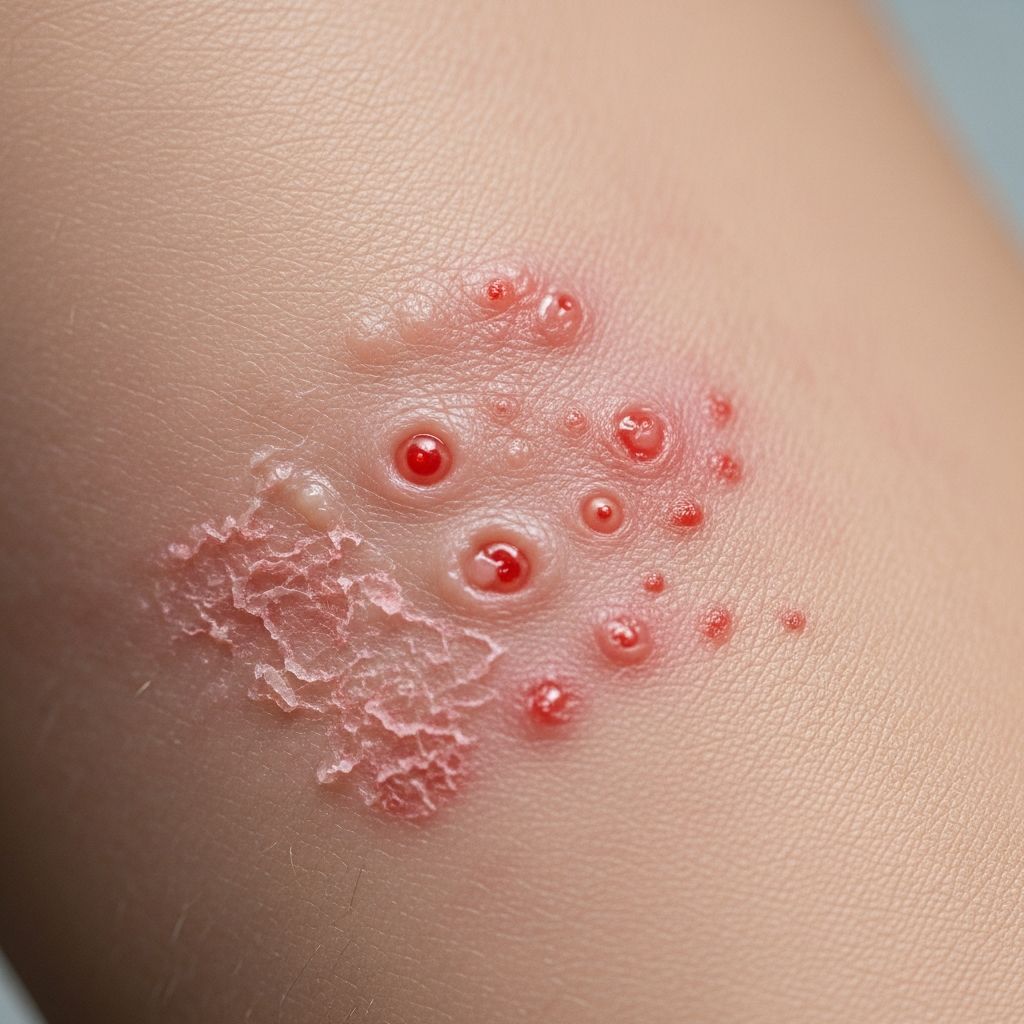
Understanding Rashes and Skin Inflammation
Rashes and skin inflammation are among the most common dermatological complaints, affecting millions of people worldwide. A rash is characterized by a change in skin color or texture, often accompanied by itching, burning, or discomfort. Skin inflammation occurs when the body’s immune system responds to irritants, allergens, infections, or internal factors, causing the affected area to become red, swollen, and potentially painful. Understanding the underlying causes and types of rashes is essential for proper management and treatment.
The skin serves as our body’s largest organ and primary barrier against environmental threats. When this barrier is compromised or when the immune system overreacts to certain triggers, inflammation and rashes develop. These conditions can range from mild and temporary to severe and chronic, significantly impacting quality of life.
Common Causes of Rashes and Skin Inflammation
Rashes and skin inflammation can develop for numerous reasons. Understanding these causes is the first step toward prevention and effective treatment.
Allergic Reactions
Allergic contact dermatitis is one of the most prevalent causes of rashes. This occurs when the skin comes into contact with a substance to which you are allergic or sensitive. Common allergens include poison ivy, poison oak, nickel jewelry, fragrances, certain cosmetics, and latex. Upon exposure, the immune system triggers an inflammatory response, resulting in redness, itching, and sometimes blistering. The rash typically appears within 24 to 48 hours of contact and can persist for several weeks if the irritant remains on the skin.
Irritant Contact Dermatitis
Unlike allergic reactions, irritant contact dermatitis results from direct damage to the skin caused by harsh chemicals or substances. This type can affect anyone exposed to sufficient concentrations of the irritant. Common culprits include strong soaps, detergents, acids, solvents, and even prolonged exposure to water. Healthcare workers, cleaning professionals, and people in manufacturing often experience this condition due to occupational exposure.
Bacterial and Fungal Infections
Bacterial infections such as those caused by Staphylococcus aureus can trigger significant skin inflammation. Research from Johns Hopkins has demonstrated that S. aureus produces toxins that induce proteins in skin cells, causing inflammatory responses. Fungal infections like athlete’s foot, ringworm, and candida overgrowth also produce characteristic rashes and inflammation. These infections thrive in warm, moist environments and can spread through direct contact or contaminated surfaces.
Viral Infections
Various viruses cause distinctive rashes and skin inflammation. Chickenpox presents with characteristic fluid-filled blisters, while measles produces a maculopapular rash that spreads from the face downward. Herpes simplex virus causes painful vesicular eruptions, and hand-foot-and-mouth disease affects these specific areas with small blisters and ulcers.
Inflammatory Skin Conditions
Chronic inflammatory conditions like atopic dermatitis (eczema) and psoriasis cause recurrent rashes and inflammation without infectious triggers. Atopic dermatitis results from a combination of genetic predisposition and immune system dysfunction, leading to persistent dry, itchy, inflamed skin. Psoriasis involves abnormal skin cell proliferation, creating thick, scaly plaques.
Systemic Diseases
Certain systemic conditions manifest as skin rashes. Lupus erythematosus characteristically produces a butterfly-shaped rash across the cheeks and nose. Rheumatoid arthritis may cause rheumatoid nodules and vasculitic rashes. Lyme disease presents with a distinctive bull’s-eye rash at the tick bite site. These conditions require systemic treatment beyond topical interventions.
Types of Rashes and Their Characteristics
Atopic Dermatitis
Atopic dermatitis, commonly known as eczema, is an allergic inflammatory condition that predominantly affects children but can persist into adulthood. The condition involves a genetic tendency toward allergies combined with immune system dysfunction. Affected individuals experience extremely dry, itchy skin with characteristic inflammation. Research indicates that 90 percent of eczema patients have exceptionally high numbers of S. aureus bacteria on their inflamed skin, suggesting a link between bacterial colonization and disease severity. The condition can lead to secondary infections if scratching damages the skin barrier.
Contact Dermatitis
Contact dermatitis presents as localized rashes at sites of contact with the triggering substance. Allergic contact dermatitis typically appears 24 to 48 hours after exposure and may spread beyond the initial contact area. Irritant contact dermatitis often appears immediately and is proportional to the concentration and duration of exposure. Both types present with varying degrees of redness, swelling, and itching, sometimes progressing to blistering in severe cases.
Psoriasis
Psoriasis manifests as well-demarcated plaques with silvery scales, typically on the elbows, knees, scalp, and lower back. The condition results from accelerated skin cell turnover and immune system dysfunction. Psoriatic rashes are usually chronic and may be triggered or worsened by stress, infections, or certain medications.
Urticaria (Hives)
Hives appear as raised, often itchy welts on the skin that may appear and disappear rapidly. These can result from allergic reactions, infections, medications, or physical triggers like heat or pressure. Acute urticaria typically resolves within hours to days, while chronic urticaria persists for six weeks or longer.
Recognizing Symptoms of Skin Inflammation
Skin inflammation manifests through several characteristic symptoms that alert individuals to seek medical evaluation:
– Redness and erythema at affected sites- Itching ranging from mild to severe- Swelling and edema- Heat sensation in inflamed areas- Vesicles, papules, or pustules depending on the condition- Scaling or crusting- Pain or tenderness- Oozing or drainage in cases of infection or severe inflammation
The severity and combination of symptoms depend on the underlying cause and individual susceptibility factors.
Diagnostic Approaches
Healthcare providers employ several diagnostic methods to identify the cause of rashes and skin inflammation. A thorough history including recent exposures, medications, family history of atopic conditions, and symptom progression provides valuable information. Physical examination reveals the distribution, morphology, and characteristics of the rash. Patch testing helps identify specific contact allergens by applying small amounts of suspected substances to the skin and observing reactions. Skin biopsy, where a small tissue sample is examined microscopically, confirms inflammatory conditions like lupus or helps distinguish between similar-appearing conditions. Bacterial or fungal cultures identify infectious organisms when appropriate.
Treatment Options for Rashes and Skin Inflammation
Topical Treatments
Topical corticosteroids remain first-line therapy for many inflammatory rashes. These medications reduce inflammation, itching, and redness when applied directly to affected areas. Potency varies from mild to ultra-potent, with selection based on the condition severity and location. Topical calcineurin inhibitors offer steroid-sparing alternatives, particularly useful for facial dermatitis or when prolonged steroid use is a concern.
Systemic Medications
Oral antihistamines provide relief from itching associated with allergic rashes and urticaria. Systemic corticosteroids control severe inflammation when topical treatments prove insufficient. For chronic conditions like moderate to severe atopic dermatitis unresponsive to conventional treatments, biologic agents targeting specific immune pathways have shown remarkable efficacy. These medications represent significant advances in dermatological therapy, offering patients previously unavailable treatment options.
Antimalarial Medications
Antimalarials like hydroxychloroquine (Plaquenil) treat cutaneous manifestations of lupus and certain inflammatory dermatoses by suppressing immune responses. These medications require regular monitoring but often provide sustained improvement.
Lifestyle and Environmental Modifications
Identifying and avoiding triggering substances remains paramount in managing rashes. For contact dermatitis, meticulous attention to avoiding known allergens or irritants prevents recurrence. Individuals should use fragrance-free, gentle cleansers and maintain appropriate skin hydration through emollients. Sun protection proves essential for photosensitive conditions and lupus-related rashes, requiring broad-spectrum sunscreen with SPF 70 or higher and protective clothing.
Management of Underlying Infections
Bacterial skin infections require appropriate antibiotic therapy, either topical for localized infections or systemic for more extensive involvement. Fungal infections respond to antifungal medications selected based on the organism type and infection location. Viral infections typically resolve with supportive care, though antivirals may benefit certain conditions like herpes simplex.
Prevention Strategies
Preventing rashes and skin inflammation involves multiple approaches. Primary prevention includes avoiding known allergens and irritants, practicing good hygiene to prevent infections, maintaining skin hydration, managing stress levels, and protecting skin from environmental damage. For individuals with atopic conditions, controlling dust mites, pets, and dietary triggers may reduce flare frequency. Sun protection through protective clothing and sunscreen prevents exacerbation of photosensitive conditions and helps prevent certain skin cancers.
When to Seek Medical Attention
While many minor rashes resolve spontaneously, certain situations warrant professional medical evaluation. Contact a healthcare provider if the rash is widespread, rapidly worsening, accompanied by systemic symptoms like fever or chills, involves the face or eyes, shows signs of infection such as pustules or drainage, persists beyond two weeks, or significantly interferes with daily activities or sleep. Severe allergic reactions causing angioedema or difficulty breathing require emergency medical attention.
Emerging Research and Future Treatments
Research continues to advance our understanding of rash pathophysiology and inflammation mechanisms. Recent studies have identified how specific bacteria interact with skin immune cells to trigger inflammation, offering targets for novel therapeutics. Emerging biologic agents targeting new inflammatory pathways show promise for severe, treatment-resistant conditions. Researchers continue exploring how genetic factors predispose individuals to inflammatory skin conditions, potentially enabling personalized prevention and treatment strategies in the future.
Frequently Asked Questions (FAQs)
Q: Are all rashes contagious?
A: No. While rashes from infections like chickenpox, measles, or ringworm are contagious, those from allergies, irritants, or chronic inflammatory conditions like psoriasis or eczema are not contagious. The contagiousness depends entirely on the underlying cause.
Q: How long does a typical rash last?
A: Duration varies significantly. Contact dermatitis typically lasts 2-4 weeks after exposure ends. Viral rashes may persist 7-14 days. Chronic conditions like psoriasis or eczema persist indefinitely without treatment. Acute urticaria usually resolves within 24 hours, while chronic urticaria can last months or years.
Q: Can stress cause rashes and skin inflammation?
A: Yes. Stress can trigger or exacerbate various skin conditions through immune system activation. Individuals with atopic dermatitis, psoriasis, and urticaria often experience flare-ups during stressful periods. Stress management techniques may help prevent or reduce the severity of these flares.
Q: What’s the difference between eczema and psoriasis?
A: While both are chronic inflammatory skin conditions, eczema typically presents as itchy, dry patches often starting in childhood, whereas psoriasis features well-demarcated plaques with silvery scales, usually appearing in adulthood. Their underlying immune mechanisms and treatment responses differ, requiring distinct therapeutic approaches.
Q: Are topical steroids safe for long-term use?
A: Mild to moderate strength topical steroids are generally safe for appropriate duration under medical guidance. However, prolonged use of potent steroids, especially on sensitive areas, can cause side effects including skin atrophy and systemic absorption. Your healthcare provider can recommend appropriate duration and strength for your specific condition.
Q: Can diet influence skin inflammation?
A: For some individuals, certain foods trigger allergic reactions or inflammatory responses. Those with atopic dermatitis may find that eliminating common allergens like eggs, dairy, or peanuts reduces flare frequency. However, dietary triggers are highly individual, and elimination diets should be undertaken with professional guidance.
References
- Eczema Inflammation Cause Research — Johns Hopkins Medicine. 2017-11-08. https://hub.jhu.edu/2017/11/08/eczema-inflammation-cause-research/
- Lupus-Specific Skin Disease and Skin Problems — Johns Hopkins Lupus Center. 2025. https://www.hopkinslupus.org/lupus-info/lupus-affects-body/skin-lupus/
- What is Eczema? — Johns Hopkins Aramco Healthcare. 2025. https://www.jhah.com/en/news-events/in-focus/what-is-eczema/
- UM School of Medicine Dermatology Researchers Discover New Skin Disease Using Innovative Diagnostic Platform — University of Maryland School of Medicine. 2025. https://www.medschool.umaryland.edu/news/2025/um-school-of-medicine-dermatology-researchers-discover-new-skin-disease-using-innovative-diagnostic-platform.html
- Atopic Dermatitis: Epidemiology, Pathophysiology, and Diagnosis — National Eczema Association. 2024. https://www.eczema.org/
- Dermatitis and Skin Conditions Information — American Academy of Dermatology Association. 2024. https://www.aad.org/
Similar Articles








Read full bio of medha deb