Raspberries Nutrition: Facts, Benefits, And 3 Easy Recipes
Discover the impressive nutrition facts, health benefits, and versatile ways to enjoy raspberries in your daily diet for optimal wellness.
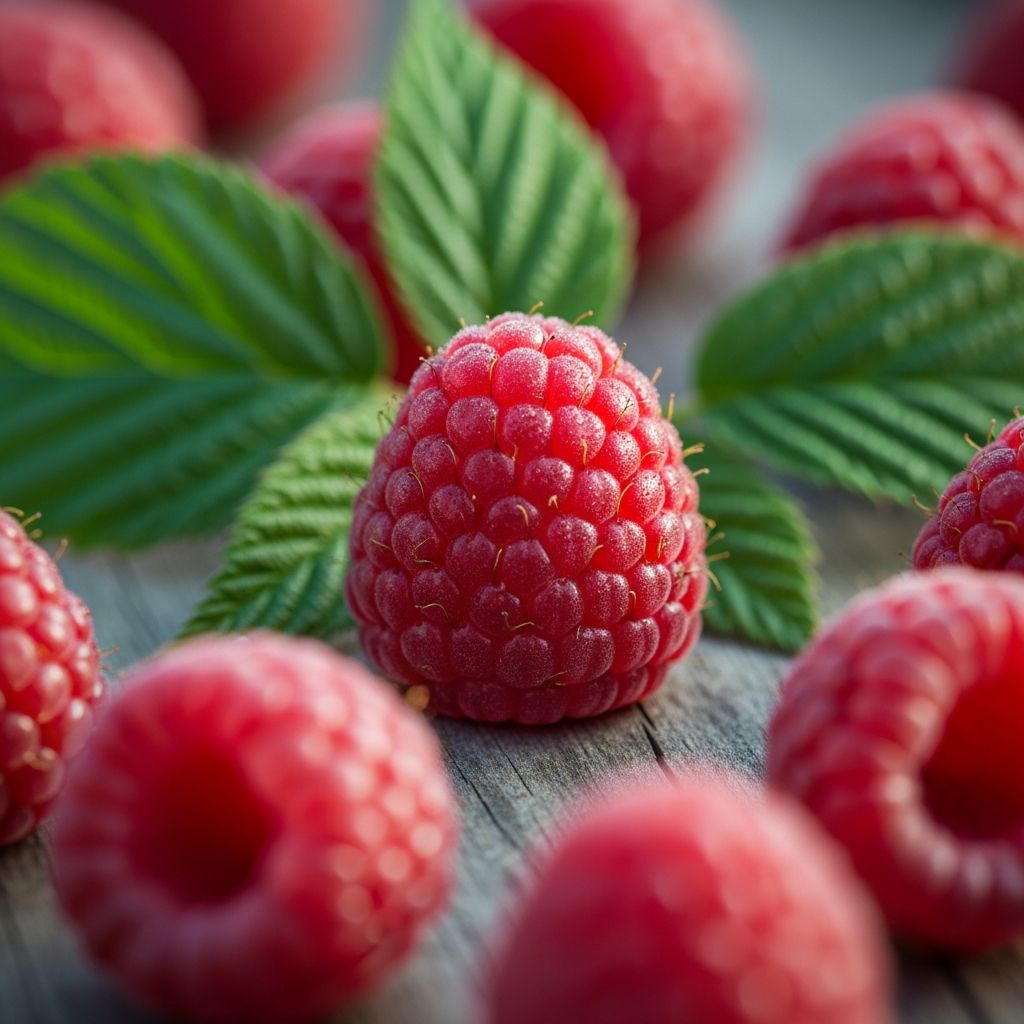
Raspberries are a delicious, nutrient-dense berry that offers a wealth of health benefits. Low in calories yet high in fiber, vitamins, and powerful antioxidants, these vibrant fruits support heart health, blood sugar control, and overall wellness. This article breaks down the nutrition facts, key bioactive compounds, proven benefits, and simple ways to incorporate raspberries into your diet.
Raspberries Nutrition Facts
One cup (about 123 grams) of raw raspberries provides an impressive nutritional profile while remaining low in calories. They are naturally low in sugar, fat, and sodium, making them ideal for weight management and balanced diets.
| Nutrient | Amount per 1 Cup (123g) | % Daily Value* |
|---|---|---|
| Calories | 64 | 3% |
| Total Carbohydrates | 14.7g | 5% |
| Dietary Fiber | 8g | 29% |
| Sugars | 5.4g | – |
| Protein | 1.5g | 3% |
| Vitamin C | 32.2mg | 36% |
| Manganese | 0.8mg | 35% |
| Vitamin K | 9.6mcg | 8% |
| Magnesium | 27.6mg | 7% |
| Potassium | 186mg | 4% |
| *Percent Daily Values are based on a 2,000-calorie diet. Source: USDA data via synthesized nutrition profiles. | ||
Raspberries stand out for their high
fiber
content—8 grams per cup, which is about 29% of the daily recommended intake. This soluble and insoluble fiber aids digestion, promotes satiety, and supports gut health. They also delivervitamin C
, essential for immune function and collagen production, andmanganese
, which supports metabolism and bone health.Health Benefits of Raspberries
Raspberries’ benefits stem from their rich array of polyphenols, including anthocyanins (responsible for their red color) and ellagitannins like sanguiin H-6. These compounds exhibit antioxidant, anti-inflammatory, and anti-cancer properties in studies.
Rich in Antioxidants
Raspberries combat oxidative stress with high levels of anthocyanins (~92 mg/100g) and ellagitannins. These neutralize free radicals, reducing cell damage linked to aging, inflammation, and chronic diseases. In vitro studies show reduced LDL oxidation, DNA damage, and ROS generation.
- Anthocyanins contribute ~25% of raspberries’ antioxidant capacity.
- Ellagitannins metabolize into urolithins, enhancing gut health and anti-inflammatory effects.
Supports Heart Health
The fiber, potassium, and polyphenols in raspberries lower cholesterol, blood pressure, and inflammation—key factors in cardiovascular disease. Animal studies demonstrate reduced oxidative stress and improved lipid profiles after raspberry consumption.
- High fiber binds bile acids, reducing LDL cholesterol.
- Anthocyanins improve endothelial function and vascular health.
Helps Manage Blood Sugar
With a low glycemic index due to high fiber and low carbs, raspberries prevent blood sugar spikes. Polyphenols inhibit enzymes like α-glucosidase and α-amylase, slowing starch digestion. Human trials show potential for postprandial glucose control, though more research is needed.
- In vitro: Ellagitannins block carb-digesting enzymes.
- Animal models: Reduced glycemia and improved insulin sensitivity.
Anti-Inflammatory Properties
Raspberries reduce markers of inflammation via polyphenols. Studies in cells and animals show decreased cytokine production and increased antioxidant enzymes like superoxide dismutase.
May Reduce Cancer Risk
Antioxidants like ellagic acid repair DNA damage and inhibit cancer cell proliferation in lab studies. Raspberries show promise against metabolically linked cancers, but human data is limited.
Related Stories



Promotes Healthy Aging and Skin
Vitamin C and antioxidants fight UV damage, boost collagen, and extend lifespan in animal models. They support skin elasticity and reduce wrinkles.
Supports Digestion and Weight Management
8g fiber per cup regulates bowel movements, feeds gut bacteria, and promotes fullness, aiding weight loss.
Potential Downsides of Raspberries
Raspberries are generally safe, but their natural oxalates may contribute to kidney stones in susceptible individuals if consumed excessively. Those with berry allergies should avoid them. Pesticide residues on non-organic berries can be minimized by washing thoroughly or choosing organic.
- **High fiber:** May cause digestive discomfort if introduced suddenly; start with small amounts.
- **Seeds:** Tiny seeds might irritate diverticulitis in rare cases.
Types of Raspberries
Beyond red raspberries (Rubus idaeus), varieties include:
- Black raspberries: Higher anthocyanins, deeper flavor.
- Purple raspberries: Hybrid of red and black, rich in antioxidants.
- Golden raspberries: Milder, yellow hue, similar nutrition.
All offer comparable benefits, with red being most studied.
How to Select Raspberries
Choose plump, firm berries with vibrant color and no mushiness. Avoid containers with mold or juice stains. Local, in-season raspberries (summer/fall) taste best and retain more nutrients.
- Organic preferred to reduce pesticides.
- Store in a single layer in the fridge for 2-3 days.
Raspberry Storage and Food Safety
Do not wash until ready to eat, as moisture speeds spoilage. Freeze extras on a baking sheet, then transfer to bags for year-round use—frozen retains nutrition.
- Fridge: 2-3 days in shallow container.
- Freezer: Up to 12 months.
- Safety: Rinse under cool water; discard moldy berries.
Easy Ways to Add Raspberries to Your Diet
Incorporate 1/2 to 1 cup daily for benefits without excess sugar.
- Breakfast: Top oatmeal, yogurt, or smoothies.
- Salads: Pair with greens, nuts, vinaigrette.
- Desserts: Blend into sorbet or chia pudding.
- Baking: Muffins, pancakes (use 50-100g per serving).
3 Raspberry Recipes to Try
Raspberry Smoothie Bowl
Ingredients (serves 1): 1 cup frozen raspberries, 1/2 banana, 1/2 cup Greek yogurt, 1/4 cup almond milk, toppings: granola, nuts.
- Blend base until smooth.
- Top with crunchies. 250 calories, high fiber.
Raspberry Chia Pudding
Ingredients (serves 2): 1 cup raspberries, 1/4 cup chia seeds, 1 cup almond milk, 1 tbsp honey.
- Mash berries, mix with chia and milk. Refrigerate overnight.
- Top with fresh raspberries. Overnight prep, gut-friendly.
Spinach Raspberry Salad
Ingredients (serves 2): 4 cups spinach, 1 cup raspberries, 1/4 cup feta, 1/4 cup walnuts, balsamic dressing.
- Toss all. Drizzle dressing. Heart-healthy, 15-min prep.
Frequently Asked Questions (FAQs)
Are frozen raspberries as nutritious as fresh?
Yes, frozen raspberries retain most vitamins, fiber, and antioxidants since they’re picked at peak ripeness.
Can raspberries help with weight loss?
Their high fiber and low calories promote satiety and steady blood sugar, supporting weight management.
Are raspberries keto-friendly?
Moderately; 5g net carbs per cup fits low-carb diets in small portions.
Do raspberries cause allergies?
Rare, but possible in those with oral allergy syndrome or salicylate sensitivity.
How many raspberries should I eat daily?
1 cup provides benefits without excess; adjust for dietary needs.
References
- Red Raspberries and Their Bioactive Polyphenols: Cardiometabolic and Neuronal Health Benefits — Burton-Freeman et al. Nutrients. 2016-01-04. https://pmc.ncbi.nlm.nih.gov/articles/PMC4717884/
- 5 Health Benefits of Raspberries — Cleveland Clinic. 2023-06-20. https://health.clevelandclinic.org/benefits-of-raspberries
- Raspberries 101: Nutrition Facts and Health Benefits — Healthline. 2024-07-15. https://www.healthline.com/nutrition/raspberry-nutrition
Similar Articles








Read full bio of Sneha Tete