Raw Honey Vs. Maple Syrup: Everything You Need To Know
Discover which natural sweetener—raw honey or maple syrup—offers superior nutrition, health benefits, and metabolic effects when compared head-to-head.
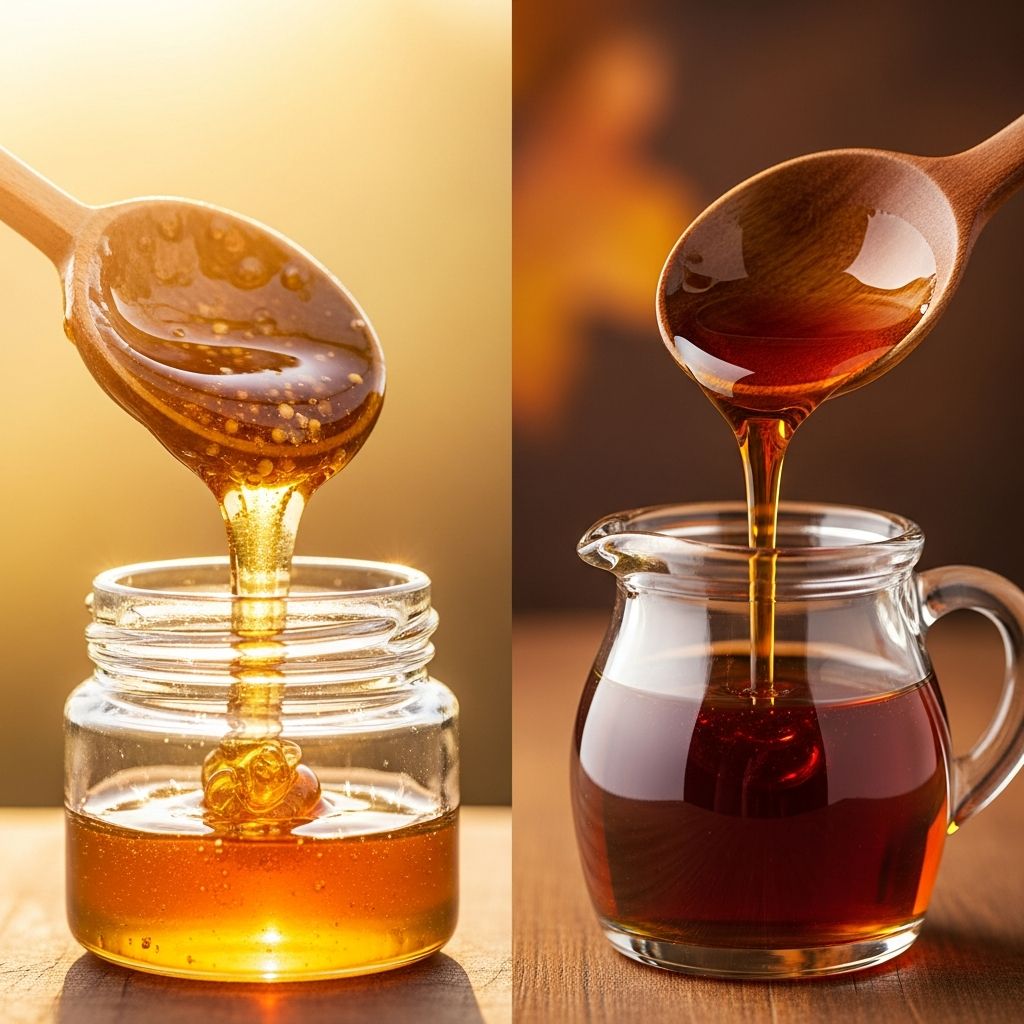
Raw honey and maple syrup are popular natural alternatives to refined sugar, offering unique nutritional profiles that may support better metabolic health when used in moderation. Both contain antioxidants, minerals, and compounds that potentially mitigate the downsides of sugar, but differences in composition, glycemic impact, and benefits make one more suitable depending on health goals.
What Is Raw Honey?
Raw honey is unprocessed nectar collected by bees from flowers, minimally filtered to retain enzymes, pollen, and antioxidants. Unlike pasteurized honey, raw varieties preserve bioactive compounds like flavonoids and polyphenols, which contribute to its therapeutic properties.
- Primarily composed of fructose (38-40%) and glucose (31-35%), with trace sucrose, water, and nutrients.
- Dark honeys, such as buckwheat, have higher antioxidant levels than lighter types.
- Historically used for wound healing due to antibacterial hydrogen peroxide and low water activity inhibiting bacterial growth.
What Is Maple Syrup?
Maple syrup is produced by boiling sap from maple trees, resulting in a concentrate rich in sucrose (about 60%) alongside water, over 100 polyphenols, and minerals like manganese and zinc. Its grade (e.g., Grade A Dark) indicates color and flavor intensity, with darker syrups boasting more antioxidants.
- Lower glycemic index (54) compared to sugar (65), potentially leading to gentler blood sugar rises.
- Contains phytohormone abscisic acid, which may enhance glucose uptake in cells independently of insulin.
- Naturally free of artificial additives when pure (100% maple syrup).
Raw Honey vs. Maple Syrup: Nutrition Comparison
Both sweeteners surpass refined sugar in nutrient density but differ in key areas. Per tablespoon (about 21g for honey, 20g for syrup):
| Nutrient | Raw Honey (1 tbsp) | Maple Syrup (1 tbsp) | Table Sugar (1 tbsp) |
|---|---|---|---|
| Calories | 64 | 52 | 49 |
| Total Carbs (g) | 17 | 13 | 13 |
| Sugars (g) | 17 | 12 | 13 |
| Antioxidants | High (flavonoids, enzymes) | High (polyphenols, lignans) | None |
| Minerals | Trace (potassium, iron) | Manganese (22% DV), zinc | None |
| Glycemic Index | 50-60 | 54 | 65 |
Data synthesized from USDA and research; both provide modest vitamins/minerals absent in refined sugar.
Glycemic Index and Blood Sugar Impact
Honey’s fructose dominance gives it a glycemic index (GI) of 50-60, often lower than sugar’s 65, reducing sharp glucose spikes. Maple syrup’s sucrose base yields a GI of 54, with polyphenols potentially improving glucose tolerance.
- Studies show honey elicits smaller insulin responses than sucrose in some trials.
- A human study replacing 5% calories with maple syrup improved glucose tolerance and reduced abdominal fat modestly over 8 weeks.
- Neither eliminates blood sugar rises; moderation (1-2 tsp/day) is key to avoid metabolic issues.
Health Benefits of Raw Honey
Raw honey’s antioxidants combat oxidative stress, with darker varieties richest in compounds inhibiting fat cell growth.
- Antimicrobial: Effective for wounds and cough suppression; used in WWI medicine.
- Metabolic support: May lower triglycerides, raise HDL cholesterol, and aid gut health via prebiotic oligosaccharides.
- Allergy relief: Local raw honey exposes to pollen, potentially reducing symptoms (anecdotal, limited evidence).
- Skin health: Hydrates, reduces inflammation when applied topically.
Related Stories



Health Benefits of Maple Syrup
Maple syrup’s 100+ polyphenols offer anti-inflammatory and anticancer potential in lab studies.
- Antioxidant power: Outperforms agave/corn syrup; protects cells from DNA damage.
- Metabolic edge: Abscisic acid promotes fat breakdown and insulin-independent glucose uptake; rat studies show lower insulin/glucose peaks vs. other syrups.
- Cancer protection: Compounds may inhibit tumor growth, safer than refined sugar.
- Skin and heart: Reduces inflammation; linked to better blood pressure in substitution trials.
Raw Honey vs. Maple Syrup: A Head-to-Head Comparison
| Category | Raw Honey Wins | Maple Syrup Wins | Tie |
|---|---|---|---|
| Antioxidants | Broader profile (enzymes, flavonoids) | Polyphenols, manganese | |
| GI/Blood Sugar | Slightly lower average GI | Better tolerance in studies | |
| Minerals | Higher (zinc, manganese) | Trace in both | |
| Applications | Wound healing, allergies | Glucose metabolism, cancer protection | |
| Calories/Serving | Lower |
Honey edges in versatility and raw bioactives; syrup in mineral content and specific metabolic polyphenols. Both superior to sugar.
Potential Downsides and Risks
Despite benefits, both are caloric sugars: overconsumption spikes blood sugar, promotes weight gain.
- Honey: Not for infants <1 year (botulism risk); high fructose may strain liver in excess.
- Maple syrup: Often processed; choose pure to avoid additives. Limited human data.
- Both: Fructose component linked to fatty liver if excessive; vegans avoid honey.
How to Use Raw Honey and Maple Syrup
Incorporate sparingly: 1-2 tsp/day max, per dietary guidelines.
- Honey: Tea, yogurt, marinades; raw in smoothies for enzymes.
- Syrup: Pancakes, glazes, baking; darker for bolder flavor/antioxidants.
- Substitution: Replace sugar 1:1 but reduce liquids in recipes.
Store honey at room temp; refrigerate opened syrup to prevent mold.
Which Is Healthier: Raw Honey or Maple Syrup?
No clear winner—both outperform refined sugar modestly. Choose raw honey for antimicrobial/antioxidant breadth; maple syrup for minerals and glucose regulation. Prioritize whole foods; use as occasional enhancers.
Frequently Asked Questions (FAQs)
What is the main difference between raw honey and regular honey?
Raw honey is unheated/unfiltered, retaining enzymes, pollen, and higher antioxidants; regular is pasteurized, reducing nutrients.
Is maple syrup better than honey for blood sugar?
Maple syrup may edge out due to polyphenols improving tolerance, but both have lower GI than sugar; individual responses vary.
Can raw honey help with allergies?
Local raw honey may desensitize to pollen, but evidence is anecdotal; consult a doctor.
Are there calories in natural sweeteners?
Yes, similar to sugar: honey ~64/tbsp, syrup ~52/tbsp; moderation essential.
Is maple syrup vegan?
Yes; honey is not, as it’s animal-derived.
References
- What’s Better for Metabolic Health? with Dr. Ben Bikman — YouTube (Dr. Ben Bikman). 2023. https://www.youtube.com/watch?v=xqAqnP4OTw0
- Nutritional, pharmacological, and sensory properties of maple syrup — PMC/NCBI (St-Pierre et al.). 2023-08-29. https://pmc.ncbi.nlm.nih.gov/articles/PMC10469071/
- Nutrition & The 9 Health Benefits of Maple Syrup — Maine Maple Producers. 2023. https://mainemapleproducers.com/nutrition-the-9-health-benefits-of-maple-syrup/
Similar Articles








Read full bio of medha deb