Raynaud Phenomenon: Causes, Symptoms, Diagnosis & Treatment
Comprehensive guide to Raynaud phenomenon: symptoms, causes, diagnosis, treatment, and management strategies for primary and secondary forms.
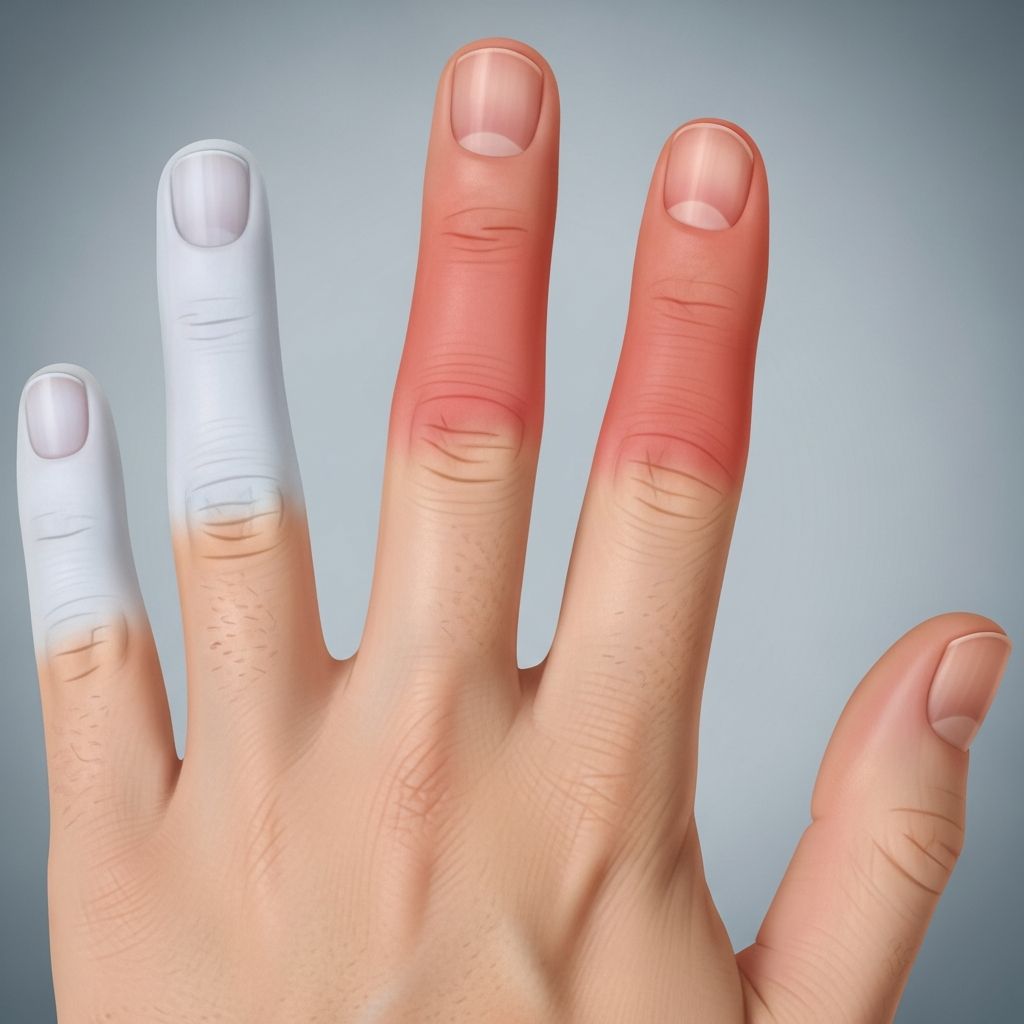
Raynaud phenomenon is a condition characterised by episodic vasospasm (narrowing of small arteries) of the fingers and toes in response to cold exposure or emotional stress. It typically presents with a characteristic colour change sequence—white, blue, then red—accompanied by numbness, tingling, or pain. This disorder affects blood circulation, primarily in the extremities, and can significantly impact quality of life if severe.
What is the cause of Raynaud phenomenon?
Raynaud phenomenon results from an exaggerated response of small arteries to triggers like cold temperatures or stress, leading to temporary reduced blood flow. The precise mechanism involves overactive sympathetic nervous system signals causing vasoconstriction. There are two main types: primary Raynaud phenomenon (idiopathic, also called Raynaud disease), which occurs without underlying disease, and secondary Raynaud phenomenon, associated with other conditions.
Primary Raynaud phenomenon is more common, affecting 3–5% of the population, often young women, and is generally benign. Secondary forms link to autoimmune diseases like systemic sclerosis (scleroderma), lupus, or Sjögren syndrome, occupational exposures (e.g., vibrating tools), medications (beta-blockers, migraine drugs), or smoking.
Who gets Raynaud phenomenon? (Epidemiology)
Raynaud phenomenon is prevalent worldwide, with primary forms affecting up to 10% in temperate climates. Women are disproportionately impacted (4–5 times more than men), typically starting between ages 15–30 for primary and later (30–50) for secondary cases. Risk factors include family history, cold climates, smoking, repetitive hand use, and autoimmune predisposition.
- Primary: Healthy individuals, often familial, no tissue damage.
- Secondary: 10–20% of cases; higher risk in connective tissue diseases (90% in scleroderma patients).
What are the clinical features of Raynaud phenomenon?
Attacks are triggered by cold, vibration, or emotional stress, lasting minutes to hours. The classic triphasic colour change includes:
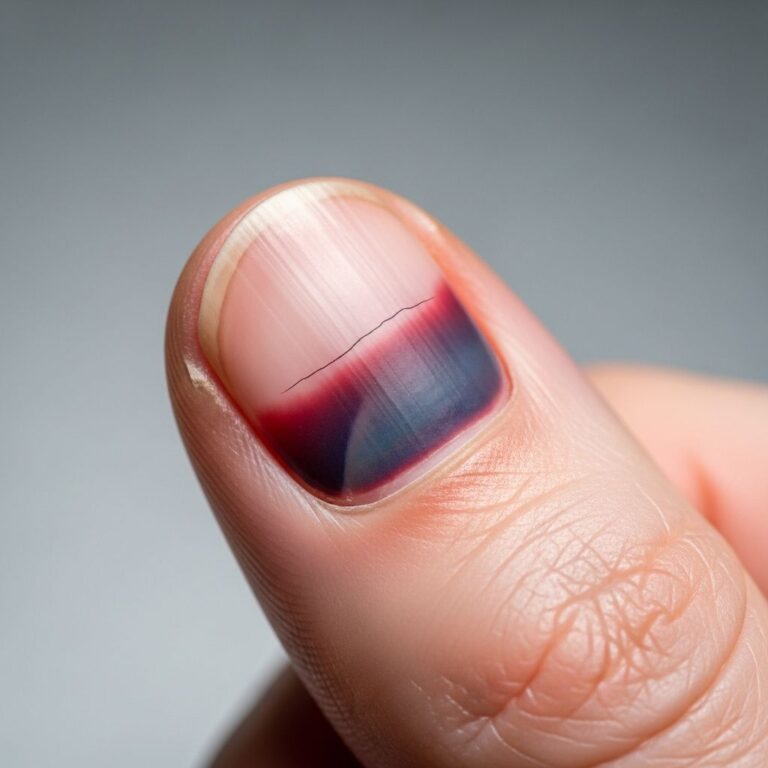
- Pallor (white): Due to arterial spasm and ischemia; fingers feel numb and cold.
- Cyanosis (blue): Venous stasis from prolonged ischemia; pins-and-needles sensation.
- Reactive hyperaemia (red): Blood flow return causes throbbing pain, warmth, and swelling.
Not all phases occur in every attack. Commonly affects fingers (index to little finger), then toes; rarely nose, ears, lips, or nipples. Primary cases resolve without sequelae, but secondary can lead to ulcers, pitting scars, or gangrene.
Diagnosis of Raynaud phenomenon
Diagnosis relies on clinical history of typical attacks, physical exam, and tests to differentiate primary from secondary forms. No single confirmatory test exists.
Clinical history and examination
Key questions: Frequency, triggers, colour changes, family history, smoking, occupational exposures. Exam checks for asymmetry, skin changes (ulcers, sclerodactyly), nailfold abnormalities.
Investigations
- Nailfold capillaroscopy: Gold standard; examines nailbed capillaries under microscopy. Normal in primary (regular loops); abnormal (dilated, avascular areas) in secondary, especially scleroderma.
- Blood tests: ANA (antinuclear antibody) for autoimmune screen; ESR/CRP for inflammation; TSH for thyroid; rheumatoid factor.
- Cold stimulation test: Fingers immersed in ice water; measures rewarming time (>20 min suggests Raynaud).
- Other: Echo, angiography if arterial occlusion suspected.
Related Stories



| Feature | Primary | Secondary |
|---|---|---|
| Onset age | <30 years | >30 years |
| Severity | Mild, symmetric | Severe, asymmetric |
| Nailfold capillaroscopy | Normal | Abnormal |
| Systemic symptoms | None | Present (e.g., joint pain) |
| Progression | No damage | Ulcers/gangrene |
Differential diagnosis
Conditions mimicking Raynaud include acrocyanosis (persistent blue discoloration without pallor), livedo reticularis (net-like pattern), perniosis (chilblains), frostbite, or emboli. Hyperventilation causes transient tingling without colour change; nerve compression (e.g., carpal tunnel) lacks triphasic changes.
| Symptom | Raynaud | Alternatives |
|---|---|---|
| Colour change | White-blue-red, episodic | Persistent blue (acrocyanosis) |
| Triggers | Cold/stress | Pressure (nerve entrapment) |
| Pain | Throbbing on rewarming | Burning (chilblains) |
What is the treatment for Raynaud phenomenon?
Management focuses on lifestyle, triggers avoidance, and medications for severe cases. Treat underlying causes in secondary forms.
General measures
- Keep warm: Layered clothing, gloves, heated insoles, avoid cold drinks.
- Lifestyle: Quit smoking, reduce caffeine, exercise, stress management (biofeedback).
- Protect skin: Moisturise, avoid trauma.
Medical treatment
- Calcium channel blockers: First-line (e.g., nifedipine); relax vessels, reduce attack frequency by 50–60%.
- Others: Losartan, fluoxetine (for primary), prostacyclin analogues (severe secondary), Botox injections.
- Surgery: Rare; sympathectomy for refractory cases.
Complications management
Digital ulcers: Aspirin, antibiotics if infected; severe ischaemia may require iloprost infusions.
Prevention of Raynaud phenomenon
Primary prevention is limited, but minimising triggers prevents attacks. Dress warmly, use hand warmers, avoid vasoconstrictors. Early secondary detection via screening in at-risk groups (e.g., ANA in family history) can halt progression.
Raynaud Phenomenon FAQs
Q: Is Raynaud phenomenon dangerous?
A: Primary is benign; secondary can lead to ulcers or gangrene if untreated. Seek care for persistent symptoms.
Q: Does Raynaud phenomenon affect toes only?
A: No, primarily fingers (90%), toes (40%), rarely ears/nose/lips/nipples.
Q: Can stress alone trigger Raynaud without cold?
A: Yes, emotional stress causes vasospasm independently.
Q: How is primary Raynaud diagnosed?
A: By history, normal capillaroscopy, negative blood tests.
Q: What lifestyle changes help most?
A: Smoking cessation, warmth, stress reduction.
References
- Raynaud’s Phenomenon: Diagnosis, Treatment, and Steps to Take — National Institute of Arthritis and Musculoskeletal and Skin Diseases (NIAMS). 2024. https://www.niams.nih.gov/health-topics/raynauds-phenomenon/diagnosis-treatment-and-steps-to-take
- Raynaud’s Syndrome — UCSF General Surgery. Accessed 2026. https://generalsurgery.ucsf.edu/condition/raynauds-syndrome
- Raynaud’s disease – Diagnosis and treatment — Mayo Clinic. 2024-11-16. https://www.mayoclinic.org/diseases-conditions/raynauds-disease/diagnosis-treatment/drc-20363572
- Raynaud’s — National Health Service (NHS). Accessed 2026. https://www.nhs.uk/conditions/raynauds/
- Raynaud’s Phenomenon — American College of Rheumatology. Accessed 2026. https://rheumatology.org/patients/raynauds-phenomenon
Similar Articles








Read full bio of Sneha Tete