Reactive Airways Dysfunction Syndrome: Causes, Treatment
Discover the causes, symptoms, diagnosis, and management of RADS, an asthma-like condition triggered by irritant exposure.
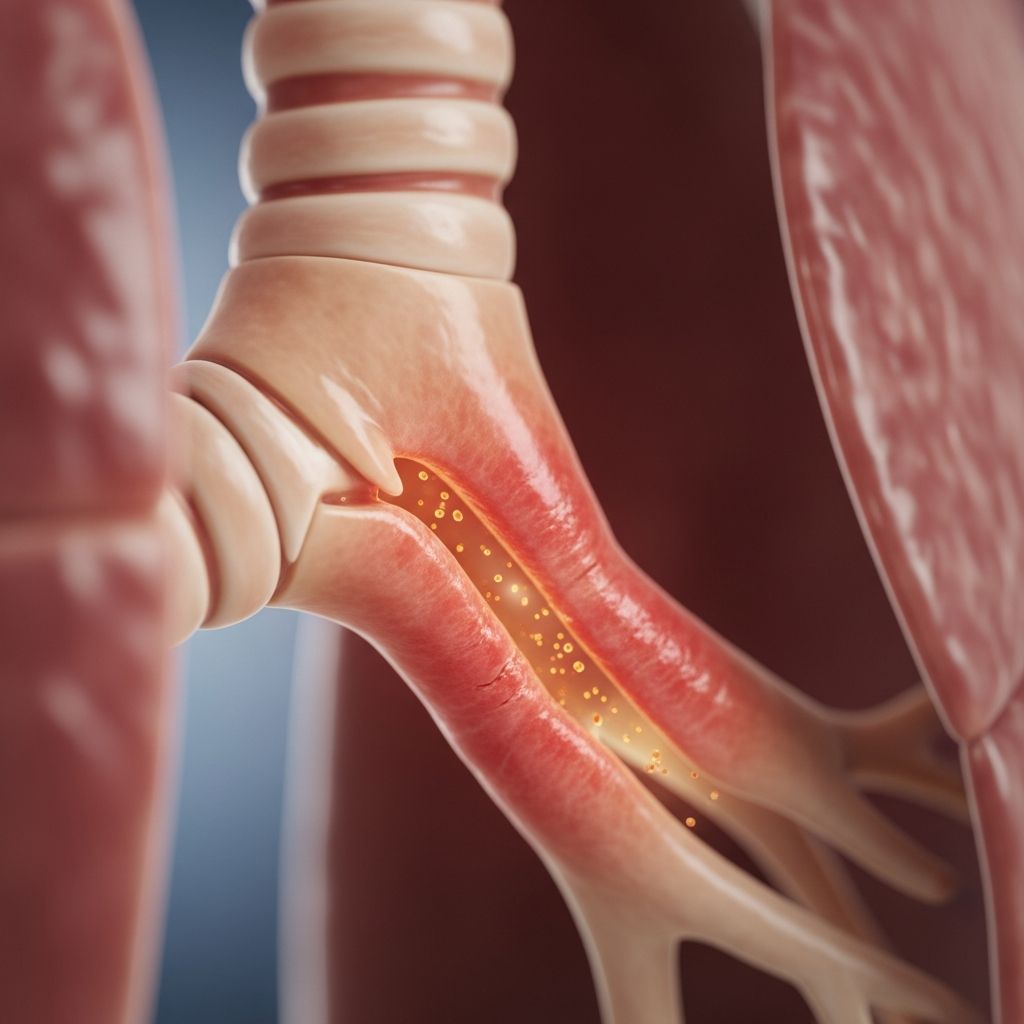
Reactive Airways Dysfunction Syndrome (RADS) represents a specific form of chemical-induced respiratory distress that mimics asthma but arises from acute exposure to potent irritants. This condition emerges rapidly following inhalation of high concentrations of gases, fumes, vapors, or smoke, leading to persistent airway inflammation and hyperreactivity. Unlike traditional asthma, which often involves allergic sensitization, RADS typically follows a single, intense exposure incident without prior respiratory history.
Defining RADS and Its Distinction from Related Conditions
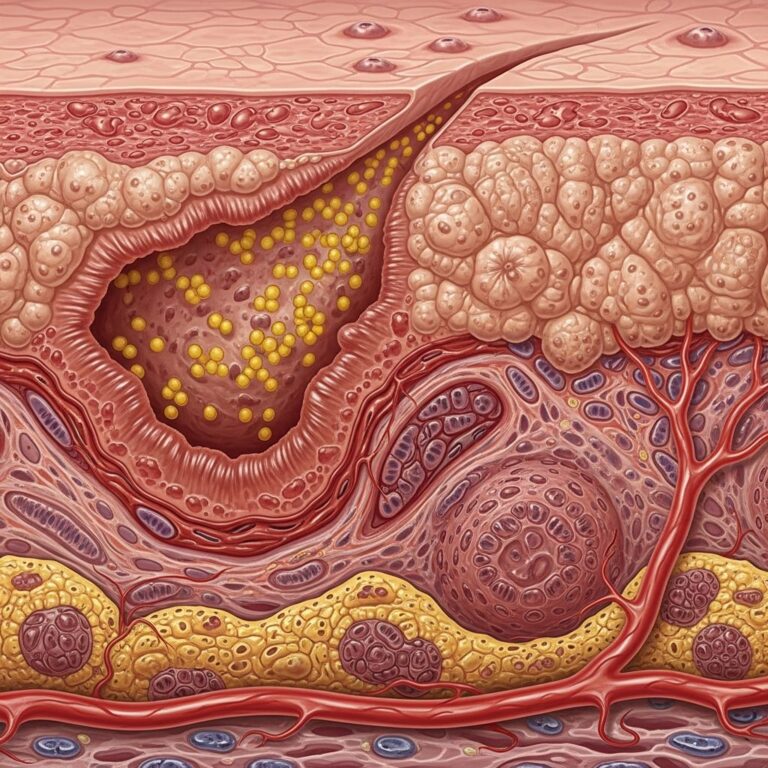
RADS is characterized by bronchoconstriction and inflammation triggered by irritants that provoke swelling and narrowing of the bronchial tubes. These irritants include chemicals, dusts, smokes, or vapors encountered in industrial accidents, fires, or spills. The syndrome’s hallmark is the absence of pre-existing lung complaints and symptom onset within 24 hours of exposure, persisting for at least three months.
Healthcare providers sometimes use the broader term “reactive airway disease” (RAD) as a provisional label for asthma-like symptoms when the precise cause remains unclear, particularly in young children too young for definitive testing. However, RADS is more narrowly defined, recognized by bodies like the American Thoracic Society for its distinct etiology involving a singular high-dose irritant event. Chronic RADS may evolve into persistent asthma, blurring lines with occupational asthma, which develops from repeated lower-level exposures.
Primary Causes and High-Risk Scenarios
The core trigger for RADS is a massive, one-time inhalation of airway-irritating substances. Common culprits encompass:
- Industrial chemicals like chlorine gas or ammonia from leaks or spills.
- Combustion products from fires, including smoke and acrid fumes.
- Vapors from solvents, acids, or pesticides in manufacturing or cleaning mishaps.
- Environmental hazards such as accidental releases in warehouses or laboratories.
Occupations with elevated risk include firefighting, chemical processing, painting, welding, and cleaning services, where protective gear failures amplify vulnerability. Anyone can develop RADS post-exposure, but those in enclosed spaces or without immediate escape face heightened danger.
Recognizing the Signs: Symptom Profile and Timeline
Symptoms manifest abruptly, often within minutes to 24 hours post-exposure, resembling acute asthma attacks but driven by non-allergic mechanisms. Key manifestations include:
- Coughing, persistent and dry or productive.
- Wheezing, a high-pitched whistling during exhalation.
- Shortness of breath and rapid breathing.
- Chest tightness or pressure sensation.
- Throat and nasal burning, sometimes with watering eyes or conjunctivitis.
- Less common: throat swelling, tachycardia, or severe dyspnea.
Initial severity varies from mild discomfort to life-threatening respiratory failure requiring hospitalization. While many cases resolve within months using treatment, up to a year or longer persistence occurs, potentially causing permanent airway remodeling.
Diagnostic Approaches for Accurate Identification
Related Stories



Diagnosing RADS demands excluding prior asthma or allergies and confirming exposure history. Clinicians follow criteria such as:
| Diagnostic Criterion | Description |
|---|---|
| No prior respiratory issues | Documented absence of wheezing, cough, or dyspnea before the event. |
| Single exposure event | High-concentration irritant gas, fume, or vapor incident. |
| Rapid onset | Symptoms within 24 hours, lasting ≥3 months. |
| Airway hyperreactivity | Methacholine challenge test showing bronchial sensitivity. |
Pulmonary function tests reveal reversible obstruction, while imaging or blood work rules out infections or other pathologies. Bronchoscopy may assess inflammation in severe cases. Debate persists on RADS as a unique entity versus asthma variant, but consensus supports its validity based on clinical patterns.
Treatment Strategies: From Acute Relief to Long-Term Control
Management mirrors asthma protocols, prioritizing bronchodilation, inflammation reduction, and trigger avoidance.
- Bronchodilators: Short-acting beta-agonists like albuterol for immediate relief of wheezing and tightness.
- Corticosteroids: Inhaled forms (e.g., budesonide) for moderate cases; oral or IV for severe inflammation.
- Supportive care: Oxygen therapy, monitoring in acute settings.
- Long-term: Step-down inhaled steroids if symptoms linger, with controller meds for chronicity.
Most patients improve significantly within weeks to months, though some require ongoing therapy for years.
Prevention Measures for At-Risk Individuals
Proactive steps mitigate RADS incidence:
- Personal protective equipment (PPE): Respirators, goggles in hazardous environments.
- Engineering controls: Ventilation systems, spill containment.
- Training: Emergency response drills for leaks or fires.
- Health surveillance: Pre-employment spirometry for high-risk jobs.
Post-exposure, immediate fresh air, decontamination, and medical evaluation prevent progression.
Long-Term Outlook and Potential Complications
Prognosis is favorable with prompt intervention; over 50% achieve full recovery within a year. Persistent cases risk chronic airway hyperresponsiveness, reclassified as irritant-induced asthma. Rarely, scarring leads to irreversible obstruction. Regular follow-ups track lung function and adjust therapies.
Frequently Asked Questions (FAQs)
What differentiates RADS from regular asthma?
RADS stems from a single high irritant dose without prior sensitization, unlike asthma’s often allergic, recurrent triggers.
Can RADS develop after minor exposures?
No, it requires very high concentrations; repeated low-levels suggest occupational asthma.
How long do RADS symptoms typically last?
From weeks to years, with most resolving in under 12 months via treatment.
Is RADS preventable in workplaces?
Yes, through PPE, ventilation, and safety protocols.
Who is most susceptible to RADS?
Workers in chemical, fire, or manufacturing sectors, regardless of prior health.
Navigating Life with RADS: Patient Tips
Beyond meds, lifestyle adjustments aid recovery: avoid secondary irritants like tobacco smoke, maintain humidity, exercise cautiously, and track symptoms via peak flow meters. Support groups and pulmonologist consultations enhance coping.
In summary, understanding RADS empowers early detection and intervention, transforming a potential crisis into manageable health maintenance. Consult specialists for personalized guidance.
References
- Understanding Reactive Airways Dysfunction Syndrome (RADS) — UMass Memorial Health. Accessed 2026. https://www.ummhealth.org/health-library/understanding-reactive-airways-dysfunction-syndrome-rads
- Reactive airways dysfunction syndrome — Healthify NZ. Accessed 2026. https://healthify.nz/health-a-z/r/reactive-airways-dysfunction-syndrome
- Reactive airways dysfunction syndrome — PubMed (NCBI). 1994-12-19. https://pubmed.ncbi.nlm.nih.gov/7820384/
- Reactive Airway Disease: Causes, Symptoms & Treatment — Cleveland Clinic. Accessed 2026. https://my.clevelandclinic.org/health/diseases/24661-reactive-airway-disease
- Proving Chemically Induced Asthma Symptoms: Reactive Airway Dysfunction Syndrome — Alexander Law. Accessed 2026. https://alexanderlaw.com/blog/proving-chemically-induced-asthma-symptoms-reactive-airway-dysfunction-syndrome-a-new-medical-development-2/
- Reactive Airway Disease in the Clinical Setting — Allergy Asthma Boston. 2018-09-26. https://www.allergyasthmaboston.com/new-blog/2018/9/26/reactive-airway-disease-in-the-clinical-setting
- Reactive Airway Disease Diagnosis & Treatment — UPMC. Accessed 2026. https://www.upmc.com/services/south-central-pa/allergy-asthma-immunology/asthma/reactive-airway-disease
- “Reactive Airways Disease” A Lazy Term of Uncertain Meaning — American Thoracic Society Journals. 2001. https://www.atsjournals.org/doi/full/10.1164/ajrccm.163.4.2005049
Similar Articles








Read full bio of medha deb