Reactive Arthropathy: 7 Infection Triggers & Treatment
Inflammation of joints triggered by distant infections: causes, symptoms, diagnosis, and management strategies.
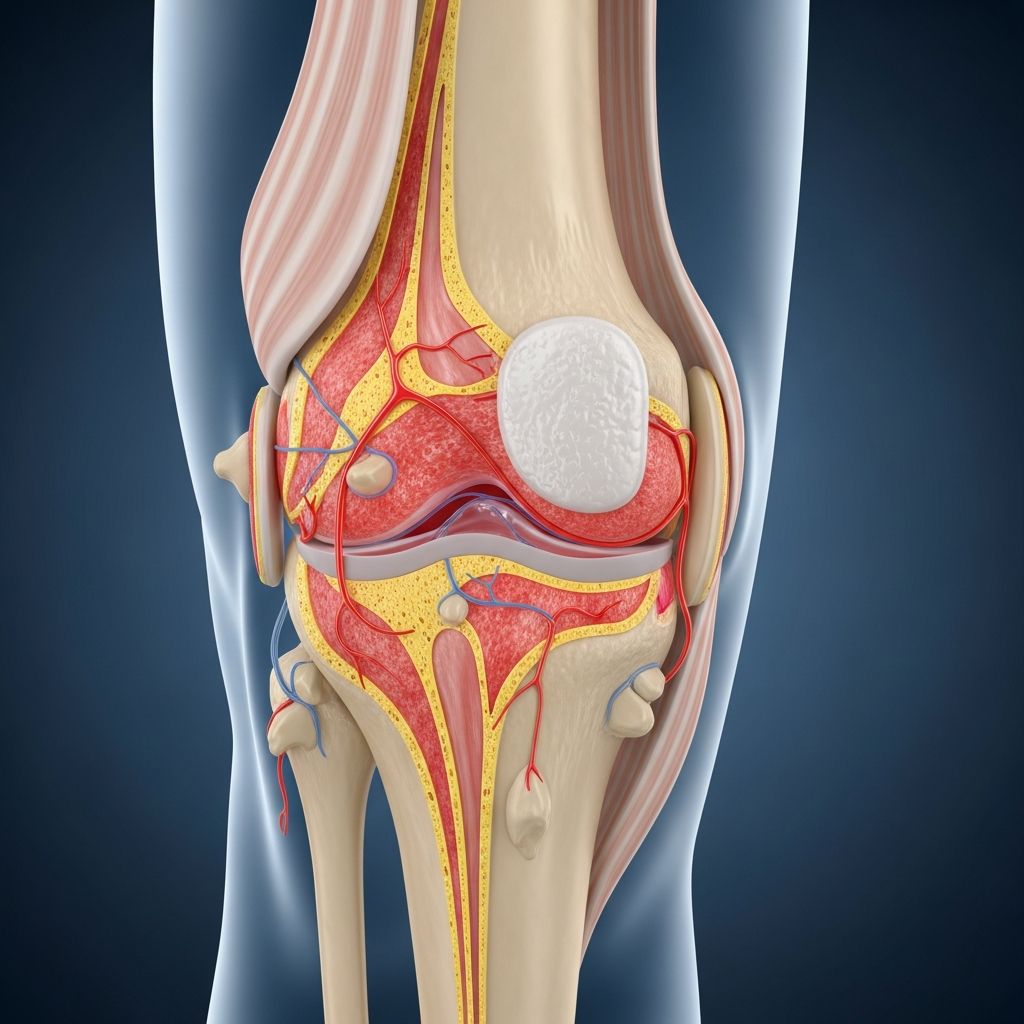
Reactive arthropathy, also known as reactive arthritis, describes the inflammation of joints following an infection usually involving the gastrointestinal or urogenital tracts. Symptoms of arthritis typically begin a few weeks after the initial infection and may persist for several months to a year. Microorganisms cannot be cultured from the joints, distinguishing this from septic arthritis, as the infection occurs elsewhere in the body.
Demographics
Reactive arthropathy predominantly affects young adults, particularly men aged 20–40 years, though it can occur in anyone. It is more common in individuals with the HLA-B27 genetic marker, which increases susceptibility to spondyloarthropathies. Men are at higher risk, especially following genitourinary infections like Chlamydia trachomatis, while both sexes are affected by gastrointestinal triggers. Incidence is estimated at 1–3% following triggering infections such as Salmonella or Shigella outbreaks.
Causes
Reactive arthropathy is triggered by bacterial infections distant from the joints, leading to an immune-mediated inflammatory response. Common causative organisms include:
- Gastrointestinal pathogens: Salmonella, Shigella, Campylobacter, Yersinia enterocolitica, and Clostridium difficile.
- Urogenital pathogens: Chlamydia trachomatis (most frequent sexually transmitted trigger) and occasionally Ureaplasma urealyticum.
The arthritis arises weeks after the infection resolves, due to cross-reactivity between bacterial antigens and joint tissues, often in genetically predisposed individuals (HLA-B27 positive). Rarely, respiratory infections like Streptococcus may trigger it. Unlike septic arthritis, synovial fluid cultures are sterile.
Clinical Features
The classic triad involves arthritis, urethritis, and conjunctivitis (formerly Reiter’s syndrome), but not all patients exhibit all features. Symptoms emerge 1–4 weeks post-infection.
Joint Involvement
Asymmetric oligoarthritis primarily affects lower limbs: knees, ankles, and feet. Enthesitis (inflammation at tendon insertions) causes heel pain (Achilles or plantar fasciitis). Dactylitis (‘sausage digits’) swells fingers or toes. Sacroiliitis or spondylitis may cause low back pain, worse in mornings.
Extra-Articular Manifestations
- Ocular: Conjunctivitis (bilateral, non-purulent), anterior uveitis (painful red eye, photophobia).
- Urogenital: Urethritis (dysuria, discharge), cervicitis, prostatitis.
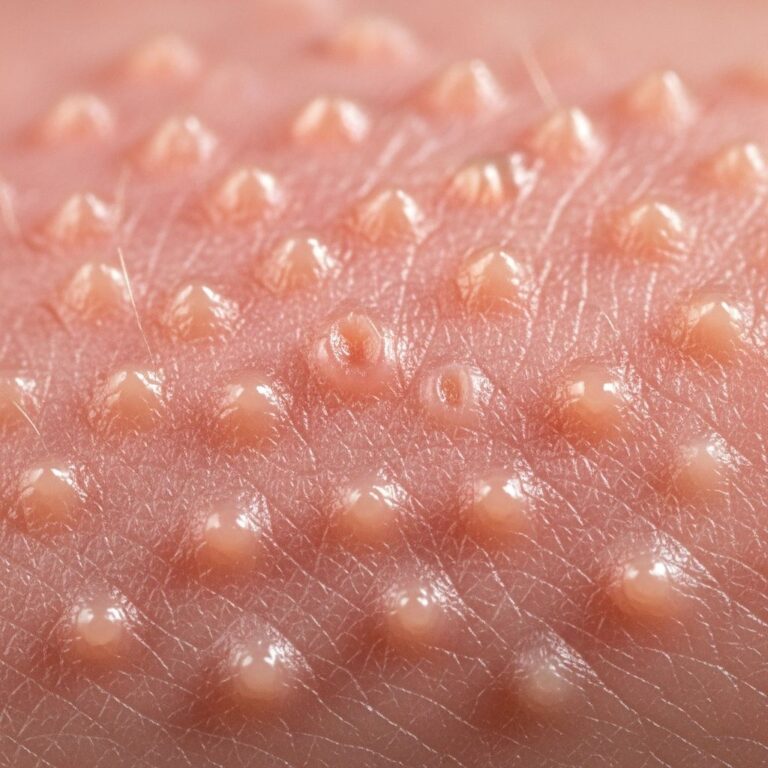
- Cutaneous: Keratoderma blenorrhagicum (hyperkeratotic pustules on palms/soles), circinate balanitis (painless penile ulcers), oral ulcers.
- Other: Fatigue, fever, weight loss in acute phase.
Skin lesions resemble psoriasis pustulosa and correlate with disease severity.
Diagnosis
Diagnosis is clinical, based on history of recent infection and typical features, as no single test is diagnostic. Key steps include:
- History and Examination: Recent diarrhea, dysentery, or urethritis; joint swelling, enthesitis, eye/skin signs.
- Laboratory Tests:
- Elevated ESR/CRP indicating inflammation.
- HLA-B27 testing (positive in 50–80% of chronic cases).
- Stool, urine, or urethral swabs for pathogens (PCR for Chlamydia).
- Synovial fluid analysis: inflammatory, sterile (negative Gram stain/culture).
- Imaging: X-rays for erosions or periostitis in chronic cases; MRI for enthesitis or sacroiliitis.
Diagnosis requires excluding septic arthritis, gout, or other spondyloarthropathies.
Related Stories



Differential Diagnoses
| Condition | Key Distinguishing Features |
|---|---|
| Septic Arthritis | Positive joint culture, fever, single joint, rapid onset. |
| Psoriatic Arthritis | Psoriasis history, nail dystrophy, symmetric involvement. |
| Ankylosing Spondylitis | Chronic back pain from young age, no infection trigger. |
| Gout | Monosodium urate crystals, hyperuricemia, podagra. |
| IBD-Associated Arthritis | GI symptoms precede arthritis, colonoscopy findings. |
Other considerations: rheumatoid arthritis (symmetric small joints), Lyme disease (tick exposure).
Treatment
Treatment targets symptoms and any persistent infection; no therapy shortens disease duration, but controls inflammation. Multidisciplinary approach involves rheumatologists, ophthalmologists, and dermatologists.
Antibiotics
Prescribed if active infection (e.g., Chlamydia, Salmonella). Effective for urogenital symptoms but do not alter arthritis course.
Symptomatic Relief
- NSAIDs: First-line for pain/swelling (ibuprofen, naproxen, indomethacin).
- Intra-articular Corticosteroids: For mono/oligoarthritis.
- Topicals: Steroid creams for skin, eye drops for conjunctivitis.
Second-Line Therapies
For persistent (>3–6 months) or severe disease:
- DMARDs: Sulfasalazine (first choice for peripheral arthritis), methotrexate.
- Biologics: TNF inhibitors (etanercept, adalimumab) for refractory cases or axial involvement.
- Systemic Corticosteroids: Short courses for severe extra-articular disease; avoid long-term.
Non-Pharmacological
Physical therapy for joint function, rest during flares, exercise for strength. Surgery rare, for joint destruction (e.g., arthroplasty).
Outcome
Most cases (70–90%) resolve within 3–12 months spontaneously. Chronic arthritis develops in 15–50%, especially HLA-B27 positive or with hip/axial involvement. Recurrent flares possible with reinfection; 20–30% progress to chronic spondyloarthropathy. Early treatment improves function and prevents erosions. Eye involvement needs prompt ophthalmology referral to avoid complications.
Frequently Asked Questions
What causes reactive arthropathy?
Bacterial infections like Chlamydia, Salmonella, or Shigella trigger an immune response causing sterile joint inflammation weeks later.
Is reactive arthropathy contagious?
No, the arthritis itself is not; treat the underlying infection to prevent spread.
How long does reactive arthropathy last?
Typically 3–12 months; chronic in minority.
Can reactive arthropathy affect eyes or skin?
Yes, conjunctivitis, uveitis, keratoderma blenorrhagicum, and balanitis are common.
What is the best treatment for reactive arthropathy?
NSAIDs first, then DMARDs or biologics for persistent symptoms; antibiotics if infection ongoing.
References
- Reactive Arthritis (formerly called Reiter’s Syndrome) — Hospital for Special Surgery. 2023. https://www.hss.edu/health-library/conditions-and-treatments/list/reactive-arthritis
- Reactive Arthritis: Diagnosis, Treatment, and Steps to Take — National Institute of Arthritis and Musculoskeletal and Skin Diseases (NIAMS). 2024-01-15. https://www.niams.nih.gov/health-topics/reactive-arthritis/diagnosis-treatment-and-steps-to-take
- Reactive Arthritis Information Booklet — Versus Arthritis. 2023-06. https://www.arthritis-uk.org/media/23099/reactive-arthritis-information-booklet.pdf
- Reactive Arthritis — University of Washington Orthopaedics. 2024. https://orthop.washington.edu/patient-care/articles/arthritis/reactive-arthritis.html
- Reactive Arthritis — American College of Rheumatology. 2024-05-20. https://rheumatology.org/patients/reactive-arthritis
- Reactive Arthritis (Reiter’s Syndrome) — Cleveland Clinic. 2024-02-10. https://my.clevelandclinic.org/health/diseases/reactive-arthritis-reiters-syndrome
- Reactive Arthropathy — DermNet NZ. 2025. https://dermnetnz.org/topics/reactive-arthropathy
Similar Articles








Read full bio of medha deb