5 Reasons Why Your Heartburn Medicine Isn’t Working
Discover why your GERD medication may be ineffective and what steps to take next.
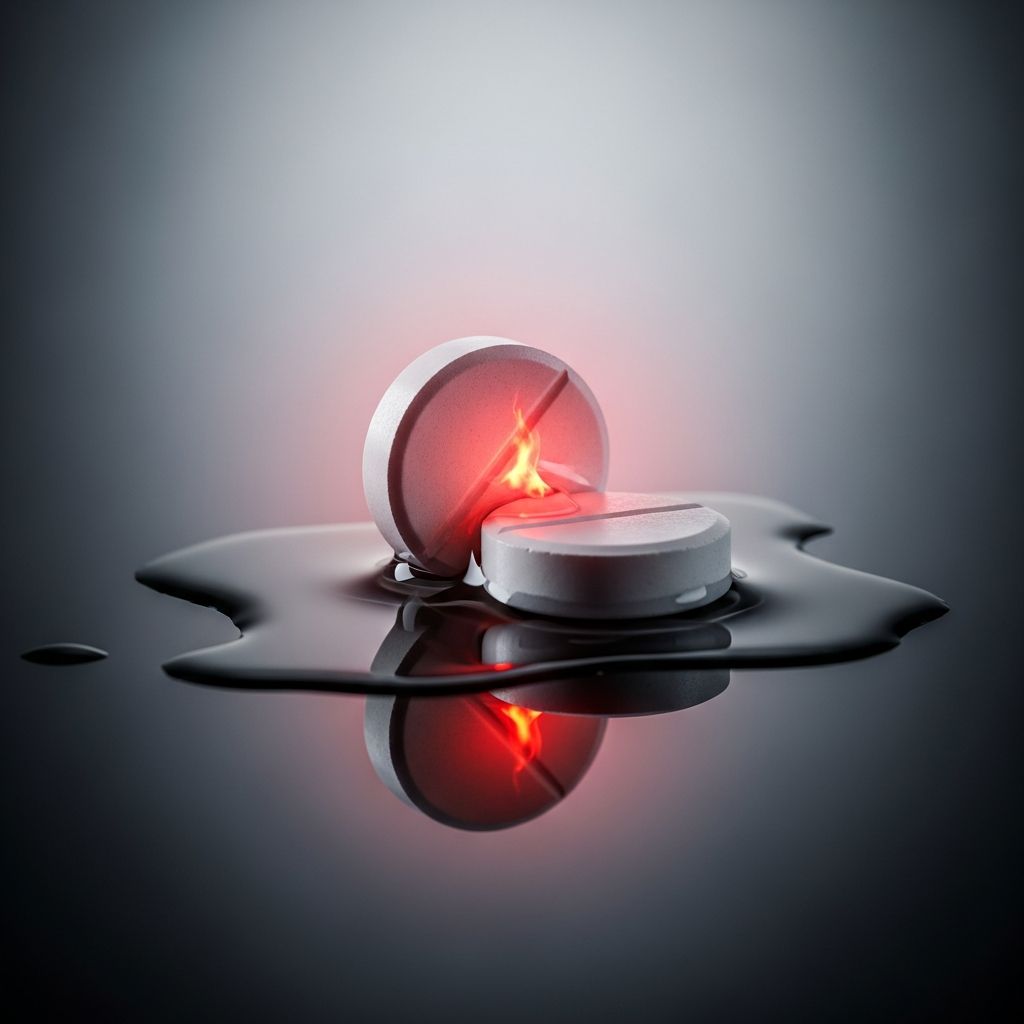
If you’re taking heartburn medication but still experiencing persistent symptoms, you’re not alone. Approximately 10% to 40% of patients with gastroesophageal reflux (GER) symptoms fail to respond to standard-dose proton pump inhibitors (PPIs), making refractory heartburn a common frustration for many sufferers. While PPIs are considered the gold standard treatment for acid reflux and are among the top-selling drugs in the United States, not everyone experiences relief from these medications. Understanding why your heartburn medicine may not be working is the first step toward finding an effective solution and reclaiming your quality of life.
Understanding Refractory GERD
Refractory GERD is defined as a failure to respond to a regular dose of PPI medication after four to eight weeks of treatment. When your acid reflux symptoms persist despite medication, it’s essential to understand that acid reflux may not be the sole cause of your symptoms. Modern testing techniques have revealed that approximately 35% of patients with PPI failure have an underlying pathology other than acid reflux. This discovery has shifted how healthcare providers approach treatment, moving beyond simple acid suppression to identify the root cause of persistent symptoms.
1. You’re Not Taking Your Medication Correctly
One of the most common reasons heartburn medication fails is improper use. Assessment of the method of administration of PPI is important because patients frequently perform it incorrectly. Many people don’t realize that how and when you take your medication significantly impacts its effectiveness.
Key considerations for proper PPI use include:
- Taking your PPI on an empty stomach, typically 30 to 60 minutes before your first meal of the day
- Swallowing tablets whole without crushing or chewing them
- Maintaining consistent timing each day to allow the medication to work optimally
- Not stopping medication prematurely, even if symptoms improve
- Being honest with your healthcare provider about how often you actually take your medication
Nonadherence to treatment is a significant factor in PPI failure. If you’ve been inconsistent with your medication schedule, returning to a strict regimen under your doctor’s guidance may provide the relief you’ve been seeking. Your gastroenterologist can also verify that you’re taking your medication correctly and make adjustments if needed.
2. Your Dosage May Be Inadequate
Not all heartburn medication dosages are created equal. While a standard dose of PPI works well for many people, some individuals require a higher dose for symptom control. The good news is that your doctor has options to optimize your treatment.
Dosage adjustment strategies include:
- Doubling the dose of your current PPI if you didn’t respond to once-daily dosing
- Switching to a different PPI medication
- Taking your medication twice daily instead of once daily
- Adding supplementary acid-reducing medications
Research shows that doubling the dose of PPI or switching to another PPI may be beneficial, although the evidence for these maneuvers is considered weak. According to specialists, approximately 80% of people who take one dose of PPI daily experience relief from heartburn, suggesting that for the remaining 20%, a different approach may be necessary. If your current regimen isn’t working after proper use for 8-12 weeks, scheduling an appointment with your gastroenterologist to discuss dosage modifications is crucial.
Related Stories



3. You Have a Functional Esophageal Disorder
Heartburn symptoms can stem from causes beyond simple acid reflux. Functional esophageal disorders are symptomatic conditions that aren’t caused by a known underlying disease or anatomical condition, and these conditions can complicate GERD treatment and explain why your medication isn’t working.
Common functional esophageal disorders include:
Functional Heartburn
Functional heartburn occurs when you experience GERD symptoms but without evidence of high acid levels in your esophagus. Patients with functional heartburn may have normal or near-normal acid exposure, yet they still experience chest pain or heartburn sensations. Since PPIs work by reducing stomach acid production, they provide little benefit for patients whose symptoms aren’t driven by acid.
Visceral Hypersensitivity
Some patients experience heightened sensitivity to normal acid levels. In fact, despite negative endoscopy and pH monitoring, approximately 30% of individuals who were chronically using antacids for heartburn experienced esophageal hypersensitivity to both acid and mechanical stimuli. These individuals may feel pain from acid exposure that wouldn’t bother others, meaning PPIs alone won’t resolve their symptoms.
Nonacid Reflux
Weakly acidic or nonacidic reflux occurs when the acidity of your esophagus is above the threshold for acid reflux, but you still have symptoms. Impedance testing of patients with nonerosive reflux disease (NERD) for possible underlying nonacid reflux has shown promise in diagnosing this condition, which PPIs cannot adequately treat.
Understanding whether your symptoms are truly acid-driven requires proper diagnostic testing, which your doctor may recommend if initial treatment fails.
4. You Have an Underlying Digestive Condition
Several underlying medical conditions can mimic GERD symptoms or occur alongside acid reflux, making your heartburn medicine seem ineffective. These conditions require different treatment approaches than simple acid suppression.
Conditions that may cause apparent PPI failure include:
- Chronic gastritis (stomach lining inflammation)
- Atrophic gastritis, usually caused by Helicobacter pylori infection
- Crohn’s disease
- Stomach ulcer
- Achalasia
- Esophageal stricture
- Eosinophilic esophagitis
- Plummer-Vinson syndrome
- Infections like candida or herpes simplex virus
Additionally, delayed stomach emptying may increase pressure in your stomach, which can increase your backflow of stomach acid. If your stomach isn’t emptying properly, reducing acid production won’t solve the underlying mechanical problem. Lower esophageal sphincter (LES) difficulties can also cause acid to leak into your esophagus, regardless of how much acid is present in your stomach.
A comprehensive diagnostic approach is essential to identify these conditions. About one-half of the time, doctors find that reflux is not the cause of the symptoms in patients who don’t respond to treatment, highlighting the importance of thorough investigation.
5. Your Medication Needs May Have Changed
Heartburn medicine that worked effectively for years may suddenly become less effective due to changes in your body or lifestyle. Several factors can alter how your medication works or how your digestive system responds to it.
Factors that may reduce PPI effectiveness include:
- Long-term PPI use affecting stomach acid production and bacterial balance
- Development of new underlying conditions
- Changes in diet or eating habits
- Increased stress levels affecting digestive function
- Medication interactions with other drugs you may have started taking
- Weight gain affecting esophageal function
- Smoking or alcohol consumption
- Pregnancy-related changes in digestive function
If your medication has stopped working after a period of effectiveness, it’s important to revisit your gastroenterologist for reassessment. Sometimes a simple lifestyle modification combined with your current medication can restore symptom control.
Next Steps When Your Heartburn Medicine Isn’t Working
Diagnostic Testing Options
If your PPI isn’t providing relief, your doctor will likely recommend diagnostic testing to understand why. Esophageal impedance testing may help clarify whether your symptoms are caused by acid reflux, nonacid reflux, or a non-reflux disorder. This test attaches an acid monitor temporarily to the inside of the esophagus and wirelessly sends the data to a recorder, providing valuable information about what’s actually happening in your esophagus.
Your healthcare provider may also recommend upper endoscopy to visualize your esophagus and stomach directly, or pH monitoring to measure acid exposure over a 24-hour period.
Alternative Medications
If PPIs don’t work, several alternative medication options may help. Your doctor may recommend H2 receptor antagonists, prokinetics (medications that help stomach emptying), potassium competitive acid blockers, GABA agonists, or alginates. Each medication works differently, so switching classes may provide the relief you need.
Surgical Intervention
For severe, refractory cases, surgery may be considered. Your doctor may recommend surgical options like fundoplication, which involves wrapping part of the stomach around the lower esophagus to strengthen the esophageal sphincter.
Frequently Asked Questions
Q: How long should I take a PPI before concluding it’s not working?
A: Initial response to PPI therapy should be assessed clinically after four to eight weeks. Failure to respond after this period is defined as refractory GERD. However, give your medication adequate time with proper use before switching approaches.
Q: Can stopping PPI suddenly cause worse heartburn?
A: Yes. Rebound acid secretion can occur when you stop taking PPIs, causing your body to produce more stomach acid than before treatment. This phenomenon is thought to occur due to elevations in the hormone gastrin. Always work with your doctor before stopping or changing PPI therapy.
Q: What should I do if my heartburn medicine stops working after years of success?
A: Schedule an appointment with your gastroenterologist. Your doctor can assess whether your medication needs adjustment, if a new underlying condition has developed, or if your diagnosis needs to be reconsidered. Don’t assume the medication has simply stopped working without professional evaluation.
Q: Is it normal for some people to not respond to heartburn medicine?
A: Yes. Approximately 10% to 40% of patients with GER symptoms fail to respond to standard-dose PPIs. If you’re among this group, it doesn’t mean you’re stuck with heartburn forever—it simply means you need a different approach to identify and treat the underlying cause.
Q: When should I see a gastroenterologist about my heartburn medication not working?
A: If you’re taking your heartburn medication correctly for 8-12 weeks and still experiencing significant symptoms, it’s time to see a gastroenterologist. A specialist can perform appropriate diagnostic testing and explore alternative treatment options tailored to your specific situation.
Key Takeaways
Heartburn medication that doesn’t work can be incredibly frustrating, but there are multiple reasons why this occurs and many potential solutions. The most common causes include improper medication use, inadequate dosing, functional esophageal disorders, underlying digestive conditions, and changing medication needs. Rather than accepting persistent heartburn as inevitable, work with your healthcare provider to identify the specific reason your medication isn’t effective. With proper diagnosis and individualized treatment planning, most people with refractory heartburn can find relief and improve their quality of life. Remember that not responding to PPIs doesn’t mean you’re out of options—it means your healthcare team needs to take a more comprehensive approach to understand and treat your unique situation.
References
- Gastroesophageal reflux symptoms not responding to proton pump inhibitors — National Center for Biotechnology Information (NCBI). 2014. https://pmc.ncbi.nlm.nih.gov/articles/PMC4072238/
- GERD Not Responding to PPIs: What It Could Mean, Next Steps — Healthline. 2023. https://www.healthline.com/health/gerd/gerd-not-responding-to-ppi
- What to Do if PPIs Aren’t Stopping Your Reflux Symptoms — Michigan Medicine, University of Michigan. 2024. https://www.michiganmedicine.org/health-lab/what-do-if-ppis-arent-stopping-your-reflux-symptoms
Similar Articles








Read full bio of medha deb