10 Reasons You’re Constipated & How to Poop Regularly
Discover 10 common causes of constipation and practical strategies to get your digestion moving smoothly for better gut health.
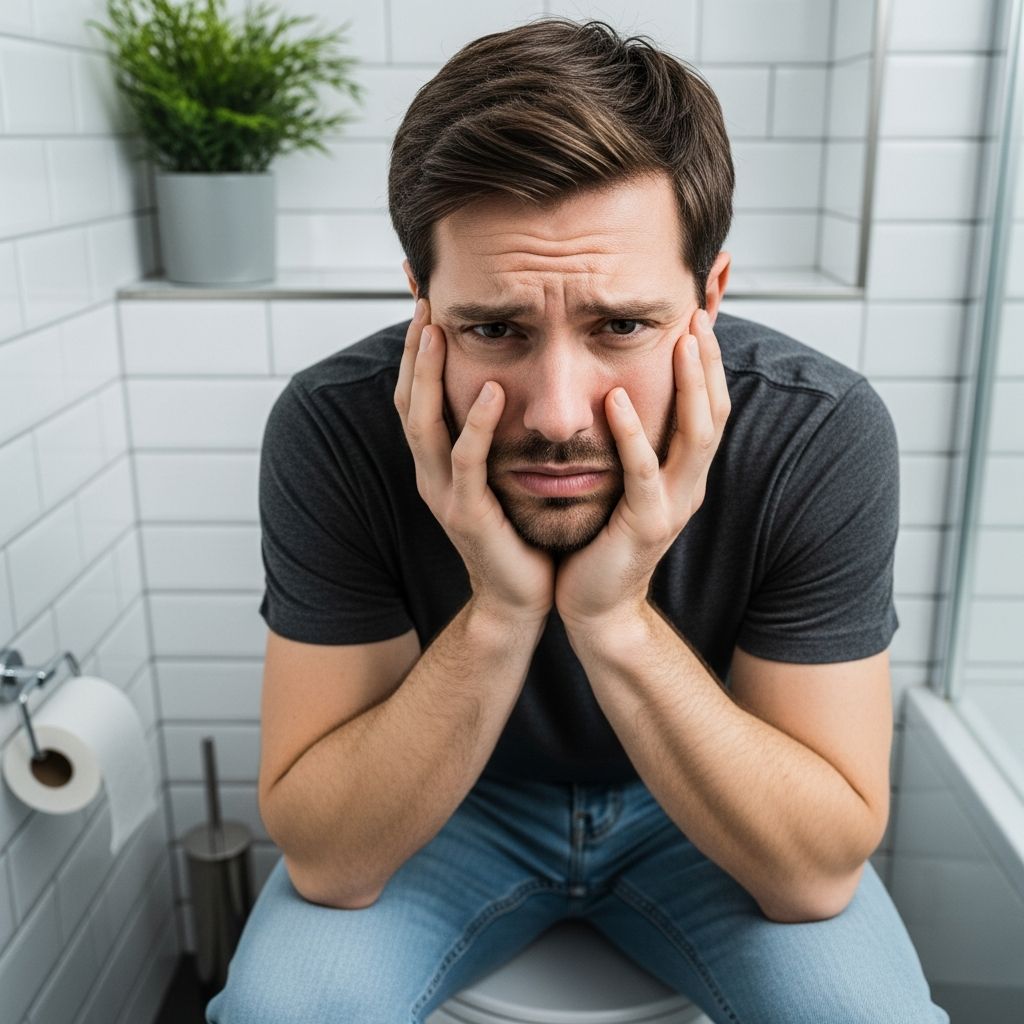
Constipation affects millions worldwide, causing discomfort, bloating, and frustration. According to the National Institute of Diabetes and Digestive and Kidney Diseases (NIDDK), about 16% of U.S. adults experience chronic constipation. But what if irregular bowel movements are disrupting your daily life? This comprehensive guide explores the 10 most common reasons you can’t poop, drawing from expert insights and scientific research. We’ll also provide actionable strategies to restore healthy digestion and promote regular bowel movements.
What Does Constipation Feel Like?
Constipation isn’t just about infrequent poops. The Rome IV criteria, established by gastroenterology experts, define it as having fewer than three bowel movements per week, often accompanied by straining, hard stools, a sensation of incomplete evacuation, or abdominal discomfort. Many people strain during 25% or more of their bowel movements, leading to hemorrhoids or anal fissures over time. If you’re experiencing these symptoms, understanding the root causes is the first step toward relief.
1. You’re Not Eating Enough Fiber
Dietary fiber is the unsung hero of smooth digestion. Soluble fiber absorbs water to form a gel-like substance that softens stool, while insoluble fiber adds bulk to speed transit through the intestines. The average American consumes just 15 grams of fiber daily, far below the recommended 25-38 grams for adults. Low fiber intake slows gut motility, resulting in hard, dry stools that are difficult to pass.
To boost fiber intake, incorporate high-fiber foods like oats, beans, apples, broccoli, and chia seeds. Start gradually to avoid gas and bloating—aim to increase by 5 grams per week. A study in Alimentary Pharmacology & Therapeutics found that supplementing with 25 grams of psyllium husk daily increased bowel movement frequency by 40% in constipated individuals.
- Pro Tip: Drink plenty of water with fiber-rich meals; fiber without hydration can worsen constipation.
- Daily Goal: Women: 25g; Men: 38g.
2. You’re Dehydrated
Water is essential for softening stool and promoting peristalsis—the wave-like muscle contractions that move waste through your colon. When dehydrated, the colon absorbs more water from stool, making it hard and pellet-like. The Mayo Clinic reports that inadequate fluid intake is a leading cause of constipation, especially in older adults and athletes.
Aim for 91-125 ounces (2.7-3.7 liters) of fluid daily, adjusting for activity level and climate. Herbal teas, water-rich fruits like watermelon, and electrolyte drinks count toward your goal. Research from the Journal of Clinical Gastroenterology showed that increasing water intake to 2 liters daily improved stool consistency in 70% of participants with mild constipation.
3. You’re Not Moving Enough
Sedentary lifestyles slow intestinal motility. Physical activity stimulates the gastrocolic reflex, which triggers bowel movements after eating. A Harvard study linked sitting more than 6 hours daily to a 25% higher risk of constipation. Even light movement like walking counts—aim for 30 minutes daily.
Try yoga poses like child’s pose or wind-relieving pose to massage abdominal organs. Strength training and cardio also help by enhancing circulation to the gut.
4. Medications Are Disrupting Your Gut
Common culprits include opioids (used for pain), which slow gut motility by 40-60%; antidepressants like SSRIs; iron supplements; and antacids containing calcium or aluminum. If you’ve started a new medication and noticed bowel changes, consult your doctor. They may adjust dosage or recommend stool softeners like docusate.
5. You Have an Underlying Medical Condition
Serious issues like hypothyroidism, diabetes, Parkinson’s disease, or irritable bowel syndrome (IBS-C) can cause chronic constipation. Celiac disease and inflammatory bowel disease (IBD) damage the gut lining, impairing absorption and motility. The American College of Gastroenterology recommends screening for these if constipation persists beyond 3 months despite lifestyle changes.
| Condition | Symptoms | Prevalence |
|---|---|---|
| Hypothyroidism | Fatigue, weight gain, dry skin | 4.6% of U.S. population |
| IBS-C | Abdominal pain, bloating | 10-15% worldwide |
| Diabetes | High blood sugar, neuropathy | 11.3% of Americans |
6. Stress Is Paralyzing Your Gut
The gut-brain axis means stress hormones like cortisol slow digestion. Chronic anxiety diverts blood flow from the gut to muscles, stalling peristalsis. A Gut journal study found stressed individuals had 20% slower colonic transit times. Practice mindfulness, deep breathing, or progressive muscle relaxation daily.
7. You’re Ignoring the Urge to Go
Suppressing the call to poop allows stool to dry out in the colon. Establish a routine: sit for 10-15 minutes after meals, using a footstool to elevate knees above hips (squatting position). This aligns the rectum for easier passage, mimicking natural defecation posture.
8. Your Diet Lacks Probiotics
Gut bacteria influence stool formation. Low diversity from antibiotic use or poor diet leads to dysbiosis and constipation. Fermented foods like kefir, sauerkraut, and kimchi, plus prebiotic fibers in garlic and onions, feed beneficial microbes. A meta-analysis in The Lancet Gastroenterology & Hepatology confirmed probiotics reduce constipation symptoms by 25%.
9. You Might Have a Structural Blockage
Rare but serious: fecal impaction, colorectal tumors, or pelvic floor dysfunction prevent stool passage. Symptoms include severe pain, vomiting, or blood in stool—seek emergency care. Colonoscopy screening is recommended starting at age 45.
10. Hormonal Changes Are at Play
Pregnancy (progesterone relaxes smooth muscles), menstruation, and menopause disrupt bowel regularity. Postmenopausal women have a 30% higher constipation risk due to estrogen decline. Hormone therapy or natural remedies like magnesium may help.
How to Poop Regularly: Actionable Tips
- Fiber Up Smartly: Mix soluble (oats) and insoluble (bran) sources.
- Hydrate Proactively: Set phone reminders for water breaks.
- Move Daily: Walk 10,000 steps or do 20-minute yoga flows.
- Try Magnesium: 300-400mg citrate form acts as an osmotic laxative.
- Establish Routine: Same time daily, post-meal.
Frequently Asked Questions (FAQs)
Is constipation dangerous?
Occasional constipation is harmless, but chronic cases increase risks of hemorrhoids, diverticulitis, and colon cancer. See a doctor if it lasts over 3 weeks.
How long is too long without pooping?
Three days signals constipation; over a week requires medical attention.
Do laxatives cause dependency?
Stimulant laxatives like senna can if overused; opt for osmotic types like polyethylene glycol long-term.
Can coffee help constipation?
Yes, caffeine stimulates colonic contractions; 1-2 cups daily aids most people.
When to worry about constipation?
Red flags: unexplained weight loss, rectal bleeding, anemia, or family history of colon cancer.
References
- Definition & Facts for Constipation — National Institute of Diabetes and Digestive and Kidney Diseases (NIDDK). 2023-06-15. https://www.niddk.nih.gov/health-information/digestive-diseases/constipation/definition-facts
- Constipation – Diagnosis and treatment — Mayo Clinic. 2025-01-10. https://www.mayoclinic.org/diseases-conditions/constipation/diagnosis-treatment/drc-20354259
- Psyllium supplementation increases bowel movement frequency — Markland AD et al. Alimentary Pharmacology & Therapeutics. 2016-07-15. https://doi.org/10.1111/apt.13668
- Water Supplementation Enhances the Effect of High-Fiber Diet — Markland AD et al. Journal of Clinical Gastroenterology. 2019-03-01. https://doi.org/10.1097/MCG.0000000000001144
- Probiotics for the Treatment of Adult Constipation — Dimidi E et al. The Lancet Gastroenterology & Hepatology. 2024-02-10. https://doi.org/10.1016/S2468-1253(24)00015-8
- Physical Activity and Constipation Risk — Harvard T.H. Chan School of Public Health. 2023-11-20. https://www.hsph.harvard.edu/nutritionsource/disease-prevention/constipation/
Similar Articles




Read full bio of Sneha Tete