Reboxetine Tablets (Edronax): Dosage, Side Effects & FAQs
Comprehensive guide to Reboxetine (Edronax) for treating depression: uses, dosage, side effects, and patient advice.
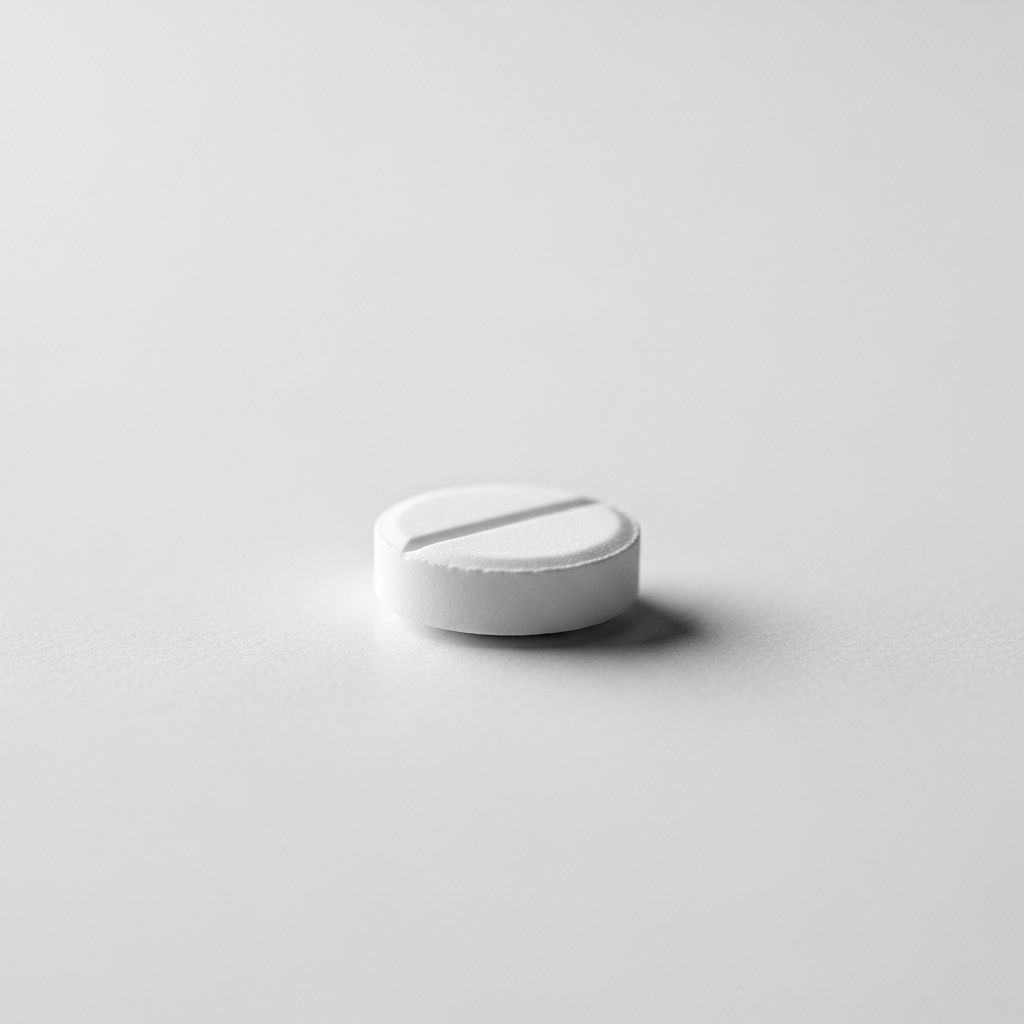
Reboxetine, sold under the brand name Edronax, is a selective noradrenaline reuptake inhibitor (NARI) indicated for the acute treatment of major depressive illness and maintenance of clinical improvement in responders. It works by selectively inhibiting noradrenaline reuptake, increasing synaptic noradrenaline levels without significantly affecting serotonin or dopamine.
About Reboxetine Tablets
Edronax tablets contain reboxetine mesilate equivalent to 2 mg or 4 mg of reboxetine free base. This medication is designed for oral administration and is particularly useful for patients experiencing depressive illness where enhanced noradrenergic activity is beneficial. Unlike many antidepressants, reboxetine has minimal impact on cardiovascular, anticholinergic, or sedative systems due to its high selectivity.
The drug’s mechanism involves potent inhibition of the noradrenaline transporter, leading to increased availability of noradrenaline in the synaptic cleft. This action is associated with improvements in mood, social adaptation, and quality of life. Clinical effects typically onset after about 14 days of treatment. In healthy volunteers, doses of 1-3 mg produce dose-dependent CNS effects, including EEG changes and improved performance in cognitive tasks.
Reboxetine is approved in numerous countries for major depressive disorder but is not available in the United States. It has been studied for off-label uses like panic disorder and ADHD, though evidence is limited.
Key Facts
- Medicine name: Reboxetine (Edronax)
- Used for: Symptomatic treatment of depressive illness/major depression
- Dose: Usually 4 mg to 8 mg daily
- Available as: Tablets
About Depression
Depression, or major depressive disorder, is a common mental health condition characterized by persistent sadness, loss of interest, fatigue, sleep disturbances, and impaired daily functioning. It affects quality of life, social adaptation, and increases suicide risk. Antidepressants like reboxetine target neurotransmitter imbalances, particularly noradrenaline, to alleviate symptoms. Effective treatment often requires 2-4 weeks for noticeable improvement, with full benefits after several weeks. Maintenance therapy prevents relapse.
How Reboxetine Works
Reboxetine is a
highly selective and potent inhibitor of noradrenaline reuptake
, with weak effects on serotonin (5-HT) reuptake and no impact on dopamine uptake. By blocking the noradrenaline transporter (NET), it elevates extracellular noradrenaline levels, enhancing neurotransmission in brain regions involved in mood regulation.This selectivity avoids many side effects of tricyclic antidepressants. It does not bind significantly to alpha-1, alpha-2 adrenergic, histaminergic, or cholinergic receptors, reducing risks of orthostasis, sedation, or dry mouth. Acute administration increases synaptic noradrenaline, followed by downregulation of beta- and alpha-2 receptors, boosting postsynaptic responsiveness. Pharmacokinetics show a 13-hour half-life, steady-state in 5 days, and linearity in clinical doses. Exposure doubles in renal/hepatic impairment or elderly patients.
Before Taking Reboxetine Tablets
Consult a healthcare professional before starting. Reboxetine is contraindicated in hypersensitivity to reboxetine or excipients.
Do Not Take If:
- You are allergic to reboxetine or any ingredients
- You are taking MAO inhibitors (discontinue 2 weeks prior)
Related Stories



Caution In:
- Epilepsy or seizure history (discontinue if seizures occur)
- Bipolar disorder (may trigger mania)
- Glaucoma, prostate hypertrophy, or urinary retention
- Cardiovascular disease (monitor heart rate/BP)
- Renal/hepatic impairment (dose adjustment may be needed)
- Elderly patients (increased exposure)
Pregnancy/breastfeeding: Limited data; use only if benefit outweighs risk. Not recommended during breastfeeding.
How to Take Reboxetine Tablets
Swallow tablets whole with water, with or without food. The full therapeutic dose can start immediately.
| Patient Group | Starting Dose | Maintenance Dose | Max Dose |
|---|---|---|---|
| Adults | 4 mg/day (2 mg twice daily) | 8-10 mg/day | 12 mg/day |
| Incomplete response after 3-4 weeks | – | Increase to 10 mg/day | 12 mg/day |
| Elderly/Renal-Hepatic Impairment | Lower dose | Adjust based on response | Avoid high doses |
Continue as prescribed, even if feeling better. Do not stop abruptly to avoid withdrawal. Onset: 2-4 weeks.
Common Questions About Reboxetine
- How long until it works? Typically 2-4 weeks for initial effects.
- Can I drink alcohol? Avoid; increases dizziness/sedation.
- Missed dose? Take ASAP unless near next; do not double.
- Overdose? Seek immediate help; monitor cardiac/vitals.
Side Effects of Reboxetine Tablets
About 80% of patients report adverse events (vs. 70% placebo); 9% discontinue. Most are mild/moderate, often transient, especially insomnia and sweating.
Common Side Effects (>1/10)
- Insomnia
- Sweating
- Dizziness
- Dry mouth
- Constipation
Serious Side Effects (Seek Help)
- Seizures
- Serotonin syndrome (agitation, tremor, hyperreflexia) with serotonergics
- Mania/hypomania
- Suicidal thoughts (monitor closely, especially youth)
- Hypertension/tachycardia
- Glaucoma exacerbation
Long-term: Similar profile; new events in 28% (vs. 23% placebo).
Interactions
Reboxetine is metabolized by CYP3A4; avoid strong inhibitors (ketoconazole, erythromycin, fluvoxamine) as they double exposure. Inducers (carbamazepine) lower levels. No CYP2D6 issues.
- MAOIs: Wait 2 weeks
- Serotonergics: Monitor for serotonin syndrome
- Metoprolol: Increased exposure
- Alcohol/ergotamines: Enhanced effects
Important Information
- Monitor for worsening depression/suicidality, especially early
- May impair driving; caution with machinery
- Store below 25°C
- Keep out of reach of children
Frequently Asked Questions (FAQs)
Q: What is Reboxetine used for?
A: Primarily for major depression treatment and relapse prevention.
Q: How do you take Edronax?
A: Orally, 4-8 mg daily in divided doses; full dose from day 1.
Q: Does Reboxetine cause weight gain?
A: Less likely than other antidepressants; common issues are insomnia/sweating.
Q: Can I stop suddenly?
A: No; taper to avoid withdrawal symptoms.
Q: Is it safe in pregnancy?
A: Limited data; consult doctor.
References
- EDRONAX tablets – Medsafe Datasheet — Medsafe, New Zealand Government. 2023. https://www.medsafe.govt.nz/profs/datasheet/e/Edronaxtab.pdf
- Edronax 4mg Tablets – Summary of Product Characteristics (SmPC) — MHRA, medicines.org.uk. 2024-10-01. https://www.medicines.org.uk/emc/product/1578/smpc
- Reboxetine – MentalHealth.com — MentalHealth.com. 2024. https://www.mentalhealth.com/library/reboxetine-uses-dosage-side-effects
- Edronax® 4 mg tablets – HPRA — Health Products Regulatory Authority, Ireland. 2023. https://assets.hpra.ie/products/Human/21922/ed6556e8-27fc-4316-b6e4-dddc3c77bcfa.pdf
- Reboxetine (Edronax): The Most Controversial Antidepressant — HealthCentral. 2023. https://www.healthcentral.com/condition/depression/reboxetine-edronax
- Reboxetine – Wikipedia (for background) — Wikipedia. 2025. https://en.wikipedia.org/wiki/Reboxetine
Similar Articles








Read full bio of Sneha Tete