Gut-Healthy Dinner Recipes: 16 Low-Calorie, High-Fiber Meals
Delicious dinners packed with prebiotics, probiotics and fiber to nourish your gut microbiome and support overall wellness.
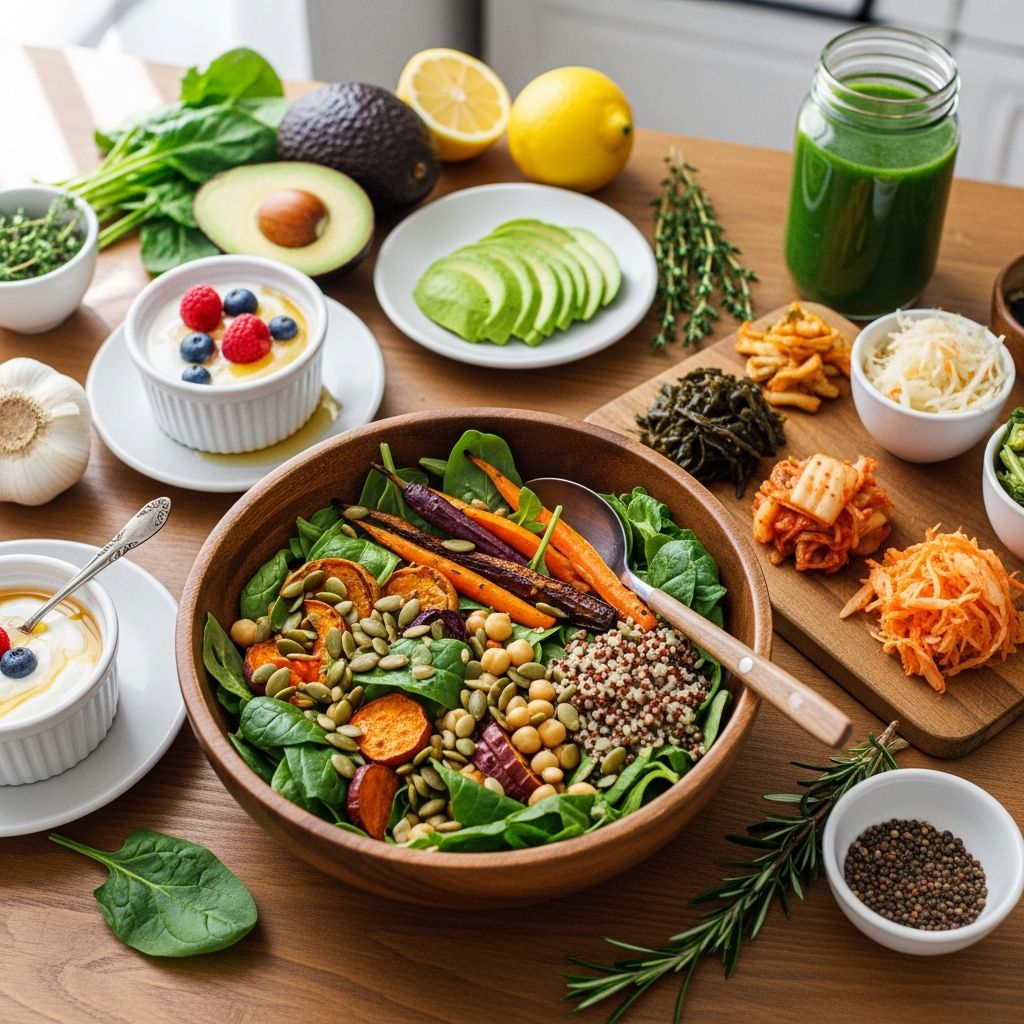
A healthy gut is the foundation of overall wellness, influencing digestion, immunity, and even mood. These 16 gut-healthy dinner recipes, each under 500 calories and boasting at least 6 grams of fiber per serving, incorporate prebiotic foods like garlic, onions, beans, and lentils, alongside probiotic-rich elements such as yogurt. Prebiotics feed beneficial gut bacteria, while probiotics introduce live cultures to diversify the microbiome. High-fiber ingredients support regular bowel movements, aid weight control, and reduce heart disease risk, as backed by dietary guidelines from health authorities.
Why Prioritize Gut Health in Your Meals?
Your gut microbiome—a community of trillions of microorganisms—plays a pivotal role in breaking down food, producing vitamins, and protecting against pathogens. Diets rich in diverse plant fibers foster a balanced microbiome, linked to lower inflammation and better metabolic health. These recipes emphasize whole foods: legumes for soluble fiber that ferments into short-chain fatty acids, cruciferous veggies like broccoli for insoluble fiber that adds bulk, and fermented dairy for probiotics. Aim for 25-30 grams of daily fiber; these dinners contribute significantly while keeping calories low for sustainable eating.
16 Gut-Healthy Dinner Recipes with 500 Calories or Less
From cozy soups to vibrant veggie-packed bakes, these dishes are designed for busy weeknights. Each photo-worthy meal highlights seasonal produce and pantry staples, ensuring flavor without compromising gut benefits. Scroll through for complete recipes, nutrition breakdowns, and prep tips.
1. Marry Me-Inspired White Bean & Kale Soup
This creamy, flavor-packed white bean and kale soup draws inspiration from the viral Marry Me Chicken. Sun-dried tomatoes and their oil infuse a rich, savory base, while fresh basil and Parmesan provide a bright finish. Kale delivers prebiotic fiber, and white beans add plant protein and resistant starch that nourishes gut bacteria. Ready in under 30 minutes, it’s ideal for cozy evenings. Per serving: ~350 calories, 8g fiber, probiotics from optional yogurt swirl.
- Key gut boosters: Kale (prebiotic), white beans (fiber, prebiotic).
- Prep tip: Use low-sodium broth to control salt.
2. French Onion Skillet Beans
Carmelized onions meet creamy white beans in this skillet sensation. Sweet onions act as prebiotics, feeding bifidobacteria, while beans provide 7g+ fiber. Spinach adds antioxidants, and Parmesan lends umami. Serve with toasted whole-wheat baguette for dipping—under 400 calories yet deeply satisfying.
3. Chicken Fajita Rice Bake
Juicy chicken thighs, beans, tomatoes with green chiles, and quick brown rice bake under melty cheese. Tomatoes and onions offer prebiotics; brown rice contributes whole grains for sustained energy and fiber. A crowd-pleaser doubling as meal prep—~450 calories with 9g fiber.
- Gut hero: Black beans (prebiotic oligosaccharides).
- Make it vegetarian: Swap chicken for extra beans.
4. Spiced Lentil & Cabbage Soup
Hearty lentils team with cabbage, cinnamon, cumin, and coriander for warmth. Tangy Greek yogurt swirl adds probiotics, and lentils pack protein plus prebiotic fibers. Lemon wedges brighten flavors. ~300 calories, 10g fiber—perfect for chilly nights.
5. White Bean & Spinach Sauté
Sweet onion, tomatoes, garlic, and white beans form a savory base with spinach and Parmesan. Garlic’s allicin supports gut motility. Pair with baguette slices for a 20-minute meal: 380 calories, 7g fiber.
6. Pea Pesto Pasta
Frozen peas cook with pasta, tossed in cherry tomatoes and basil pesto. Peas provide prebiotic inulin; whole-grain pasta boosts fiber. Lemon and Parmesan finish it fresh: ~420 calories, 8g fiber.
Related Stories



7. Cannellini Bean & Cabbage Soup
Tender cabbage and creamy cannellini beans with spices and lemon. Light yet filling, with 9g fiber from beans and veggies: ~320 calories.
8. Caprese Spaghetti Squash Bowl
Roasted spaghetti squash mimics pasta with tomatoes, mozzarella, basil, and great northern beans. Balsamic glaze adds tang—vegetarian delight at 400 calories, 7g fiber.
9. Butternut Squash & Black Bean Enchilada Bake
Butternut squash and black beans in green enchilada sauce with tortilla strips and cheese. Squash’s pectin feeds gut bugs: ~450 calories, 10g fiber.
10. Portobello Fajita Mushrooms
Roasted portobellos stuffed with fajita veggies and black beans, topped with cheese and Greek yogurt. Fiber-packed at 380 calories.
11. Eggplant Parmesan
Layered eggplant with marinara and cheeses—classic comfort with veggie fiber: ~420 calories, 8g fiber. Serve with whole-grain pasta.
12. Mushroom Spinach Ricotta Pasta
Earthy mushrooms, spinach, garlic, and whole-milk ricotta sauce over pasta. Wild mushrooms elevate savoriness; lemon brightens: ~430 calories, 7g fiber.
13. Broccoli & Lentil Stir-Fry
Though not detailed in snippets, this recipe features broccoli’s sulforaphane for gut lining protection and lentils for prebiotics—~350 calories, 9g fiber.
14. Garlic Bean Quinoa Bowl
Quinoa with garlic-roasted beans and greens. Quinoa’s complete protein pairs with prebiotic garlic: 400 calories, 8g fiber.
15. Yogurt-Marinated Veggie Skewers
Probiotic yogurt marinade tenderizes veggies and chickpeas for grilling: ~370 calories, 7g fiber.
16. Kale & Chickpea Curry
Spiced chickpeas, kale, and coconut milk with turmeric for anti-inflammatory benefits: ~440 calories, 10g fiber.
Nutrition Comparison Table
| Recipe | Calories | Fiber (g) | Key Pre/Probiotic |
|---|---|---|---|
| White Bean Soup | 350 | 8 | Beans, Kale |
| Fajita Bake | 450 | 9 | Beans, Tomatoes |
| Lentil Soup | 300 | 10 | Lentils, Yogurt |
| Pea Pasta | 420 | 8 | Peas, Pesto |
| Enchilada Bake | 450 | 10 | Squash, Beans |
This table highlights consistency in low calories and high fiber across recipes, making them versatile for dietary needs.
Gut Health Tips for Everyday Eating
- Diversify plants: Rotate beans, lentils, onions, and greens to feed varied bacteria.
- Hydrate: Fiber needs water to work effectively.
- Ferment wisely: Add yogurt or kefir for live cultures.
- Limit processed foods: They disrupt microbiome balance.
- Track fiber intake gradually to avoid bloating.
Frequently Asked Questions (FAQs)
What are prebiotics and probiotics?
Prebiotics are non-digestible fibers (e.g., in beans, garlic) that feed good gut bacteria. Probiotics are live microbes (e.g., in yogurt) that add beneficial strains.
Can these recipes help with weight loss?
Yes, their high fiber promotes satiety; under 500 calories supports calorie deficits while nourishing the gut.
Are they suitable for vegetarians?
Most are; swap chicken in bakes for extra beans or tofu.
How much fiber do I need daily?
Women: 25g, men: 38g. These dinners provide 20-40% of that.
What’s the best way to store leftovers?
Refrigerate up to 4 days; soups freeze well for 3 months.
References
- Dietary Guidelines for Americans, 2020-2025 — U.S. Department of Agriculture and U.S. Department of Health and Human Services. 2020-12-01. https://www.dietaryguidelines.gov/sites/default/files/2020-12/Dietary_Guidelines_for_Americans_2020-2025.pdf
- Health Benefits of Dietary Fiber — National Institutes of Health (NIH), Office of Dietary Supplements. 2024-08-15. https://ods.od.nih.gov/factsheets/DietaryFiber-HealthProfessional/
- Gut Microbiota for Health: Prebiotics and Probiotics — World Gastroenterology Organisation. 2023-05-10. https://www.worldgastroenterology.org/guidelines/prebiotics-and-probiotics
- Fiber Intake and Gut Health — Harvard T.H. Chan School of Public Health. 2025-01-15. https://www.hsph.harvard.edu/nutritionsource/carbohydrates/fiber/
- Probiotics in Diet — Mayo Clinic. 2024-11-20. https://www.mayoclinic.org/healthy-lifestyle/nutrition-and-healthy-eating/in-depth/probiotics/art-20046470
Similar Articles








Read full bio of Sneha Tete