Recovering From Surgery: Intensive Care Recovery Guide
Essential information about post-operative recovery in the intensive care unit and rehabilitation strategies.
Recovering From Surgery: Intensive Care
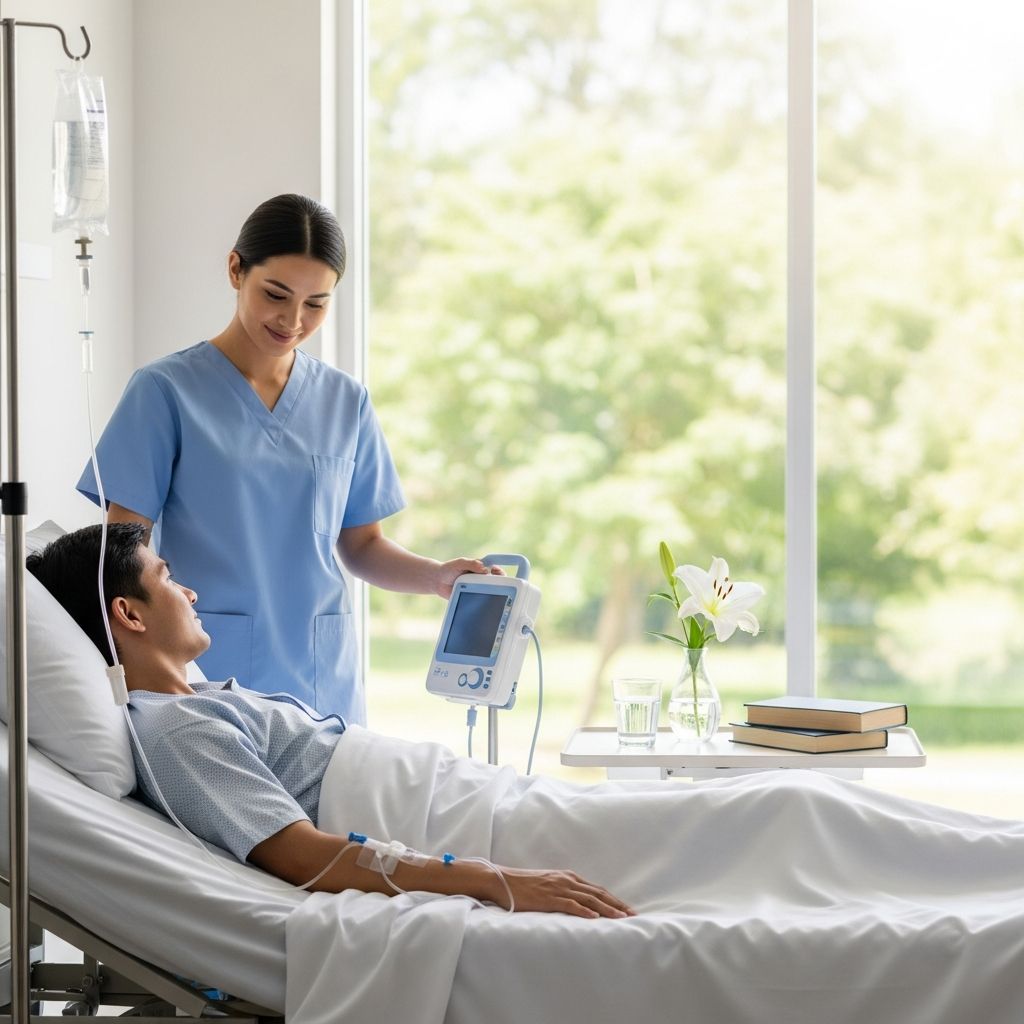
Recovering from major surgery in an intensive care unit (ICU) involves specialized medical care, close monitoring, and evidence-based rehabilitation strategies. Understanding what to expect during this critical recovery phase can help patients and families navigate the post-operative period more effectively. The intensive care environment provides the necessary resources and expertise to manage complications, optimize recovery, and support the journey back to health.
Understanding Post-Operative Intensive Care
The intensive care unit serves as a specialized hospital environment designed for patients recovering from major surgical procedures who require continuous monitoring and intensive medical support. After surgery, patients may need ICU care to manage pain, monitor vital signs, prevent infection, and address any post-operative complications. The length of ICU stay varies based on the type of surgery, patient age, overall health status, and any pre-existing medical conditions.
Medical teams in the ICU include physicians, nurses, respiratory therapists, and other specialists who work collaboratively to ensure optimal patient care. This multidisciplinary approach allows for comprehensive management of post-operative needs and faster identification of any developing complications.
Early Mobilization: A Key to Recovery
One of the most significant advances in post-operative care is the recognition of the importance of early mobilization. Rather than prolonged bed rest, current evidence strongly supports getting patients moving as soon as medically appropriate after surgery. Early mobilization refers to initiating therapeutic movement and activity during the critical care phase, progressing from simple movements to more complex activities as the patient improves.
Research demonstrates that early mobilization protocols can reduce hospital length of stay, prevent complications, and improve overall patient outcomes. Studies utilizing the Johns Hopkins Inpatient Mobility Short Form and the Johns Hopkins Highest Level of Mobility tool have shown measurable clinical improvements in patient recovery trajectories.
Benefits of Early Mobilization
The benefits of early mobilization for post-operative patients are substantial and well-documented:
- Reduced hospital and ICU length of stay
- Prevention of muscular deconditioning and atrophy
- Improved cardiovascular and pulmonary function
- Preserved kidney function with increased urine output
- Reduced risk of blood clots (deep vein thrombosis)
- Lower incidence of pressure injuries
- Decreased ventilator days for patients on mechanical support
- Reduced medication requirements
- Improved overall strength and functional recovery
Preventing Immobility Complications
Prolonged immobility after surgery can lead to serious complications that extend recovery time and diminish quality of life. These complications include muscular deconditioning, pressure injuries, deep vein thrombosis, and joint immobility. Additionally, research reveals that patients may develop devastating long-term deficits, including post-traumatic stress disorder, neuropathies, and cognitive impairment. Even a single day of bed rest in the ICU can have a lasting impact on weakness that affects patients’ physical functioning and quality of life.
By implementing early mobilization protocols, healthcare teams can significantly reduce these risks and promote faster, more complete recovery.
The Early Mobilization Protocol
Related Stories



Evidence-based early mobilization protocols provide a structured approach to patient recovery. Nurse-led interventions set daily mobility goals and organize activity sessions, typically three times per day, tailored to each patient’s current condition and recovery progress.
Protocol Components
Comprehensive early mobility protocols typically include:
- Assessment of patient consciousness level and responsiveness
- Description of patient response to interventions
- Development of individualized treatment plans
- Active and passive range of motion exercises
- Progressive mobility criteria based on patient tolerance
- Interdisciplinary team collaboration including physical and occupational therapy
Progressive Mobility Stages
Early mobilization follows a progression based on patient stability and improvement. Initial stages may include passive range of motion, where therapists move the patient’s joints to maintain flexibility. As patients improve, they progress to active-assisted movements, where they participate with support. Eventually, patients advance to independent movements, sitting on the edge of the bed, standing with assistance, and ultimately walking.
Monitoring and Assessment During Recovery
Continuous monitoring is essential during intensive care recovery. Healthcare providers track vital signs, oxygen levels, cardiac rhythm, and other physiological parameters to ensure patient stability and identify any concerning changes promptly. Assessment of physical functioning helps inform recovery progress and guides treatment decisions.
Medical teams work with patients to manage pain effectively, as adequate pain control is crucial for participation in mobilization activities. Medication management is optimized to balance pain relief with the ability to participate in rehabilitation.
The Role of the Interdisciplinary Team
Successful post-operative recovery relies on collaboration among multiple healthcare specialists. Physicians direct overall medical management, nurses coordinate daily care and mobilization activities, respiratory therapists manage breathing support, and physical and occupational therapists design and implement rehabilitation programs.
Communication among team members is essential. Daily huddles allow the team to share information about patient progress, adjust care plans, and coordinate therapy sessions to avoid duplication and optimize recovery resources.
Impact on Hospital Outcomes and Costs
Implementation of early mobilization protocols has demonstrated significant benefits beyond individual patient outcomes. Studies show decreased ICU stays, reduced hospital length of stay, and lower overall healthcare costs due to the reduced number of days patients spend hospitalized and on mechanical ventilation. Some facilities utilizing early mobility protocols have shown reductions in mean hospital length of stay from 6.22 days to 5.33 days, representing meaningful improvements in resource utilization and patient throughput.
Despite the substantial evidence supporting early mobilization benefits, adoption remains limited, with only approximately 45% of American ICUs currently utilizing formal early mobility protocols.
Determining ICU Care Necessity
Not all post-operative patients require intensive care unit admission. Healthcare providers assess whether ICU-level monitoring and support are necessary based on the complexity of surgery, patient age, medical history, and anticipated recovery needs. Some procedures and lower-risk patients may recover safely in standard hospital units with appropriate nursing support.
What to Expect During ICU Recovery
Daily Activities and Routines
During ICU recovery, patients can expect structured daily routines that emphasize both medical management and rehabilitation. Morning assessments establish baseline vital signs and patient status. Mobility sessions occur multiple times throughout the day, with sessions coordinated by nurses and therapists. Wound care, medication administration, and vital sign monitoring continue throughout the day and night.
Managing Pain and Discomfort
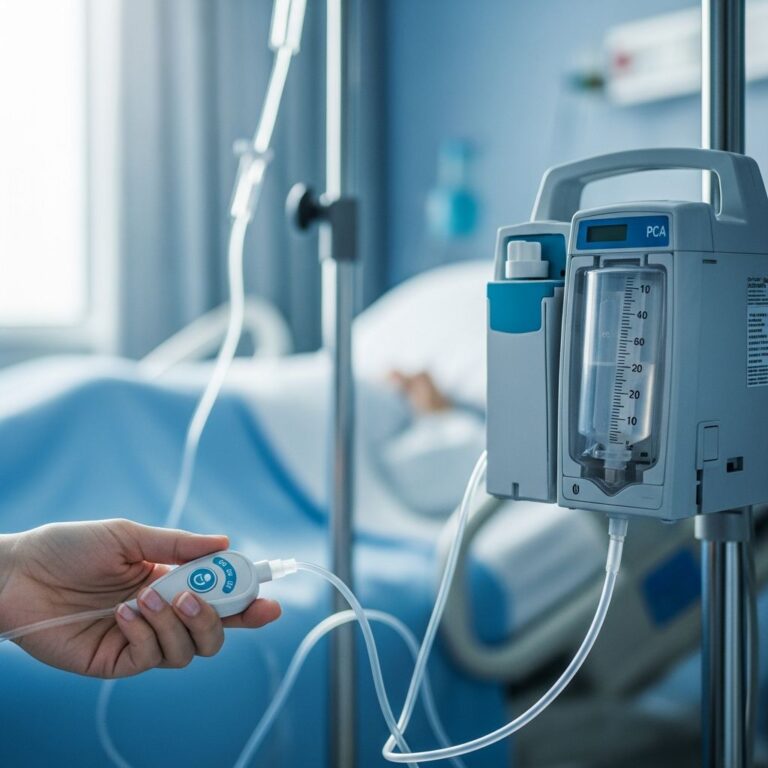
Post-operative pain is addressed through multimodal pain management strategies, including medications, positioning adjustments, and relaxation techniques. Effective pain control enables patients to participate more fully in mobilization activities, which actually promotes better overall healing.
Nutrition and Hydration
Adequate nutrition supports healing and recovery. Depending on surgery type and patient status, nutrition may be provided through normal eating, temporary feeding tubes, or intravenous methods. Hydration is carefully monitored and adjusted based on patient needs and kidney function.
Preventing and Managing Common Complications
While modern surgical techniques and intensive care management have significantly reduced post-operative complications, awareness and prevention remain important. Common potential complications include infection, blood clots, pneumonia, and pressure injuries. Early mobilization, careful wound care, appropriate antibiotic use when indicated, compression devices, and position changes all contribute to complication prevention.
Healthcare providers monitor for signs of complications and intervene promptly if concerns arise.
Transition From ICU to Standard Care
As patients improve, they transition from intensive care to regular hospital units or, in some cases, directly to home or rehabilitation facilities. This transition typically occurs when vital signs stabilize, the need for continuous monitoring decreases, and patients can manage most activities with standard nursing support. Healthcare providers develop discharge plans that include continued outpatient rehabilitation, medication management, wound care instructions, and follow-up appointments with surgeons and other specialists.
Long-Term Recovery and Rehabilitation
Recovery from major surgery extending beyond the hospital stay involves continued rehabilitation and gradual return to normal activities. Physical and occupational therapy may continue on an outpatient basis, with therapists helping patients rebuild strength, regain independence, and return to work or other important life activities.
Psychologically, some patients may experience emotional challenges after intensive care experiences, including anxiety or post-traumatic stress symptoms. Mental health support and counseling can be beneficial for processing the experience and supporting overall recovery.
Patient and Family Involvement
Family members play an important role in supporting recovery. Many ICUs now allow family presence and participation in care activities, which benefits both patients and families. Families can assist with communication about patient preferences, provide emotional support, and help motivate patients during rehabilitation activities.
Clear communication between healthcare providers and families about recovery progress, expected timelines, and any concerns helps families understand the recovery process and feel more confident supporting their loved one.
Questions to Ask Your Healthcare Team
About Your Surgery and Recovery
Patients and families should feel empowered to ask questions about post-operative care. Important topics include expected recovery timeline, when mobilization will begin, what activities can be expected, pain management strategies, when hospital discharge might occur, and what follow-up care will be needed. Understanding the plan helps patients mentally and emotionally prepare for recovery.
Frequently Asked Questions
Q: How soon after surgery does early mobilization begin?
A: The timing depends on surgery type and patient stability. Some patients may begin simple movements within hours of surgery, while others may need a longer stabilization period. Healthcare providers assess readiness individually for each patient.
Q: What if I’m too weak or in too much pain to mobilize?
A: Pain management and gradual progression are key. Healthcare providers adjust pain medications and start with very gentle movements like passive range of motion, progressing only as tolerated. Even minimal movement provides benefits.
Q: How long will I need to stay in the ICU?
A: ICU length of stay varies widely based on surgery complexity and individual recovery. Many patients spend 1-3 days in the ICU, though more complex cases may require longer stays. Your surgical team can provide estimates based on your specific situation.
Q: Can family members help with recovery activities?
A: Yes, family involvement is encouraged. Family members can provide emotional support, help with motivation, and in some cases assist with simple activities under professional guidance.
Q: What happens after I leave the ICU?
A: After ICU recovery, you’ll typically move to a regular hospital unit, then home or rehabilitation facility. Recovery continues with outpatient physical therapy, follow-up appointments, and gradual return to normal activities as directed by your surgical team.
Q: How can I reduce complications after surgery?
A: Follow your healthcare team’s instructions regarding mobilization, pain management, wound care, medication, and follow-up appointments. Participate actively in rehabilitation activities, maintain proper nutrition and hydration, and report any concerns to your medical team promptly.
References
- Implementing Early Mobilization of Patients in the Intensive Care Unit — Southern Arizona Orthopaedic Residency Program, USA. 2024. https://soar.usa.edu/cgi/viewcontent.cgi?article=1093&context=scholprojects
- Evaluating Physical Functioning in Critical Care — National Center for Biotechnology Information, National Institutes of Health. 2017. https://pubmed.ncbi.nlm.nih.gov/28978333/
- Carotid Endarterectomy: Is Intensive Care Unit Care Necessary? — Johns Hopkins University Research Archive. 2024. https://pure.johnshopkins.edu/en/publications/carotid-endarterectomy-is-intensive-care-unit-care-necessary-3
- Longer Stay in Hospital ICU Has Lasting Impact on Quality of Life — Newswise. 2024. https://www.newswise.com/articles/view/615960/
Similar Articles








Read full bio of Sneha Tete