Recovery Position: Essential First Aid Guide
Master the recovery position technique to keep unconscious patients safe and breathing.
Recovery Position: A Critical First Aid Technique
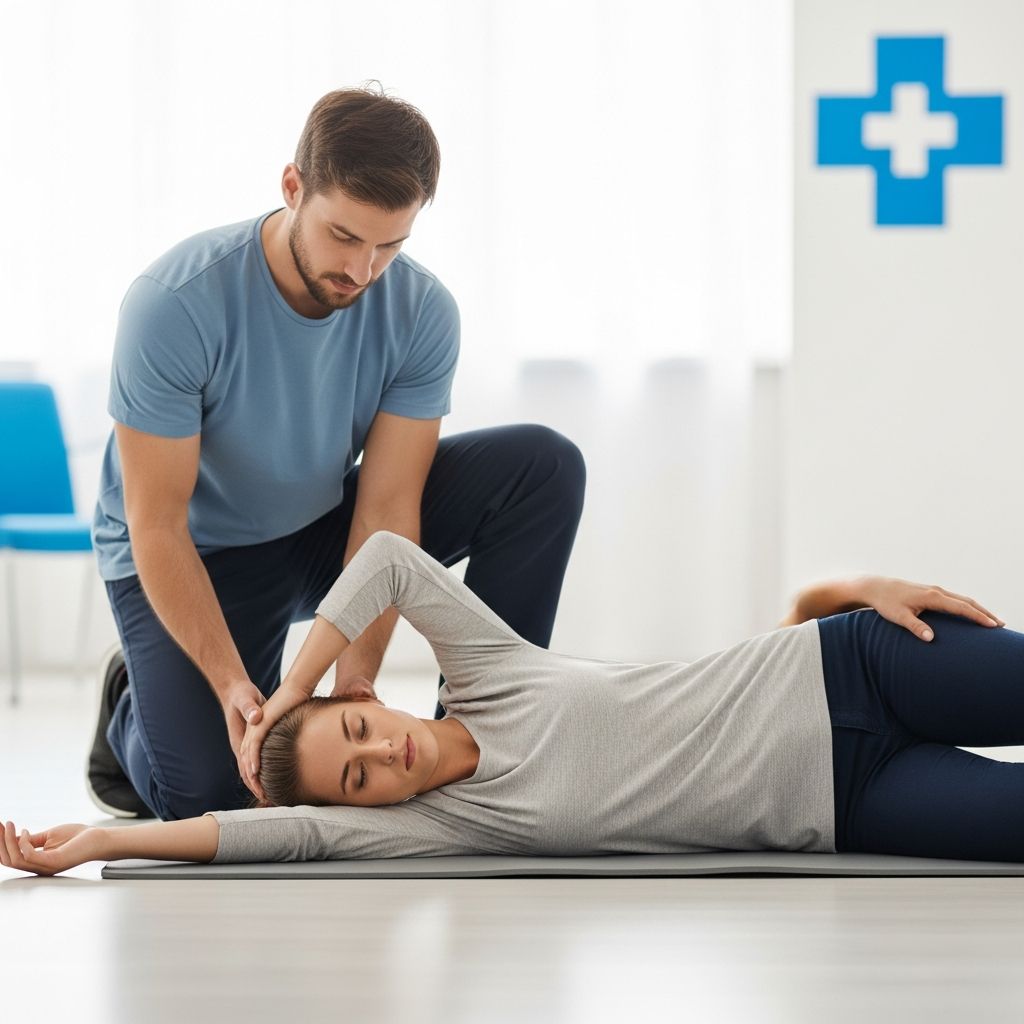
The recovery position is one of the most important first aid techniques you can learn and apply in emergency situations. When a person becomes unconscious but continues to breathe normally, placing them in the recovery position can mean the difference between life and death. This positioning technique keeps the airway open, prevents choking from fluids or vomit, and ensures proper drainage while you await professional medical help. Understanding how to execute the recovery position correctly is essential knowledge for anyone who may need to provide emergency assistance.
What Is the Recovery Position?
The recovery position is a first aid technique specifically designed for individuals who are unconscious but breathing normally, with no suspected spinal injuries. The primary purpose of this positioning is to maintain an open airway and allow any fluids, such as vomit or blood, to drain freely from the mouth without causing the person to choke or aspirate. When someone is unconscious and lying on their back, their tongue can fall backward and block their airway, and any fluids in their mouth can flow into their lungs. The recovery position prevents both of these life-threatening complications by positioning the person on their side with their head tilted back slightly and supported safely.
The recovery position is particularly valuable because it maintains the person’s dignity while keeping them safe, and it allows rescuers to easily monitor their breathing and responsiveness while waiting for emergency medical services to arrive. The position is stable and secure, meaning the person is unlikely to roll unexpectedly, and it prevents pressure on the chest that could impair breathing.
When to Use the Recovery Position
The recovery position should be used in specific circumstances to maximize its benefits and ensure patient safety. You should place someone in the recovery position if they are:
- Unconscious but breathing normally with a clear pulse
- Unresponsive to verbal or physical stimuli
- Without life-threatening conditions that require CPR or other interventions
- Not suspected of having a spinal injury
The recovery position is not appropriate for all emergencies. If a person is in cardiac arrest or not breathing, you must begin CPR immediately instead. Similarly, if you suspect a spinal injury, neck injury, or head injury, you should not move the person into the recovery position unless absolutely necessary to open their airway and prevent choking.
Step-by-Step Instructions for the Recovery Position
Performing the recovery position correctly requires careful attention to detail and a systematic approach. Follow these steps precisely to ensure the person’s safety and comfort while in this position.
Initial Positioning
Begin by placing the person on their back on a firm, flat surface. Kneel beside them at approximately their waist level. This positioning gives you stability and leverage to safely move the person onto their side. Ensure the area around you is clear of obstacles that could interfere with the process or cause additional injury.
Arm Positioning
Take the arm closest to you and extend it at a right angle to their body, with their palm facing upward. This extended arm will serve as a barrier to prevent the person from rolling too far onto their stomach. Next, take their other arm and fold it so the back of their hand rests gently against the cheek closest to you. This positioning cushions the head and helps maintain an open airway. Hold this arm in place with your free hand to maintain stability during the rolling process.
Related Stories



Leg Positioning
Use your free hand to bend the person’s knee that is farthest away from you to a right angle. This bent knee is crucial because you will use it to roll the person onto their side. The bent position of this knee will also help stabilize the person once they are in the recovery position, preventing them from rolling completely onto their stomach.
Rolling the Person
Carefully and smoothly roll the person onto their side by gently pulling on their bent knee toward you. Move slowly and deliberately to avoid causing any additional injury. The person should now be resting on their side, with their bent arm supporting their head and their extended arm preventing them from rolling too far. Ensure their bent leg remains at a right angle to provide stability.
Airway Management
Once the person is positioned on their side, open their airway by gently tilting their head back slightly and lifting their chin. This positioning prevents the tongue from falling back and blocking the airway. Carefully check that nothing is blocking their airway, and remove any visible obstructions such as food, dentures, or other debris from their mouth.
Monitoring and Support
Stay with the person and continuously monitor their condition until emergency medical services arrive. Check regularly that they are still breathing normally, and watch for any changes in their responsiveness or breathing pattern. Keep the person warm if possible by covering them with a blanket, and reassure them if they regain consciousness. Keep detailed notes of the time you placed them in the recovery position and any changes you observe, as this information will be valuable for the medical professionals who take over their care.
The HAINES Position for Suspected Spinal Injuries
While the standard lateral recovery position is effective for most unconscious patients, a different approach is recommended when spinal injury is suspected. The HAINES position, which stands for High Arm In Endangered Spine, is specifically designed to protect the neck and spine while still maintaining an open airway.
In the HAINES position, the arm farthest from the rescuer is stretched straight above the unconscious person’s head, while the other arm is placed across the chest. The rescuer then places one of their own arms under the patient’s knee and the other behind the patient’s head and neck to provide support. The rescuer carefully rolls the patient onto their side while maintaining careful control of the head and neck to minimize any movement. This technique requires more skill and practice than the standard recovery position, but it is essential knowledge for anyone who may encounter a patient with a suspected spinal injury.
Critical Considerations for Spinal Injuries
Spinal injuries require special attention and care. If you suspect a person may have a spinal injury, you should not attempt to move them into the recovery position unless it is absolutely necessary to open their airway or prevent choking. You should suspect a spinal injury if the person has been involved in an incident that directly affected their spine, such as a fall from height or a direct blow to the back. Additionally, watch for signs including severe pain in the neck or back, inability to move the neck, weakness or numbness in the limbs, or loss of control of the limbs, bladder, or bowels.
If you must open the airway of someone with a suspected spinal injury, place your hands on either side of their head and gently lift their jaw with your fingertips to open the airway. Take extreme care not to move their neck or rotate their head, as this could cause serious damage to the spinal cord. In all cases of suspected spinal injury, emergency services should be contacted immediately, and the person should remain as still as possible until professional help arrives.
Important Safety Principles
Several key principles guide the proper use of the recovery position and ensure maximum safety for the patient. The person should be positioned in as close to a true lateral position as possible, with their head dependent to allow free drainage of fluid. The position must be stable and secure, preventing any accidental rolling or movement. You must avoid any pressure on the chest that could impair breathing, and you should always ensure it is possible to quickly turn the person back onto their back if necessary. Maintain good observation of and access to the airway at all times, and ensure the recovery position itself does not create any new injuries to the casualty.
Common Mistakes to Avoid
Several common errors can compromise the effectiveness of the recovery position. Do not place the person’s arm under their body, as this can impair circulation and cause nerve damage. Avoid tilting the head back too far, as excessive head extension can actually compromise the airway. Do not forget to monitor breathing continuously, as some critics of the recovery position have noted that it may make it slightly more difficult to notice if breathing has stopped. Never attempt to use the recovery position on someone who is not breathing or who may be in cardiac arrest—these patients need CPR instead. Finally, do not move someone with a suspected spinal injury into the standard recovery position; use the HAINES technique instead or keep them as still as possible until emergency services arrive.
When to Call Emergency Services
Always call emergency medical services immediately when you encounter an unconscious person. Do not wait to see if the person regains consciousness or begins breathing on their own. In the United States, dial 911 to summon emergency services. Provide the dispatcher with your location, a description of the patient’s condition, any relevant medical history if known, and your assessment of their responsiveness and breathing. Follow all instructions given by the dispatcher, including guidance on CPR or other first aid measures. Emergency medical professionals need to evaluate and transport the patient to receive appropriate hospital care.
Training and Practice
The recovery position is best learned through hands-on training with a qualified first aid instructor. Many organizations, including the Red Cross and American Heart Association, offer certification courses that include practical instruction in the recovery position and other life-saving techniques. Regular practice with CPR and first aid mannequins helps build muscle memory and confidence, so you can execute the technique smoothly and effectively in a real emergency situation. Consider taking a certified first aid course and maintaining current certification through regular refresher training.
Frequently Asked Questions
Q: How long can someone safely stay in the recovery position?
A: A person can remain in the recovery position indefinitely if they are still breathing normally and have not regained consciousness. Continue monitoring them and maintain their airway until emergency services arrive and take over their care.
Q: What should I do if the person starts vomiting while in the recovery position?
A: The recovery position is specifically designed to allow vomit and other fluids to drain from the mouth. The positioning helps prevent aspiration, but you should remain vigilant and be ready to turn their head slightly if necessary to ensure fluids continue to drain and do not accumulate in the mouth.
Q: Can I use the recovery position on a child or infant?
A: The basic principles of the recovery position apply to children and infants, but the technique should be modified based on their size. For very small children, use gentler movements and ensure their head position allows for adequate breathing without excessive neck extension.
Q: What is the difference between the recovery position and CPR?
A: The recovery position is used for unconscious but breathing patients, while CPR is used for patients who are not breathing or have no pulse. These are different techniques for different emergencies.
Q: Should I remove the person’s glasses or hearing aids before placing them in the recovery position?
A: Generally, you should leave glasses and hearing aids in place unless they are causing discomfort or interfering with airway management. If you must remove them, place them nearby so they can be reunited with the patient later.
Q: What if I’m unsure whether the person has a spinal injury?
A: When in doubt, err on the side of caution. Use the HAINES position or minimize movement and call emergency services immediately. The medical professionals can conduct a proper assessment for spinal injury.
References
- Recovery position — NHS. 2024. https://www.nhs.uk/tests-and-treatments/first-aid/recovery-position/
- 2024 American Heart Association and American Red Cross First Aid and CPR Guidelines — American Heart Association. 2024. https://www.ahajournals.org/doi/10.1161/CIR.0000000000001281
- Recovery position — EBSCO Health Research Starters. 2024. https://www.ebsco.com/research-starters/health-and-medicine/recovery-position
- Recovery Position — Positive Choices Australia. 2024. https://positivechoices.org.au/teachers/how-to-put-someone-in-the-recovery-position
Similar Articles








Read full bio of medha deb