Recovery Position: 5 Essential Steps To Keep Airways Clear
Master the recovery position to protect unconscious breathing victims from airway risks and save lives in emergencies.
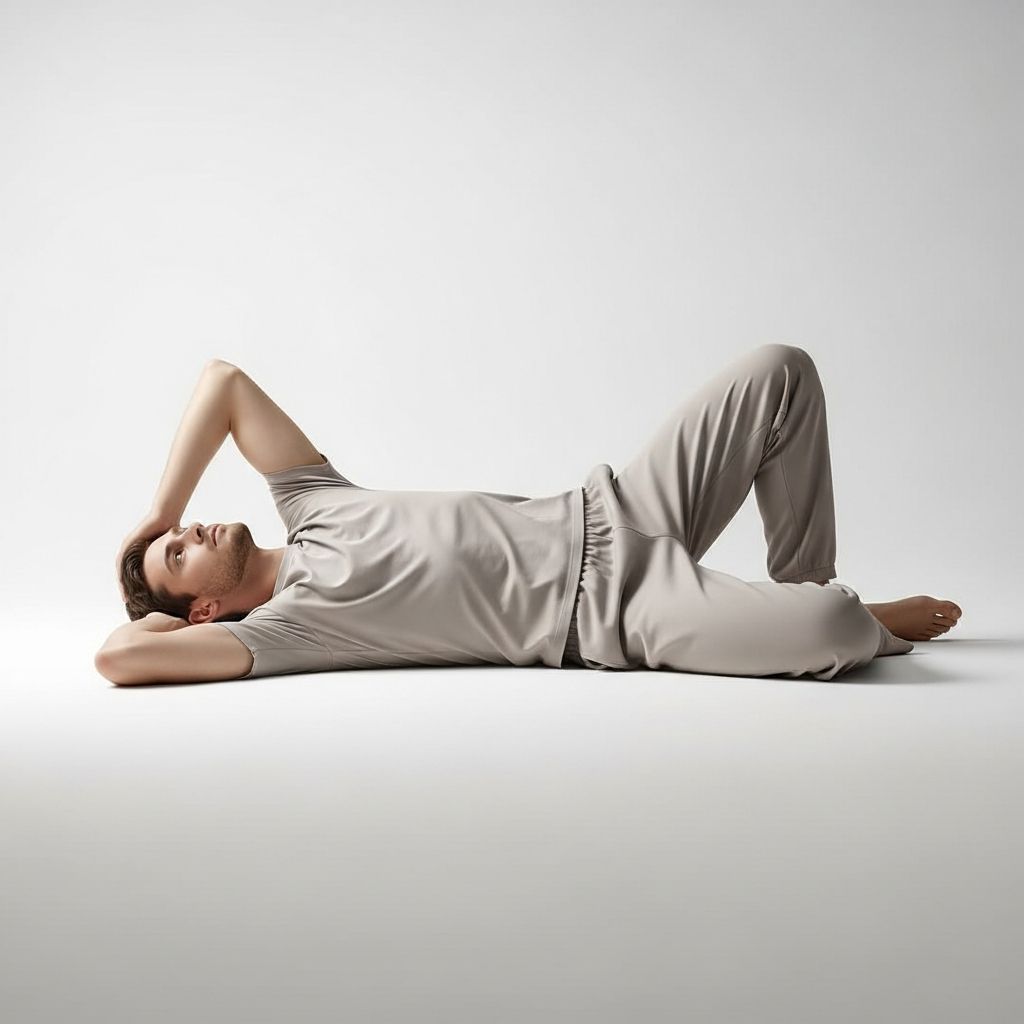
The recovery position is a fundamental first aid technique used to position an unconscious but breathing person on their side, helping maintain an open airway and allowing fluids to drain naturally. This simple maneuver can prevent life-threatening complications like airway obstruction or aspiration, where vomit or saliva enters the lungs.
Why the Recovery Position Matters in Emergencies
When someone loses consciousness, their muscles relax, including those controlling the tongue, which can fall back and block the airway. Fluids such as saliva, vomit, or blood may pool in the throat, leading to suffocation or hypoxia—a dangerous lack of oxygen. By rolling the person onto their side, gravity assists in keeping the airway clear, reducing these risks significantly.
Historical developments have refined this position. Early recommendations from the 19th century evolved through contributions like those from anaesthetist Frederick Hewitt, who advocated lateral positioning for postoperative patients. Modern standards from the International Liaison Committee on Resuscitation (ILCOR) outline key principles without mandating one exact variation, allowing flexibility while prioritizing safety.
Core Principles of Effective Recovery Positioning
ILCOR emphasizes six essential guidelines for any recovery position variation:
- Maintain a near-lateral stance with the head tilted downward for fluid drainage.
- Ensure stability to prevent rolling.
- Avoid chest compression that hinders breathing.
- Facilitate easy reversal to the back, considering potential spinal injuries.
- Provide clear access for airway monitoring.
- Minimize risk of further injury.
These principles make the position adaptable across scenarios, from bystanders to professionals.
Step-by-Step Instructions for Adults
Position yourself kneeling beside the person lying on their back. Follow these steps carefully:
- Kneel at their side and straighten their legs. Extend the arm closest to you at a right angle to their body, palm facing upward—this acts as a brace.
- Place the back of their other hand against the cheek nearest you, holding it steady.
- Bend the knee farthest from you to a 90-degree angle, using your hand to grasp the thigh.
- Gently roll them toward you by pulling on the bent knee while supporting their head and shoulder.
- Once on their side, adjust the bent leg so the foot is flat on the ground for stability. Tilt their head back slightly and lift the chin to open the airway. Remove any visible obstructions if safe.
Monitor breathing and pulse regularly. Stay with them until help arrives.
| Step | Action | Purpose |
|---|---|---|
| 1. Extend nearest arm | Right angle, palm up | Prevents over-rolling |
| 2. Position far hand | Against cheek | Cushions head |
| 3. Bend far knee | 90 degrees | Aids rolling and stability |
| 4. Roll and adjust | Toward rescuer | Safely repositions body |
| 5. Open airway | Head tilt, chin lift | Ensures clear breathing path |
Adapting for Children and Infants
For children over one year, use similar steps but with gentler handling due to their smaller size. Support the head more prominently to avoid strain.
Infants require a modified approach: cradle them face-down along your forearm, head lower than the body, supporting the back and hips. This uses gravity similarly while securing them safely. Never use the adult roll on babies.
Related Stories



When to Place Someone in the Recovery Position
Use this technique for unconscious individuals who are breathing normally, including cases of:
- Fainting or syncope.
- Seizures post-convulsion.
- Diabetic emergencies.
- Drug or alcohol intoxication.
- Stroke or heart-related collapse.
- Hypothermia or shock.
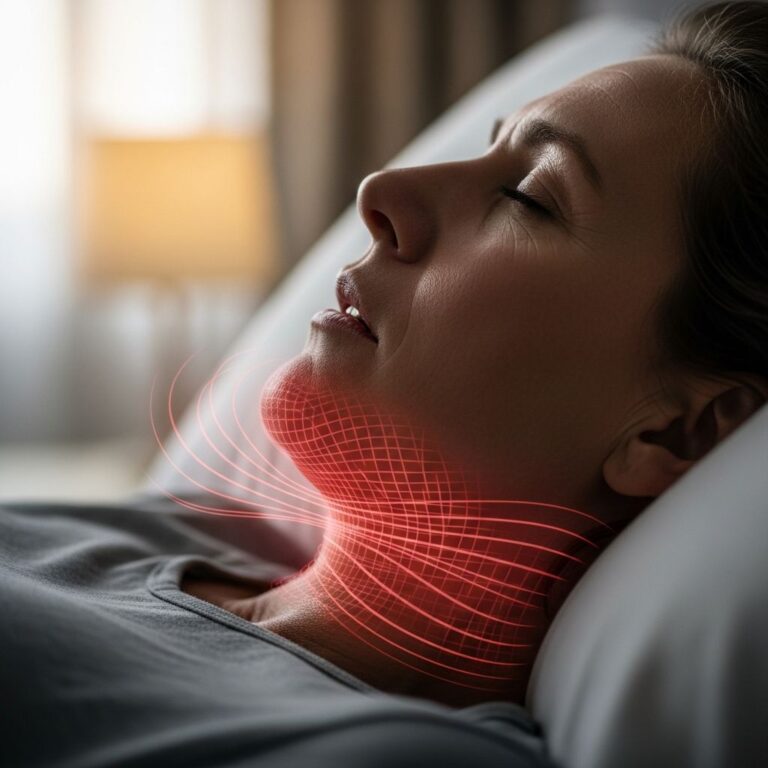
It also aids those with chronic issues like sleep apnea for positional relief.
Critical Situations Where to Avoid It
Do not use if the person is not breathing—start CPR immediately. Avoid moving them if spinal, head, or neck trauma is suspected, unless airway blockage demands it. In such cases, log-roll with assistance, keeping the spine aligned. Pregnant individuals benefit from left-side positioning to ease vena cava pressure.
Potential Risks and How to Mitigate Them
Improper technique can cause nerve damage or pressure sores. A 1992 update by the European Resuscitation Council adjusted arm placement to prevent this. Reassess every 30 minutes by gently rolling to the other side to avoid limb compression.
For larger individuals, add padding under the knee for comfort. Always prioritize scene safety and call emergency services first.
Training and Practice Recommendations
Organizations like St John Ambulance and the Red Cross offer hands-on courses. Practice on mannequins builds confidence. Videos demonstrate nuances effectively. Regular refreshers ensure proficiency, as muscle memory is key in stress.
Frequently Asked Questions
What if the person vomits in the recovery position?
Wipe the mouth gently without obstructing the airway. The side position allows drainage; monitor closely.
Can I leave them alone after positioning?
No—stay until professionals arrive or they regain consciousness.
How long can they stay in this position?
Until EMS takes over; alternate sides after 30 minutes if delayed.
Is it safe for suspected heart attack victims?
Yes, if breathing; it reduces aspiration risk during waits for defibrillation.
What about obese patients?
Use knee support like a rolled towel; enlist help for rolling.
Enhancing First Aid Preparedness
Incorporate recovery position training into home kits and workplace drills. Combine with AED access and basic life support for comprehensive response. Public awareness campaigns have reduced airway-related deaths significantly.
This technique empowers bystanders, bridging the gap until advanced care arrives. Mastery can turn potential tragedies into recoveries.
References
- Recovery position — Wikipedia. 2023-10-15. https://en.wikipedia.org/wiki/Recovery_position
- Recovery Position: Do’s, Don’ts, and Efficacy — Healthline. 2023-05-20. https://www.healthline.com/health/first-aid/recovery-position
- What Is the Recovery Position? An Essential First Aid Guide — ProMed Certifications. 2024-02-10. https://promedcert.com/blog/what-is-the-recovery-position
- Recovery position – First aid — NHS. 2024-01-05. https://www.nhs.uk/tests-and-treatments/first-aid/recovery-position/
- Learn first aid for someone unresponsive and breathing — British Red Cross. 2023-11-12. https://www.redcross.org.uk/first-aid/learn-first-aid/unresponsive-and-breathing
- Recovery position — St John Ambulance. 2024-03-18. https://www.sja.org.uk/first-aid-advice/recovery-position/
Similar Articles








Read full bio of Sneha Tete