Recreational Drugs: Risks, Common Types, And Where To Get Help
Understanding recreational drugs: reasons for use, health risks, common types, legal classifications, and where to get help.
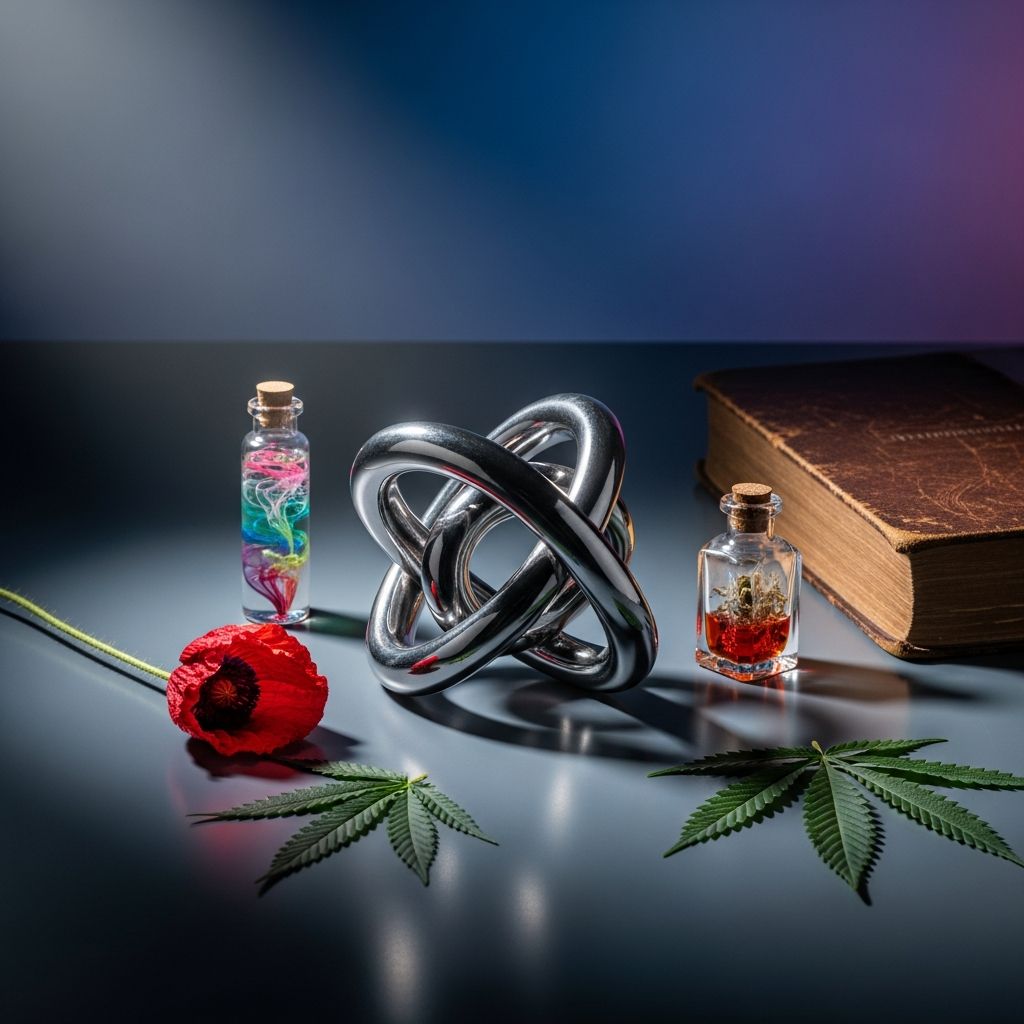
Recreational drugs are chemical substances taken primarily for enjoyment or pleasure rather than medical purposes. While substances like alcohol, tobacco, and caffeine can be considered recreational, this article focuses on other commonly used illegal or controlled drugs. People often start using them to enhance social experiences, experiment, or escape stress, but they carry significant risks of addiction, health harm, social issues, and legal penalties.
What are recreational drugs and why are they used?
Recreational drugs alter mood, perception, or consciousness to provide pleasure or new sensations. Young people and adults try them for various reasons, often influenced by social environments:
- Friends are using them, creating peer pressure or fear of missing out.
- Curiosity about effects and experimentation.
- Seeking relaxation, confidence in social settings, or escapism from worries.
- Desire for happiness, rebellion, or novel perspectives.
- Enjoyment of the immediate sensory or emotional high.
Initial use may feel rewarding, but repeated exposure can lead to tolerance, dependence, and escalating problems. Research shows even weekend-only recreational use can progress to more frequent patterns in over 80% of cases within six months, highlighting the need for caution.
What are the problems with the use of recreational drugs?
Recreational drug use poses multifaceted risks affecting physical health, mental well-being, relationships, finances, employment, and legality. Key issues include:
- Addiction: Many drugs rewire brain reward systems, leading to compulsive use despite harm.
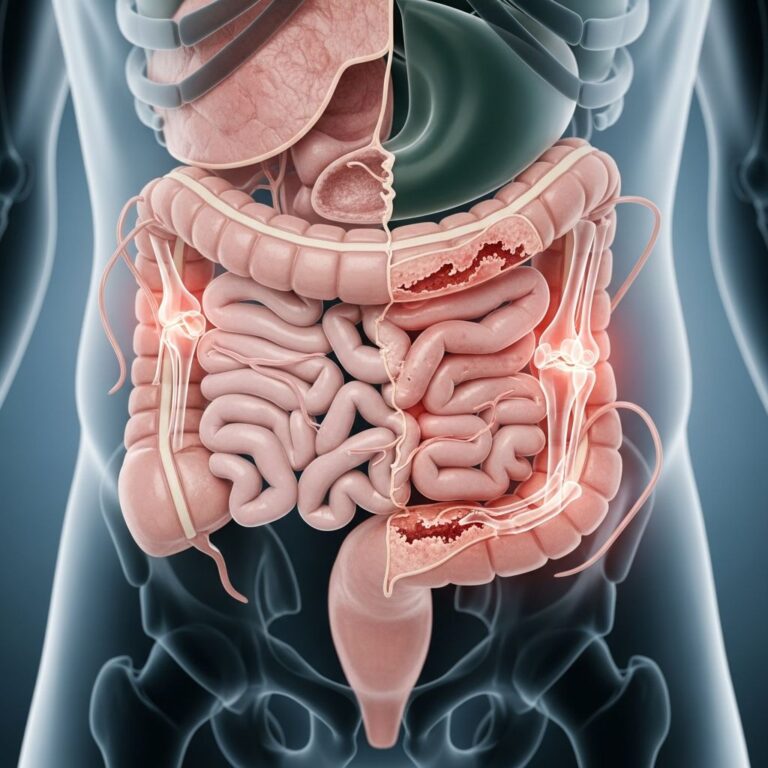
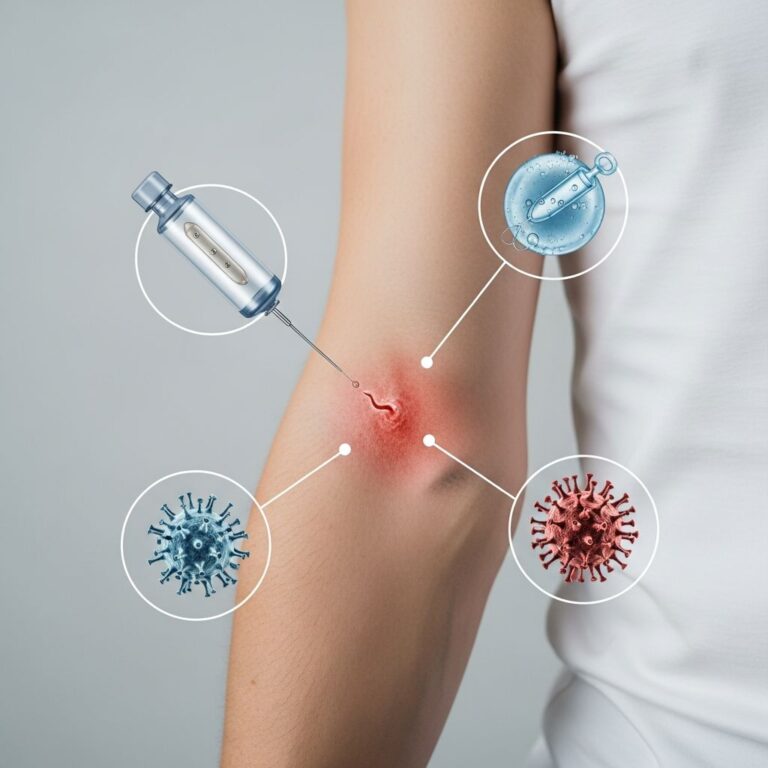
- Physical health: Organ damage (e.g., heart, liver, lungs), infections from needles, or overdose deaths.
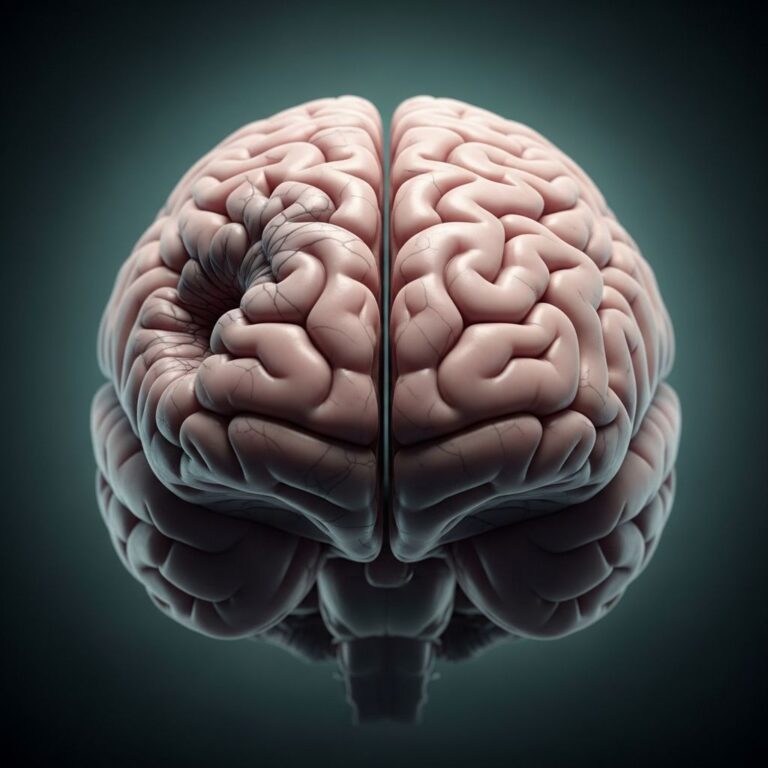
- Mental health: Triggering anxiety, depression, psychosis, or schizophrenia-like symptoms; thousands of annual hospital admissions for drug-induced mental crises.
- Social and legal: Crime involvement, job loss, family breakdown, and imprisonment for possession or supply.
- Overdose and accidents: Impure street drugs increase lethality; heightened risk of fights, crashes, unsafe sex leading to STIs or pregnancy.
Impurity is a major concern—users often ingest unknown adulterants. ‘Drug driving’ is illegal in the UK since 2015, with roadside tests for drugs like cannabis, cocaine, and MDMA above specified limits, carrying penalties similar to drink-driving.
How many people use recreational drugs?
Drug use prevalence varies by age, region, and demographics. In the UK, surveys indicate one in five adults aged 16-59 have used illicit drugs in the past year, with higher rates among 16-24-year-olds (around 19-25%). Cannabis remains most common, followed by powders like cocaine. Teen use has declined slightly, with 25% of 15-year-olds trying drugs at least once in recent studies. Globally, primary care data shows 5-8% of patients engage in some recreational use, often undetected, with risks of progression even from occasional patterns.
Which are the most common recreational drugs used?
The most prevalent illicit recreational drugs in the UK include cannabis, cocaine, MDMA (ecstasy), amphetamines, and others. Usage peaks at parties, festivals, or social gatherings. Below is an overview:
| Drug | Common Forms | Effects | Risks |
|---|---|---|---|
| Cannabis | Resin, herbal, oils | Relaxation, euphoria, altered perception | Mental health issues, lung damage, dependence |
| Cocaine | Powder, crack | Euphoria, alertness, confidence | Heart attacks, addiction, nasal damage |
| MDMA (Ecstasy) | Pills, powder | Empathy, energy, sensory enhancement | Dehydration, overheating, serotonin depletion |
| Amphetamines | Powder, pills (speed) | Energy boost, euphoria | Insomnia, anxiety, heart strain |
| Amyl nitrites (Poppers) | Liquid inhalant | Brief head rush, muscle relaxation | Headaches, blood pressure drops |
Related Stories



Amphetamines
Amphetamines, known as speed or whizz, are stimulants increasing heart rate, alertness, and talkativeness. Users feel confident and energetic, but crashes bring depression and fatigue. Risks include addiction, psychosis, stroke, and heart failure. Class B drug; possession up to 5 years prison.
Amyl nitrates
Amyl nitrites (poppers) are inhaled for a short-lived rush aiding relaxation, especially for anal sex. Effects last minutes, causing dizziness and lowered inhibitions. Dangers: severe headaches, vision loss, fatal interactions with erectile drugs like Viagra. Not classified under Misuse of Drugs Act but regulated.
Cannabis
The most used recreational drug, cannabis induces relaxation and perceptual changes via smoking, vaping, or edibles. Short-term: munchies, laughter, time distortion. Long-term: cognitive impairment, motivation loss, psychosis risk in vulnerable individuals, respiratory issues. Reclassified as Class B; medical forms Schedule 2.
Cocaine
Cocaine delivers intense highs of euphoria and power via snorting, smoking (crack), or injecting. Effects peak fast but crash hard, prompting binges. Harms: cardiovascular collapse, paranoia, nasal septum erosion, severe addiction. Class A; up to 7 years for possession.
MDMA (ecstasy)
MDMA promotes love, energy, and sensory amplification at raves. Pills vary wildly in purity. Risks: hyperthermia, organ failure, ‘suicide Tuesday’ depression. Class A drug with high overdose potential.
Drug classification
UK Misuse of Drugs Act 1971 categorizes drugs by harm:
- Class A: Heroin, cocaine/crack, ecstasy, LSD, meth—max 7 years possession, life for supply.
- Class B: Amphetamines, cannabis, ketamine—5 years possession, 14 for supply.
- Class C: Steroids, GHB, some tranquillisers—2 years possession (steroids personal use exempt).
Schedules under 2001 Regulations control medical access: Schedule 1 (no medical use, e.g., LSD), Schedule 2 (prescribable, e.g., heroin), etc.
Where to get help
If struggling with drug use or dependence, help is available:
- GPs: Confidential advice, referrals to specialists.
- Drug services: Local agencies offer counseling, detox, rehab.
- National helplines: FRANK (0300 123 6600), Narcotics Anonymous.
- Medicines: Methadone/buprenorphine for opioid dependence; therapies for others.
- Family support: Talk openly; avoid confrontation.
Early intervention improves outcomes; dependence is treatable.
Frequently Asked Questions (FAQs)
What if my teen is using drugs?
Stay calm, communicate without judgment, seek professional advice early. Prevalence is ~25% among 15-year-olds, but intervention prevents escalation.
Is weekend-only use safe?
No—54% progress to weekday use in months; monitor closely.
Are all recreational drugs addictive?
Many are, especially stimulants/opioids; even cannabis can lead to dependence.
What’s ‘drug driving’?
Illegal since 2015; zero-tolerance limits for specified drugs like cannabis/cocaine.
Can doctors prescribe these drugs?
Some Schedule 2/3 for medical use, e.g., medicinal cannabis.
References
- Recreational Drugs — Patient.info. 2023. https://patient.info/healthy-living/recreational-drugs
- Recreational Drug Use Among Primary Care Patients — PMC/NIH. 2015-06-10. https://pmc.ncbi.nlm.nih.gov/articles/PMC4427421/
- Drug Dependence Treatment — Patient.info. 2023. https://patient.info/healthy-living/recreational-drugs/medicines-for-drug-dependence
- Drugs in Sport: Medical Advice — Patient.info. 2023. https://patient.info/doctor/drug-therapy/drugs-and-sport
- Cocaine Addiction and Abuse — Patient.info. 2023. https://patient.info/doctor/mental-health/cocaine-addiction-and-abuse
Similar Articles








Read full bio of Sneha Tete