Recreational Drugs: Essential Guide To Risks, Laws, And Help
Understanding recreational drugs: risks, prevalence, common types, legal status, and pathways to help for safer choices.
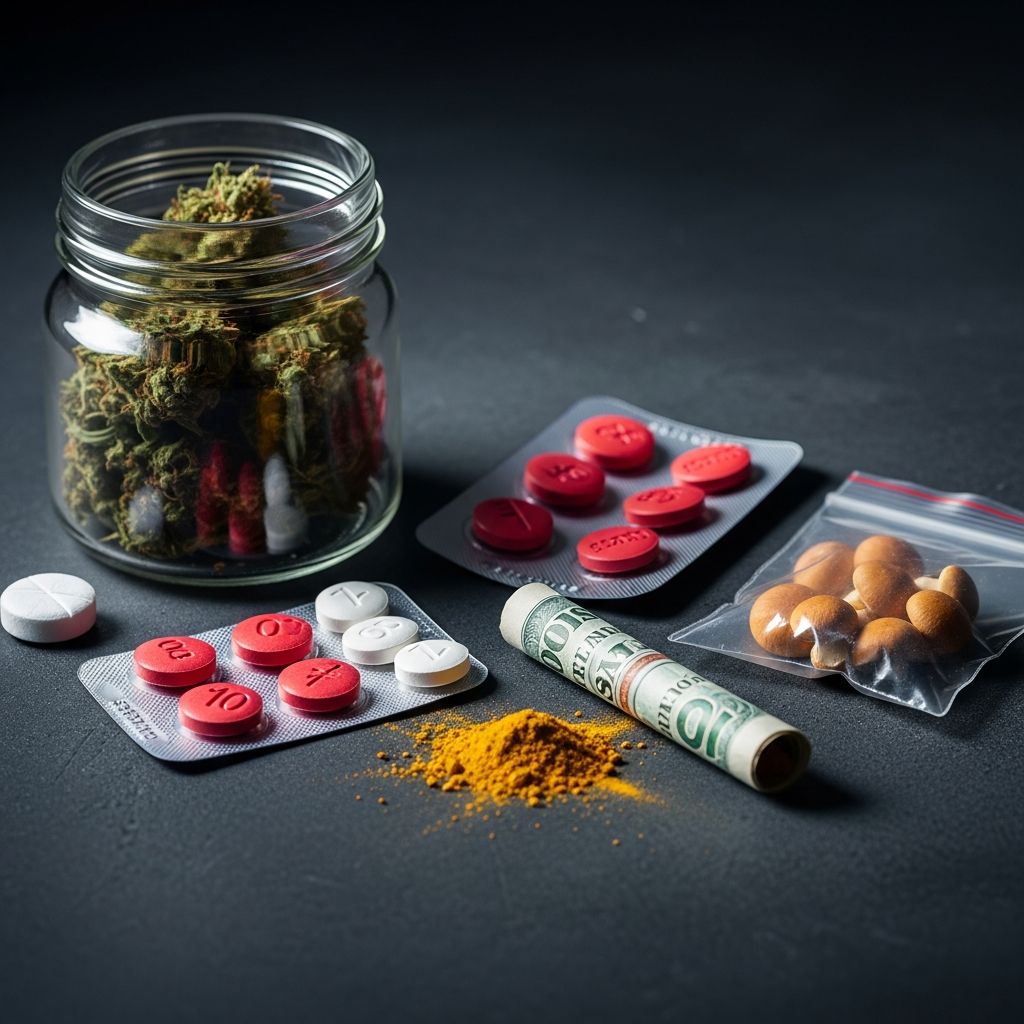
Recreational drugs are chemical substances taken primarily for enjoyment or pleasure rather than medical purposes. While alcohol, tobacco, and caffeine fit this category, this article focuses on other commonly used illicit substances, their appeal, associated risks, prevalence, specific types, legal classifications in the UK, and available support.
What are recreational drugs and why are they used?
Recreational drugs encompass a wide range of substances that alter mood, perception, or consciousness to provide pleasurable effects. People, especially young adults, experiment with them for various reasons, often influenced by social dynamics or personal curiosities.
- Peer pressure: Friends using drugs can create a fear of missing out or appearing uncool, leading individuals to try them.
- Curiosity and experimentation: Many are drawn to the novel sensations or altered states these substances promise.
- Emotional relief: Drugs may temporarily ease stress, anxiety, boost confidence, or help forget problems.
- Social enhancement: They can make interactions feel more relaxed or euphoric, heightening enjoyment at parties or gatherings.
- Rebellion: Using drugs serves as a form of defiance against authority or societal norms.
These motivations often start innocently but can escalate, as initial positive experiences encourage repeated use.
What are the problems with the use of recreational drugs?
Despite their appeal, recreational drugs pose significant health, social, and legal risks. Short-term effects include impaired judgment leading to accidents, while long-term use fosters addiction and chronic conditions.
Health risks
- Addiction: Repeated use rewires the brain’s reward system, making quitting difficult and leading to dependence.
- Mental health issues: Drugs can trigger unusual behaviors, exacerbate or cause depression, anxiety, or psychosis like schizophrenia. Thousands of hospital admissions annually stem from drug-related mental crises.
- Overdose: Impure street drugs increase lethality risks; users may misjudge doses, resulting in severe illness or death.
- Physical harm: Increased accident proneness, fights, and risky sexual behavior heighten chances of injuries, STIs, or unintended pregnancies.
Social and legal consequences
Drug use often leads to job loss, relationship breakdowns, financial strain, and criminal records due to illegality. Possession or supply can result in imprisonment and fines.
How many people use recreational drugs?
Drug use is widespread, particularly among younger demographics. In the UK, surveys indicate that around one in five adults aged 16-59 have used illicit drugs in the past year, with higher rates among 16-24-year-olds reaching over 30%. Cannabis remains the most common, followed by powders like cocaine. Prevalence data underscores the public health challenge, with primary care patients showing 5-8% illegal drug use rates, often undetected.
Studies on patterns reveal that ‘weekend-only’ recreational users (about 10% of users) may progress to weekday use, with over half shifting patterns within six months, highlighting the risk of escalation even from occasional use.
Which are the most common recreational drugs used?
The most prevalent illicit recreational drugs in the UK include cannabis, cocaine, MDMA (ecstasy), amphetamines, and others. Usage varies by region and demographic, but these dominate reports.
Amphetamines
Amphetamines, often called speed, are stimulants that increase energy and alertness. Users experience euphoria but face risks like anxiety, insomnia, heart strain, and addiction. Class B drugs, they are non-injectable forms.
Amyl nitrates
Known as poppers, these inhalants cause a rush of blood to the head, producing a brief high. Popular in club scenes, they relax muscles but can cause headaches, dizziness, and interact dangerously with erectile dysfunction drugs.
Related Stories



Cannabis
The most widely used recreational drug, cannabis (weed, skunk) induces relaxation and altered perception via smoking or edibles. Short-term effects include impaired coordination and memory; long-term risks involve mental health disorders, especially in heavy users. It’s a Class B drug, with medical forms in Schedule 2.
Cocaine
This powerful stimulant provides intense euphoria and confidence, more so when smoked (crack) or injected. Binge use leads to paranoia, heart issues, and a harsh crash. Classified as Class A, it’s highly addictive.
MDMA (ecstasy)
Common at raves, ecstasy heightens empathy, energy, and sensory pleasure. Risks include dehydration, overheating, serotonin depletion causing depression, and fatal overdose. Class A drug.
Other notables include heroin (opioid depressant, Class A), LSD (hallucinogen, Schedule 1), ketamine (dissociative anesthetic, Class B), and novel psychoactive substances.
Legal classification of drugs
UK law categorizes drugs into Classes A, B, and C based on harm potential, with penalties escalating accordingly.
| Class | Examples | Possession Penalty | Supply Penalty |
|---|---|---|---|
| Class A | Cocaine, crack, heroin, ecstasy, LSD, methadone | Up to 7 years prison + fine | Life imprisonment + fine |
| Class B | Amphetamines, cannabis, ketamine, mephedrone | Up to 5 years prison + unlimited fine | Up to 14 years prison + unlimited fine |
| Class C | Anabolic steroids, GHB, minor tranquillisers | Up to 2 years prison + unlimited fine | Up to 14 years prison + unlimited fine |
Additionally, the Misuse of Drugs Regulations schedule drugs for medical use:
- Schedule 1: No medical use (e.g., LSD, ecstasy); strictly licensed.
- Schedule 2: Prescribable (e.g., heroin, cocaine for medicine).
- Schedule 3: Barbiturates, benzodiazepines with controls.
- Schedule 4: Minor tranquillisers, steroids.
‘Drug driving’ – the new offence
Since March 2015, driving with specified controlled drugs above legal limits (e.g., cannabis, cocaine, MDMA, heroin) is illegal, akin to drink-driving. Limits aim to distinguish recreational traces from impairment, but any use risks prosecution.
Frequently Asked Questions (FAQs)
Q: Why do young people start using recreational drugs?
A: Common reasons include peer pressure, curiosity, seeking relaxation, confidence boosts, or rebellion against norms.
Q: What are the most serious health risks of recreational drugs?
A: Overdose, mental health disorders like schizophrenia or depression, addiction, and increased accident risks.
Q: Is occasional ‘weekend-only’ drug use safe?
A: No, over half of such users progress to more frequent use within months, with risks of escalation in severity.
Q: What should I do if I or someone I know has a drug problem?
A: Seek help from GPs, drug services like FRANK (0300 123 6600), or Narcotics Anonymous. Treatments include counseling and medications.
Q: Are all recreational drugs illegal?
A: Most are, classified A-C, but some like cannabis-based medicines have Schedule 2 exceptions with prescriptions.
Getting help for drug problems
If struggling with drugs, professional support is effective. Options include:
- Talk to your GP: For assessments and referrals.
- National helplines: FRANK offers confidential advice.
- Specialist services: Community drug teams provide detox, counseling, and substitution therapies like methadone.
- Support groups: Narcotics Anonymous for peer recovery.
Early intervention improves outcomes, treating dependence as a medical condition.
References
- Recreational Drugs — Patient.info. 2023. https://patient.info/healthy-living/recreational-drugs
- Recreational Drug Use Among Primary Care Patients — National Institutes of Health (PMC). 2015-06-10. https://pmc.ncbi.nlm.nih.gov/articles/PMC4427421/
- Drug Dependence Treatment (Drug Addiction Recovery) — Patient.info. 2023. https://patient.info/healthy-living/recreational-drugs/medicines-for-drug-dependence
- Drug Misuse and Dependence — Patient.info (UK Doctors). 2023. https://patient.info/doctor/mental-health/drug-misuse-and-dependence
- Cocaine Addiction and Abuse — Patient.info (UK Doctors). 2023. https://patient.info/doctor/mental-health/cocaine-addiction-and-abuse
Similar Articles








Read full bio of Sneha Tete