Recreational Water Illness: 7 CDC Tips For Safe Swimming
Protect your family from infections linked to pools, lakes, and oceans by understanding causes, symptoms, and prevention strategies.

Recreational water illness (RWI) refers to infections caused by germs in water used for swimming or play, such as pools, hot tubs, lakes, rivers, and oceans. These illnesses spread through contaminated water via ingestion, inhalation of aerosols, or skin contact, affecting the gastrointestinal tract, respiratory system, skin, ears, eyes, or central nervous system.
What Is Recreational Water Illness?
RWIs encompass a range of conditions from diarrhea to severe infections like pneumonia or skin rashes. The Centers for Disease Control and Prevention (CDC) tracks outbreaks, noting 208 treated water outbreaks from 2015–2019 and 119 untreated water outbreaks from 2009–2019 across 31 states, causing over 5,240 cases. Common in summer, 87% of untreated outbreaks occur June–August.
Germs thrive in recreational water due to fecal contamination from swimmers, stormwater runoff, sewage overflows, animal waste, or septic leaks. Unlike treated pool water, natural waters like lakes and rivers often lack monitoring, increasing risks.
Causes of Recreational Water Illness
RWIs stem from bacteria, viruses, parasites, algae, and chemicals. Key pathogens include:
- Cryptosporidium (Crypto): Chlorine-resistant parasite causing diarrhea; leading cause in treated water.
- Giardia: Parasite surviving chlorination, linked to watery diarrhea.
- Norovirus: Virus causing vomiting and diarrhea; implicated in 22% of untreated outbreaks (1,858 cases).
- Shigella and STEC (Shiga toxin-producing E. coli): Bacteria from fecal matter; caused outbreaks in rivers and lakes.
- Legionella: Bacteria in hot tubs forming aerosols, leading to Pontiac fever or Legionnaires’ disease.
- Vibrio vulnificus: In brackish water, dangerous for those with wounds, diabetes, or liver issues.
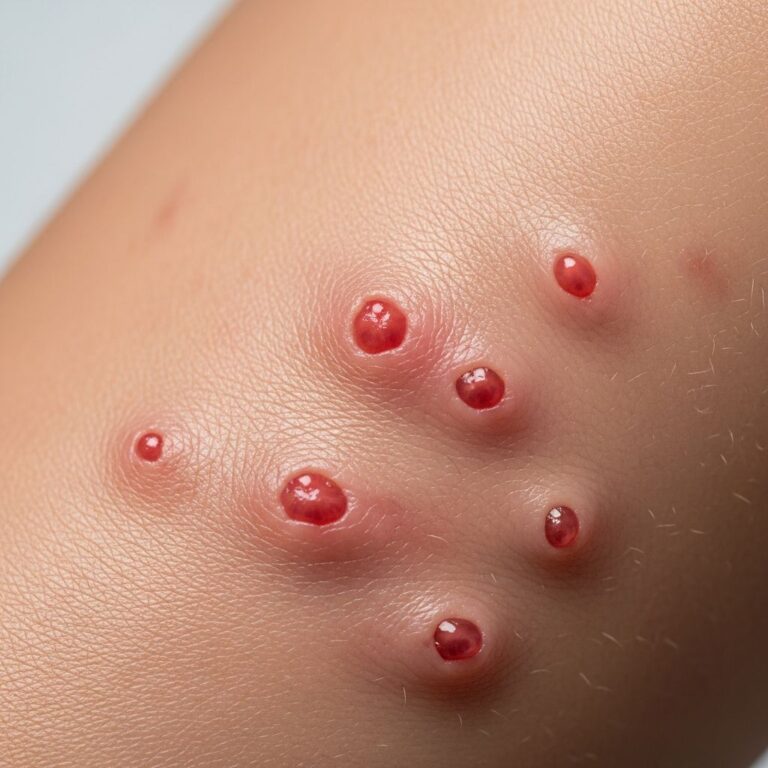
- Pseudomonas aeruginosa: Causes folliculitis (hot tub rash) and swimmer’s ear.
Epidemiological studies confirm elevated gastrointestinal illness risk for bathers, especially where non-point pollution impacts sites. Field studies report 3%–8% diarrhea rates post-swimming.
Symptoms of Recreational Water Illness
Symptoms vary by pathogen and exposure route:
| Illness Type | Common Symptoms | Incubation Period |
|---|---|---|
| Gastrointestinal (e.g., Crypto, Norovirus) | Diarrhea, vomiting, stomach cramps, nausea | 2–10 days (Crypto); 12–48 hours (Norovirus) |
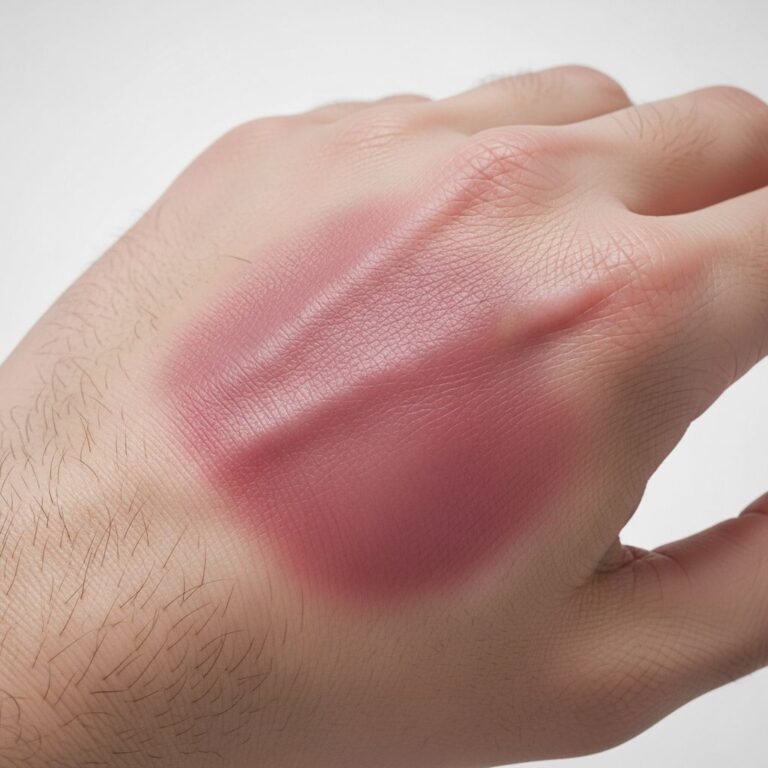
| Skin (Folliculitis, Swimmer’s Itch) | Rash, itchy bumps, red eyes | Hours to days |
| Respiratory (Legionella) | Cough, fever, pneumonia | 2–10 days |
| Ear/Eye (Otitis, Conjunctivitis) | Ear pain, red eyes, discharge | 24–48 hours |
| Neurologic (Naegleria fowleri) | Headache, fever, stiff neck | 1–9 days |
Norovirus outbreaks show median 38-hour incubation and 24-hour duration, with 80% vomiting. STEC cases had medians age 29, with swallowing water as a key risk (OR=3.80).
High-Risk Groups
Certain populations face greater dangers:
- Children under 5: Swallow more water, play in contaminated shallows; 3%–8% AGI risk, higher IBS post-infection.
- Elderly and immunocompromised: Vulnerable to severe outcomes like dehydration or secondary infections.
- Those with open wounds, diabetes, liver disease: High Vibrio risk in brackish water.
- Young children in outbreaks: Median age 7 in river Shigella cases.
Annually, ~2,000 U.S. cases reported, 10% hospitalized.
Treatment for Recreational Water Illness
Most RWIs are self-limiting; focus on hydration and symptom relief. Specifics:
- Diarrhea/Vomiting: Oral rehydration; avoid antidiarrheals for Crypto.
- Bacterial (Shigella, STEC): Antibiotics if severe; monitor for hemolytic uremic syndrome.
- Parasitic (Crypto, Giardia): Nitazoxanide or metronidazole.
- Legionella/Vibrio: Early antibiotics critical; hospitalization for pneumonia or sepsis.
- Leptospirosis: Doxycycline; untreated risks Weil disease (organ failure).
Related Stories



Seek care for persistent symptoms, dehydration, or high-risk patients. Post-infectious IBS affected 38% of severely ill adults.
Prevention Tips
Prevent RWIs with these CDC-recommended strategies:
- Do not swim with diarrhea; wait 2 weeks post-infection.
- Avoid swallowing water; shower before swimming.
- Check for beach closures, water quality advisories; skip cloudy post-rain water.
- Wash hands after bathroom use, diaper changes; take kids on frequent breaks.
- Maintain pools: proper chlorine (1–3 ppm), pH 7.2–7.8; clean filters.
- For hot tubs: Ensure 5 ppm bromine/chlorine minimum.
- High-risk individuals avoid brackish/freshwater with wounds.
Swimmers contaminating water spread germs; enteric pathogens enter via feces, vomit, runoff.
Outbreak Examples
CDC reports illustrate risks:
- Minnesota STEC O145 (2019): 69 cases at lake beach; swallowing water (OR=3.80), age ≤10 (OR=2.90) risks.
- Maine Norovirus (2019): Pond beach; swallowing/submersion tripled illness risk.
- California Shigella (2018): River swim area; unmonitored shallows, E. coli 350–1,600/100mL.
24 natural water outbreaks in 2009–2010, many from Crypto, Giardia, norovirus.
Frequently Asked Questions (FAQs)
What causes most recreational water illnesses?
Cryptosporidium, norovirus, E. coli, and Shigella from fecal contamination.
Who is most at risk for RWIs?
Children under 5, elderly, immunocompromised, and those swallowing water.
How can I prevent getting sick from swimming?
Don’t swim sick, avoid swallowing water, check advisories, shower before/after.
Is pool water safe if it smells like chlorine?
No; chlorine masks germs like Crypto. Test levels properly.
What should I do if I get diarrhea after swimming?
Hydrate; see a doctor if severe or in high-risk groups.
Can RWIs cause long-term problems?
Yes, post-infectious IBS in up to 38% of severe cases.
By following prevention guidelines and recognizing symptoms early, families can enjoy water activities safely. Stay informed via CDC surveillance for local risks.
References
- Outbreaks Associated with Untreated Recreational Water — CDC. 2020-06-25. https://www.cdc.gov/mmwr/volumes/69/wr/mm6925a3.htm
- Recreational Waterborne Illnesses: Recognition, Treatment — AAFP. 2017-05-01. https://www.aafp.org/pubs/afp/issues/2017/0501/p554.html
- Recreational water–related illness: Office management and prevention — PMC (Can Fam Physician). 2013-05. https://pmc.ncbi.nlm.nih.gov/articles/PMC3653650/
- Recreational Water and Infection: A Review of Recent Findings — PMC (Curr Environ Health Rpt). 2015-03. https://pmc.ncbi.nlm.nih.gov/articles/PMC4371824/
- Prevention of Illnesses Associated With Recreational Water Use — AAP Red Book. 2021. https://publications.aap.org/redbook/book/755/chapter/14074992/Prevention-of-Illnesses-Associated-With
Similar Articles








Read full bio of Sneha Tete