Rectal Bleeding: Causes, Colors & Treatments
Understanding rectal bleeding: Learn about causes, symptoms, and when to seek medical care.
Understanding Rectal Bleeding: Causes, Colors & Treatments
Rectal bleeding, medically known as hematochezia, is a symptom that affects many individuals and can result from various conditions ranging from minor to serious. While the sight of blood can be alarming, it’s important to understand that rectal bleeding has many potential causes, and a healthcare provider can help determine what’s causing yours and what treatment may be necessary. Some causes, like hemorrhoids, may not require treatment, while others, such as colorectal cancer, demand urgent medical attention. Understanding the differences between these causes and recognizing when to seek medical care is essential for your health and peace of mind.
Common Causes of Rectal Bleeding
Rectal bleeding can occur due to numerous conditions affecting different parts of your digestive tract. The most common causes include:
- Hemorrhoids: Swollen veins inside your rectum or outside your anus that can cause bleeding, pain, and itching
- Anal Fissures: Small tears in the lining of your anus that cause pain and bleeding during bowel movements
- Inflammatory Bowel Disease (IBD): Conditions like Crohn’s disease and ulcerative colitis that cause inflammation and bleeding in the digestive tract
- Colorectal Cancer: A serious condition requiring urgent care and treatment
- Ulcers: Open sores in the digestive tract that can bleed
- Proctitis: Inflammation of the rectum causing pain, bleeding, and discharge
- Polyps: Non-cancerous growths in the colon that may bleed
- Diverticular Disease: Small pouches in the colon wall that can become infected or bleed
The Significance of Blood Color
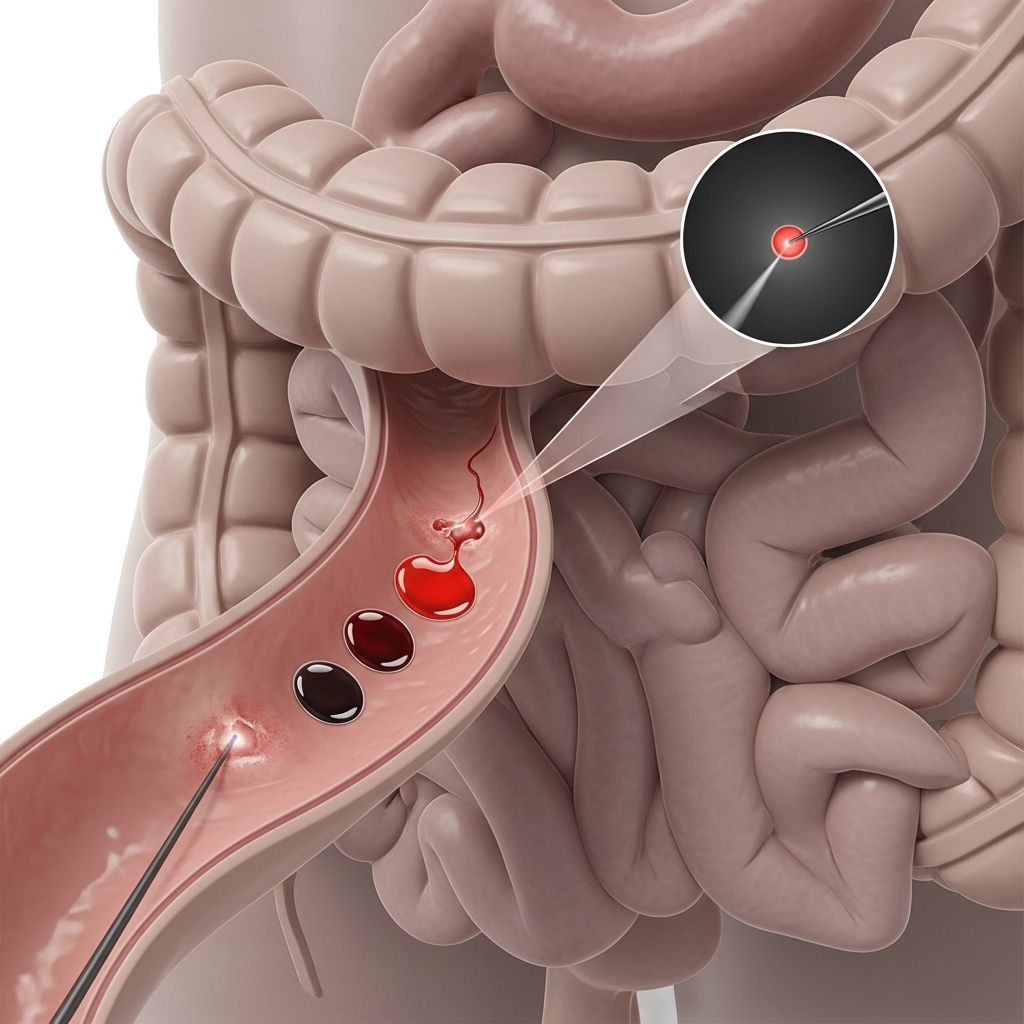
One of the most helpful indicators when evaluating rectal bleeding is the color of the blood. Blood color can provide valuable clues about where the bleeding is originating in your digestive tract. Think of blood color as indicative of travel time through your digestive system. Blood from your esophagus takes longer to pass through your body than blood from an anal fissure. During this transit, the color and consistency of the blood change significantly.
Bright Red Blood: Bright red blood typically indicates bleeding close to your anus. This color usually suggests sources such as hemorrhoids, anal fissures, or other conditions in the lower rectum or anal area. Bright red blood often appears on toilet paper or coating the stool surface.
Dark Red or Maroon Blood: Blood that appears darker red or maroon in color suggests a source further up in your digestive tract, such as the colon or small intestine. This blood has had more time to change color as it moves through your system.
Black or Tarry Stools (Melena): Very dark, almost black stools indicate bleeding from higher in your digestive tract, such as the stomach or esophagus. This represents upper gastrointestinal bleeding that requires prompt medical evaluation.
The redder the blood, the closer to your anus the origin point will be. Understanding this principle helps you and your healthcare provider narrow down the possible causes of your bleeding.
Distinguishing Rectal Bleeding from Other Causes
Before concluding that you have rectal bleeding, it’s important to consider what you’ve consumed recently. Several foods and medications can alter stool color and create the appearance of bleeding. Red-pigmented foods like beets, red peppers, and red food coloring can make stool appear red. Additionally, certain medications, particularly iron supplements and bismuth subsalicylate (found in some antidiarrheal medications), can change stool color to black or very dark brown. Taking time to reflect on your recent diet and medications can help you determine whether you’re actually experiencing bleeding or if the color change is benign.
Related Stories



When to Seek Medical Attention
While many causes of rectal bleeding are benign and easily treatable, some conditions require urgent medical evaluation. You should seek immediate medical attention if you experience:
- Continuous or heavy bleeding that doesn’t stop
- Nausea or vomiting
- Dizziness or lightheadedness
- Severe abdominal or rectal pain
- Signs of anemia such as fatigue and weakness
- Bleeding accompanied by fever
- Rectal bleeding combined with weight loss or changes in bowel habits
Even if your bleeding seems minor, you should schedule an appointment with your healthcare provider if it persists, recurs, or is accompanied by other symptoms. Because rectal bleeding has many causes—some routine, others rare—it’s important to pay close attention to the kind, severity, and duration of your symptoms. These factors determine the type of medical attention you need and the urgency with which you need it.
Diagnosis of Rectal Bleeding
Your healthcare provider will begin by taking a detailed medical history and asking about your symptoms. Important information includes when the bleeding started, how often it occurs, whether it’s associated with bowel movements, and any accompanying symptoms like pain or itching.
Physical Examination: A digital rectal examination is a standard part of diagnosing rectal bleeding. During this examination, your healthcare provider looks for skin tags, sphincter tone, anal hygiene, and other relevant findings. They may also perform the Valsalva maneuver to assess hemorrhoids. Red flags that might indicate colorectal cancer include a mass with or without hemorrhoidal sacs or a bleeding source above the level of internal hemorrhoids.
Endoscopic Evaluation: Since rectal bleeding can indicate several diseases, including colorectal cancer, endoscopic evaluation is often necessary. Healthcare providers typically recommend endoscopic evaluation for patients over age 40 with rectal bleeding, especially those with a family history of colorectal cancer. Common procedures include rigid proctoscopy, flexible sigmoidoscopy, or colonoscopy. These procedures allow your healthcare provider to visualize the bleeding source and obtain tissue samples if needed.
Treatment Options for Rectal Bleeding
Treatment for rectal bleeding depends entirely on the underlying cause. Your healthcare provider will work with you to determine the cause and develop an appropriate treatment plan.
Conservative Management
For many cases of rectal bleeding, especially those caused by hemorrhoids or anal fissures, conservative management is the first approach. This includes:
- Increasing dietary fiber intake through whole grains, fruits, and vegetables
- Drinking adequate water to stay hydrated
- Using stool softeners to ease bowel movements
- Taking warm sitz baths to relieve symptoms
- Avoiding prolonged sitting on the toilet
- Using topical ointments for hemorrhoids or anal fissures
- Avoiding straining during bowel movements
Office-Based Treatments
When conservative management isn’t effective, office-based treatments are available for certain types of hemorrhoids. These treatments include rubber band ligation, infrared photocoagulation, and sclerotherapy, which are commonly used for grade I, II, and III hemorrhoids. The primary goal of these treatments is to decrease blood flow into the hemorrhoidal sac. The American Society of Colorectal Surgeons (ASCRS) guidelines strongly recommend office-based treatments for patients with grade I and II hemorrhoids, and for some with grade III hemorrhoids.
While office-based treatments are highly effective with uncommon major complications, recurrence rates can be high, requiring additional treatments. Pain is a common symptom after these procedures, and bleeding may also occur. Patients should be closely observed for fever and urinary problems, as septic complications can develop.
Surgical Interventions
For high-grade, symptomatic hemorrhoids that don’t respond to other treatments, surgical hemorrhoidectomy may be recommended. This is the most effective modality with the lowest recurrence rates, although it causes more pain than conservative methods. Fiber supplements along with dietary and lifestyle changes remain the baseline of management regardless of disease grade.
Special Considerations
Pregnant Patients: Conservative treatment is the main approach for pregnant patients because most hemorrhoids regress after childbirth. This includes increased dietary fiber, stool softeners, and sitz baths. Kegel exercises and lying on the left side are also recommended. Any office-based or surgical intervention should be postponed until after childbirth if possible.
Immunosuppressed and Anticoagulant Patients: Patients who are immunosuppressed or taking anticoagulant therapy are more prone to serious complications such as sepsis and profuse bleeding. Conservative management should be used in these patients as well. Patients on immunosuppressive agents should stop taking them and start antibiotics before any intervention, while those on anticoagulant or antiplatelet medications should stop them one week before any procedure.
Managing Rectal Bleeding at Home
If home remedies aren’t alleviating your symptoms or you’re continuing to bleed, it’s time to get medical attention. However, while awaiting your appointment, several home care strategies can help manage symptoms:
- Keep the anal area clean and dry
- Use unscented, alcohol-free wet wipes instead of dry toilet paper
- Soak in warm water for 10-15 minutes several times daily
- Take over-the-counter pain relievers as directed
- Use hemorrhoid creams or pads if appropriate for your condition
- Increase water intake gradually to avoid constipation
- Wear breathable cotton underwear
Prevention Strategies
While not all causes of rectal bleeding can be prevented, certain lifestyle modifications can reduce your risk:
- Maintain a high-fiber diet to promote regular, soft bowel movements
- Drink plenty of water throughout the day
- Exercise regularly to maintain digestive health
- Avoid prolonged sitting and straining on the toilet
- Don’t ignore the urge to have a bowel movement
- Use proper toilet hygiene and avoid aggressive wiping
- Limit alcohol and caffeine consumption
- Consider regular screening if you have risk factors for colorectal cancer
Frequently Asked Questions
Q: Is rectal bleeding always a sign of a serious condition?
A: No. While rectal bleeding can indicate serious conditions like colorectal cancer, the majority of cases result from benign causes like hemorrhoids and anal fissures. However, all instances of rectal bleeding should be evaluated by a healthcare provider to rule out serious conditions and determine the underlying cause.
Q: How can I tell the difference between hemorrhoid bleeding and other causes?
A: Hemorrhoid bleeding typically appears as bright red blood on toilet paper or coating the stool surface. Hemorrhoids may also cause itching and discomfort. However, a healthcare provider should examine you to confirm the cause, as other conditions can produce similar symptoms.
Q: Should I be embarrassed to discuss rectal bleeding with my doctor?
A: No. Don’t be embarrassed to talk to a healthcare provider about rectal bleeding. These are important symptoms, and healthcare providers deal with them regularly. Providing complete and honest information about your symptoms will help them determine the type of care you need.
Q: Can rectal bleeding go away on its own?
A: Some cases of rectal bleeding, particularly those caused by hemorrhoids or minor anal fissures, may improve with conservative home care. However, persistent or recurrent bleeding should always be evaluated by a healthcare provider to ensure no serious underlying condition is present.
Q: What should I do if I have heavy rectal bleeding?
A: If you’re experiencing continuous or heavy rectal bleeding, especially if accompanied by dizziness, nausea, vomiting, or signs of shock, seek immediate medical attention at an emergency room or call emergency services. Heavy bleeding requires urgent evaluation and treatment.
Q: When should I have a colonoscopy for rectal bleeding?
A: Healthcare providers typically recommend colonoscopy or other endoscopic evaluation for patients over age 40 with rectal bleeding, particularly those with a family history of colorectal cancer or who have persistent unexplained bleeding.
Q: Can I treat rectal bleeding myself with over-the-counter products?
A: While over-the-counter hemorrhoid treatments can help manage symptoms of known hemorrhoid-related bleeding, you should not self-diagnose. It’s essential to have a healthcare provider evaluate your bleeding to determine its cause before starting any treatment.
When to Contact Your Healthcare Provider
While there are many possible causes of rectal bleeding, and the most common ones are easy to find and fix, it’s important to contact your healthcare provider if you experience rectal bleeding. Keep in mind that bleeding evokes a special concern, especially when you can’t see where it’s coming from. It might feel hard to wait for a medical appointment to find out what your rectal bleeding means, but prompt evaluation is important for your health.
If you need care fast, many healthcare systems offer express care and urgent care locations that treat various conditions without requiring an appointment. Don’t delay seeking medical evaluation for persistent or concerning rectal bleeding, as early diagnosis of serious conditions significantly improves treatment outcomes.
References
- Hemorrhoids: A range of treatments — Cleveland Clinic Journal of Medicine. 2019. https://www.ccjm.org/content/86/9/612
- What To Do if You Have Rectal Bleeding (With or Without Pain) — Cleveland Clinic. 2025. https://health.clevelandclinic.org/what-to-do-if-you-have-rectal-bleeding-pain
- Hemorrhoids: Symptoms, Causes & Treatment — Cleveland Clinic. Last reviewed 05/05/2025. https://my.clevelandclinic.org/health/diseases/15120-hemorrhoids
- Anal Fissure: What It Is, Symptoms, Causes & Treatment — Cleveland Clinic. https://my.clevelandclinic.org/health/diseases/13177-anal-fissures
- Proctitis: What it is, Symptoms, Causes & Treatment — Cleveland Clinic. https://my.clevelandclinic.org/health/diseases/5964-proctitis
- Gastrointestinal (GI) Bleeding: Symptoms, Diagnosis, Treatment — Cleveland Clinic. https://my.clevelandclinic.org/health/diseases/23391-gastrointestinal-gi-bleeding
- Rectal Cancer: Symptoms, Causes & Treatment — Cleveland Clinic. https://my.clevelandclinic.org/health/diseases/21733-rectal-cancer
Similar Articles








Read full bio of Sneha Tete