Rectal Cancer Symptoms: 8 Warning Signs You Should Know
Recognizing rectal cancer symptoms early can lead to timely diagnosis and improved outcomes. Learn the signs, risk factors, and when to seek medical help.
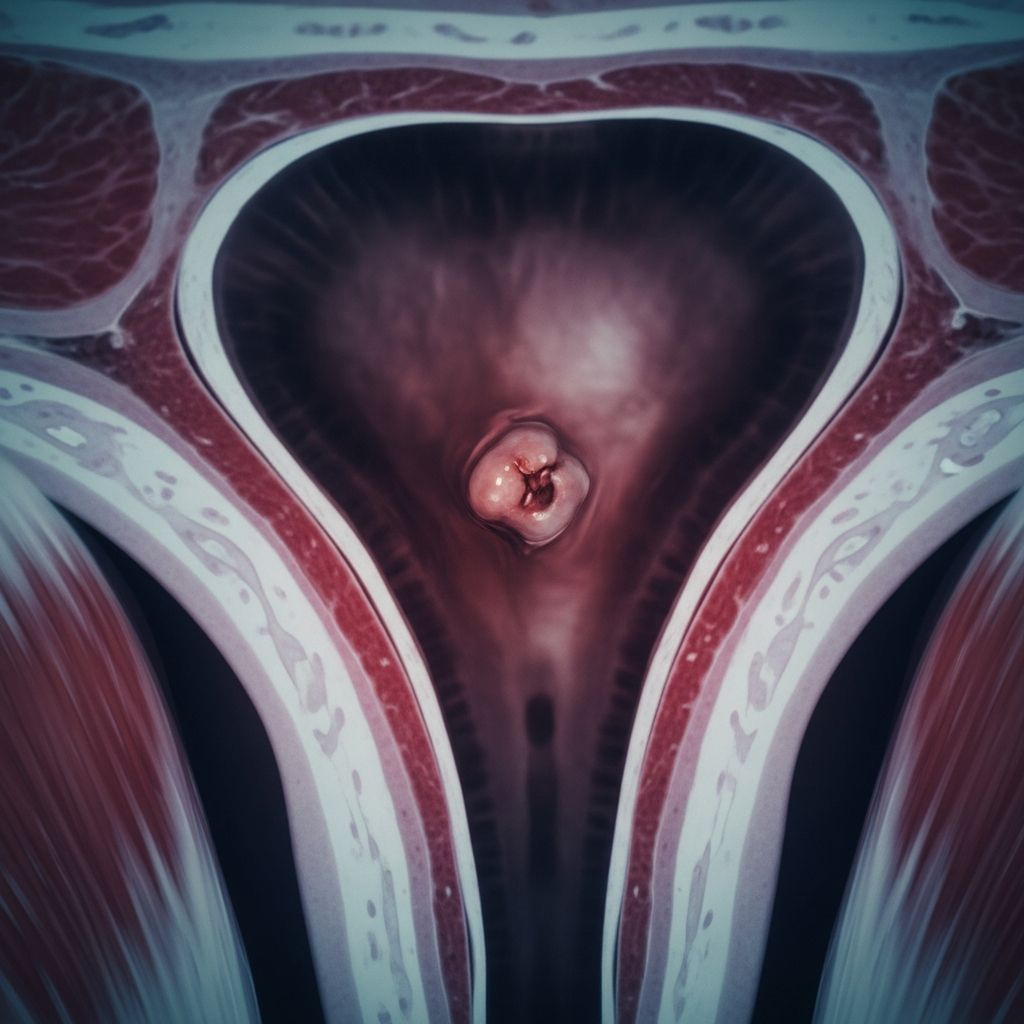
Rectal cancer develops in the rectum, the final section of the large intestine leading to the anus. Early detection is critical as symptoms often appear in advanced stages, but recognizing them can significantly improve outcomes. Common signs include changes in bowel habits and rectal bleeding.
What Is Rectal Cancer?
Rectal cancer begins as abnormal cell growth in the rectum, forming a tumor that can invade nearby tissues and potentially spread to organs like the liver or lungs. Most cases are adenocarcinomas, originating from glandular cells in the rectal lining. The disease may not cause noticeable symptoms initially, making routine screening essential, especially for those over 45 or with risk factors.
In young adults under 50, rectal cancer incidence is rising, with studies showing 95% of patients presenting with symptoms like pain, altered bowel habits, and bleeding. Over 85% report multiple symptoms persisting for months before diagnosis.
Rectal Cancer Symptoms
Symptoms typically emerge as the tumor grows, affecting bowel function and causing discomfort. They overlap with less serious conditions like hemorrhoids, but persistence warrants investigation.
- Change in bowel habits: Diarrhea, constipation, or more frequent stools, lasting over a few days.
- Incomplete evacuation: Feeling that the bowel doesn’t empty fully after a movement.
- Rectal bleeding: Bright red or dark maroon blood in stool; common in 53% of young patients.
- Narrow stools: Pencil-thin stools due to tumor obstruction.
- Abdominal or rectal pain: Cramping, pressure, or pain, reported in 63% of cases.
- Unexplained weight loss: Occurring without diet or exercise changes, seen in 32%.
- Fatigue or weakness: From anemia due to chronic bleeding.
- Mucus or blood in stool: Additional discharge noted alongside other changes.
Hemorrhoid-related bleeding is usually bright red and tied to bowel movements, whereas cancer bleeding can occur anytime and mix with stool. In a study of 286 young patients, pain was the top symptom (63%), followed by bowel changes (54%) and bleeding (53%). Symptoms often lasted months, delaying diagnosis.
Rectal Cancer vs. Hemorrhoids
Distinguishing rectal cancer from hemorrhoids is challenging without examination. Hemorrhoids cause bright red blood on toilet paper or in the bowl, primarily during straining. Cancer bleeding may darken stool or appear intermittently. Other hemorrhoid signs include itching or pain around the anus, absent in early cancer.
| Symptom | Rectal Cancer | Hemorrhoids |
|---|---|---|
| Bleeding Color | Dark maroon or bright red, anytime | Bright red, during/after BM |
| Stool Changes | Narrow, frequent changes | Normal shape |
| Pain | Abdominal/rectal cramping | Anal itching/pain |
| Duration | Persistent weeks/months | Intermittent, short-term |
Any rectal bleeding requires prompt medical evaluation, as self-diagnosis risks missing cancer.
Risk Factors for Rectal Cancer
Several factors elevate risk, many modifiable through lifestyle.
- Age: Most common over 50, but rising in younger adults.
- Family history: Inherited syndromes like Lynch or FAP increase odds; genetic testing advised.
- Inflammatory bowel disease: Ulcerative colitis or Crohn’s heightens risk.
- Lifestyle: Diets low in fiber/high in red meat, smoking, obesity, inactivity.
- Polyps: Precancerous growths in rectum or colon.
Young patients (median age 44) often have family history or IBD, with 56% under 45 in one cohort.
Complications of Rectal Cancer
Untreated, rectal cancer leads to serious issues.
Related Stories



- Rectal bleeding: Can cause severe anemia requiring urgent intervention.
- Intestinal obstruction: Tumor blocks passage, causing bloating, vomiting; may need surgery.
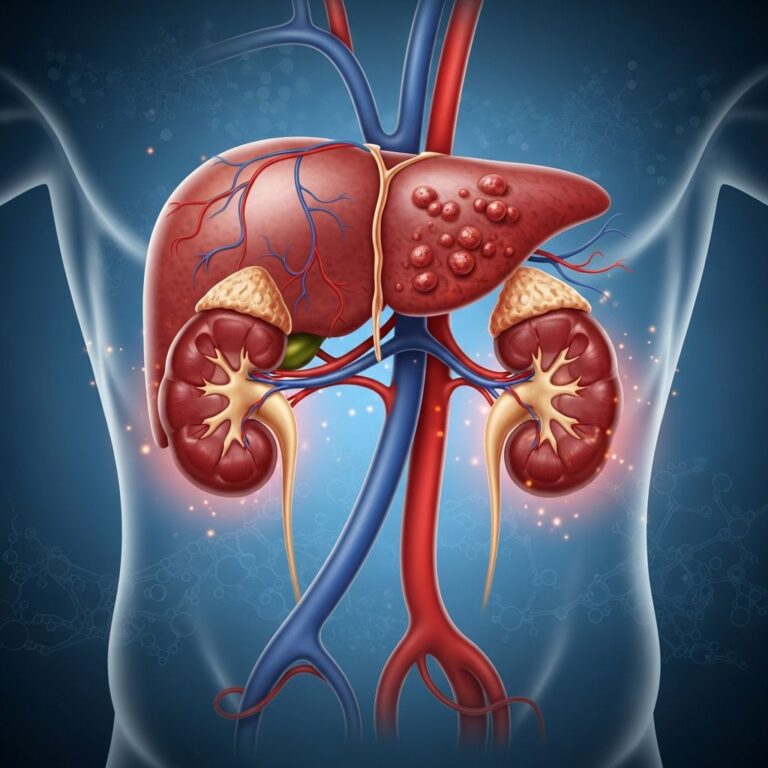
- Metastasis: Spread to liver/lungs worsens prognosis.
- Anemia and malnutrition: From blood loss and poor absorption.
Appetite loss and back pain correlate with poorer survival in young patients.
Rectal Cancer Diagnosis
Diagnosis starts with symptom review and physical exam, including digital rectal exam for lumps.
- Colonoscopy: Gold standard; visualizes rectum/colon, allows biopsy.
- Imaging: CT/MRI for staging, endorectal ultrasound for depth.
- Blood tests: Check anemia, tumor markers like CEA.
Early-stage detection yields over 80% cure rate. Persistent symptoms like bleeding or bowel changes should prompt referral if unresolved in 4-6 weeks.
Rectal Cancer Treatment
Treatment depends on stage, location, and health.
- Surgery: Transanal excision for early; low anterior resection or APR for advanced.
- Chemoradiation: Shrinks tumors pre-surgery, especially locally advanced.
- Chemotherapy: Systemic drugs like FOLFOX for metastatic.
- Targeted therapy: For specific mutations.
Multidisciplinary care at centers like UConn Health improves outcomes.
When to See a Doctor
Seek care for:
- Rectal bleeding persisting >1 week.
- Bowel habit changes >2 weeks.
- Unexplained weight loss, fatigue, abdominal pain.
- Narrow stools or incomplete emptying.
Guidelines recommend specialist referral for unresolved symptoms. Early intervention is key.
Frequently Asked Questions (FAQs)
What are the first signs of rectal cancer?
The earliest signs include changes in bowel habits (diarrhea, constipation), rectal bleeding, and abdominal discomfort.
Is rectal bleeding always cancer?
No, often hemorrhoids or fissures, but evaluation is essential to rule out cancer.
Can rectal cancer be cured if caught early?
Yes, early-stage has over 80% cure rate with surgery.
Who is at risk for rectal cancer under 50?
Those with family history, IBD, or unhealthy lifestyle; incidence rising.
How is rectal cancer diagnosed?
Primarily via colonoscopy with biopsy.
Prevention Tips
- Maintain healthy weight and diet rich in fruits/vegetables.
- Exercise regularly, limit alcohol/smoking.
- Screening colonoscopy starting at 45, or earlier if high-risk.
Rising cases in youth underscore screening’s importance beyond age 50.
References
- Rectal cancer – Symptoms and causes — Mayo Clinic. 2023-10-28. https://www.mayoclinic.org/diseases-conditions/rectal-cancer/symptoms-causes/syc-20352884
- Characteristics and Symptomatology of Colorectal Cancer in Young Patients — National Library of Medicine, NIH. 2023-04-12. https://pmc.ncbi.nlm.nih.gov/articles/PMC10116569/
- Rectal Cancer Symptoms & Treatment — UConn Health. 2024-01-15. https://www.uconnhealth.org/cancer-blood-disorders/services-specialties/rectal-cancer
Similar Articles








Read full bio of medha deb