Rectal Prolapse: Complete Guide To Causes, Symptoms & Treatment
Understand rectal prolapse symptoms, causes, treatments, and surgical options for effective management and recovery.
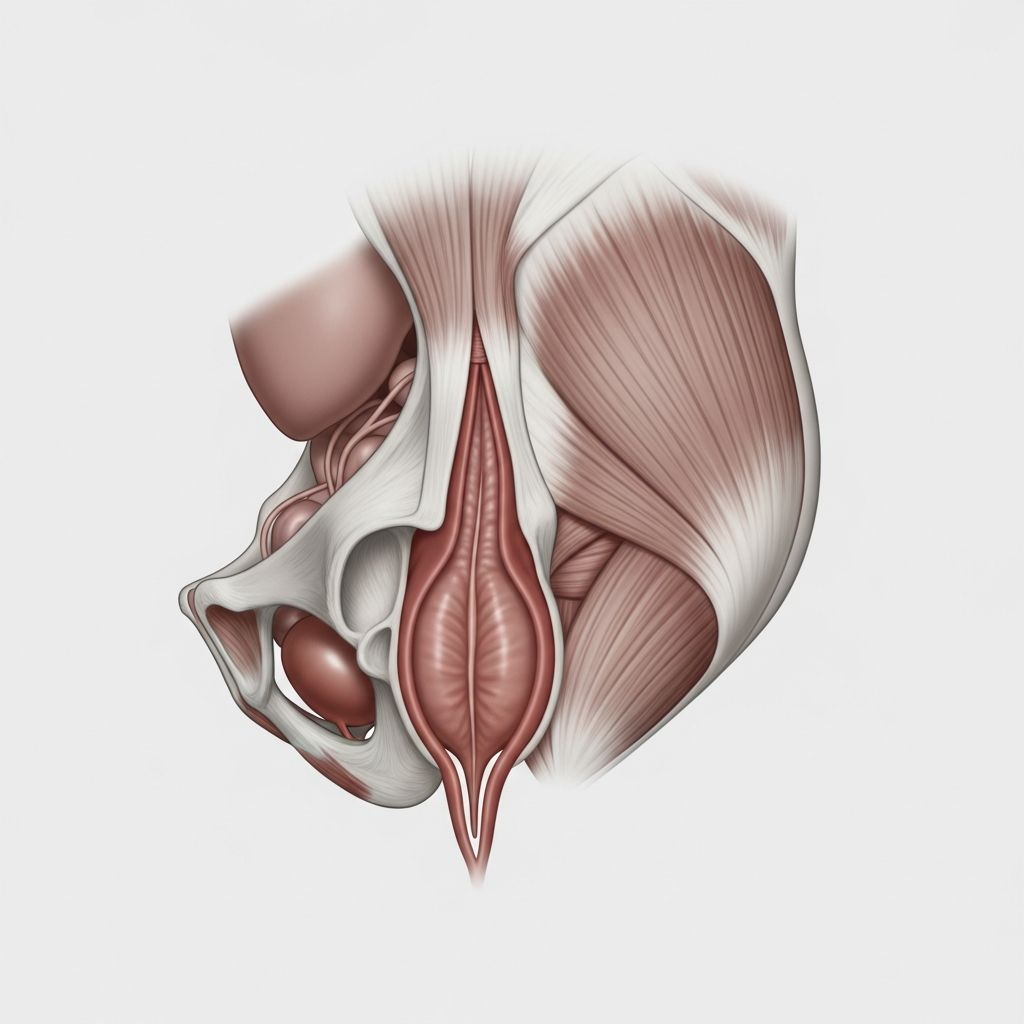
Rectal prolapse is a condition where the rectum, the final segment of the large intestine, slips or falls out of its normal position and protrudes through the anus. This medical issue, distinct from hemorrhoids which involve swollen veins, affects approximately 2.5 per 100,000 people, with women over 50 being six times more likely to develop it than men. While it can occur in anyone, risk factors like chronic constipation and weakened pelvic muscles play significant roles. Early recognition and treatment are crucial to prevent complications such as incontinence or tissue damage.
What Is Rectal Prolapse?
The rectum is the last 6 inches of the large intestine, responsible for storing stool before it exits via the anus. In rectal prolapse, supportive tissues and muscles weaken, allowing the rectum to telescope downward and protrude externally. This can range from mild internal folding to full-thickness external protrusion. Unlike internal hemorrhoids, which may mimic symptoms, rectal prolapse features concentric mucosal folds visible on examination. If untreated, it progresses, leading to persistent protrusion even without straining.
There are three main types: full-thickness (complete) where the entire rectal wall emerges; mucosal prolapse limited to the inner lining; and internal prolapse where the rectum folds internally without external visibility. Symptoms often start subtly after bowel movements but worsen over time, impacting quality of life through discomfort and bowel control issues.
Symptoms of Rectal Prolapse
Initial signs include a red, moist mass protruding from the anus post-defecation, often reducible manually. As it advances, the prolapse may occur spontaneously upon standing, coughing, or straining. Patients frequently report fecal incontinence, mucus or blood discharge, and a sensation of incomplete evacuation.
- Protruding tissue: A pink or red bulge, sometimes resembling a donut, that may retract naturally at first.
- Fecal incontinence: Leakage of stool or mucus due to sphincter strain or damage.
- Pain or discomfort: Mild aching in the rectal area, worsening with activity.
- Bleeding: Bright red blood from mucosal irritation.
- Constipation or straining: Paradoxically, chronic straining exacerbates the condition.
Advanced cases can lead to ulceration, sphincter weakening, or incarceration where the prolapsed tissue swells and cannot be reduced, risking gangrene—a surgical emergency. Distinguishing from hemorrhoids requires physical exam, as hemorrhoids show radial folds versus rectal prolapse’s circular pattern.
Causes and Risk Factors
Rectal prolapse stems from weakened pelvic floor muscles and ligaments supporting the rectum. Multiple factors contribute, often compounding over time.
| Risk Factor | Description |
|---|---|
| Chronic constipation | Repeated straining weakens anal sphincter and pelvic support. |
| Childbirth/pregnancy | Stretches pelvic muscles, especially in multiparous women. |
| Aging | Muscle atrophy in those over 50, particularly females. |
| Diarrhea | Affects 15% of cases, irritating and weakening tissues. |
| Neurological conditions | Pelvic nerve damage from conditions like spinal cord injury. |
| Prior pelvic surgery | Disrupts supportive structures. |
Women are disproportionately affected due to obstetric trauma and hormonal changes post-menopause. Children may experience it from cystic fibrosis-related straining, though adult cases predominate.
How Is Rectal Prolapse Diagnosed?
Related Stories



Diagnosis begins with a thorough history and physical exam. Patients may need to strain on a commode to provoke prolapse for visualization. Key findings include non-tender, circular mucosal folds and patulous anus.
- Digital rectal exam: Assesses sphincter tone and prolapse reducibility.
- Anoscopy/sigmoidoscopy: Views internal mucosa for ulcers or redundancy.
- Defecography: X-ray during defecation simulates straining to grade prolapse.
- Colonoscopy: Rules out malignancy or IBD.
- Anal manometry: Measures sphincter pressure for incontinence evaluation.
Imaging like MRI defecography identifies internal intussusception or levator ani defects. Early diagnosis prevents progression and complications.
Treatment for Rectal Prolapse
Treatment escalates with severity. Mild cases may respond conservatively, but surgery is definitive for most.
Non-Surgical Options
For minor prolapse, stool softeners, high-fiber diet (25-30g daily), and hydration reduce straining. Pelvic floor exercises (Kegels) strengthen muscles, potentially resolving early mucosal prolapse. Biofeedback aids incontinence. These are temporizing; surgery is needed for full-thickness cases.
Surgical Treatments
Surgery choice depends on age, health, and prolapse degree. Abdominal approaches suit younger, healthier patients; perineal for frail elderly. Recurrence risks vary: abdominal lower (5-10%), perineal higher (15-30%).
| Approach | Procedures | Pros/Cons |
|---|---|---|
| Abdominal | Suture rectopexy, resection rectopexy, mesh fixation | Lower recurrence; higher constipation risk; laparoscopic preferred. |
| Perineal | Altemeier (rectosigmoidectomy), Delorme (mucosal sleeve), levatorplasty | Less invasive; higher recurrence; improves incontinence. |
Altemeier procedure removes redundant rectum and performs levatorplasty, recreating anorectal angle with lowest recurrence among perineal options. Laparoscopic rectopexy minimizes morbidity. Post-op, 70-90% report symptom relief, though new constipation or urgency may occur.
Complications of Rectal Prolapse
Untreated prolapse risks ulcers, bleeding, incontinence from sphincter damage, and strangulation leading to gangrene. Surgery complications include hemorrhage, anastomotic leak, stricture, or worsened incontinence (5-10%). Factors like chronic diarrhea predict poorer outcomes.
Prevention and Outlook
Prevent by managing constipation: fiber-rich diet, hydration, exercise. Avoid straining; treat underlying conditions promptly. Prognosis post-surgery is excellent, with most regaining continence and comfort. Recurrence-free intervals longest with levatorplasty-enhanced perineal procedures. Follow-up monitors function.
Frequently Asked Questions (FAQs)
What does rectal prolapse feel like?
It feels like a bulge or fullness at the anus, especially after bowel movements, with possible mucus leakage or incontinence.
Can rectal prolapse heal without surgery?
Mild cases may improve with diet, fiber, and exercises, but full prolapse typically requires surgery.
Is rectal prolapse dangerous?
Yes, if incarcerated, it can cause tissue death; seek immediate care for irreducible prolapse.
How long is recovery after rectal prolapse surgery?
Perineal: 1-2 weeks; abdominal: 4-6 weeks, with laparoscopic faster.
Does rectal prolapse affect men?
Less commonly than women, but safe repairs show low recurrence with minimally invasive techniques.
References
- Rectal Prolapse: Symptoms, Surgery, Causes, and More — Healthline. 2023. https://www.healthline.com/health/rectal-prolapse
- Rectal Prolapse — PMC – NIH. 2011-07-01. https://pmc.ncbi.nlm.nih.gov/articles/PMC3140332/
- Rectal prolapse: Causes, symptoms, and treatments — Medical News Today. 2023. https://www.medicalnewstoday.com/articles/319977
- Rectal-prolapse repair in men is safe, but outcomes are not well … — Oxford Academic. 2019-10-22. https://academic.oup.com/gastro/article/7/4/279/5487275
- Rectal Prolapse — Cleveland Clinic. 2023. https://my.clevelandclinic.org/health/diseases/14615-rectal-prolapse
Similar Articles








Read full bio of medha deb