Rectogesic: Treatment Guide for Anal Fissure Pain
Complete overview of glyceryl trinitrate rectal ointment for pain management
What is Rectogesic and How Does It Work?
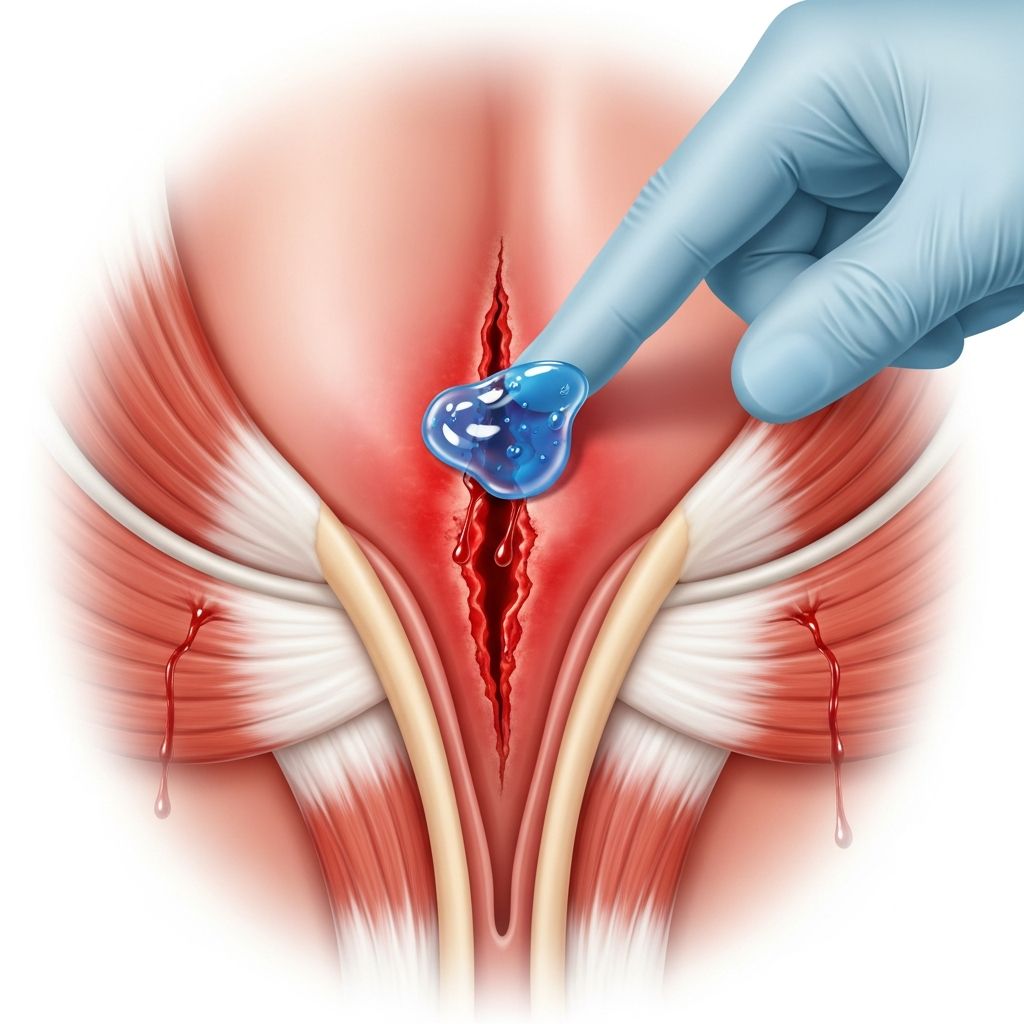
Rectogesic is a rectal ointment containing glyceryl trinitrate, a medication belonging to the organic nitrate family of pharmaceuticals. The medication is primarily prescribed to manage pain and discomfort associated with chronic anal fissures, which are small tears in the skin lining the anal canal. Understanding the mechanism of action helps patients appreciate why this particular treatment has become a standard therapeutic option in managing this uncomfortable condition.
The active component works through a dual mechanism that addresses both the muscle tension and blood flow issues surrounding the affected area. When applied to the anal region, glyceryl trinitrate causes the anal sphincter muscle—a ring-shaped muscle that controls the opening and closing of the anus—to relax significantly. This muscular relaxation is crucial because anal fissures often involve heightened muscle tension that perpetuates pain and prevents healing.
Beyond muscular relaxation, the medication dilates blood vessels in the surrounding tissue, substantially increasing blood circulation to the damaged skin area. This enhanced blood supply delivers vital nutrients and oxygen necessary for tissue repair, potentially accelerating the healing process. The combination of reduced muscle pressure and improved blood flow creates an optimal environment for the fissure to heal while simultaneously providing pain relief to the patient.
Medical Applications Beyond Anal Fissures
While Rectogesic’s primary indication is chronic anal fissure treatment, healthcare practitioners have found the medication beneficial for additional anorectal conditions. The ointment may be prescribed to provide relief from pain and discomfort associated with hemorrhoids, which are enlarged blood vessels in the rectal area. Additionally, patients who have undergone haemorrhoidectomy—a surgical procedure to remove problematic hemorrhoids—may benefit from Rectogesic application during the post-operative recovery period to manage surgical pain.
These extended applications leverage the same therapeutic properties that make Rectogesic effective for fissure treatment: muscular relaxation and improved local blood circulation. However, patients should always follow their healthcare provider’s specific recommendations regarding medication use for conditions beyond the primary indication.
Proper Application Technique and Dosage
Correct application is essential for both efficacy and minimizing potential side effects. The standard recommended dose involves applying approximately 375 mg of ointment to the anal canal every 12 hours. This dosing schedule ensures consistent therapeutic levels while reducing the risk of tolerance development.
Following proper application technique involves several important steps:
- Protect your finger using a barrier such as a finger cot (a small protective sheath available from pharmacies), plastic cling film, or a disposable glove to maintain hygiene and prevent direct contact with the medication
- Measure the appropriate amount using the calibrated measuring line printed on the medication carton—this typically corresponds to 1 to 1.5 cm of ointment when squeezed from the tube
- Gently insert the measured ointment just inside the anus using your protected finger
- Ensure proper placement by inserting your finger to approximately the first knuckle, which positions the ointment at the optimal therapeutic depth
- Apply the ointment at consistent 12-hour intervals for maximum benefit
An alternative application method exists for patients who experience excessive systemic side effects. Some practitioners recommend applying a smaller quantity just to the rim of the anus rather than inserting the full dose internally. While this approach may reduce unwanted side effects by limiting systemic absorption through the thin internal anal tissue, it may compromise therapeutic effectiveness compared to full-dose internal application.
The recommended treatment duration typically extends up to eight weeks, though individual circumstances may vary. Patients should not exceed the prescribed dosing frequency, as more frequent application does not enhance therapeutic benefit and increases the risk of adverse effects.
Related Stories



Potential Side Effects and Adverse Reactions
Like all medications, Rectogesic can produce undesired effects in some patients. The most commonly reported side effect is headache, which occurs because the medication systemically absorbs through the rectal tissue and affects blood vessels throughout the body. This headache typically ranges from mild to moderate intensity.
Additional side effects that patients may experience include:
- Dizziness or lightheadedness, which may impair coordination and concentration
- Nausea or feeling unwell, particularly if consuming rich or spicy foods
- Systemic effects related to the medication’s nitrate properties, similar to those seen with other glyceryl trinitrate formulations
For headaches, consulting with a pharmacist about appropriate over-the-counter pain relief options may provide relief. However, if headaches become severe or persistent, medical consultation is advisable. When experiencing dizziness, patients should avoid operating vehicles or machinery until the effect subsides. If nausea becomes problematic, maintaining a bland diet of simple foods while avoiding rich or spicy options may help, with physician consultation if symptoms persist.
Importantly, some patients develop tolerance to glyceryl trinitrate with prolonged use, meaning the medication becomes progressively less effective. If patients notice diminished pain relief despite consistent application, they should inform their healthcare provider, who may adjust the dosing regimen.
Important Contraindications and Precautions
Certain medical conditions and patient circumstances warrant particular caution or contraindication with Rectogesic use. Patients should inform their healthcare provider if they have any of the following conditions before beginning treatment:
- Pregnancy or active breastfeeding, as the medication’s safety profile in these circumstances requires careful evaluation
- Hepatic dysfunction or kidney disease, which may affect medication metabolism and clearance
- History of migraines or chronic severe headaches, which may be exacerbated by the medication
- Low blood pressure or existing heart conditions, as nitrates can further reduce blood pressure
- Anemia or hypoxaemia (low blood oxygen levels), conditions that may be adversely affected by systemic nitrate exposure
- Hypothyroidism or underactive thyroid gland
- Glaucoma or other eye conditions affecting intraocular pressure
- Recent traumatic brain injury or myocardial infarction, where medication interaction effects require consideration
- Known allergic reactions to any medication components
Drug Interactions and Medication Considerations
Rectogesic interactions with other medications deserve careful attention, particularly with certain drug classes. Patients taking medications for erectile dysfunction require special consideration, as combining these with glyceryl trinitrate products can produce dangerous drops in blood pressure. The combination of nitrates with phosphodiesterase-5 inhibitors (such as sildenafil) represents a significant safety concern requiring immediate physician notification.
Patients must disclose all medications to their healthcare provider, including:
- Prescription medications
- Over-the-counter products available without prescriptions
- Herbal supplements and complementary medicine preparations
This comprehensive medication review allows healthcare providers to identify potential interactions and adjust treatment accordingly.
Treatment Duration and Dose Adjustments
The treatment course with Rectogesic typically spans from several weeks to up to eight weeks, depending on the fissure’s severity and healing response. Healthcare providers may modify dosing if patients experience troublesome side effects or if tolerance develops. Additionally, if the medication becomes less effective over time, a stronger dose may be necessary, though this requires explicit medical guidance.
Rather than self-adjusting treatment, patients should maintain communication with their healthcare provider about their response to therapy. Regular assessment ensures treatment remains both safe and effective while addressing any emerging concerns.
Frequently Asked Questions
How quickly does Rectogesic provide pain relief?
While individual responses vary, pain relief typically begins after consistent application over several days to weeks. The medication requires time to relax the anal sphincter muscle and improve blood circulation sufficiently for healing to occur.
Can Rectogesic be used during pregnancy?
Pregnant patients should discuss Rectogesic use with their healthcare provider, as safety during pregnancy requires careful evaluation. Self-treatment without medical consultation is not recommended during pregnancy.
What should I do if I miss a dose?
If you miss an application, apply the ointment as soon as you remember, unless your next scheduled dose is approaching. In that case, skip the missed dose and resume your regular dosing schedule.
Is Rectogesic available over the counter?
No, Rectogesic requires a prescription from a licensed healthcare provider and is not available for purchase without a prescription.
How does Rectogesic compare to other anal fissure treatments?
Glyceryl trinitrate ointment has become particularly valuable when other treatments have proven ineffective, offering a pharmacological approach to address the underlying muscular and vascular dysfunction contributing to anal fissure pain.
Storage and Safety Considerations
Proper storage of Rectogesic maintains medication stability and safety. Patients should store the ointment according to package instructions, typically at room temperature away from excessive heat or moisture. The medication should be kept out of reach of children and other individuals not prescribed the medication.
Because Rectogesic contains glyceryl trinitrate, a potent medication requiring strict adherence to dosing instructions, patients must follow their healthcare provider’s guidance precisely. This ensures both therapeutic benefit and minimizes the risk of adverse systemic effects associated with excessive exposure.
Conclusion: Effective Management of Anal Fissure Discomfort
Rectogesic represents an important pharmaceutical option for managing chronic anal fissure pain when applied correctly under appropriate medical supervision. By relaxing the anal sphincter muscle and improving local blood circulation, the medication addresses the underlying physiological factors preventing fissure healing. Success with this treatment requires patient adherence to proper application techniques, consistent dosing schedules, and open communication with healthcare providers regarding treatment response and any concerning side effects. When used appropriately within the framework of professional medical guidance, Rectogesic offers many patients meaningful relief from the significant discomfort associated with anal fissures.
References
- Glyceryl trinitrate (rectal) – Rectogesic — Healthify. https://healthify.nz/medicines-a-z/g/glyceryl-trinitrate-rectal
- Glyceryl trinitrate rectal ointment for anal fissure — Patient.info. https://patient.info/medicine/glyceryl-trinitrate-rectal-ointment-rectogesic
- How and when to take glyceryl trinitrate (GTN) — NHS. https://www.nhs.uk/medicines/glyceryl-trinitrate-gtn/how-and-when-to-take-glyceryl-trinitrate-gtn/
- Chronic anal fissure: 0.2% topical glyceryl trinitrate ointment — NICE. https://www.nice.org.uk/advice/esuom7/ifp/chapter/about-topical-glyceryl-trinitrate
- Rectogesic Ointment (glyceryl trinitrate ointment 0.2%) — Endoscopy Clinic New Zealand. https://www.endoscopyclinic.co.nz/wp-content/uploads/2022/09/Rectogesic-Ointment-5-page.pdf
- Rectogesic 4 mg/g Rectal Ointment – Patient Information Leaflet (PIL) — Medicines.org.uk. https://www.medicines.org.uk/emc/product/3933/pil
- Nitroglycerin (rectal route) – Side effects & dosage — Mayo Clinic. https://www.mayoclinic.org/drugs-supplements/nitroglycerin-rectal-route/description/drg-20075252
Similar Articles








Read full bio of Sneha Tete