Rectum: Anatomy, Function, And 6 Common Disorders
Understand the rectum's role in digestion, common conditions affecting it, and essential tips for maintaining rectal health.
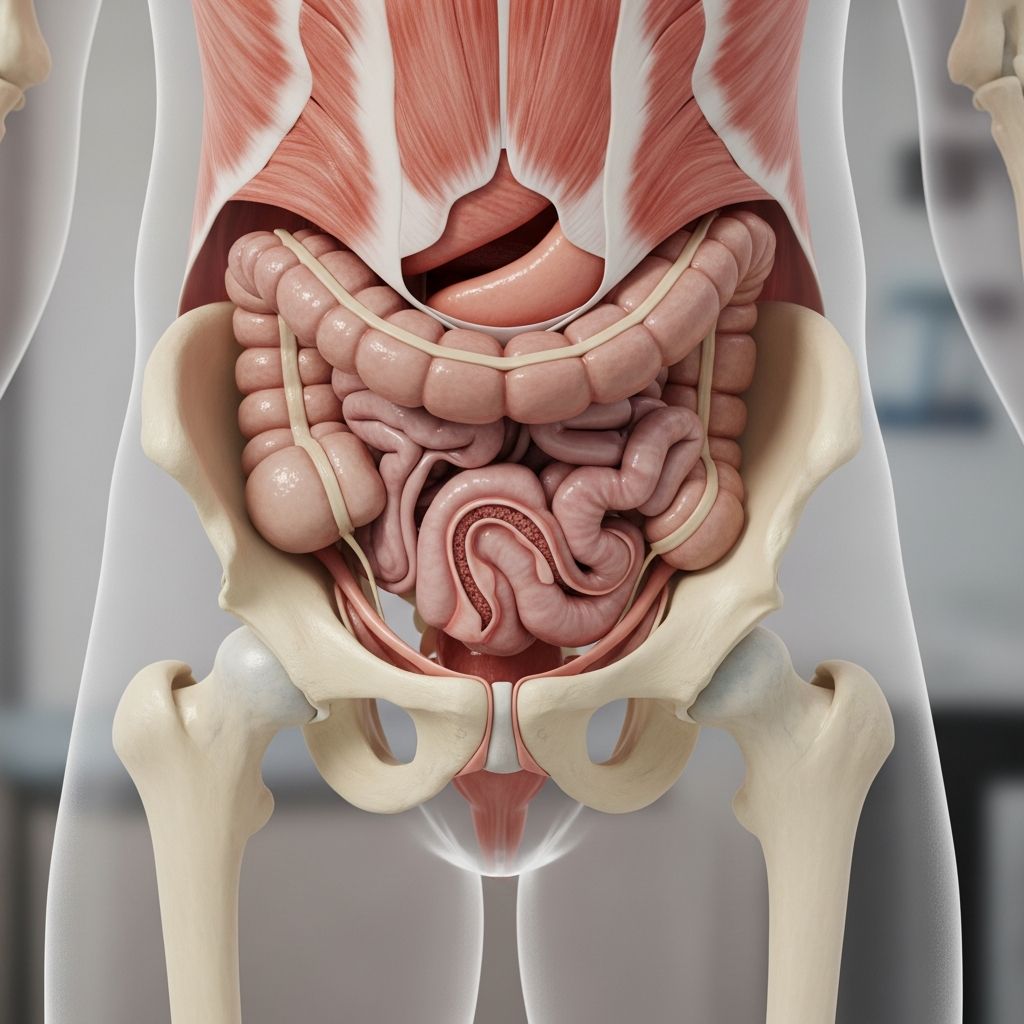
The rectum is the final segment of the large intestine, playing a crucial role in storing feces before elimination. Measuring about 12-15 cm in length, it connects the sigmoid colon to the anus, facilitating controlled defecation through stretch receptors that signal fullness.
What Is the Rectum?
The rectum, known scientifically as intestinum rectum, forms the terminal part of the digestive tract. After digestion, the sigmoid colon’s muscular walls propel feces into the rectum for temporary storage until the body is ready for a bowel movement. This organ ensures efficient waste management, preventing involuntary leakage.
Understanding the rectum’s position and structure is essential for appreciating its function. It lies in the pelvic cavity, curved to accommodate stool volume, and transitions into the anal canal at its distal end. Proper rectal health contributes significantly to overall digestive wellness and quality of life.
Rectum Anatomy
The rectum’s anatomy is specialized for storage and expulsion. It features three distinct curves: the sacral flexure, perineal flexure, and anorectal flexure, which help maintain continence. The rectal walls contain longitudinal and circular muscle layers that relax to store stool and contract during defecation.
Key components of the large intestine including the rectum are:
- Cecum: Joins small and large intestines, absorbs water and salts.
- Colon: Longest section, further absorbs water and electrolytes.
- Rectum: Stores feces until defecation.
- Anal canal: Final outlet for bowel movements, equipped with sphincters for control.
At the rectum’s end, the anal canal includes internal and external sphincters. The internal sphincter is involuntary smooth muscle, while the external is voluntary skeletal muscle, allowing conscious control over defecation.
Rectum Function
The primary function of the rectum is to act as a reservoir for fecal matter. Stretch receptors in its walls detect distension, triggering the defecation reflex via the nervous system. This sensation prompts the urge to defecate, coordinated with anal sphincter relaxation.
During storage, the rectum’s mucosa absorbs remaining water, firming the stool. Puborectalis muscle maintains the anorectal angle, preventing leakage. Upon defecation, intra-abdominal pressure increases, aided by the Valsalva maneuver, to expel contents efficiently.
This coordinated process underscores the rectum’s role in continence. Disruptions can lead to incontinence, emphasizing the need for healthy muscle tone and nerve function.
Rectal Conditions and Disorders
Various conditions can impair rectal function, causing pain, bleeding, or incontinence. Early recognition and treatment are vital for preventing complications.
Hemorrhoids
Hemorrhoids are swollen veins in the rectum and anus, often due to straining or pressure. Symptoms include bleeding during defecation, protruding tissue, itching, discomfort, and painful lumps. Internal hemorrhoids may prolapse, while external ones cause thrombosis.
Risk factors include constipation, pregnancy, and obesity. Treatments range from dietary fiber increases to procedures like rubber band ligation or surgery for severe cases.
Rectal Infections
Infections arise from bacteria, viruses, fungi, or parasites. Sexually transmitted infections (STIs) like gonorrhea, chlamydia, herpes, or human papillomavirus (HPV) can infect via anal sex, causing proctitis with itching, pain, and discharge.
Related Stories



Antibiotic use may disrupt gut flora, allowing overgrowth of Clostridioides difficile, leading to pseudomembranous colitis. Fungal infections like candidiasis and parasitic ones from poor sanitation, such as pinworms, also affect the rectum.
Anal Abscess
An anal abscess forms from pus accumulation due to infection or gland blockage near the anus or rectum. Perirectal abscesses occur deeper in rectal tissues. Symptoms include severe pain, swelling, fever, and drainage. Untreated, they can lead to fistulas.
Incision and drainage is standard treatment, often with antibiotics. Diabetes and immunosuppression increase risk.
Rectal Prolapse
Rectal prolapse involves rectal tissue protruding through the anus. Types include:
- External (full-thickness): Entire rectal wall protrudes.
- Mucosal: Only inner lining emerges.
- Internal (incomplete): Rectum telescopes inward without external protrusion.
Common in elderly women, obesity, or chronic constipation. Surgery corrects most cases, with stool softeners aiding prevention.
Rectal Incontinence
Fecal incontinence results from weakened sphincters, nerve damage, or rectal issues, leading to involuntary leakage. Causes include childbirth, surgery, diarrhea, or neurological disorders. Management involves pelvic floor exercises, biofeedback, or sacral nerve stimulation.
Rectal Cancer
Rectal cancer originates in rectal lining cells, often as adenocarcinoma. Together with colon cancer, it ranks as a leading cancer type. Symptoms: rectal bleeding, bowel habit changes, pain, diarrhea leaks, or constipation.
Risk factors: age over 50, family history, inflammatory bowel disease, diet low in fiber. Screening via colonoscopy detects precancerous polyps. Treatment combines surgery, chemotherapy, and radiation.
Rectal Health Tips
Maintaining rectal health prevents many conditions. Key strategies include:
- High-fiber diet with fruits, vegetables, and whole grains to soften stool.
- Adequate hydration for optimal bowel function.
- Regular exercise to promote motility.
- Avoiding straining; respond promptly to defecation urges.
- Good anal hygiene: gentle wiping, avoid harsh soaps.
- Safer sex practices to prevent STIs.
- No smoking, limit alcohol, maintain healthy weight.
Annual check-ups and colonoscopy screening from age 45 (earlier if high-risk) are recommended.
When to See a Doctor
Seek medical attention for persistent rectal bleeding, severe pain, unexplained weight loss, bowel changes, or prolapse. Early intervention improves outcomes, especially for cancer.
Frequently Asked Questions (FAQs)
What is the rectum’s main function?
The rectum stores feces until defecation, using stretch receptors to signal readiness.
How long is the rectum?
It measures approximately 12-15 cm.
Can hemorrhoids lead to cancer?
No, hemorrhoids are benign but bleeding warrants evaluation to rule out other issues.
What causes rectal prolapse?
Factors include chronic straining, aging, and pelvic floor weakness.
How is rectal cancer prevented?
Through screening, healthy diet, exercise, and avoiding tobacco.
This comprehensive guide highlights the rectum’s vital role and proactive health measures. Consult healthcare providers for personalized advice.
References
- Rectum: Definition, function, and anatomy — Medical News Today. 2023-10-12. https://www.medicalnewstoday.com/articles/rectum
- Anatomy of the Rectum and Anus — National Cancer Institute (NCI.gov). 2024-05-15. https://www.cancer.gov/types/colorectal/patient/rectal-treatment-pdq
- Rectal Prolapse — Mayo Clinic. 2025-02-20. https://www.mayoclinic.org/diseases-conditions/rectal-prolapse/symptoms-causes/syc-20352837
- Hemorrhoids — Cleveland Clinic. 2024-11-08. https://my.clevelandclinic.org/health/diseases/15120-hemorrhoids
- Colorectal Cancer Facts — American Cancer Society. 2025-01-10. https://www.cancer.org/cancer/types/colon-rectal-cancer/about/key-statistics.html
Similar Articles








Read full bio of Sneha Tete