Rectum Function And Anatomy: What You Need To Know
Understanding the rectum's critical role in digestion and bowel health.
Understanding Rectum Function and Anatomy
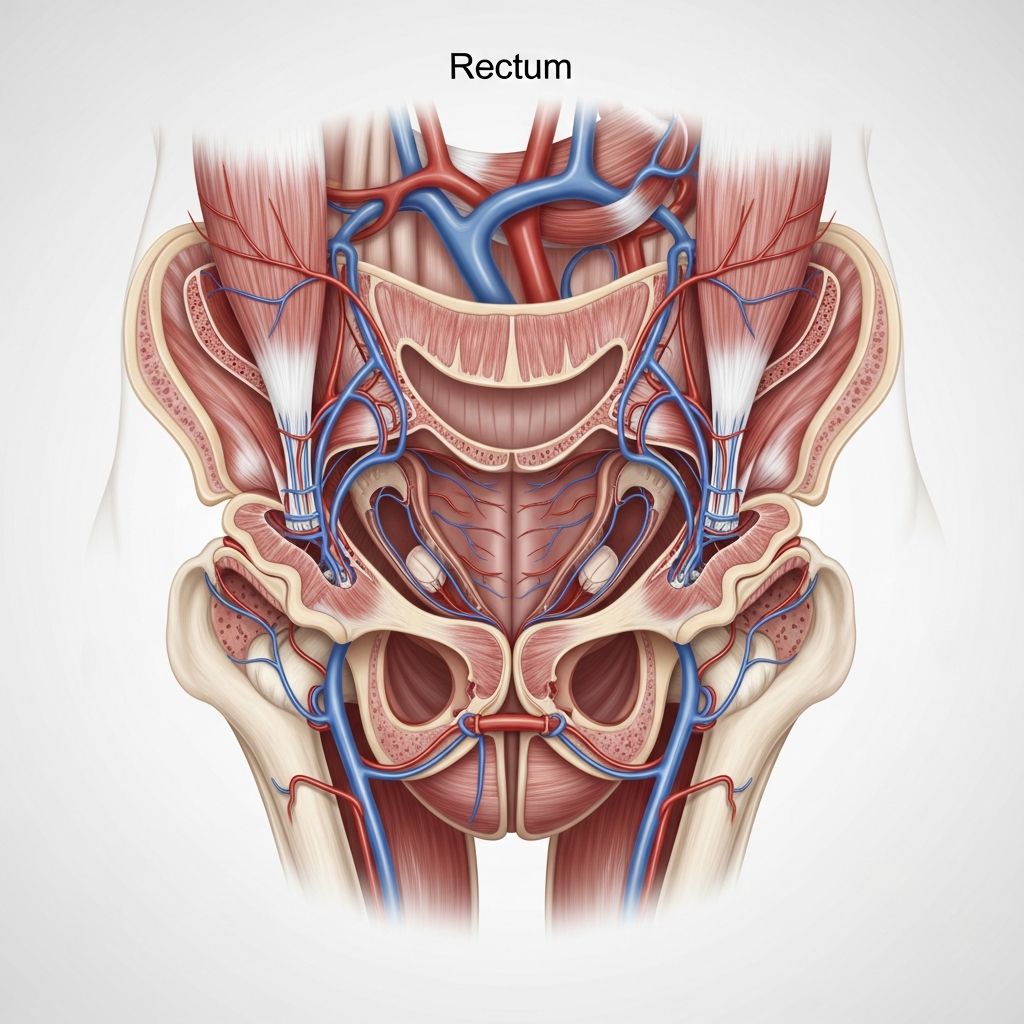
The rectum is a vital component of your digestive system that plays a crucial role in the final stages of waste elimination. Located at the end of your large intestine, the rectum serves as a temporary storage chamber for stool before it exits your body. Understanding how this organ functions and its anatomical features can help you appreciate the complexity of your digestive process and recognize when something might be going wrong.
What Is the Rectum?
The rectum is the final segment of your large intestine, positioned just before your anus. This specialized organ measures approximately 5 to 6 inches (12 to 15 centimeters) in length and functions as a reservoir where stool collects before elimination. The rectum is part of your larger intestinal tract, which includes the cecum, colon, and anus. Together, these structures work in harmony to transform food waste into stool and facilitate its passage from your body.
By the time food waste reaches your rectum, it has already undergone significant processing. The large intestine reduces liquid waste by approximately one-third of its original volume. For example, if about 16 ounces of liquid food enters your large intestine, only about 5 ounces remains as stool by the time it reaches the rectum. This water reabsorption is essential for maintaining proper hydration and creating a more solid consistency for elimination.
Anatomical Structure of the Rectum
The rectum has a distinctive anatomical structure that contributes to its function. It appears as a deflated tube with visible segments, similar to the ridges you might see in a vacuum cleaner hose. A vertical seam runs down the middle of the large intestine, and this seam causes the segments to bulge outward, creating a segmented appearance. These muscular segments, called haustra, help move stool through the large intestine and rectum through coordinated contractions.
The rectal wall contains several important layers. The innermost layer is the mucous membrane, which secretes mucus to facilitate stool passage. Beneath this are layers of muscle tissue that enable the rectum to stretch and contract. The outer layers provide structural support and connection to surrounding tissues. This complex layering allows the rectum to expand as it fills with stool and contract to help expel waste.
Primary Functions of the Rectum
Storage and Waste Accumulation
The rectum’s primary function is to serve as a storage facility for stool. As your colon processes food waste through rhythmic contractions, it gradually moves the stool toward the rectum. These contractions, called peristalsis, are coordinated muscle movements that propel waste forward through the digestive tract. The rectum can expand and stretch to accommodate increasing amounts of stool without triggering immediate elimination, allowing you to control when and where you have a bowel movement.
Triggering the Urge to Defecate
One of the rectum’s most important functions is activating the defecation reflex. When stool enters your rectum, specialized nerve receptors in the rectal wall sense the pressure and volume of the incoming waste. These stretch receptors trigger your body’s urge to defecate, which is a signal that it’s time to find a toilet and have a bowel movement. This reflex is involuntary and automatic, but you have conscious control over whether you respond to the signal immediately or delay elimination until a more appropriate time.
Coordinating Sphincter Function
The rectum works closely with two anal sphincters to control bowel movements. When stool enters the rectum, nerve signals cause your internal anal sphincter to relax automatically. This is an involuntary response. Your external anal sphincter, however, is under your conscious control. You can choose to contract this muscle to delay defecation or relax it to allow stool to pass through your anus. This dual-sphincter system gives you the ability to regulate when you have a bowel movement despite the involuntary signals from your rectum.
Related Stories



The Defecation Process
Defecation is a complex physiological process that involves multiple systems working together. The process begins when stool fills your rectum to a certain level. This stimulates stretch receptors that send signals to your brain, creating the sensation of fullness and the urge to defecate. Your brain then coordinates a series of muscular contractions to expel the stool.
During defecation, your internal anal sphincter relaxes involuntarily, while your external anal sphincter remains under your voluntary control. You can then consciously relax your external sphincter to allow stool to pass. Simultaneously, your abdominal muscles may contract to increase intra-abdominal pressure, and your diaphragm moves downward, working together to facilitate stool elimination. This coordinated effort ensures efficient bowel function.
The entire process typically takes only a few minutes, though factors like diet, hydration, and overall health can influence the frequency and ease of bowel movements. Most people have between one to three bowel movements per day, though individual variations are normal.
Muscular Coordination in Rectal Function
The rectum relies on precise muscular coordination to function properly. The muscles in your pelvic floor support the rectum and help maintain continence. When these muscles weaken or become damaged, conditions like rectal prolapse or fecal incontinence can develop. Chronic straining during bowel movements, childbirth, aging, and chronic constipation can all affect the strength and function of these supporting muscles.
Several factors affect your ability to regulate bowel movements effectively. The muscles in your pelvic floor, rectum, and anus must work correctly to hold stool and release it at appropriate times. The nerves controlling these muscles must communicate effectively with your brain. Additionally, you must be physically able to reach a toilet in time. When any of these factors are compromised, bowel function can suffer.
The Rectum’s Role in the Larger Digestive System
The rectum doesn’t function in isolation; it’s an integral part of your large intestine and overall digestive system. Your large intestine has three main parts: the colon, rectum, and anus. Each part plays a specific role in moving food waste through your system. The colon primarily absorbs water and electrolytes from the stool, while the rectum stores the processed waste and coordinates its elimination. Understanding how the rectum fits into this larger system helps explain why problems in one area can affect overall digestive function.
Common Rectum-Related Conditions
Several health conditions can affect rectum function. Rectal prolapse occurs when the rectum slips down into or through the anus due to weakening of supporting muscles. Chronic constipation can strain rectal muscles and alter normal function. Inflammatory bowel diseases can cause inflammation and damage to the rectal lining. Fecal incontinence, the inability to control bowel movements, can result from damaged or weakened rectal and anal muscles. Understanding these conditions requires knowledge of normal rectal anatomy and function.
Diagnostic Tests for Rectal Function
If you’re experiencing problems with bowel function, your healthcare provider may order several diagnostic tests. Anorectal manometry measures the pressure in your anal sphincters and rectal muscles to determine if they’re too strong, too weak, or not contracting at the right time. A digital rectal exam involves a healthcare provider inserting a lubricated gloved finger into your rectum to feel for abnormalities. Anoscopy uses a small camera to visualize the inside of your rectum and anus. These tests help identify the source of rectal dysfunction and guide treatment decisions.
Maintaining Healthy Rectum Function
Several lifestyle factors support healthy rectum function. Adequate fiber intake promotes regular bowel movements by adding bulk to stool and stimulating intestinal contractions. Drinking sufficient water keeps stool soft and easier to pass. Regular physical activity promotes healthy digestion and normal muscle function. Responding promptly to the urge to defecate rather than ignoring or repeatedly delaying it helps maintain normal rectal reflexes. Avoiding chronic straining during bowel movements protects the supporting muscles. Managing stress through relaxation techniques can also support digestive health, as stress can affect bowel function.
Age-Related Changes in Rectal Function
As you age, your rectum and supporting muscles naturally undergo changes. Some weakening or deterioration of the muscles that support the rectum is normal with aging. However, extra wear and tear on these muscles can accelerate the process. Factors like chronic constipation, diarrhea, or repeatedly straining during bowel movements can accelerate muscle deterioration beyond what normal aging would cause. Understanding these changes can help you take preventive steps to maintain rectal function throughout your life.
Frequently Asked Questions
Q: How long is the rectum?
A: The rectum is approximately 5 to 6 inches (12 to 15 centimeters) long. It serves as the final storage chamber before stool exits your body through the anus.
Q: What triggers the urge to have a bowel movement?
A: When stool enters your rectum, stretch receptors in the rectal wall sense the pressure and volume. These nerves send signals to your brain, creating the sensation of fullness and the urge to defecate.
Q: Can you control your bowel movements?
A: You have partial control. Your external anal sphincter is under conscious control, allowing you to delay defecation. However, your internal anal sphincter relaxes involuntarily when stool enters your rectum.
Q: What happens if rectal muscles weaken?
A: Weakened rectal muscles can lead to conditions like rectal prolapse or fecal incontinence. These conditions affect your ability to control bowel movements or maintain normal continence.
Q: How much water does the large intestine absorb from stool?
A: The large intestine, including the colon and rectum, reduces liquid waste by approximately one-third of its original size. This water reabsorption is essential for maintaining hydration and creating solid stool.
Q: What causes rectal prolapse?
A: Rectal prolapse occurs due to weakening of the muscles that support the rectum. Contributing factors include childbirth, chronic constipation, chronic diarrhea, aging, and repeated straining during bowel movements.
Q: How is rectal function tested?
A: Healthcare providers use tests like anorectal manometry, which measures muscle pressure; digital rectal exams; and anoscopy, which uses a camera to visualize the rectum and anus.
Conclusion
The rectum is far more than a simple storage chamber; it’s a sophisticated organ that plays a vital role in your digestive health and overall well-being. Understanding its anatomy and function helps you appreciate the complexity of your body’s waste elimination process. By maintaining healthy lifestyle habits—including adequate fiber and water intake, regular physical activity, and responding promptly to bowel urges—you can support optimal rectal function throughout your life. If you experience persistent changes in bowel habits or difficulties with bowel control, consulting with a healthcare provider can help identify any underlying issues and guide appropriate treatment.
References
- Large Intestine & Colon: Function, Anatomy & Location — Cleveland Clinic. 2024. https://my.clevelandclinic.org/health/body/22134-colon-large-intestine
- Anus: Function, Anatomy, Conditions & Diagram — Cleveland Clinic. 2024. https://my.clevelandclinic.org/health/body/24784-anus-function
- Anorectal Manometry: What It Is, Procedure Details & Results — Cleveland Clinic. 2024. https://my.clevelandclinic.org/health/diagnostics/12760-anorectal-manometry
- Fecal (Bowel) Incontinence: What It Is, Causes & Treatment — Cleveland Clinic. 2023. https://my.clevelandclinic.org/health/diseases/14574-fecal-bowel-incontinence
- Rectal Prolapse: Symptoms, Causes & Treatment — Cleveland Clinic. 2024. https://my.clevelandclinic.org/health/diseases/14615-rectal-prolapse
- Chronic constipation: Update on management — Cleveland Clinic Journal of Medicine. 2007. https://www.ccjm.org/content/84/5/397
Similar Articles








Read full bio of Sneha Tete