Recurrent UTIs: Causes, Prevention, And Treatment Guide
Discover effective strategies to manage and prevent recurrent urinary tract infections for lasting bladder health.
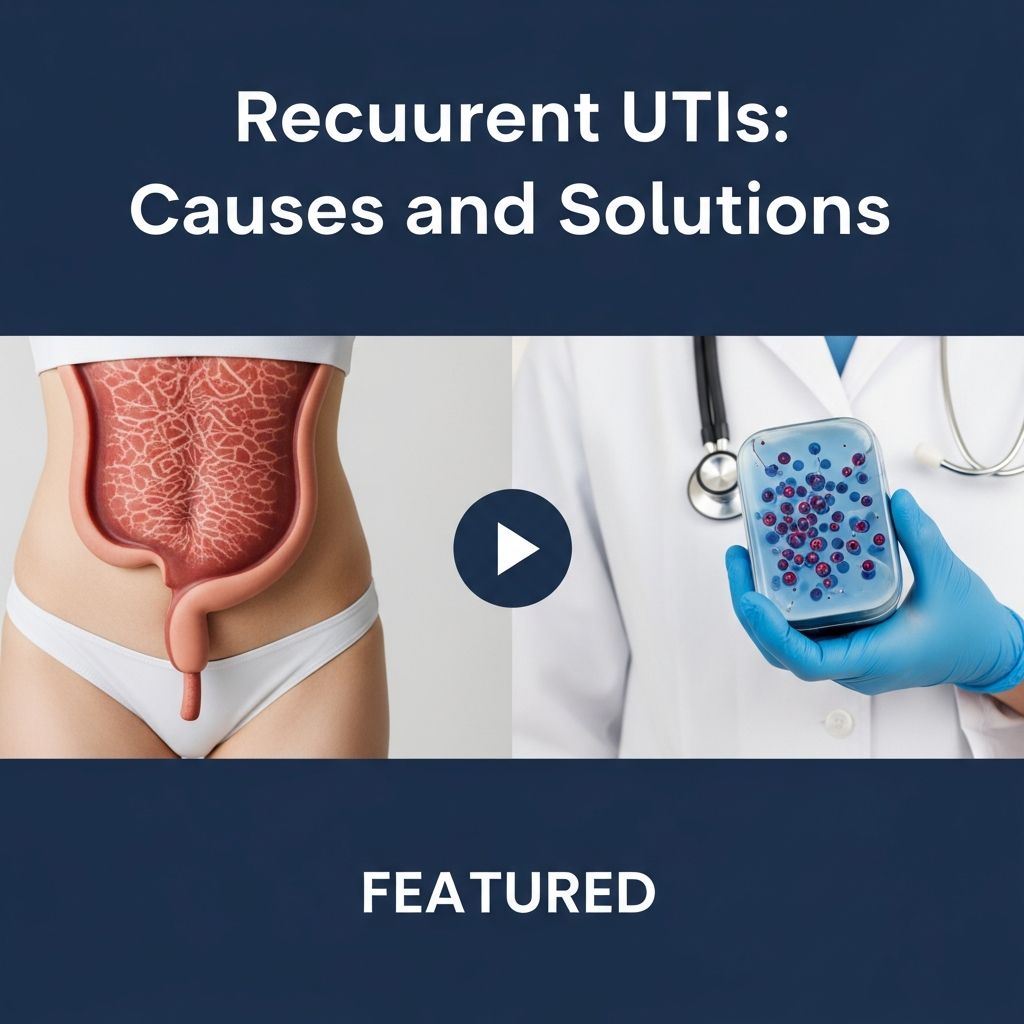
Recurrent urinary tract infections (UTIs) represent a significant health challenge, particularly for women, defined as two or more infections within six months or three or more in a year. These infections disrupt daily life with persistent discomfort and require strategic management to prevent escalation to kidney involvement.
Defining Recurrent Urinary Tract Infections
A UTI occurs when bacteria invade the urinary system, encompassing the urethra, bladder, ureters, or kidneys. Recurrent cases signal an underlying vulnerability allowing repeated bacterial entry, often from the gastrointestinal tract via the anus to the urethra. Unlike isolated incidents, recurrence demands investigation into predisposing factors for effective intervention.
Primary Causes Behind Repeated Infections
Bacteria, predominantly E. coli from the intestines, account for about 75% of cases, migrating to the urinary tract due to anatomical proximity in women. Sexual activity facilitates this transfer by mechanically pushing bacteria into the urethra. Catheter use similarly heightens risk by providing a direct pathway.
Postmenopausal changes exacerbate vulnerability: declining estrogen reduces protective lactobacilli in the vagina, weakens bladder contractions, and increases post-void residual urine, fostering bacterial growth. Other contributors include urinary abnormalities, immunosuppression from conditions like lupus or medications such as steroids, and incomplete bladder emptying.
Recognizing the Signs of Recurrent UTIs
Symptoms mirror standard UTIs but repeat predictably, often resurfacing a month post-treatment. Key indicators include:
- Burning pain or discomfort during urination
- Frequent, urgent need to urinate with small volumes
- Pelvic pressure or lower abdominal pain
- Cloudy, foul-smelling, or blood-tinged urine
- General malaise or fever if ascending to kidneys
Distinguishing relapse (same bacteria persisting within two weeks due to resistance or untreated issues like stones) from reinfection (new strains) guides therapy via urine cultures.
Risk Factors Amplifying Susceptibility
| Risk Category | Examples | Impact |
|---|---|---|
| Anatomical/Behavioral | Sexual intercourse, catheter use, spermicides | Increases bacterial introduction |
| Hormonal/Age-Related | Menopause, atrophic vaginitis | Reduces protective flora and bladder efficiency |
| Medical Conditions | Diabetes, stones, vesicoureteral reflux (VUR), immunosuppression | Promotes bacterial persistence |
| Lifestyle | Inadequate hydration, poor hygiene | Enables bacterial proliferation |
Women face 20-30% lifetime recurrence risk, underscoring gender-specific anatomy.
Standard Treatment Approaches
Acute episodes resolve with short antibiotic courses: nitrofurantoin (100 mg twice daily for five days) or trimethoprim-sulfamethoxazole (double-strength twice daily for three days), tailored by culture sensitivity. Severe cases with kidney involvement may necessitate hospitalization.
For prevention in frequent cases:
- Post-coital antibiotics: Single dose after intercourse for sexually triggered UTIs.
- Continuous low-dose prophylaxis: Daily antibiotics like trimethoprim-sulfamethoxazole for those with >3 UTIs/year.
- Symptom-driven therapy: Self-start prescriptions for <3 UTIs/year.
Non-Antibiotic Preventive Measures
Lifestyle adjustments form the foundation: increased fluid intake dilutes urine, frequent voiding clears bacteria, and proper wiping (front-to-back) minimizes contamination. Cranberry products show mixed efficacy but may support hygiene efforts.
Related Stories



Postmenopausal women benefit from vaginal estrogen cream, restoring lactobacilli and urethral integrity without systemic effects. Probiotics aim to replenish beneficial bacteria, though evidence remains inconclusive.
Emerging and Alternative Therapies
Antibiotic stewardship addresses resistance concerns. A promising vaccine targeting mucosal immunity reduced UTIs by 60-70% in trials over three months, with minimal side effects like mild oral irritation.
Advanced evaluation for complex cases includes imaging for stones or abscesses if hematuria persists or unusual bacteria like Proteus appear. Fosfomycin offers an oral option for multi-resistant strains.
When to Seek Specialist Care
Consult a urologist or urogynecologist if infections recur despite prophylaxis, symptoms worsen, or risk factors like immunosuppression exist. Urine cultures before treatment ensure targeted therapy, preventing resistance.
Daily Habits for Long-Term Bladder Protection
Incorporate these practices:
- Stay hydrated: Aim for 64+ ounces of water daily.
- Urinate post-sex and avoid delaying urges.
- Choose cotton underwear and avoid irritants like douches.
- Manage underlying conditions like diabetes.
Monitoring symptoms empowers early intervention, reducing recurrence cycles.
FAQs on Recurrent UTIs
What distinguishes recurrent UTIs from relapsing ones?
Recurrent involves new infections; relapsing sees the same strain return within two weeks, often from incomplete clearance or hidden issues like stones.
Can recurrent UTIs affect men or children?
Yes, though less common; men may have prostate issues, children conditions like VUR requiring monitoring or surgery.
Are cranberry supplements effective?
They may aid prevention alongside hydration, but not a standalone cure; consult providers.
How long does antibiotic prophylaxis last?
Typically 6-12 months, reassessed via cultures; alternatives considered for resistance.
Do vaccines for UTIs exist?
Experimental ones show 60-70% reduction in trials; not yet standard but promising.
References
- Recurrent Urinary Tract Infections (UTIs) — University of Colorado Anschutz Medical Campus. 2023. https://medschool.cuanschutz.edu/womens-health/clinics/urogynecology/for-patients/pelvic-floor-health-conditions/recurrent-urinary-tract-infections-(utis)
- Recurrent (Chronic) UTIs: Causes, Symptoms & Cure — Cleveland Clinic. 2023-10-25. https://my.clevelandclinic.org/health/diseases/recurrent-uti
- Treating recurrent UTIs without antibiotics — Michigan Medicine. 2022-11-14. https://www.michiganmedicine.org/health-lab/treating-recurrent-utis-without-antibiotics
- Recurrent Urinary Tract Infections — NCBI Bookshelf (StatPearls). 2023-07-17. https://www.ncbi.nlm.nih.gov/books/NBK557479/
- Chronic Urinary Tract Infection (UTI) Causes, Symptoms — UPMC. Accessed 2026. https://www.upmc.com/services/womens-health/conditions/chronic-urinary-tract-infection
Similar Articles








Read full bio of medha deb