Recurring Staph Infections: Causes, Symptoms, Management Guide
Understand why staph infections keep returning, recognize symptoms, and discover effective strategies to break the cycle of recurrence.

Staphylococcus aureus, commonly known as staph, is a bacterium that resides on the skin and in the nose of many healthy individuals without causing harm. However, when it enters through breaks in the skin, it can lead to infections ranging from minor boils to life-threatening conditions. For some people, these infections return repeatedly, turning a one-time issue into a chronic challenge. This article delves into why staph infections recur, how to identify them early, treatment options, and practical steps to prevent future episodes.
Why Do Staph Infections Keep Coming Back?
Recurrent staph infections are not random; they often signal an underlying vulnerability. The most common trigger is damaged skin from conditions like eczema, dermatitis, or psoriasis, which creates entry points for bacteria. People with frequent cuts, abrasions, or surgical wounds are also at higher risk. Additionally, carriers—those who harbor staph in their nose or on their skin without symptoms—can repeatedly reinfect themselves or spread it to family members.
Immunocompromised individuals, such as those with diabetes, HIV, or undergoing chemotherapy, face elevated risks because their defenses are weakened. Hospital stays or close-contact environments like gyms amplify exposure to antibiotic-resistant strains like MRSA (methicillin-resistant Staphylococcus aureus). Unlike one-off infections that resolve with treatment, recurring cases demand addressing root causes, such as poor hygiene or untreated skin barriers.
- Skin conditions: Eczema and dermatitis break the skin barrier, inviting staph invasion.
- Colonization: Up to 30% of people carry staph in their nostrils, leading to self-reinfection.
- Antibiotic resistance: Overuse fosters tougher strains that evade standard treatments.
- Lifestyle factors: Sharing towels, razors, or sports gear spreads bacteria easily.
Recognizing the Signs of Staph Infections
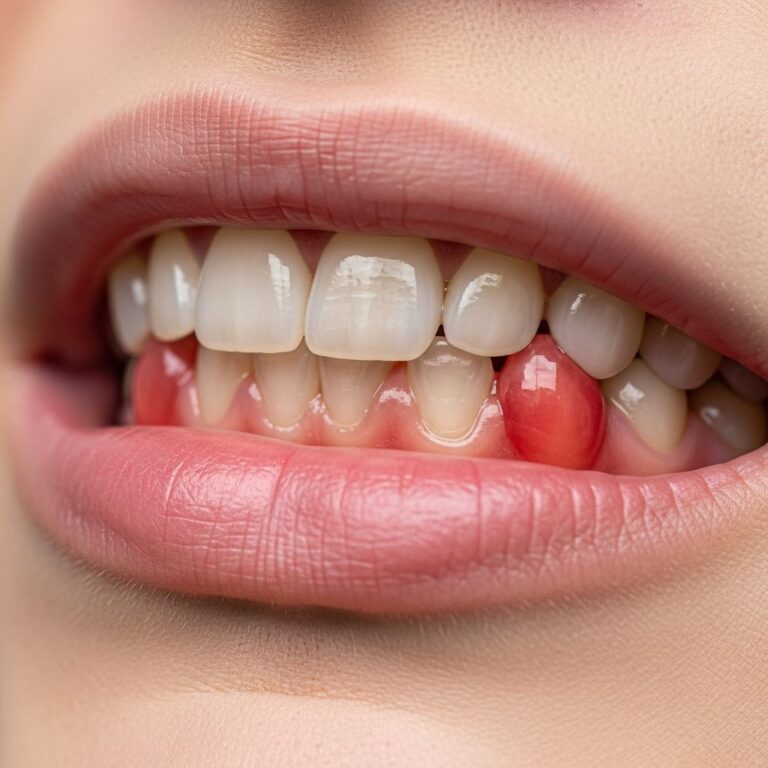
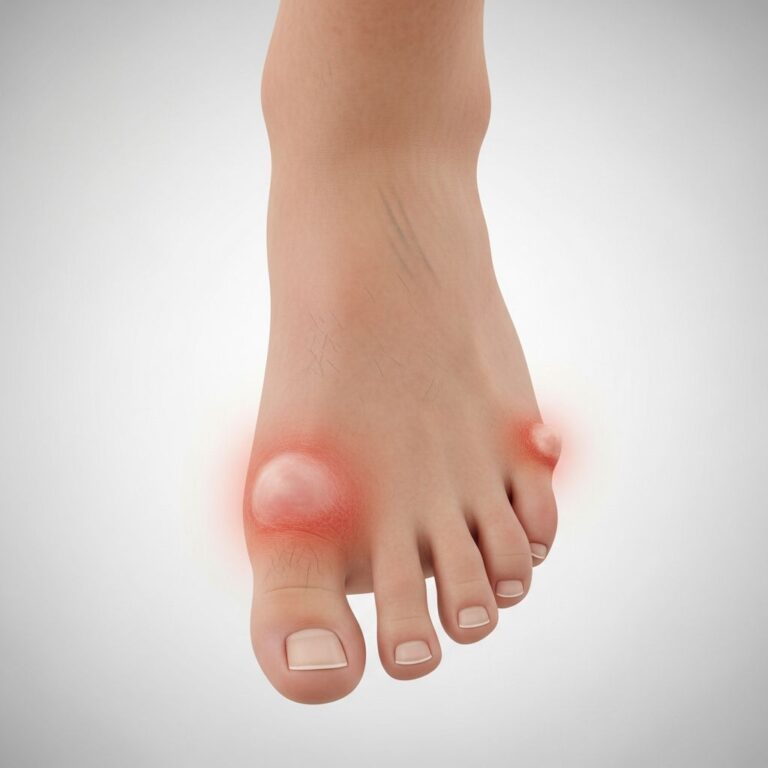
Staph infections manifest differently based on location and severity. Superficial skin issues are the most frequent starters, appearing as red, swollen bumps resembling pimples or insect bites. These can evolve into painful boils filled with pus, especially in moist areas like armpits, groin, or buttocks.
| Type of Infection | Common Symptoms | Affected Areas |
|---|---|---|
| Impetigo | Yellow-crusted sores, itching | Face, mouth |
| Folliculitis/Boils | Pus-filled pimples, pain, crusting | Hair follicles, underarms |
| Cellulitis | Red, hot, swollen skin, fever | Legs, arms |
| Abscess/Carbuncle | Deep pus pockets, severe pain | Neck, back |
Deeper or systemic infections signal danger. Bacteremia occurs when staph enters the blood, causing fever, chills, rapid heartbeat, and confusion—precursors to sepsis. Toxic shock syndrome, linked to tampons or wounds, brings sudden high fever, rash, vomiting, and muscle pain. Joint infections (septic arthritis) cause swelling and immobility, often in knees or hips.
Foodborne staph leads to rapid-onset nausea, cramps, and diarrhea without fever, resolving in hours but dehydrating quickly. In healthcare settings, staph can cause pneumonia, endocarditis, or osteomyelitis, with symptoms like cough, chest pain, or bone tenderness.
Risk Factors That Fuel Recurrence
Beyond skin breaks, certain groups are prone to repeated staph episodes. Children, athletes, and healthcare workers face higher exposure. Living in crowded households or dialysis patients see elevated rates due to shared spaces or invasive devices. Obesity and poor circulation impair healing, perpetuating the cycle.
- Chronic illnesses: Diabetes slows wound recovery.
- Weakened immunity: Cancer treatments or steroids reduce bacterial clearance.
- Recent antibiotics: Disrupt normal flora, allowing staph dominance.
- Household transmission: Untreated family carriers reinfect others.
Related Stories



Diagnosis: Confirming a Staph Infection
Doctors diagnose staph through visual inspection, pus swabs for culture, or blood tests for systemic spread. Imaging like X-rays detects bone involvement, while PCR tests identify MRSA quickly. Early confirmation guides targeted therapy, preventing escalation.
Treatment Approaches for Acute and Recurrent Cases
Minor skin infections may respond to warm compresses and drainage, with topical mupirocin for localized control. Oral antibiotics like dicloxacillin or cephalexin treat uncomplicated cases, but MRSA requires vancomycin, clindamycin, or doxycycline—often intravenously for severe infections.
For recurrence, decolonization protocols eradicate carrier states: nasal mupirocin ointment twice daily for 5-10 days, plus chlorhexidine body washes. Treat all household contacts to curb spread. Managing underlying eczema with moisturizers and steroids fortifies skin defenses.
Hospitalized patients with sepsis or endocarditis receive IV antibiotics for weeks, sometimes with surgery to drain abscesses. Never squeeze boils yourself—risk spreading bacteria.
Prevention Strategies to Break the Recurrence Cycle
Proactive measures slash recurrence by 50% in high-risk groups. Daily chlorhexidine washes reduce skin colonization. Keep skin intact with emollients for dry conditions. Avoid sharing personal items; launder towels in hot water.
- Clean wounds promptly with soap and water.
- Use bleach baths (1/4 cup per tub) weekly for eczema patients.
- Trim nails short to minimize scratches.
- Vaccinate against flu/pneumonia to avoid secondary staph.
- Practice good hand hygiene, especially post-sports.
Institutional settings enforce isolation and screening. Long-term nasal cultures monitor carrier status.
Living with Recurrent Staph: Daily Management Tips
Track infections in a journal noting triggers like stress or illness. Partner with a dermatologist or infectious disease specialist for tailored plans. Boost immunity via balanced diet, exercise, and sleep. For athletes, shower immediately post-activity with antibacterial soap.
When to Seek Urgent Medical Help
Rush to ER for fever over 101°F with chills, spreading redness, dizziness, or breathing issues—these scream sepsis. Joint pain with swelling or post-surgical worsening warrants immediate evaluation.
FAQs on Recurring Staph Infections
What causes staph infections to recur frequently?
Broken skin from eczema, nasal carriage, or antibiotic-resistant strains like MRSA are primary culprits.
Can recurring staph be cured permanently?
While not always eradicable, decolonization and skin care reduce episodes by over 50% long-term.
Is MRSA more likely in recurrent cases?
Yes, MRSA thrives in recurrent scenarios due to resistance.
How long do staph antibiotics take to work?
Skin infections improve in 48-72 hours; complete courses prevent resistance.
Can family members get my recurring staph?
Absolutely—treat contacts to stop household cycles.
Emerging Research and Future Outlook
Ongoing trials explore phage therapy and new vaccines against staph toxins. Probiotics may restore skin microbiomes, curbing recolonization. Stay informed via CDC updates for breakthroughs.
References
- Staph infections – Symptoms & causes — Mayo Clinic. 2023-10-15. https://www.mayoclinic.org/diseases-conditions/staph-infections/symptoms-causes/syc-20356221
- Staph infection — NHS. 2024-05-20. https://www.nhs.uk/conditions/staphylococcal-infections/
- Staph infections – recurring — Healthify. 2023-01-12. https://healthify.nz/health-a-z/s/staph-infections-recurring
- Staph Infection: Symptoms & Causes — NewYork-Presbyterian. 2024-02-08. https://www.nyp.org/primary-care/staph-infection
- Staph infections – symptoms, causes, treatment and prevention — healthdirect.gov.au. 2024-11-01. https://www.healthdirect.gov.au/staph-infections
- Staphylococcus aureus Basics — CDC. 2025-01-10. https://www.cdc.gov/staphylococcus-aureus/about/index.html
Similar Articles








Read full bio of medha deb