Red Beans: Heart-Healthy Legumes for Optimal Wellness
Discover how red beans support cardiovascular health, weight management, and disease prevention.
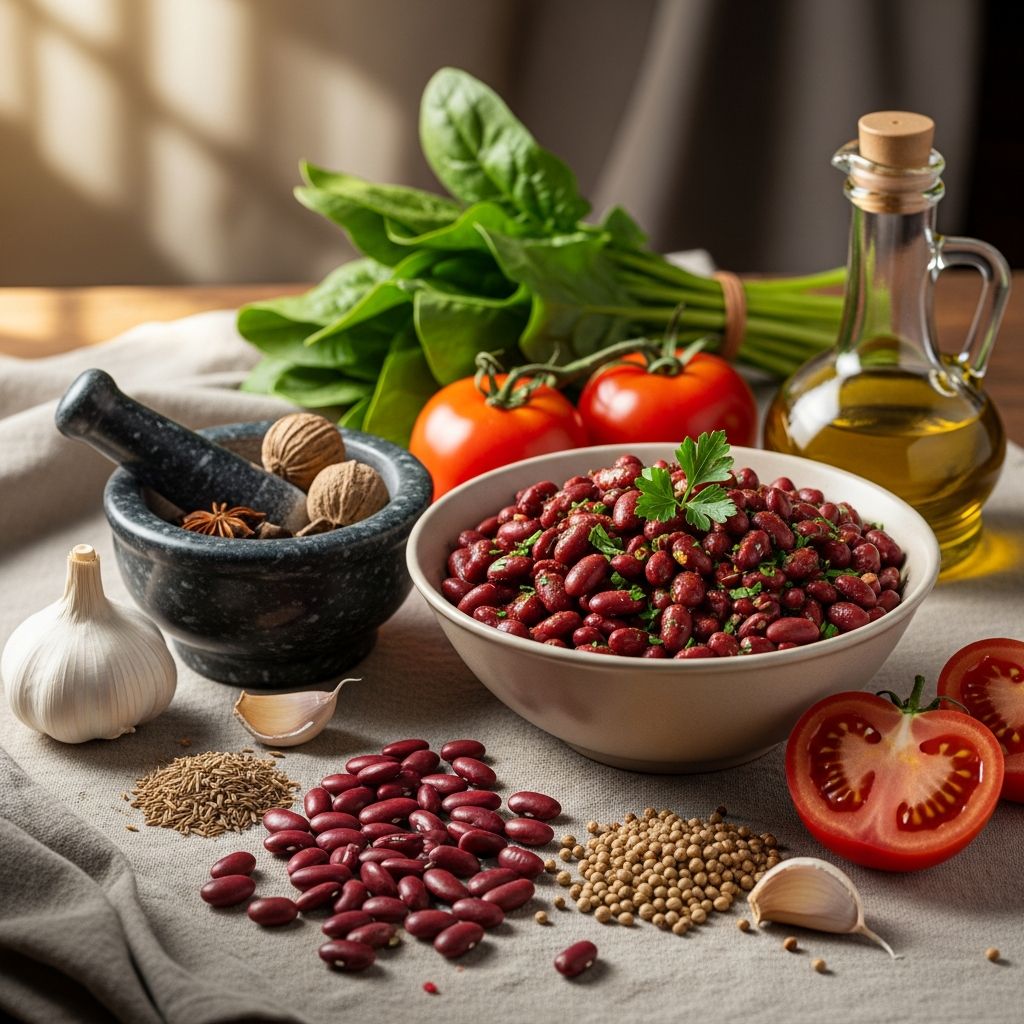
Red Beans: A Nutritional Powerhouse for Heart Health
Red beans stand out as one of nature’s most nutrient-dense legumes, offering a remarkable combination of health benefits that make them an ideal addition to any heart-healthy diet. Whether you’re looking to support cardiovascular health, manage your weight, or reduce your risk of chronic diseases, red beans deliver an impressive nutritional profile that addresses multiple health goals simultaneously. As a staple in cuisines around the world, these small but mighty legumes have been recognized by leading health institutions for their exceptional contribution to overall wellness.
Nutritional Profile and Composition
Red beans provide an exceptional array of essential nutrients in a remarkably low-calorie package. A half-cup serving of cooked red beans contains approximately 113 calories, making them an efficient source of nutrition for those watching their caloric intake. What makes red beans particularly valuable is their impressive macronutrient composition: they deliver roughly 8 grams of high-quality plant protein per half-cup serving, making them an excellent choice for vegetarians, vegans, and anyone seeking to diversify their protein sources.
Beyond protein, red beans are loaded with dietary fiber—providing approximately 7 to 8 grams per half-cup serving depending on the variety. This fiber comes in two forms: insoluble fiber found primarily in the bean’s skin and soluble fiber distributed throughout the legume. The fiber content alone makes red beans a standout food for digestive health and overall wellness. Additionally, red beans contain resistant starch, a complex carbohydrate that acts like dietary fiber in that it “resists” digestion and feeds beneficial bacteria in your colon.
Red beans are also rich in essential minerals and vitamins. They contain calcium, magnesium, and potassium—three minerals critical for blood pressure regulation. Specific varieties, such as adzuki beans, are particularly mineral-rich, providing 32 milligrams of calcium, 60 milligrams of magnesium, and just over 600 milligrams of potassium per half-cup serving. Furthermore, red beans offer 115 to 140 micrograms of folate per half-cup, depending on the variety—a significant contribution to your daily folate needs.
Cardiovascular Health Benefits
Red beans are champions for heart health, supporting cardiovascular function through multiple mechanisms. As a low-fat, cholesterol-free source of high-quality plant protein, red beans allow you to reduce your intake of saturated fat—the type of fat that contributes to high cholesterol. By substituting red beans for meat just a few times per week, you can significantly lower your cardiovascular risk factors. Research supports this approach: a meta-analysis of 36 randomized controlled trials involving 1,803 participants found that substituting plant-based proteins like legumes for red meat reduced risk factors for cardiovascular disease, including blood cholesterol, triglycerides, and blood pressure.
The soluble fiber in red beans plays a crucial role in heart health by helping normalize unhealthy cholesterol levels. This type of fiber binds to cholesterol particles in your digestive system, promoting their elimination from the body. Additionally, red beans contain all three minerals essential for blood pressure control: calcium, magnesium, and potassium. These minerals work synergistically to help regulate blood pressure and reduce your risk of hypertension-related complications.
Red beans’ high folate content provides yet another cardiovascular benefit. Folate helps lower blood homocysteine levels, a marker that, when elevated, is associated with an increased risk of heart disease. By consuming adequate folate through foods like red beans, you’re taking an important step in maintaining healthy homocysteine levels and protecting your cardiovascular system.
Weight Management and Satiety
For those seeking to manage their weight, whether through weight loss or weight gain prevention, red beans represent an ideal dietary component. Their high protein content makes red beans exceptionally satiating, meaning you’re more likely to feel fuller longer after consuming them. This increased feeling of fullness can help reduce overall caloric intake and support weight loss efforts.
When combined with resistance training exercises, the protein in red beans helps preserve or build lean tissue while losing weight—a critical factor for maintaining a healthy metabolism. The dietary fiber in red beans further enhances their weight management benefits by promoting satiety without contributing significant calories. The resistant starch present in red beans plays a similar role, contributing to what researchers at Harvard T.H. Chan School of Public Health identify as the food’s satiety factor.
This combination of protein, fiber, and resistant starch makes red beans particularly effective for anyone following a weight management program. Unlike many processed diet foods that rely on artificial ingredients to create fullness, red beans provide genuine nutritional substance that keeps you satisfied between meals.
Diabetes Prevention and Blood Sugar Control
Red beans’ benefits for cardiovascular health and weight management extend to diabetes prevention. Most foods that support heart health and help manage body weight are effective in protecting against type 2 diabetes, and red beans exemplify this principle. This protective effect stems largely from their high dietary fiber and resistant starch content, both of which help control how quickly food is broken down and how rapidly nutrients are absorbed for use.
The fiber in red beans slows the rate at which glucose is released into your bloodstream, helping prevent the insulin spikes that lead to type 2 diabetes. According to a 2004 study published in the American Society for Clinical Nutrition, people who consume a high-fiber diet are significantly less likely to develop type 2 diabetes than those whose diets are low in fiber. Like dietary fiber, resistant starch in red beans slows glucose release and decreases the total amount of glucose that enters your bloodstream, providing dual protection against blood sugar spikes.
Research from Harvard demonstrates the real-world impact of legume consumption on diabetes risk. A cohort study of 64,277 middle-aged women in China without diabetes at baseline found that after 4.5 years, those who consumed the most legumes—approximately one-third cup daily—compared with those eating the least had a 38% reduced risk of type 2 diabetes.
Cancer Prevention and Antioxidant Protection
Red beans may help protect against cancer through multiple biological pathways. As a high-fiber food, red beans could help prevent breast cancer. A 2016 study led by Harvard researchers and published in the journal Pediatrics found that women who consumed a fiber-rich diet during adolescence and early adulthood had a significantly lower risk of developing breast cancer later in life.
Beyond fiber’s protective effects, red beans are rich in antioxidants that help inhibit the type of free-radical damage that may eventually lead to cancer. Red beans have a fairly high Oxygen Radical Absorption Capacity (ORAC) score, meaning that the antioxidants they contain are relatively effective against free-radical damage. According to the U.S. Department of Agriculture’s 2010 ORAC report, red kidney beans have an ORAC score five times higher than navy beans and about 10 times higher than garbanzo beans.
The resistant starch in red beans may provide additional cancer protection. During the fermentation of resistant starch by beneficial bacteria in your colon, these microorganisms create a short-chain fatty acid called butyrate that may be associated with the prevention of colorectal cancer.
Digestive Health and Gut Function
Red beans support digestive health through their substantial fiber content. The insoluble fiber found primarily in the bean’s skin promotes digestive health and bowel regularity by sweeping material through your digestive tract. This type of fiber adds bulk to your stool and helps prevent constipation while promoting regular bowel movements.
The soluble fiber in red beans feeds beneficial bacteria living in your colon, helping maintain colon health and supporting normal bowel function. When bacteria break down and ferment resistant starches and oligosaccharides in red beans, they create gas, which may cause bloating and abdominal cramping in some people. However, soaking dried beans for at least three hours before cooking can help decrease this side effect. In the long run, these beneficial bacteria support normal bowel function and may reduce levels of cancer-causing compounds.
Preparation and Safety Considerations
Red beans can be prepared in several ways depending on your preference and time constraints. Dried red kidney beans need soaking and should then be boiled until tender because they contain toxins on the outer skin that become harmless after cooking. If you soak dried beans for at least three hours before cooking, you can further reduce potential digestive side effects like bloating.
For convenience, canned beans are already cooked and safe for consumption, making them an excellent option for quick meal preparation. Whether you choose dried or canned red beans, both options provide the same impressive nutritional benefits and health-promoting properties.
Red Beans vs. White Kidney Beans: A Comparison
| Nutrient | Red Kidney Beans (per 1/2 cup cooked) | White Kidney Beans (per 1/2 cup cooked) |
|---|---|---|
| Calories | 113 | 125 |
| Protein (g) | 7.7 | 8.7 |
| Fat (g) | 0.4 | 0.3 |
| Fiber (g) | 6.6 | 6.6 |
| Carbohydrates (g) | 20.2 | 22.5 |
In terms of nutritional benefit, the difference between red beans and white beans is negligible. Both varieties offer similar fiber content, approximately 6.6 grams per half-cup serving, and both are excellent sources of plant-based protein. White beans contain slightly more protein per serving (8.7 grams versus 7.7 grams) and are marginally lower in calories, though the differences are minimal. For practical purposes, you can choose your favorite variety based on taste preference and culinary applications, knowing that either choice will provide substantial health benefits.
Incorporating Red Beans into Your Diet
The U.S. Dietary Guidelines recommend approximately 3 cups of legumes per week for optimal health benefits. The DASH Eating Plan of the National Heart, Lung, and Blood Institute recommends 4-5 half-cup servings per week. These evidence-based recommendations reflect the significant health benefits that legumes, including red beans, provide to those who consume them regularly.
Red beans are versatile ingredients that can be incorporated into numerous dishes. They work beautifully in soups, stews, salads, rice bowls, and traditional preparations like red beans and rice. Their mild, slightly earthy flavor complements both aromatic and spicy seasonings, making them adaptable to various cuisines and personal taste preferences.
Frequently Asked Questions (FAQs)
Q: Are there any side effects from eating red beans?
A: Some people experience bloating or gas when consuming beans due to fermentation of resistant starches by beneficial gut bacteria. Soaking dried beans for at least three hours before cooking can minimize this effect. Over time, as your digestive system adapts, these side effects typically diminish.
Q: How much red beans should I eat for health benefits?
A: The U.S. Dietary Guidelines recommend approximately 3 cups of legumes per week, while the DASH Eating Plan suggests 4-5 half-cup servings per week. This translates to including red beans in several meals throughout the week.
Q: Can people with diabetes safely eat red beans?
A: Yes, red beans are particularly beneficial for people with diabetes or those at risk. Their fiber and resistant starch content help control blood sugar spikes and may reduce diabetes risk by up to 38% according to research studies.
Q: Should I choose dried or canned red beans?
A: Both dried and canned red beans provide the same nutritional benefits. Canned beans offer convenience and are already safely cooked, while dried beans require soaking and cooking but may be more economical.
Q: How do red beans compare nutritionally to other legumes?
A: Red beans have an ORAC score five times higher than navy beans and about 10 times higher than garbanzo beans, indicating superior antioxidant capacity. However, all legumes provide excellent health benefits including fiber, protein, and essential minerals.
Q: Can red beans help with weight loss?
A: Yes, red beans are ideal for weight management due to their high protein and fiber content, which promote satiety and help you feel fuller longer. They support weight loss when combined with regular physical activity and a balanced diet.
References
- Things You Need to Know About the Health Benefits of Red Beans — School Nutrition and Fitness. https://district.schoolnutritionandfitness.com/
- What’s the Difference Between White and Red Kidney Beans? — LoseIt. https://www.loseit.com/articles/difference-between-white-red-kidney-beans/
- Legumes and Pulses — The Nutrition Source — Harvard University T.H. Chan School of Public Health. https://nutritionsource.hsph.harvard.edu/legumes-pulses/
- U.S. Dietary Guidelines for Americans — U.S. Department of Agriculture and U.S. Department of Health and Human Services. https://www.dietaryguidelines.gov/
- DASH Eating Plan — National Heart, Lung, and Blood Institute. https://www.nhlbi.nih.gov/health-topics/dash-eating-plan
Similar Articles






Read full bio of Sneha Tete