Red Dye 40: Safety, Side Effects, and Foods to Avoid
Unpacking the controversies around Red Dye 40: Is this common food coloring safe, or linked to allergies, hyperactivity, and serious health risks?
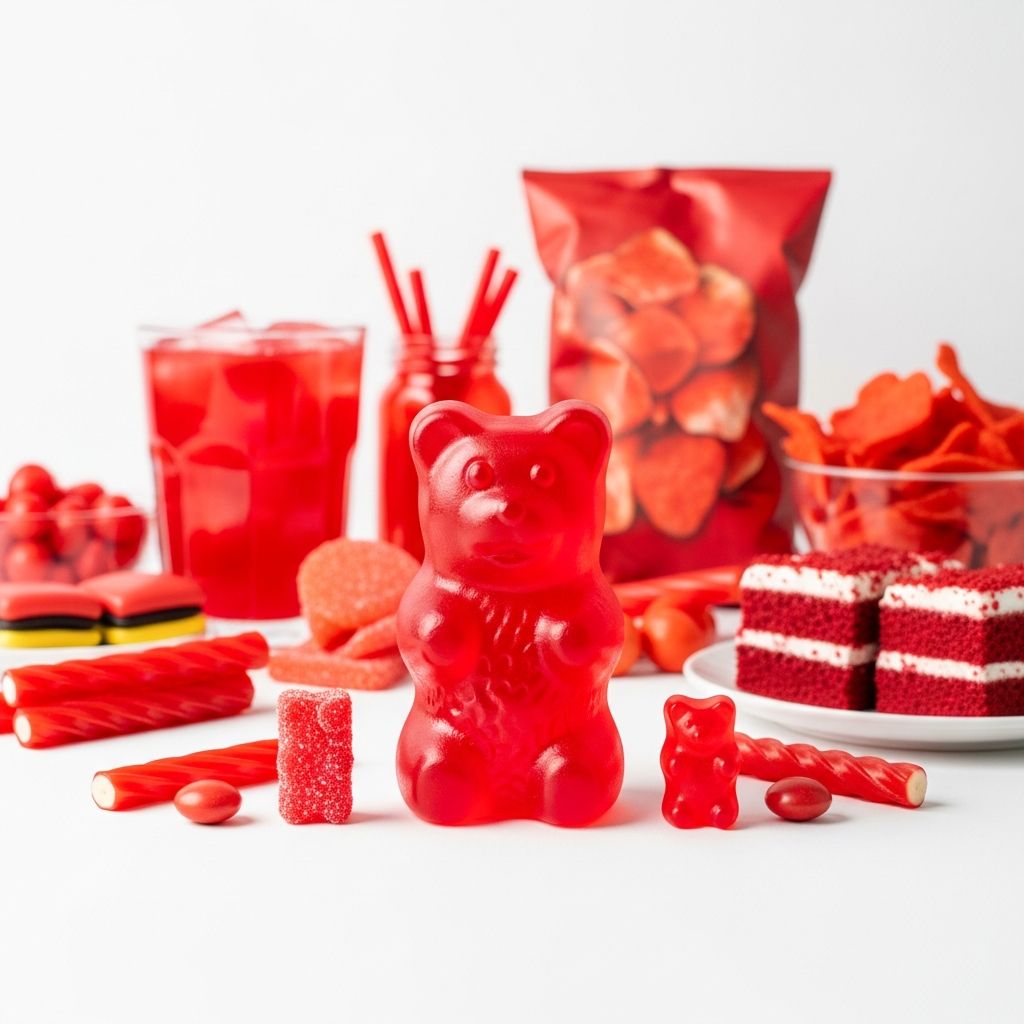
Red Dye 40, also known as Allura Red AC, is one of the most prevalent synthetic food colorings in the United States, adding vibrant red hues to everything from candies and sodas to cereals and yogurts. Approved by the FDA and used globally, this petroleum-derived dye has sparked intense debate due to concerns over allergies, behavioral effects in children, migraines, and more recently, DNA damage and inflammation linked to colorectal cancer risks. While regulatory bodies deem it safe within limits, emerging peer-reviewed research challenges this view, particularly for vulnerable groups like children consuming high amounts in ultra-processed diets.
What Is Red Dye 40?
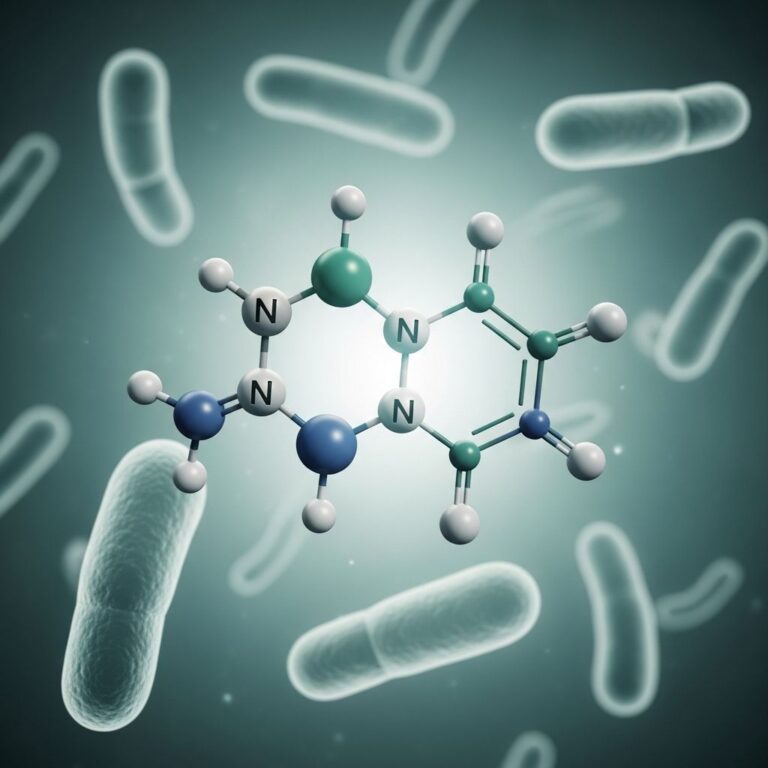
Red Dye 40 is a synthetic azo dye derived from petroleum, chemically known as Disodium 6-hydroxy-5-((2-methoxy-5-methyl-4-sulfophenyl)azo)-2-naphthalenesulfonate. It’s one of nine FDA-certified color additives for foods, drugs, and cosmetics, certified batch-by-batch to ensure purity. The dye produces a bright cherry-red shade stable in light and heat, making it ideal for processed foods. Unlike natural colorants like beet juice, Red Dye 40 is cheap, consistent, and shelf-stable, which explains its ubiquity in the American diet.
The European Union permits it but requires warning labels on products for children due to hyperactivity concerns. In the U.S., the FDA sets an Acceptable Daily Intake (ADI) of 3.2 mg per pound (7 mg/kg) body weight—about 476 mg daily for a 150-pound adult. Studies show average U.S. intake is far lower at 0.002–0.1 mg/kg/day, but children and heavy consumers of dyed snacks exceed this more often.
How Is Red Dye 40 Used?
Red Dye 40 enhances visual appeal in ultra-processed foods, masking bland colors from industrial processing. It’s water-soluble, blending seamlessly into beverages and gels. Common applications include:
- Beverages: Sports drinks, sodas, fruit punches, and powdered mixes like Kool-Aid.
- Dairy and desserts: Flavored yogurts, ice creams, puddings, popsicles, and Jell-O.
- Baked goods and candies: Cakes, cookies, gummies, licorice, chewing gum, and breakfast cereals.
- Snacks: Fruit snacks, chips, and cereals targeted at kids.
- Other: Medications, mouthwashes, and cosmetics.
A single serving of dyed cereal or candy can contain 5–20 mg, accumulating quickly in children’s diets heavy in these items.
Is Red Dye 40 Safe?
Regulatory consensus holds Red Dye 40 as safe at approved levels. The FDA, WHO, and FAO classify exposure as low concern, with no observed adverse effects in most populations. The EPA echoes this, rating it low toxicity. However, this view is increasingly contested by recent studies revealing genotoxicity and inflammatory effects.
| Authority | Stance on Safety | ADI (mg/kg body weight) |
|---|---|---|
| FDA | Approved; batch-certified | 7 |
| WHO/FAO | Not a health concern | 7 |
| EU | Allowed with child hyperactivity warnings | 7 |
| Recent Research | DNA damage, inflammation at ADI levels | Questions ADI |
Critics argue animal studies use doses mirroring human exposure, especially with high-fat diets prevalent in Western eating patterns. The FDA recently banned Red No. 3 (another dye) for food use after cancer links in rodents, signaling scrutiny on synthetic colors.
Potential Side Effects of Red Dye 40
Allergies and Hives
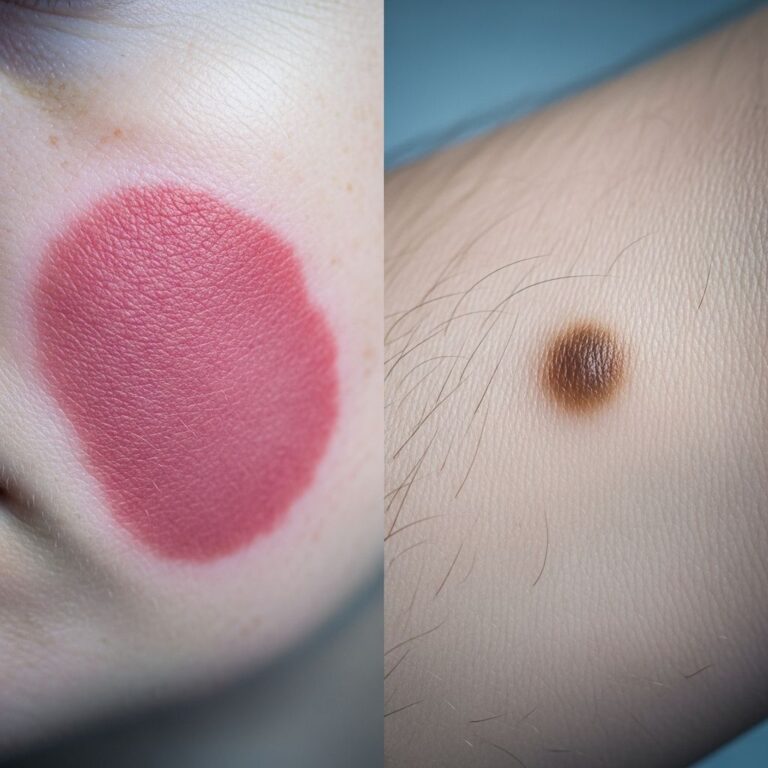
A small subset experiences hypersensitivity, with symptoms like hives, itching, swelling, or anaphylaxis. Allergies stem from immune overreaction to the dye as a foreign substance. Prevalence is low—under 0.1%—but severe in affected individuals. Those with aspirin intolerance or asthma may be at higher risk.
Related Stories



Migraines and Headaches
Anecdotal reports link Red Dye 40 to migraines, possibly via neurotransmitter effects or vascular changes. Limited studies support this in sensitive people, though causation isn’t proven.
Effects on Children’s Behavior
The most debated issue: Does Red Dye 40 cause hyperactivity, ADHD-like symptoms, or aggression? The FDA notes some children may be sensitive, though most aren’t affected. Meta-analyses show mixed results; UK studies prompted warning labels. Mechanisms may involve dopamine disruption or gut-brain axis changes.
- Symptoms: Inattention, impulsivity, fidgeting, outbursts.
- Vulnerable: Kids with ADHD or dye sensitivities.
- Evidence: Animal studies show behavioral changes; human trials inconsistent.
DNA Damage and Cancer Risk
Breakthrough 2023 research from NIH-funded studies demonstrates Red Dye 40 causes DNA strand breaks in colon cells at doses equal to or twice the ADI, both in vitro and in vivo. In mice on high-fat diets (mimicking Western diets), 10 months of exposure led to gut dysbiosis, p53 mutations, and low-grade distal colon inflammation—precursors to early-onset colorectal cancer (EOCRC). Fig. 2 from the study shows comet assay evidence of DNA damage peaking at 6–24 hours post-exposure.
Researchers posit chronic, subtle inflammation from Red 40 as a foreign irritant promotes carcinogenesis, especially in youth with rising EOCRC rates paralleling ultra-processed food consumption. This aligns with colitis exacerbation in models. MD Anderson experts note artificial dyes’ potential cancer links, urging caution.
Other Concerns: Microbiome Disruption
Red 40 alters gut microbiota, reducing diversity and promoting pro-inflammatory bacteria, compounding DNA and inflammation risks on high-fat diets.
What Foods Contain Red Dye 40?
Scan labels for ‘Red 40,’ ‘Allura Red,’ or ‘CI 16035.’ Common culprits:
- Cereals (e.g., Froot Loops, Fruity Pebbles)
- Candies (Skittles, M&M’s, gummy bears)
- Sodas and sports drinks (Gatorade, Mountain Dew)
- Yogurts and puddings (strawberry flavors)
- Ice cream, popsicles, Jell-O
- Baked goods, frostings, chewing gum
Avoidance tip: Opt for ‘no artificial colors’ products.
Should You Avoid Red Dye 40?
For most, occasional intake poses minimal risk per regulators. However, given new evidence on genotoxicity, pregnant women, children, and those with allergies/ADHD should minimize exposure. Natural alternatives like beet powder or annatto exist, though less vibrant. Advocacy groups push for bans, citing Red 3’s revocation. Consult a doctor for personalized advice.
Frequently Asked Questions (FAQs)
Is Red Dye 40 banned anywhere?
Not in the U.S. or EU for food, but the FDA banned Red No. 3 in 2024 after animal cancer data. Some countries restrict it in kids’ foods.
Does Red Dye 40 cause cancer?
Recent mouse studies link it to colon DNA damage and inflammation, potential EOCRC factors. Human data pending; not conclusive yet.
Is Red Dye 40 safe for kids?
FDA says yes for most, but sensitive children may show hyperactivity. EU requires warnings.
What are natural alternatives to Red Dye 40?
Beet juice, radish extract, anthocyanins from berries, or carmine (though allergenic).
How can I avoid Red Dye 40?
Read labels, choose whole foods, select ‘no artificial dyes’ products, make homemade versions.
References
- The synthetic food dye, Red 40, causes DNA damage, colitis, and p53 mutations in normal human colon explants and mice — NIH/PMC. 2023-09-29. https://pmc.ncbi.nlm.nih.gov/articles/PMC10502305/
- Red Dye 40: Safety, Side Effects, and Food List — Healthline. 2023 (updated). https://www.healthline.com/nutrition/red-dye-40
- FDA to Revoke Authorization for the Use of Red No. 3 in Food and Ingested Drugs — FDA.gov. 2024-01-15. https://www.fda.gov/food/hfp-constituent-updates/fda-revoke-authorization-use-red-no-3-food-and-ingested-drugs
- Are food dyes unhealthy? — MD Anderson Cancer Center. 2023-04-28. https://www.mdanderson.org/cancerwise/are-food-dyes-unhealthy.h00-159775656.html
Similar Articles








Read full bio of Sneha Tete