Red Eye: Causes, Treatments, And Prevention Guide
Discover common and serious triggers of red eyes, from allergies to infections, and learn effective treatments to restore clear vision.
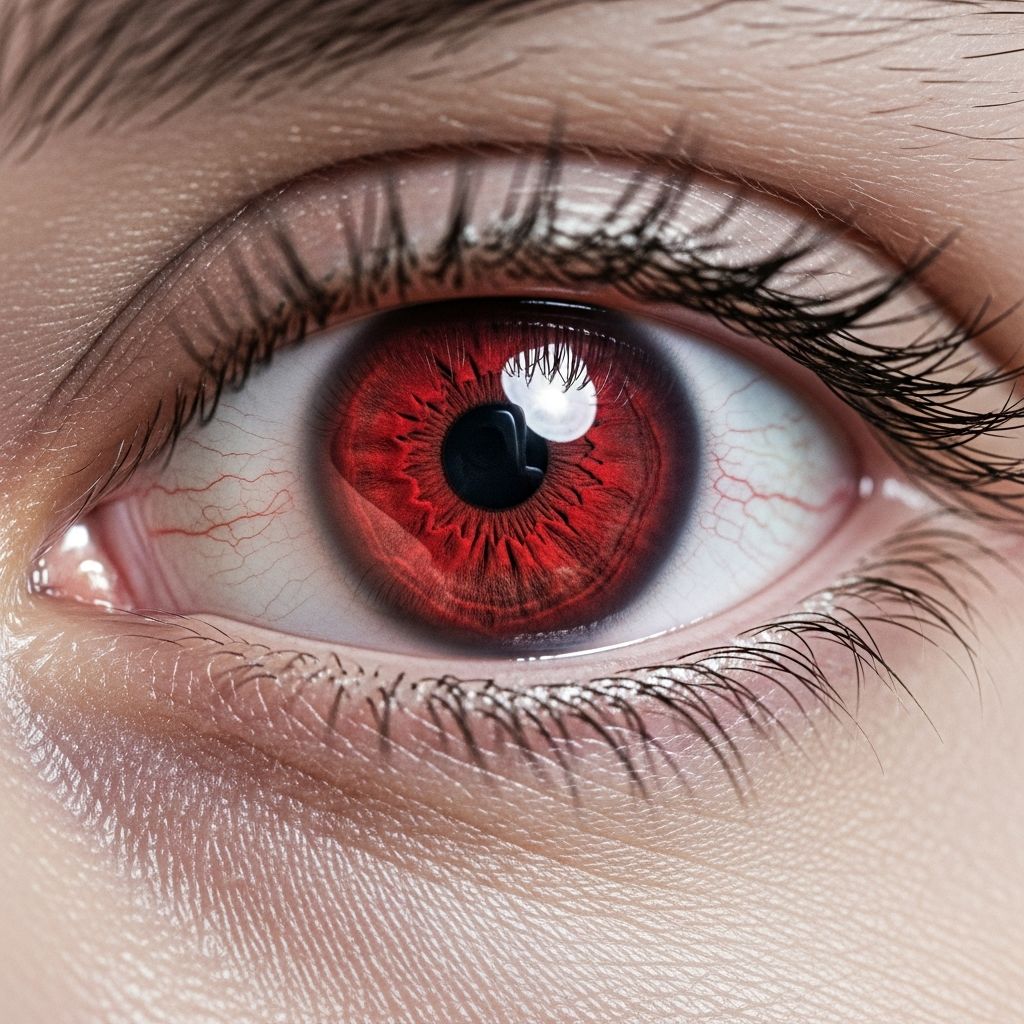
Red eyes, often described as bloodshot, occur when small blood vessels on the eye’s surface expand and become visible. This common issue affects people of all ages and can stem from everyday irritants or signal deeper health concerns. While most cases resolve without intervention, persistent or painful redness warrants professional evaluation to prevent complications like vision impairment.
Understanding the Anatomy Behind Red Eyes
The eye’s outer layer, known as the sclera or white of the eye, is covered by a thin membrane called the conjunctiva. When blood vessels in these areas dilate due to inflammation, infection, or trauma, the eye appears red. Factors like dryness reduce tear production, exacerbating vessel visibility, while infections introduce pathogens that provoke immune responses.
This dilation protects the eye by increasing blood flow to combat threats, but prolonged activation leads to discomfort, itching, or blurred vision. Recognizing patterns—such as unilateral versus bilateral redness—helps pinpoint causes.
Everyday Triggers of Eye Redness
Many instances of red eyes arise from benign, non-serious factors that respond well to simple remedies.
- Dry Eye Syndrome: Insufficient tear production or poor tear quality leaves eyes exposed, causing irritation and redness. Symptoms include burning, grittiness, and light sensitivity. Common in screen users or low-humidity environments.
- Allergies: Pollen, dust mites, pet dander, or smoke trigger histamine release, leading to itchy, watery, red eyes often with nasal symptoms. Seasonal allergies peak in spring or fall.
- Contact Lens Misuse: Extended wear, improper cleaning, or sleeping in lenses irritates the cornea, fostering bacterial growth or scratches.
- Environmental Irritants: Wind, chlorine from pools, or cigarette smoke dilates vessels temporarily.
Serious Infections Causing Red Eyes
Infections demand prompt attention, especially contagious ones, to avoid spread or scarring.
Conjunctivitis (Pink Eye)
This inflammation of the conjunctiva turns eyes pinkish-red. Viral forms, linked to adenoviruses or colds, spread via touch; bacterial types from staph or strep produce pus-like discharge. Allergic conjunctivitis itches intensely. Contagious variants require hygiene measures like handwashing.
Blepharitis and Eyelid Issues
Inflammation along eyelid margins, often from clogged oil glands or bacteria, causes crusting, redness, and lash loss. Chalazia form as painless lumps from blocked glands.
Corneal Conditions
Ulcers—open sores on the cornea—arise from bacteria, viruses like herpes simplex, fungi, or parasites like acanthamoeba in lens users. Symptoms include severe pain, tearing, and light sensitivity. Abrasions from scratches mimic this but heal faster.
Systemic and Inflammatory Disorders
Red eyes sometimes reflect broader health issues.
| Condition | Symptoms | Associated Risks |
|---|---|---|
| Uveitis | Pain, floaters, blurred vision, light sensitivity | Autoimmune diseases (lupus, rheumatoid arthritis), infections (syphilis, shingles), potential vision loss |
| Scleritis | Deep pain, tenderness | Rheumatoid arthritis, lupus, inflammatory bowel disease |
| Acute Glaucoma | Sudden severe pain, nausea, halos around lights | Eye pressure buildup; emergency |
| Orbital Cellulitis | Swelling, fever, restricted eye movement | Bacterial spread from sinuses; can threaten sight |
Uveitis affects the middle eye layer (uvea), often idiopathic but tied to systemic autoimmunity. Scleritis inflames the sclera itself, causing throbbing pain. Glaucoma’s redness accompanies pressure spikes, demanding immediate care.
Related Stories



Trauma and Vascular Events
- Subconjunctival Hemorrhage: A burst vessel creates a bright red patch, painless and self-resolving in 1-2 weeks. Triggered by coughing, straining, or hypertension.
- Corneal Abrasions: Foreign bodies or scratches cause sharp pain and tearing.
- Chemical Burns or Trauma: Acids, alkalis, or blunt force demand irrigation and urgent ophthalmology.
Identifying Symptoms That Signal Urgency
Benign redness is typically bilateral, mild, and itch-focused. Seek care if experiencing:
- Unilateral pain or vision changes
- Severe light sensitivity or floaters
- Pus discharge or fever
- Halos, nausea, or headache
- Redness post-surgery/trauma
Children, lens wearers, or those with immune issues face higher risks.
Prevention Strategies for Healthy Eyes
Proactive habits minimize occurrences:
- Follow the 20-20-20 rule: Every 20 minutes, view 20 feet away for 20 seconds.
- Use preservative-free artificial tears for dryness.
- Wash hands before lens handling; replace cases monthly.
- Avoid rubbing eyes; use cool compresses for allergies.
- Protect with sunglasses against UV/pollen.
- Maintain lid hygiene with warm compresses.
Home Remedies and Over-the-Counter Options
For mild cases:
- Cool compresses soothe inflammation.
- Antihistamine drops/ oral meds combat allergies.
- Lubricating drops hydrate dry eyes.
- Avoid irritants like makeup or smoke.
Discontinue contacts during episodes.
Professional Treatments by Cause
Treatment targets the root:
- Infections: Antibiotic/ antiviral drops for bacterial/viral; steroids cautiously.
- Inflammation: Corticosteroid drops for uveitis/scleritis under supervision.
- Allergies: Mast cell stabilizers or immunotherapy.
- Surgery: For glaucoma, ulcers, or lid malpositions (ectropion/entropion).
Follow-up ensures resolution.
Special Considerations for At-Risk Groups
Pregnant individuals may experience dryness from hormones. Diabetics risk vascular issues. Immunocompromised patients face severe infections. Elderly with Sjögren’s battle chronic dryness.
Frequently Asked Questions (FAQs)
Is red eye always contagious?
No, only infectious conjunctivitis spreads; allergies or dryness do not.
How long does redness from a burst vessel last?
1-2 weeks, resolving without treatment.
Can screen time cause permanent red eyes?
No, but chronic dryness may lead to ongoing issues if unaddressed.
When should I see a doctor for red eyes?
If painful, vision-altering, or lasting over a week.
Are red eyes a sign of high blood pressure?
Rarely; usually from hemorrhages, but check underlying causes.
Maintaining Long-Term Eye Wellness
Annual exams detect predispositions early. Balanced diet with omega-3s supports tear films. Hydration and humidity control aid comfort. Prompt action preserves sight.
References
- 5 Serious Causes of Red Eyes — Omphroy Eye Care. 2023. https://omphroyeyecare.com/5-serious-causes-of-red-eyes/
- 20 Causes, Symptoms, and Complications of Red Eyes — Healthline. 2024-10-15. https://www.healthline.com/health/eye-redness
- Red eye Causes — Mayo Clinic. 2025. https://www.mayoclinic.org/symptoms/red-eye/basics/causes/sym-20050748
- Eye Redness — causes, symptoms, treatments — Acuvue. 2024. https://www.acuvue.com/en-me/eye-health/red-eye/
- Red Eye: Causes, Treatment & Prevention — Cleveland Clinic. 2025-01-20. https://my.clevelandclinic.org/health/symptoms/17690-red-eye
- Many Causes of Red Eye — Metrolina Eye. 2023. https://www.metrolinaeye.com/red-eyes/many-causes-red-eyes/
- Red eye — nidirect (UK Government). 2024. https://www.nidirect.gov.uk/conditions/red-eye
Similar Articles








Read full bio of Sneha Tete