Red Eye: Causes, Symptoms, and Treatment Options
Understanding red eye: Learn common causes, when to seek care, and effective treatment strategies.
Red Eye: Comprehensive Guide to Causes, Symptoms, and Treatment
Red eye is a common condition that affects millions of people each year. Whether caused by an infection, allergy, irritation, or underlying medical condition, understanding the root cause of your red eyes is essential for receiving appropriate treatment. Red eye itself is not a diagnosis but rather a symptom that indicates something is affecting the health of your eyes or surrounding tissues. This comprehensive guide will help you understand the various causes of red eye, recognize when professional medical attention is necessary, and learn about available treatment options.
What Is Red Eye?
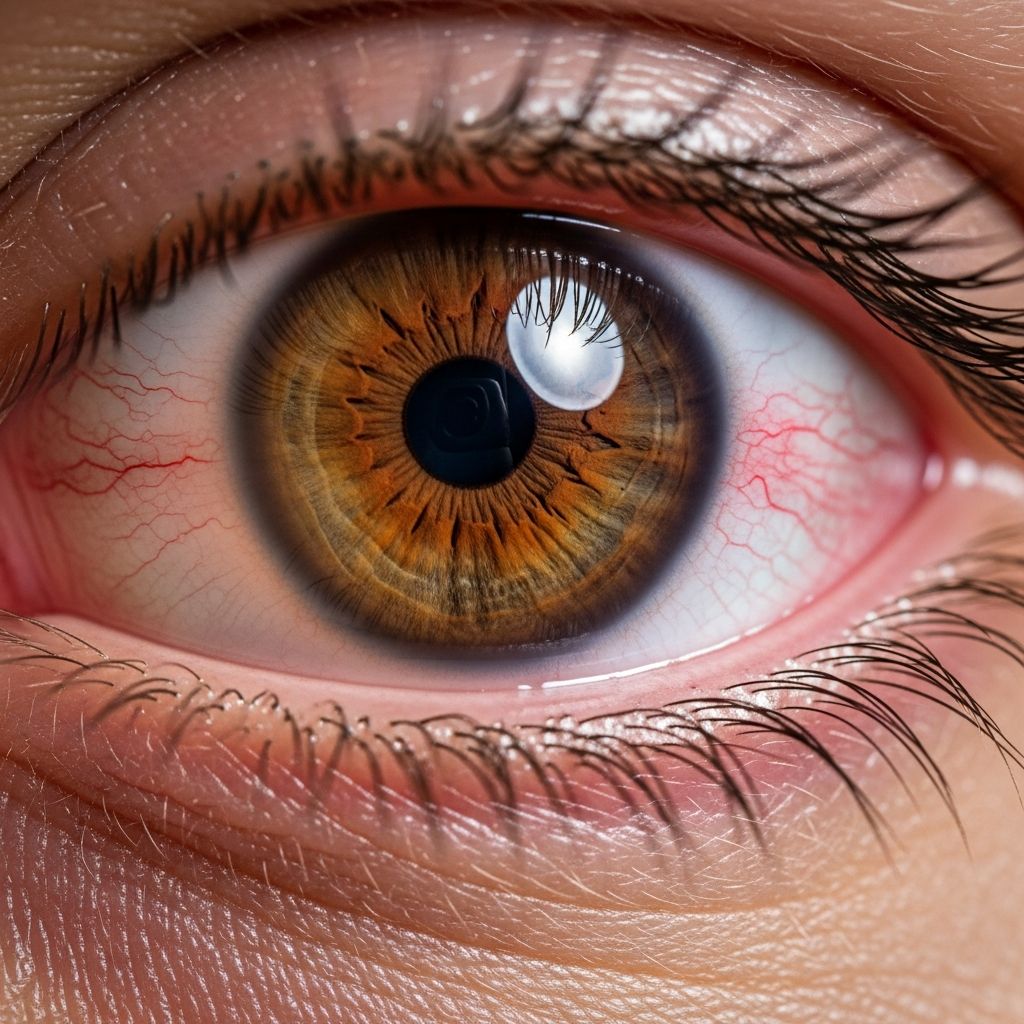
Red eye refers to redness or inflammation that appears in the white part of your eye, known as the sclera. The redness occurs when blood vessels on the surface of your eye become inflamed or dilated, allowing more blood to flow through them. This increased blood flow makes the normally white part of your eye appear red or bloodshot. While red eye is often a temporary and minor condition that resolves on its own, it can sometimes indicate a serious eye problem requiring immediate medical attention.
Common Causes of Red Eye
Red eye can result from numerous different conditions, ranging from minor irritations to serious infections. Understanding the various causes will help you determine whether home treatment is appropriate or if professional medical evaluation is needed.
Conjunctivitis (Pink Eye)
Conjunctivitis, commonly known as pink eye, is one of the most frequent causes of red eye. This condition involves inflammation of the conjunctiva, the clear membrane that covers the white part of your eye and lines your eyelids. Conjunctivitis can be viral, bacterial, or allergic in nature. Viral conjunctivitis typically lasts up to two weeks, while bacterial infections usually resolve within ten days with appropriate treatment. Allergic conjunctivitis persists as long as you remain exposed to the triggering allergen.
Allergic Reactions
Allergic conjunctivitis occurs when allergens such as pollen, dust, and pet dander trigger an inflammatory response in the tissues lining your eyelids and the whites of your eyes. Symptoms include red, itchy, swollen, and watery eyes. The duration of allergic conjunctivitis symptoms varies based on individual immune response and allergen exposure. Symptoms may last less than an hour or persist for days, weeks, or even months depending on the severity of your allergy.
Dry Eye Syndrome
Dry eye occurs when your eyes don’t produce enough tears or when tears evaporate too quickly. Your eyes require three different layers of tears to maintain a protective film. If tear production decreases, your eyes can become red and uncomfortable. Allergies, weather conditions, excessive computer screen use, certain medications, and surgical procedures can all contribute to dry eye development. This condition becomes increasingly common with age.
Eye Irritation and Foreign Objects
Environmental irritants such as smoke, dust, chlorine, and chemical fumes can cause red eyes and general irritation. If an irritant gets into your eye, you should flush it out with warm water for five minutes. If a strong acid or alkaline substance such as drain cleaner contacts your eye, flush thoroughly and seek immediate emergency medical attention.
Styes
A stye results from infection or inflammation of an oil gland in the eyelid. External styes appear on the outer eyelid, while internal styes develop on the inner eyelid. Internal styes can rub against your eye, causing soreness, pain, irritation, and redness. Keeping the affected area clean with warm compresses and avoiding irritants like makeup, contacts, and harsh skincare products can help. If symptoms persist for more than one to two weeks or worsen, seek evaluation from a healthcare provider.
Related Stories



Blepharitis
Blepharitis is inflammation of the eyelid that can cause the eyes themselves to become red. Telltale signs include crusting on eyelashes and eye corners, a greasy appearance to the skin, and swollen eyelids. This condition requires proper eyelid hygiene and may benefit from warm compresses and gentle cleaning.
Corneal Ulcers
Corneal ulcers represent a serious condition requiring immediate attention. These typically appear as white or gray spots on the eye and may be accompanied by severe eye pain, sensitivity to light, and blurred vision. If left untreated, corneal ulcers can cause permanent damage to vision. Contact an eye care provider immediately if you suspect a corneal ulcer.
Scleritis and Episcleritis
Scleritis is inflammation of the deep blood vessels within the sclera and typically produces a pronounced, purplish red color that does not blanch after phenylephrine drops are applied. The eye is tender to palpation and may cause significant pain. This condition requires urgent referral to an ophthalmologist within 48 hours. Episcleritis involves inflammation of the superficial vessels of the episclera, the connective tissue layer. While less severe than scleritis, episcleritis still requires professional evaluation.
Distinguishing Red Eye Causes
Several conditions can present with similar symptoms, making accurate diagnosis challenging. Understanding key differences helps determine appropriate treatment:
| Condition | Key Characteristics | Discharge | Contagious |
|---|---|---|---|
| Episcleritis | More restricted red area, no watering | None | No |
| Pink Eye (Conjunctivitis) | Broader redness, watery eyes | Yes, present | Yes (viral/bacterial) |
| Allergic Conjunctivitis | Itchy, swollen, watery eyes | Minimal | No |
| Dry Eye | Burning sensation, discomfort | None | No |
When to Seek Immediate Medical Attention
While many cases of red eye resolve without professional treatment, certain situations require urgent ophthalmologic evaluation. Patients with the following conditions or symptoms need immediate referral to an ophthalmologist:
- Corneal bacterial infection
- Uveitis (inflammation of the eye’s middle layer)
- Scleritis (inflammation of the deep eye structures)
- Acute narrow-angle glaucoma
- Contact lens use with red eye symptoms
- Trauma or injury to the eye
- Vision changes or vision loss
- Severe eye pain
- Nausea and vomiting accompanying eye symptoms
- Severe headaches
- Marked purulent discharge from the eye
- Abnormalities visible on the cornea or anterior eye segment
- Red eye persisting longer than one day without clear cause
Treatment Options for Red Eye
Treatment for red eye depends entirely on the underlying cause. Various approaches ranging from home remedies to prescription medications can effectively manage symptoms and address the underlying condition.
Home Remedies and Self-Care
For mild cases of red eye caused by irritation or minor allergies, several home remedies can provide relief:
- Apply cold or warm compresses to reduce inflammation and discomfort
- Use artificial tears or lubricating eye drops to maintain eye moisture
- Take over-the-counter pain relievers for discomfort
- Avoid touching or rubbing your eyes
- Remove contact lenses and switch to glasses temporarily
- Limit salt intake to reduce puffiness
Over-the-Counter Medications
Over-the-counter options can help manage red eye symptoms:
- Artificial tear drops to lubricate dry eyes
- Antihistamine eye drops for allergy-related redness
- Allergy pills and nasal sprays to address systemic allergies
- Oral antihistamines to reduce allergic reactions
However, avoid using “redness reliever” eye drops regularly, as they work by shrinking blood vessels and reducing blood flow. When you stop using these drops, blood vessels dilate further to compensate, resulting in even redder eyes. Frequent use of these drops can cause permanent rebound redness.
Prescription Treatments
For more serious conditions, healthcare providers may prescribe:
- Antibiotic eye drops or ointments for bacterial infections
- Oral antibiotics such as ceftriaxone for serious infections
- Topical corticosteroid eye drops to reduce inflammation
- Nonsteroidal anti-inflammatory drugs (NSAIDs) to manage pain and inflammation
- Antifungal or antiparasitic medications for fungal or parasitic infections
Advanced Treatment Options
In severe cases of allergic conjunctivitis that don’t respond to standard treatments, healthcare providers may recommend allergy immunotherapy through allergy shots or allergy drops. This treatment involves exposing you to small amounts of allergens and gradually increasing dosage over several months, building tolerance to the allergen. Upon subsequent exposure, you may experience no symptoms or significantly milder reactions.
Managing Dry Eye
Dry eye treatment typically begins with artificial tears and lubricating ointments applied regularly throughout the day and before sleep. For individuals with inflammatory components to their dry eye, additional treatment with topical corticosteroids may be necessary. These treatments help manage symptoms and prevent complications including corneal involvement, perforation, and vision loss.
Prevention and Eye Care Tips
While not all cases of red eye are preventable, several practices can reduce your risk:
- Maintain proper eye hygiene and avoid touching your eyes
- Wash hands frequently, especially before touching your eyes or inserting contacts
- Clean contact lenses properly and replace them according to schedule
- Avoid sharing eye makeup, towels, and personal items
- Wear protective eyewear in hazardous environments
- Take regular breaks from computer screens to reduce digital eye strain
- Manage allergies effectively with medications and environmental control
- Consume vitamins and nutrients that support eye health, including vitamins A, C, D, E, B12, and omega-3 fatty acids
Understanding Your Prognosis
The outlook for red eye depends on the underlying cause. Some types of red eye clear up quickly with appropriate treatment, while others represent chronic conditions that may come and go throughout your life, requiring ongoing management. With proper treatment, most red eye conditions are effectively managed, though severe conditions like keratoconjunctivitis can cause permanent damage if left untreated.
When to Follow Up With Your Healthcare Provider
Schedule a follow-up appointment after initial treatment to ensure your eyes are healing properly and to check for signs of complications. Your provider will guide you through recovery and adjust treatment as needed. Seek immediate care if symptoms worsen or new symptoms develop despite treatment.
Frequently Asked Questions
Q: How long does red eye typically last?
A: Duration depends on the cause. Viral conjunctivitis typically lasts up to two weeks, bacterial infections usually resolve within ten days, and allergic conjunctivitis persists as long as you’re exposed to the triggering allergen. Red eye from minor irritation may resolve within hours to days with proper treatment.
Q: Is red eye contagious?
A: Contagiousness depends on the cause. Viral and bacterial conjunctivitis are contagious, spreading through direct contact or contaminated surfaces. Allergic conjunctivitis and most other causes of red eye are not contagious.
Q: Can I wear contact lenses if I have red eye?
A: It’s generally recommended to remove contact lenses temporarily if you develop red eye, as contacts can worsen irritation and delay healing. If you wear contacts and develop red eye, seek medical evaluation, as contact lens wearers with red eye symptoms require referral to an ophthalmologist.
Q: Should I use redness reliever eye drops?
A: Redness reliever drops provide temporary relief but can cause rebound redness with frequent use. These drops shrink blood vessels, reducing blood flow and oxygen to your eyes. When you stop using them, blood vessels dilate excessively, making eyes appear redder than before. Regular use can cause permanent rebound redness, so use these products sparingly if at all.
Q: What should I do if something gets in my eye?
A: Flush your eyes immediately with warm water for five minutes. If a strong acid or alkaline substance like drain cleaner contacts your eye, flush thoroughly for five minutes and seek immediate emergency medical attention.
Q: Can allergies cause red eyes?
A: Yes, allergies are a common cause of red eyes. Allergens including pollen, dust, and pet dander can trigger allergic conjunctivitis, resulting in red, itchy, swollen, and watery eyes. First-line treatment involves avoiding the allergen and using OTC or prescription medications.
References
- Red eye for the internist: When to treat, when to refer — Cleveland Clinic Journal of Medicine. 2008. https://www.ccjm.org/content/ccjom/75/2/137.full.pdf
- Episcleritis: What It Is, Causes & Treatment — Cleveland Clinic. https://my.clevelandclinic.org/health/diseases/24974-episcleritis
- Allergic Conjunctivitis: Causes, Symptoms & Treatment — Cleveland Clinic. https://my.clevelandclinic.org/health/diseases/allergic-conjunctivitis
- Pink Eye (Conjunctivitis): Symptoms, Treatment & Causes — Cleveland Clinic. https://my.clevelandclinic.org/health/diseases/pink-eye-conjunctivitis
- Keratoconjunctivitis: Types, Symptoms & Treatment — Cleveland Clinic. https://my.clevelandclinic.org/health/diseases/23551-keratoconjunctivitis
- Why Your Eyes Are Always Red (and How To Fix Them) — Cleveland Clinic Health. https://health.clevelandclinic.org/why-are-my-eyes-always-red
- Eye Infection: Symptoms, Causes & Treatment — Cleveland Clinic. https://my.clevelandclinic.org/health/diseases/25000-eye-infection
Similar Articles








Read full bio of medha deb