Red Eye Drops: Safe Use Guide For Fast, Responsible Relief
Discover how to safely use red eye drops, avoid risks like toxicity from ingestion, and protect your vision with expert tips on proper application and storage.
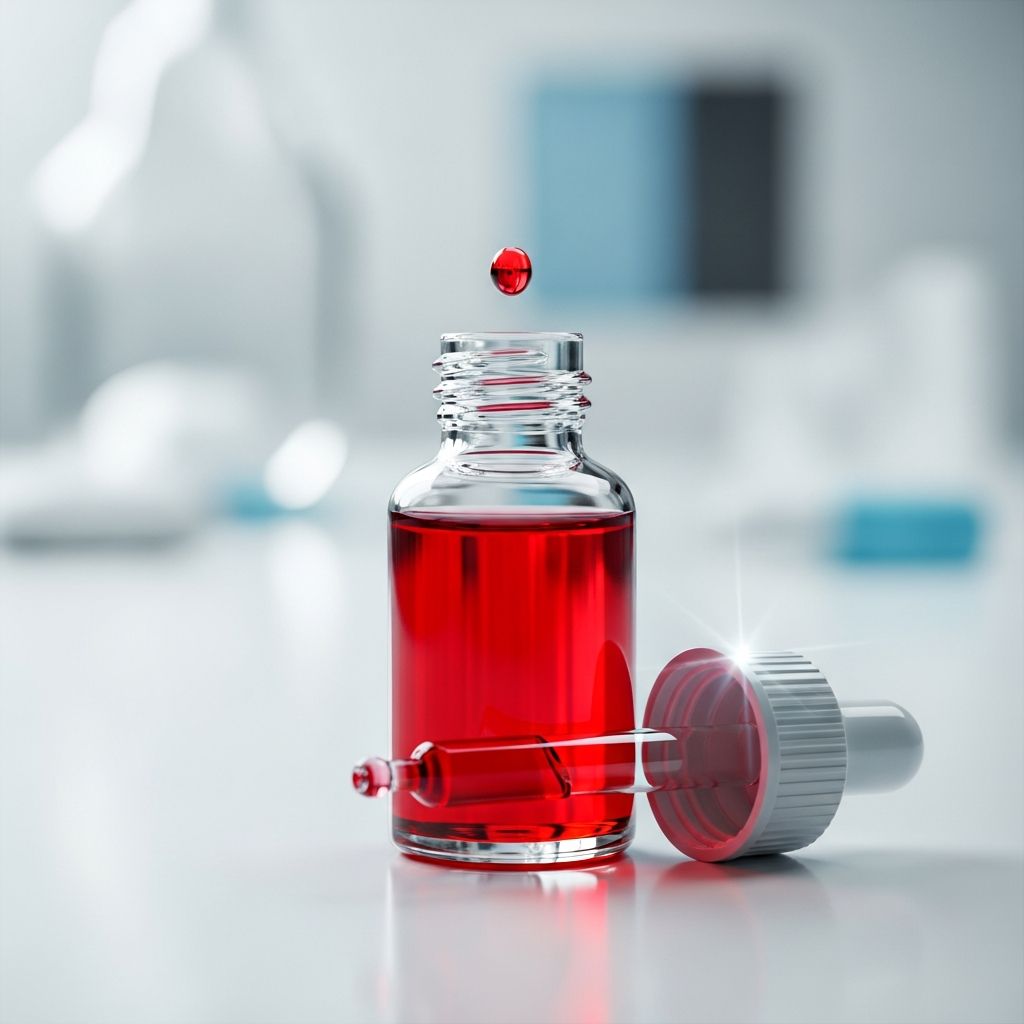
Red eye drops offer fast relief from irritation and bloodshot eyes by constricting blood vessels in the ocular surface. When applied correctly, these over-the-counter products containing tetrahydrozoline are generally safe and effective for short-term use.
Understanding How Red Eye Drops Work
These drops target redness caused by allergies, dryness, fatigue, or minor irritants. The active ingredient, an imidazole like tetrahydrozoline, acts as a vasoconstrictor, narrowing tiny blood vessels to reduce visible redness. Unlike lubricants that add moisture, these provide cosmetic relief without addressing underlying causes.
Manufacturers design them for external ocular use only, with minimal systemic absorption when dripped into the eye. A standard dose—two drops per eye up to four times daily—delivers less than 1 milliliter total, far below toxic thresholds.
Proper Techniques for Applying Eye Drops
Correct application minimizes contamination and maximizes efficacy. Follow these steps every time:
- Wash hands thoroughly with soap and water; avoid hand sanitizer near eyes due to potential irritants.
- Shake the bottle gently if required by label instructions.
- Tilt head back, pull down lower eyelid to form a pocket, and squeeze one drop into the pocket without touching the tip to any surface.
- Blink gently to distribute; close eyes for 1-2 minutes to enhance absorption.
- If using multiple drops, wait 5 minutes between types to prevent dilution.
For those with mobility issues, rest the bottle hand on the forehead or nose bridge for stability. Single-use vials offer the lowest contamination risk—discard immediately after use.
Storage and Shelf Life Essentials
Improper storage breeds bacteria, turning safe drops hazardous. Key guidelines include:
- Keep unopened bottles at room temperature, away from heat or direct sunlight.
- Once opened, discard after 28 days or per label, even if liquid remains.
- Store upright in a cool, dry place; refrigerate only if specified.
- Never share bottles; contamination spreads easily.
Check expiration dates rigorously—expired products lose potency and may harbor microbes.
Risks of Overuse and Rebound Effects
Limiting use to 72 hours prevents tolerance and rebound redness, where eyes appear worse upon stopping. Prolonged vasoconstriction fatigues vessels, exacerbating irritation. If symptoms persist, consult an eye specialist rather than escalating dosage.
| Usage Duration | Recommended Action |
|---|---|
| Up to 72 hours | Safe for occasional relief |
| 3-7 days | Monitor; seek professional advice if no improvement |
| Over 7 days | Stop use; visit eye doctor for underlying cause |
The Dangers of Ingesting Red Eye Drops
Labels scream “For External Use Only” for a reason: oral ingestion of tetrahydrozoline can poison the body. Unlike topical application, swallowing sends the compound straight to the gastrointestinal tract, rapid absorption into blood and central nervous system follows.
Symptoms emerge quickly: drowsiness, slowed breathing and heartbeat, hypothermia, and in severe cases, coma or death. Children under six face highest risk—even 1-2 milliliters from a 15-30 milliliter bottle proves toxic due to small body size. Pets share similar vulnerabilities.
Related Stories



Real incidents underscore the peril: accidental child consumption and rare intentional poisonings have led to hospitalizations and fatalities. The FDA emphasizes keeping products inaccessible to kids.
Emergency Response to Suspected Ingestion
If ingestion occurs:
- Do not induce vomiting—it risks aspiration.
- Check mouth for damage; loosen tight clothing.
- If breathing stops, perform CPR if trained.
- Call emergency services immediately (e.g., 911 in the US).
- Provide bottle details to responders.
Swift action saves lives; even small amounts demand professional care.
FDA Warnings and Product Recalls
The FDA rigorously oversees eye drops, mandating sterility. Recent alerts flagged 26 products due to manufacturing contamination risks, urging consumers to verify recall lists before purchase. Opt for US-made drops to ensure regulatory compliance.
Sterility breaches bypass natural defenses, inviting severe infections. Always scan official FDA sites for updates.
Alternatives for Persistent Red Eyes
Not all redness needs vasoconstrictors. Consider:
- Artificial tears: Lubricate dry eyes without rebound risk.
- Allergy drops: Antihistamines combat allergens.
- Lifestyle tweaks: Reduce screen time, use humidifiers, avoid smoke.
See an ophthalmologist for chronic issues signaling allergies, infections, or conditions like dry eye syndrome.
Special Precautions for Vulnerable Groups
Pregnant individuals, children, and those with heart conditions should consult doctors before use—systemic effects, though minimal, warrant caution. Contact lens wearers remove lenses first, waiting 15 minutes post-application.
FAQs on Red Eye Drop Safety
Can red eye drops cause addiction?
No, but overuse triggers rebound redness mimicking dependency. Limit to 72 hours.
Are all eye drops safe for daily use?
No; vasoconstrictor types aren’t for long-term. Prefer preservative-free lubricants.
What if drops sting upon application?
Brief sting is common, but persistent pain signals allergy or contamination—discontinue and seek care.
Can pets get sick from eye drops?
Yes; secure bottles away from curious animals.
How do I know if drops are contaminated?
Cloudiness, discoloration, or odor post-opening means discard immediately.
Empowering Your Eye Care Routine
Red eye drops serve as valuable tools when wielded wisely. Prioritize hygiene, adhere to durations, secure storage, and professional input for lasting ocular wellness. Proactive habits safeguard vision amid daily demands.
References
- Everything you need to know about using eye drops safely — Bespoke Vision. 2023. https://www.bespokevision.org/eye-drop-safety
- How Red Eye-Reducing Drops Can be Fatal (if Used Incorrectly) — Matossian Eye. 2023. https://www.matossianeye.com/how-red-eye-reducing-drops-can-be-fatal-if-used-incorrectly/
- Red-Eye Drops: Poisonous to Consume, Safe If Used Correctly — Joseph Swan Eye. 2023. https://josephswaneye.com/eye-news/red-eye-drops:-poisonous-to-consume,-safe-if-used-correctly
- Are My Eye Drops Safe To Use? — Henry Ford Health. 2024-01-01. https://www.henryford.com/Blog/2024/01/Are-My-Eye-Drops-Safe-To-Use
- Are Eye Drops Bad for You? — EyeBuyDirect. 2023. https://www.eyebuydirect.com/blog/are-eye-drops-bad-for-you/
- FDA warns consumers not to purchase or use certain eye drops — U.S. Food and Drug Administration. 2023. https://www.fda.gov/drugs/drug-safety-and-availability/fda-warns-consumers-not-purchase-or-use-certain-eye-drops-several-major-brands-due-risk-eye
- Eye Drops: Types, Uses, Potential Risks & Benefits — Cleveland Clinic. 2023. https://my.clevelandclinic.org/health/treatments/eye-drops
Similar Articles








Read full bio of Sneha Tete