Red Eyes and Bloodshot Eyes: Causes, Treatments & Care
Understanding bloodshot eyes: Learn causes, symptoms, treatments, and when to seek emergency care.
Understanding Red Eyes and Bloodshot Eyes
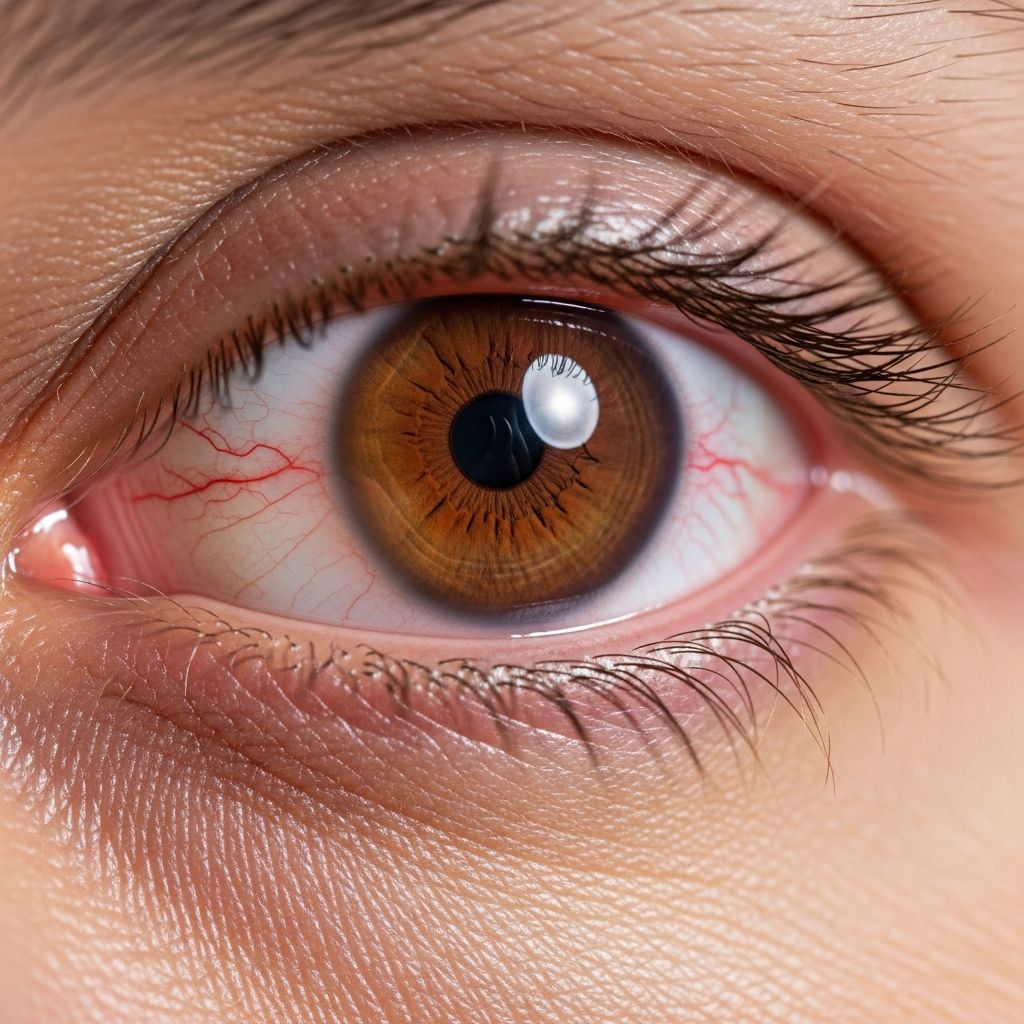
Red eyes, commonly referred to as bloodshot eyes, occur when the blood vessels on the surface of the eye become inflamed or dilated. This condition is characterized by a red or pink discoloration of the white part of the eye, known as the sclera. While bloodshot eyes are extremely common and often resolve on their own, they can sometimes indicate an underlying health condition requiring medical attention.
Bloodshot eyes develop when tiny blood vessels on the surface of the eye swell or become irritated, causing the eye to appear red or pink. The severity can range from mild redness to more pronounced discoloration, depending on the underlying cause. Understanding what triggers this condition is essential for proper treatment and knowing when to seek professional help.
Common Causes of Red Eyes
Irritation and Environmental Factors
One of the most frequent causes of bloodshot eyes is physical irritation from environmental factors. Common irritants include:
- Smoke and air pollution
- Smog and dust particles
- Household cleaning products
- Personal care products such as shampoo or soap
- Chlorine from swimming pools
- Strong chemical fumes
These environmental irritants can inflame the eye’s surface, causing immediate redness and discomfort. In most cases, redness from environmental causes resolves quickly once the irritant is removed and the eye is rinsed with clean water.
Dry Eyes
Dry eye syndrome is one of the most prevalent causes of red eyes. This condition occurs when the eye doesn’t produce enough tears or when tears evaporate too quickly. Chronic dryness irritates the eye’s surface and causes persistent redness. Common triggers for dry eyes include:
- Prolonged screen time and computer use
- Air conditioning and heating systems
- Low humidity environments
- Insufficient sleep
- Contact lens overwear
Dry eyes are particularly common among people who spend extended hours working at computers without taking regular breaks. Treatment typically involves artificial tears and other lubricating eye drops to maintain adequate moisture on the eye’s surface.
Allergies
Allergic reactions are a common cause of bloodshot eyes, ranging from mild to serious. Red eyes from allergies can develop suddenly and disappear quickly, or develop over time depending on the allergen. Common allergens include:
- Animal dander
- Dust and dust mites
- Pollen from trees, grass, and weeds
- Hay fever triggers
- Insect bite allergies
- Contact dermatitis from makeup or personal care products
Allergic red eyes often accompany other symptoms such as itching, tearing, and watery discharge. Antihistamine eye drops and oral allergy medications can help manage symptoms associated with allergic reactions.
Infections
Various infections can cause bloodshot eyes, ranging from viral to bacterial conditions. Common infectious causes include:
Related Stories



- Viral conjunctivitis (pink eye) – often follows a cold with watery discharge
- Bacterial conjunctivitis – characterized by thicker discharge with eyelids that may stick together
- Blepharitis – infection of the eyelash follicle causing eyelid inflammation
- Chalazion – inflammation of a blocked oil gland in the eyelid margin
Conjunctivitis, or inflammation of the inner eyelid, is one of the most common causes of eye redness worldwide. Proper diagnosis is crucial to determine whether the infection is viral or bacterial, as treatment approaches differ significantly. Bacterial infections typically require antibiotic eye drops or oral antibiotics, while viral infections usually resolve on their own with supportive care.
Contact Lens Complications
Contact lens use is a frequent source of red eyes, particularly when lenses are overused or not properly maintained. Red eyes from contact lenses can result from:
- Prolonged wearing of contact lenses
- Poor contact lens hygiene
- Improper lens fit
- Allergic reactions to lens solutions
- Reduced oxygen flow to the cornea from extended wear
Taking regular breaks from contact lenses and maintaining proper hygiene can significantly reduce the risk of contact lens-related red eyes.
Physical Trauma and Injury
Eye injuries and trauma can cause immediate redness and require prompt medical attention. Traumatic causes include:
- Foreign objects in the eye
- Scratches or abrasions to the cornea
- Subconjunctival hemorrhage (broken blood vessel on the white of the eye)
- Hyphema (bleeding inside the front of the eye behind the cornea)
- Blunt or penetrating eye trauma
- Facial burns or other trauma
Subconjunctival hemorrhage occurs when small blood vessels break and leak, causing blood to pool between the conjunctiva and the sclera. While this may look alarming, it’s often benign and resolves within one to two weeks without treatment.
Other Causes
Several additional factors can contribute to bloodshot eyes:
- Eye strain and fatigue from prolonged screen time
- Coughing, sneezing, or straining
- Crying and emotional stress
- Dehydration and insufficient sleep
- High blood pressure and bleeding disorders
- Liver disease and cirrhosis
- Certain medications and recreational drugs that dilate blood vessels
- Systemic illnesses affecting blood vessel function
Associated Symptoms and Complications
Bloodshot eyes may occur independently or alongside other eye symptoms. The following symptoms may accompany red eyes:
- Eye pain or soreness
- Burning or gritty sensation
- Itching and watery eyes
- Discharge from the eye
- Drooping eyelid
- Eyelid swelling or warmth
- Increased sensitivity to light (photophobia)
- Feeling that something is in the eye
- Protruding or bulging eye (proptosis)
- Skin sores or pus-filled bumps on the eyelid
- Eye bleeding
The presence of these accompanying symptoms can help identify the underlying cause and determine the appropriate treatment approach. Vision changes, such as blurred vision or seeing halos around lights, may indicate a more serious condition requiring immediate medical evaluation.
Treatment Options for Red Eyes
Home Remedies and Preventive Measures
Many cases of red eyes can be managed with simple home care strategies. These include:
- Using artificial tears and lubricating eye drops to manage dryness
- Applying cold compresses to reduce inflammation
- Avoiding known irritants and allergens
- Taking regular breaks from screen time
- Ensuring adequate sleep and proper hydration
- Practicing good contact lens hygiene
- Keeping eyes clean and avoiding touching or rubbing
Topical Medications
Several prescription and over-the-counter eye medications can effectively treat bloodshot eyes depending on the underlying cause:
- Antibiotic eye drops: For bacterial infections and conjunctivitis
- Antiviral eye drops: For viral infections
- Antihistamine eye drops: For allergic reactions
- Corticosteroid eye drops: To reduce inflammation and redness
- NSAID eye drops: To ease pain and reduce inflammation
- Artificial tears and dry eye treatments: Including cyclosporine (Restasis) for chronic dryness
- Glaucoma medications: Eye drops to manage increased intraocular pressure
Oral Medications
Depending on the cause, oral medications may be necessary:
- Oral antibiotic therapy for systemic infections
- Antihistamines for allergic reactions
- Allergy medications to manage underlying allergic conditions
Medical Procedures
For more serious conditions, doctors may recommend additional interventions:
- Eye patches to promote healing from corneal injuries
- Eye surgery in rare cases requiring surgical correction
- Specialized care for traumatic injuries or severe infections
When to Seek Medical Attention
Schedule an Appointment with Your Eye Doctor If:
You should contact an eye care professional if you experience:
- Persistent red eyes lasting more than a few days
- Moderate eye pain or discomfort
- Increased sensitivity to light
- Recurrent episodes of red eyes
- Red eyes accompanied by vision changes
- Signs of infection such as discharge or crusting
Call 911 or Go to the Emergency Room For:
Seek immediate emergency medical attention if you experience:
- Chemicals, cleaners, or other substances splashed into your eye
- Inability to open or keep your eye open
- Any kind of trauma to the eye, including penetrating or blunt trauma
- Fever, confusion, or severe headache accompanied by eye symptoms
- Severe eye pain or extreme light sensitivity
- Nausea and vomiting with eye redness
- Sudden vision changes, blurred vision, or seeing halos around lights
- Suspected acute glaucoma or other vision-threatening conditions
While most cases of bloodshot eyes are not emergencies, certain conditions can lead to vision loss if not treated promptly. Acute glaucoma and serious eye injuries represent emergent conditions requiring immediate professional evaluation.
Prevention Strategies
Several preventive measures can help reduce the risk of developing red eyes:
- Maintain proper contact lens hygiene and follow replacement schedules
- Take regular breaks from screens using the 20-20-20 rule (every 20 minutes, look at something 20 feet away for 20 seconds)
- Avoid touching or rubbing your eyes
- Protect eyes from environmental irritants with sunglasses or protective eyewear
- Stay hydrated and maintain adequate moisture in your environment
- Use protective equipment when exposed to chemicals or hazardous materials
- Practice good hand hygiene to prevent spreading infections
- Manage allergies proactively with appropriate medications
- Maintain a healthy lifestyle with adequate sleep and nutrition
Frequently Asked Questions
Q: Are bloodshot eyes hereditary?
A: Bloodshot eyes themselves are not hereditary, as they are a symptom rather than a genetic trait. However, you can inherit conditions that make red eyes more likely, such as allergies, dry eye syndrome, autoimmune diseases, or rosacea. If family members suffer from these conditions, you may be predisposed to experiencing red eyes more frequently.
Q: How long do bloodshot eyes typically last?
A: The duration depends on the underlying cause. Mild irritation from environmental factors may resolve within hours, while infections might take several days to a week with treatment. Subconjunctival hemorrhage typically resolves within one to two weeks without intervention.
Q: Can I wear contact lenses when my eyes are red?
A: It’s generally recommended to avoid wearing contact lenses when experiencing red eyes, as this can worsen irritation and delay healing. If your red eyes are caused by contact lens overwear, discontinue lens use until the condition improves and consult your eye care professional.
Q: What’s the difference between viral and bacterial conjunctivitis?
A: Viral conjunctivitis typically causes watery discharge and usually follows a cold, while bacterial conjunctivitis produces thicker discharge and may cause eyelids to stick together. Proper diagnosis by an eye care professional is essential, as bacterial infections require antibiotic treatment while viral infections are managed with supportive care.
Q: Are over-the-counter eye drops safe for regular use?
A: While artificial tears and lubricating drops are generally safe for regular use, medicated eye drops containing decongestants should not be used for extended periods without professional guidance. Some eye drops contain preservatives that can cause irritation with frequent use. Consult your eye care provider about the best options for your specific situation.
Q: Can serious health conditions cause red eyes?
A: Yes, systemic illnesses such as high blood pressure, bleeding disorders, and liver disease can manifest as eye redness. Additionally, serious conditions like acute glaucoma or significant eye injuries can present with red eyes and require immediate medical attention to prevent vision loss.
References
- Red Eyes: Causes, Treatments & When to See a Doctor — Healthgrades. 2025. https://resources.healthgrades.com/right-care/eye-health/bloodshot-eyes
- Are bloodshot eyes hereditary? Causes and Genetic Factors — Ubie Health. 2025-12-10. https://ubiehealth.com/doctors-note/bloodshot-eyes-hereditary-genetics-causes-43-facts121exp1
- Red and Bloodshot Eyes: Causes, Treatment, and Prevention — GoodRx. 2025. https://www.goodrx.com/conditions/eye-inflammation/red-eye-causes
- 20 Causes, Symptoms, and Complications of Red Eyes — Healthline. 2025. https://www.healthline.com/health/eye-redness
Similar Articles








Read full bio of Sneha Tete