Red Light Therapy: Benefits, Side Effects & Uses
Explore red light therapy: how it works, proven benefits, emerging uses, and safety considerations for skin health and beyond.
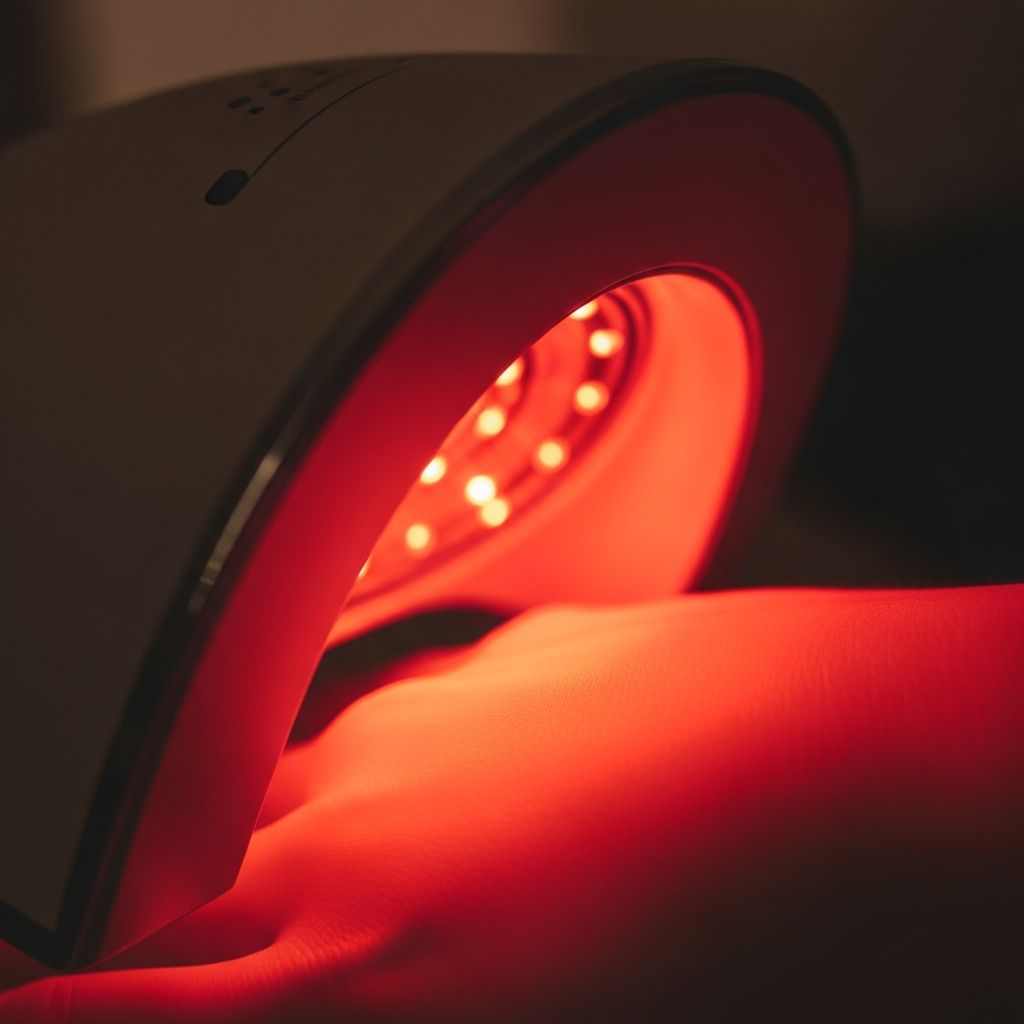
What Is Red Light Therapy?
Red light therapy is a non-invasive treatment that uses low levels of red light wavelengths to promote healing and improve various health conditions. Also known as low-level laser therapy, low-power laser therapy, or photobiomodulation, this therapeutic approach has gained significant attention in both medical and wellness communities. Red light therapy works by exposing your skin to specialized lamps, devices, or lasers that emit a specific spectrum of red light, typically delivered through light-emitting diodes (LEDs) or occasionally through low-power laser systems.
The therapy is designed to penetrate the skin at specific wavelengths, allowing the light energy to reach cellular structures deep within the dermis. Unlike ultraviolet (UV) light found in tanning booths or sunlight, red light therapy does not expose your skin to damaging radiation and is considered a safe, non-toxic treatment option when used as directed.
How Does Red Light Therapy Work?
Red light therapy operates on a cellular level through a fascinating biological mechanism. The treatment is thought to work by acting on the “power plant” of your body’s cells called mitochondria. These cellular structures are responsible for generating adenosine triphosphate (ATP), which is the energy currency of cells. When red light wavelengths penetrate the skin, certain cells absorb these light wavelengths and become stimulated to produce more energy.
With increased energy production, other cells can do their work more efficiently. This enhanced cellular function enables various beneficial processes, including repairing damaged skin tissue, boosting new cell growth, and enhancing overall skin rejuvenation. While experts acknowledge that they don’t fully understand every mechanism of how red light therapy works in all circumstances, the mitochondrial stimulation theory remains the primary explanation for its therapeutic effects.
Red LED light travels deeper into the skin than other light wavelengths, such as blue LED light, making it particularly effective for addressing deeper skin concerns. The depth of light penetration depends on the wavelength of the red light source being used, which can vary between professional devices used in doctor’s offices and at-home devices. This difference in wavelength directly affects how deeply the light penetrates your skin and, consequently, the desired results you may achieve.
Red Light Therapy for Skin Health
Red light therapy is primarily promoted as a treatment for various common skin conditions. Research suggests potential benefits for improving your skin’s appearance through multiple mechanisms:
Skin Conditions Red Light Therapy May Address
Red light therapy has been investigated for treating numerous dermatological concerns:
- Reducing wrinkles and fine lines through collagen stimulation
- Minimizing the appearance of scars and post-acne marks
- Decreasing skin redness and inflammation
- Treating acne and acne-related blemishes
- Improving overall skin texture and tone
- Enhancing wound healing and tissue repair
- Promoting collagen synthesis for younger-looking skin
How It Benefits Skin Cells
Red light therapy may work in skin health by stimulating fibroblasts, the cells responsible for producing collagen and elastin. Collagen is a crucial protein that provides structure and elasticity to your skin, and it naturally diminishes with age. By encouraging these cells to produce more collagen, red light therapy may reduce inflammation and promote the production of new, healthy skin cells. This mechanism is particularly relevant for addressing age-related skin concerns and maintaining a more youthful appearance.
Related Stories



Established Medical Uses
While many uses of red light therapy are still being investigated, the therapy has already gained wide medical acceptance in specific applications. Red light therapy is established in photodynamic therapy, a recognized medical treatment where low-power red laser light activates a photosensitizer drug. This interaction creates a chemical reaction that destroys targeted cells and is used to treat several skin conditions, including skin cancer, psoriasis, acne, warts, and other types of cancer.
Other Potential Medical Applications
Beyond skin health, red light therapy is being investigated for treating a wide array of health conditions. Research is ongoing in several areas:
Pain and Inflammation Management
Studies suggest red light therapy may help relieve pain and inflammation associated with various musculoskeletal conditions. Research shows potential benefits for ankle tendonitis, rheumatoid arthritis, carpal tunnel syndrome, and osteoarthritis of the knee. However, results vary depending on the specific condition, and while some forms of arthritis show promise, others like osteoarthritis may show limited benefit.
Cancer Treatment Support
Red light therapy is being investigated to reduce side effects from cancer chemotherapy, particularly oral mucositis, a painful inflammation of the mouth and throat that commonly affects cancer patients undergoing treatment.
Viral Infection Prevention
Research is exploring whether red light therapy can prevent cold sores from herpes simplex virus from recurring, offering a non-pharmaceutical prevention strategy for individuals prone to outbreaks.
Emerging Research Areas
Red light therapy is currently being studied for cognitive health, including potential benefits for dementia patients. Some research suggests improvements in memory, sleep quality, and mood in individuals receiving regular light therapy treatments.
What Does the Research Show?
To date, there is ongoing research and publication of small studies regarding red light therapy’s effectiveness. While results from some studies do show promise, the full effectiveness of red light therapy has yet to be definitively determined. Most experts acknowledge that they don’t know yet if red light therapy is effective for all its claimed uses.
Limitations of Current Research
Many published studies using red light therapy have significant limitations that prevent drawing definitive conclusions:
- Studies often include only small numbers of participants
- Many studies lack placebo control groups for comparison
- Some research was not conducted on human subjects but on animals or cell tissue
- Limited standardization of red light therapy parameters across studies
- Variability in wavelengths, intensity, and treatment duration
What Researchers Say
Most researchers indicate that results so far look promising, but more quality studies with larger numbers of people are needed to establish definitive efficacy. At this point in time, there is not enough evidence to support most uses of red light therapy beyond its established applications in photodynamic therapy. However, this doesn’t mean the therapy is ineffective—rather, it indicates that rigorous scientific validation is still underway.
Unproven Uses and Claims
Despite growing popularity, there is no scientific evidence to support red light therapy use in several areas where it is heavily promoted on the internet:
- Weight loss and metabolic enhancement
- Cancer prevention or primary treatment
- Cellulite removal
- Mental health conditions, including depression and seasonal affective disorder (SAD)
While light therapy in general has proven benefits for seasonal affective disorder, this specifically refers to bright light therapy rather than red light therapy specifically. It’s important to distinguish between therapies and not assume benefits from one apply to another.
Safety and Side Effects
Red light therapy appears to be safe and is not associated with any significant side effects when used short-term and as directed. This therapy is non-toxic, non-invasive, and not as harsh as some topical skin treatments. Unlike UV light from the sun or tanning booths, red light therapy does not use ultraviolet radiation that can lead to skin cancer.
Safety Considerations
Red light therapy uses very low levels of heat and doesn’t hurt or burn the skin when used appropriately. It takes a lot of light to create enough heat to cause any real problem, making overdosing on red light therapy difficult. However, some precautions should be considered:
- At high levels, red LED lights can potentially cause blistering and redness on the skin
- Red light therapy may cause eye damage in some cases, so protective goggles should be worn when using devices
- Home devices are usually less powerful than professional devices and may be less effective or take longer to work
Does Red Light Therapy Cause Cancer?
There is no evidence that red light therapy causes cancer. Because it does not use ultraviolet rays, a form of radiation found in tanning booths and sunlight that can lead to skin cancer, red light therapy does not increase cancer risk through UV exposure. This represents a significant safety advantage over traditional tanning methods.
Red Light Therapy Devices
There are many different types of red light therapy devices available, ranging from professional medical-grade equipment to consumer home devices. Professional devices used in clinical settings are typically more powerful and may deliver more consistent results compared to at-home alternatives. However, home devices offer convenience and accessibility for regular treatment.
Device Options Include
- Professional LED panels used in dermatology and wellness clinics
- Handheld red light therapy devices for targeted treatment
- Red light therapy masks for facial treatments
- Whole-body red light panels for larger area coverage
- Red light therapy wands for localized application
- Low-power laser systems (less common, typically professional use)
Factors Affecting Red Light Therapy Results
Several variables should be considered when thinking about red light therapy effectiveness:
| Factor | Impact on Results |
|---|---|
| Wavelength | Different wavelengths penetrate skin to different depths; affects which conditions can be treated |
| Device Type | Professional devices typically more powerful and effective than home devices |
| Treatment Duration | Consistency and length of treatment affects outcomes; longer courses may be needed |
| Individual Skin Type | Everyone’s skin is different, so results can vary significantly between individuals |
| Treatment Frequency | Regular treatments typically show better results than sporadic use |
| Light Intensity | Appropriate intensity levels ensure effectiveness without causing side effects |
Red Light Therapy: Current Status
Red light therapy remains an emerging treatment that is generating growing interest in both medical and wellness communities. The therapy has demonstrated potential for certain conditions, particularly in skin health and specific pain management applications. However, it’s important to understand that this is not yet a universally proven treatment for all the conditions it’s being promoted for online.
What’s confusing—and sometimes controversial—is the effectiveness of the treatment for the purposes it’s being promoted. While legitimate medical applications exist and research continues, it’s essential to maintain realistic expectations and rely on evidence-based information rather than marketing claims.
How to Approach Red Light Therapy
If you’re interested in red light therapy treatment, it’s best to first discuss this with your healthcare provider or dermatologist. They can evaluate your specific condition, recommend appropriate treatment protocols, and help you understand realistic expectations. A medical professional can also determine whether red light therapy is an appropriate treatment for your particular situation or whether other treatments might be more suitable.
When considering red light therapy, be aware of the differences between professional-grade devices and consumer products, understand the treatment parameters needed for your condition, and maintain realistic timelines for seeing results. While red light therapy shows promise for several applications, it is most effective when used as part of a comprehensive approach to health and wellness rather than as a standalone miracle cure.
Frequently Asked Questions
Q: How long does it take to see results from red light therapy?
A: Results vary depending on the condition being treated and the device used. Some people may notice improvements in skin appearance within a few weeks of regular treatment, while others may require several months. Professional treatments typically show results faster than home devices due to higher light intensity.
Q: Is red light therapy safe for all skin types?
A: Red light therapy appears to be safe for most skin types when used as directed. However, individual responses vary, and it’s advisable to consult with a dermatologist before starting treatment, especially if you have sensitive skin or specific skin conditions.
Q: Can I use red light therapy at home?
A: Yes, many red light therapy devices are available for home use. However, professional devices used in medical offices are typically more powerful and may be more effective. Home devices require consistent, regular use for optimal results.
Q: How often should I use red light therapy?
A: Treatment frequency depends on the specific device and condition being treated. Most recommendations suggest treatments several times per week to daily use, but this should be discussed with your healthcare provider or dermatologist.
Q: Are there any contraindications for red light therapy?
A: While red light therapy is generally safe, certain conditions or medications may warrant caution. Always consult with your healthcare provider before beginning treatment, particularly if you take medications that increase light sensitivity or have a history of eye problems.
Q: How does red light therapy compare to other skin treatments?
A: Red light therapy is non-invasive and non-toxic compared to some harsher treatments. However, effectiveness varies by condition. Some skin issues may respond better to other treatments like retinoids, chemical peels, or prescription medications. Your dermatologist can help determine the best approach for your needs.
References
- Red Light Therapy: Benefits, Side Effects & Uses — Cleveland Clinic. 2024. https://my.clevelandclinic.org/health/articles/22114-red-light-therapy
- LED Light Therapy: How It Works, Colors, Benefits & Risks — Cleveland Clinic. 2024. https://my.clevelandclinic.org/health/treatments/22146-led-light-therapy
- Red Light Therapy: Effectiveness, Treatment, and Risks — WebMD. 2024. https://www.webmd.com/skin-problems-and-treatments/red-light-therapy
- What Is Red Light Therapy? | Ask Cleveland Clinic’s Expert — Cleveland Clinic. YouTube. https://www.youtube.com/watch?v=PlLeI0Rgifg
- Can Red Light Therapy Improve Sleep, Skin, and Recovery? — News Medical Life Sciences. 2024. https://www.news-medical.net/health/Can-Red-Light-Therapy-Improve-Sleep-Skin-and-Recovery.aspx
Similar Articles








Read full bio of medha deb