Red Light Therapy Benefits: Skin, Hair, Pain & More
Discover how red light therapy can transform your skin, hair, and overall health naturally.
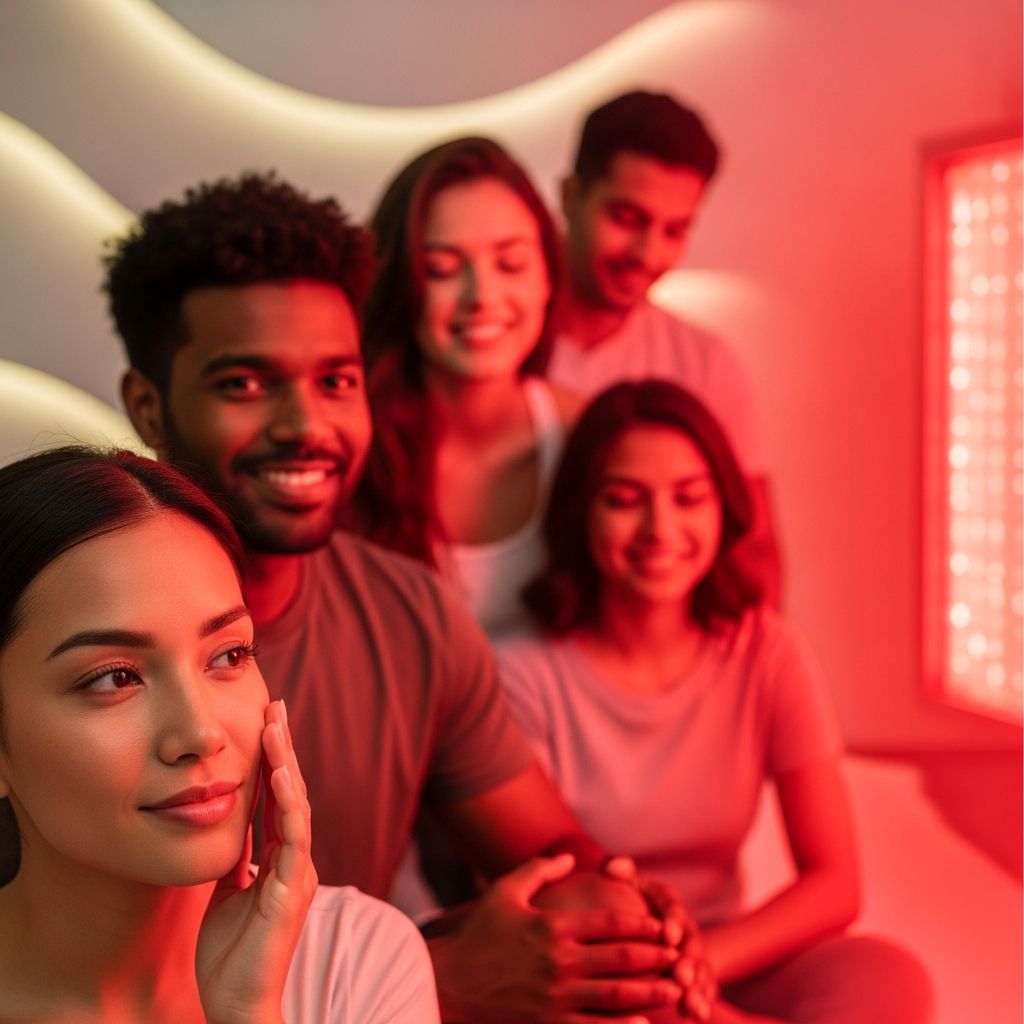
Red light therapy, scientifically known as photobiomodulation, represents a non-invasive treatment approach that utilizes specific wavelengths of red and near-infrared light to stimulate cellular activity and promote healing throughout the body. This innovative therapy has gained significant popularity in recent years as more research demonstrates its potential benefits across multiple health and wellness domains. Unlike many modern medical treatments that rely on pharmaceuticals or surgical interventions, red light therapy harnesses the power of light energy to activate the body’s natural healing mechanisms at the cellular level.
The treatment works by delivering wavelengths of light—typically between 630 to 850 nanometers—that penetrate the skin’s surface and underlying tissues. These wavelengths are absorbed by the mitochondria in your cells, the powerhouses responsible for energy production and numerous essential biological processes. By stimulating mitochondrial function, red light therapy promotes cell growth, enhances healing capacity, and reduces inflammation throughout the body. What makes this therapy particularly appealing to many people is its safety profile; in the short term, photobiomodulation shows significant health benefits with few adverse effects.
What is Red Light Therapy?
Red light therapy operates on a fascinating principle of cellular biology. The treatment employs photobiomodulation technology, which utilizes near-infrared light emitted by specialized LED lights or low-energy lasers. Most red light therapy devices—particularly those designed for home use—rely on LEDs that emit light at low-level wavelengths that produce the characteristic red appearance. Professional settings may incorporate low-energy lasers or a combination of LEDs and lasers, though the basic principle remains consistent: delivering specific wavelengths of light to target tissues.
The light energy stimulates a series of biological responses at the cellular level. When these wavelengths are absorbed by the mitochondria, they increase the production of adenosine triphosphate (ATP), the primary energy currency of cells. This increased cellular energy availability cascades into improved healing, reduced inflammation, and enhanced overall cellular function.
How Red Light Therapy Devices Work
Red light therapy devices come in various forms to suit different treatment needs and preferences:
- Full-body panels: Large panels that deliver red light therapy to extensive body areas simultaneously
- Face masks: Specialized masks designed for facial skin treatment
- Hand-held wands: Portable devices for targeted treatment of specific areas
- Therapy beds: Full-body treatment platforms for comprehensive therapy sessions
- Hair growth devices: Combs, caps, and helmets designed specifically for scalp treatment
- Pads and blankets: Flexible options for treating specific body regions
These devices deliver wavelengths that penetrate the surface of skin and underlying tissues, working on a consistent basis to produce measurable results. However, it’s important to understand that red light therapy is not a one-time treatment; consistent, regular use is necessary to achieve and maintain optimal results.
Anti-Aging and Skin Rejuvenation
One of the most well-researched and FDA-cleared applications of red light therapy is its role in treating signs of aging and improving overall skin quality. The Food and Drug Administration has cleared several red light devices for home use specifically for aging skin treatment, and dermatologists frequently incorporate this therapy into their practice. Often, red light therapy is combined with other treatments like creams, microneedling, or chemical peels for enhanced results.
Related Stories



Specific Skin Conditions Red Light Therapy Addresses
Clinical research has demonstrated that red light therapy can effectively treat multiple signs of aging:
- Dark spots and discoloration: Uneven skin tone and age spots fade with consistent treatment
- Fine lines and wrinkles: The stimulation of collagen production helps reduce visible wrinkles
- Loose skin: Improved collagen production enhances skin elasticity and firmness
- Overall skin quality: General improvement in texture, tone, and appearance
Research measuring the effectiveness of red light therapy masks demonstrated impressive results. After just three months of consistent use, researchers documented significant improvement in skin quality, including visible reversal of aging signs. Remarkably, the improvements persisted for up to one month after discontinuing therapy, suggesting lasting cellular changes. This longevity of results makes red light therapy a particularly attractive option for those seeking sustained anti-aging benefits without frequent professional treatments.
Hair Growth and Hair Loss Prevention
Hair loss represents a significant concern for millions of people worldwide, and red light therapy offers a non-pharmaceutical approach to stimulating hair regrowth. The FDA has cleared several at-home red light devices specifically for hair regrowth, including combs, caps, and helmets designed to deliver therapeutic light directly to the scalp. This regulatory approval reflects the growing scientific evidence supporting red light therapy’s effectiveness for hair restoration.
How Red Light Stimulates Hair Growth
Near-infrared light works by stimulating hair follicles to encourage active hair growth and reduce hair loss through improved cellular energy production. This mechanism is particularly valuable for addressing hereditary and hormonal hair loss patterns. Studies focused specifically on these common forms of hair loss demonstrate that repeated red light treatments not only help regrow hair over time but also increase hair thickness and length.
The effectiveness of red light therapy for hair loss is particularly striking when compared to conventional treatments. One study suggests that low-level light therapy may be as effective as minoxidil, a medication commonly used to treat pattern hair loss. This finding is significant because it suggests red light therapy offers a chemical-free alternative or complementary approach to pharmaceutical hair loss treatments.
Acne Reduction and Skin Healing
While light therapy has been used for acne treatment for many years, red light therapy approaches the condition differently than traditional photodynamic therapy (PDT). Red light therapy stimulates biological responses, promotes healing, and reduces inflammation without causing the cell destruction that occurs with blue light treatments. This gentler mechanism makes red light therapy suitable for sensitive skin types while still delivering significant therapeutic benefits.
Red Light Therapy’s Mechanism for Acne
A small clinical study of individuals with mild to severe acne found that a series of six treatments performed every two weeks resulted in remarkable outcomes:
- Significant decrease in skin oil secretion
- Significant improvements in acne lesions
- No adverse effects reported
For even more comprehensive acne treatment, combining red light with blue light therapy may yield superior results. A large study found that people who used both red and blue light were significantly more likely to completely resolve their acne, suggesting a synergistic benefit when these wavelengths are used together.
Cognitive Function and Brain Health
Emerging research suggests that red light therapy extends beyond superficial skin benefits to potentially enhance brain function and cognitive performance. Specialized headsets and helmets can transmit near-infrared light through the skull and nostrils, effectively exposing the brain to therapeutic wavelengths. This innovative delivery method opens possibilities for treating neurodegenerative conditions and cognitive decline.
Red Light Therapy for Dementia
Research on dementia patients has shown particularly promising results. Early studies using intranasal and transcranial red light therapy demonstrated significant improvements in cognitive function. A notable 2021 study exposed participants with mild to moderate dementia to red light therapy for six minutes daily over eight weeks. Researchers observed positive cognitive improvements at the end of treatment, with no significant adverse effects reported. Additionally, a comprehensive 2021 research review examining all included studies found that red light therapy consistently demonstrated benefits for people with dementia, including improvements in memory, sleep quality, and behavioral symptoms such as reduced anger.
These findings suggest that red light therapy may offer a complementary or alternative approach for managing cognitive decline, though researchers emphasize that larger, more rigorous clinical trials are needed to confirm these benefits and establish optimal treatment protocols.
Chronic Pain Management and Inflammation
Pain management represents another significant area where red light therapy demonstrates considerable potential. The therapy works by increasing cellular energy production through mitochondrial stimulation, which promotes healing and reduces inflammation—two key factors in pain reduction. Additionally, red light therapy may help release neurotransmitters such as endorphins, which are the body’s natural pain killers.
Conditions Treated with Red Light Therapy
A comprehensive review of literature analyzing photobiomodulation’s effectiveness in reducing both chronic and acute pain reported significant improvements in pain associated with multiple conditions:
- Fibromyalgia: Widespread musculoskeletal pain and fatigue
- Knee osteoarthritis: Degenerative joint disease causing pain and stiffness
- Non-specific low back pain: General lower back pain from various causes
- Post-surgical pain: Pain recovery following surgical procedures
- Muscle pain: Acute and chronic muscle soreness
- Joint pain: Various forms of joint-related discomfort
- Chemotherapy-related pain: Side effects from cancer treatment medications
- Temporomandibular dysfunction (TMD): Jaw-related pain and dysfunction
A 2021 review of studies suggests that red light therapy may offer relief from pain caused by acute and chronic musculoskeletal conditions and fibromyalgia. In one small study, people with temporomandibular dysfunction experienced less pain, clicking, and jaw tenderness after red light therapy treatment.
However, it’s important to note that in many instances, chronic pain returned within weeks of ending therapy, indicating that ongoing treatment may be necessary to maintain pain relief benefits.
Additional Health Benefits
Beyond the established benefits, red light therapy research continues to explore new applications and benefits. Recent studies have revealed additional potential uses:
Eye Health
Red light therapy has been linked to improved eye health, particularly in people aged 40 and older. This emerging application suggests potential benefits for age-related vision changes, though more research is needed to fully understand this application.
Collagen Production and Wound Healing
Red light therapy is thought to help increase collagen production, which gives skin its structure and elasticity. This increased collagen production not only benefits anti-aging efforts but also promotes skin healing from injuries and wounds. The improved circulation and cellular activity stimulated by red light therapy support faster and more complete wound healing.
Energy and Mood
Many users report improved mood and energy levels after red light therapy sessions. By enhancing mitochondrial function and cellular energy production, the therapy may support overall vitality and emotional well-being.
Sleep Optimization
Some research suggests that red light therapy may help optimize sleep patterns, though this application requires further investigation.
Treatment Duration and Consistency
Most red light therapy devices can deliver therapeutic benefits in relatively short treatment sessions. Many providers recommend sessions of just 10-15 minutes per day for whole-body red light panels. However, the specific duration and frequency required may vary depending on the condition being treated and individual factors.
It’s crucial to understand that photobiomodulation is not a one-time treatment; consistent, regular use is necessary to see the best results. Researchers are still determining the optimal treatment duration and frequency for various conditions. Additionally, while short-term safety appears excellent, the long-term effects of red light therapy are not yet fully understood, making ongoing monitoring and further research essential.
Safety Considerations
Red light therapy stands out as a generally safe treatment option with minimal adverse effects when used appropriately. However, as with any therapeutic intervention, certain considerations apply. Individuals should consult with healthcare providers before beginning red light therapy, particularly those with eye conditions or taking medications that increase photosensitivity. The FDA clearance of numerous devices for home use reflects the generally favorable safety profile of this therapy.
Frequently Asked Questions
Q: How long does red light therapy take to show results?
A: Results vary by condition and individual factors. Skin improvements from red light masks may be visible after three months of consistent use, while pain relief or cognitive improvements may emerge within weeks of regular treatment.
Q: Is red light therapy FDA approved?
A: Yes, the FDA has cleared several red light therapy devices for home use, including devices for skin aging treatment and hair regrowth. This regulatory approval indicates the agency’s recognition of the therapy’s safety and effectiveness for these applications.
Q: Can red light therapy be used alongside other treatments?
A: Yes, red light therapy can often be combined with other treatments. Dermatologists frequently combine it with creams, microneedling, and chemical peels, and combining red and blue light therapy may enhance acne treatment results.
Q: How often should I use red light therapy?
A: Most devices recommend 10-15 minutes of daily use, though optimal frequency and duration may vary by condition. Researchers are still determining the ideal treatment protocols for various applications.
Q: Are there any side effects from red light therapy?
A: In the short term, red light therapy shows few adverse effects, making it one of the safer therapeutic options available. However, long-term effects are not yet fully understood.
Q: Can red light therapy replace medical treatment for serious conditions?
A: Red light therapy should be viewed as a complementary therapy rather than a replacement for medical treatment. While it shows promise for various conditions, individuals with serious health concerns should consult healthcare providers before relying on red light therapy as a primary treatment.
Q: How does red light therapy differ from blue light therapy?
A: Red light therapy stimulates biological responses and reduces inflammation without cell destruction, while blue light therapy (photodynamic therapy) activates the destruction of acne-causing bacteria and oil glands. Both can be effective for acne, and combined use may yield superior results.
References
- 5 health benefits of red light therapy — UCLA Health. 2024. https://www.uclahealth.org/news/article/5-health-benefits-red-light-therapy
- Red Light Therapy | Benefits and What to Expect — Restore. https://www.restore.com/services/red-light-therapy
- Red Light Therapy: Benefits, Safety and Things to Know — Brown Health. https://www.brownhealth.org/be-well/red-light-therapy-benefits-safety-and-things-know
- Red Light Therapy: Effectiveness, Treatment, and Risks — WebMD. https://www.webmd.com/skin-problems-and-treatments/red-light-therapy
- What You Should Know About Red Light Therapy — UH Hospitals. 2025. https://www.uhhospitals.org/blog/articles/2025/06/what-you-should-know-about-red-light-therapy
Similar Articles








Read full bio of Sneha Tete