Red Yeast Rice: Uses, Safety, and Side Effects
Comprehensive guide to red yeast rice: benefits, risks, side effects, and drug interactions.
Red Yeast Rice: A Comprehensive Overview
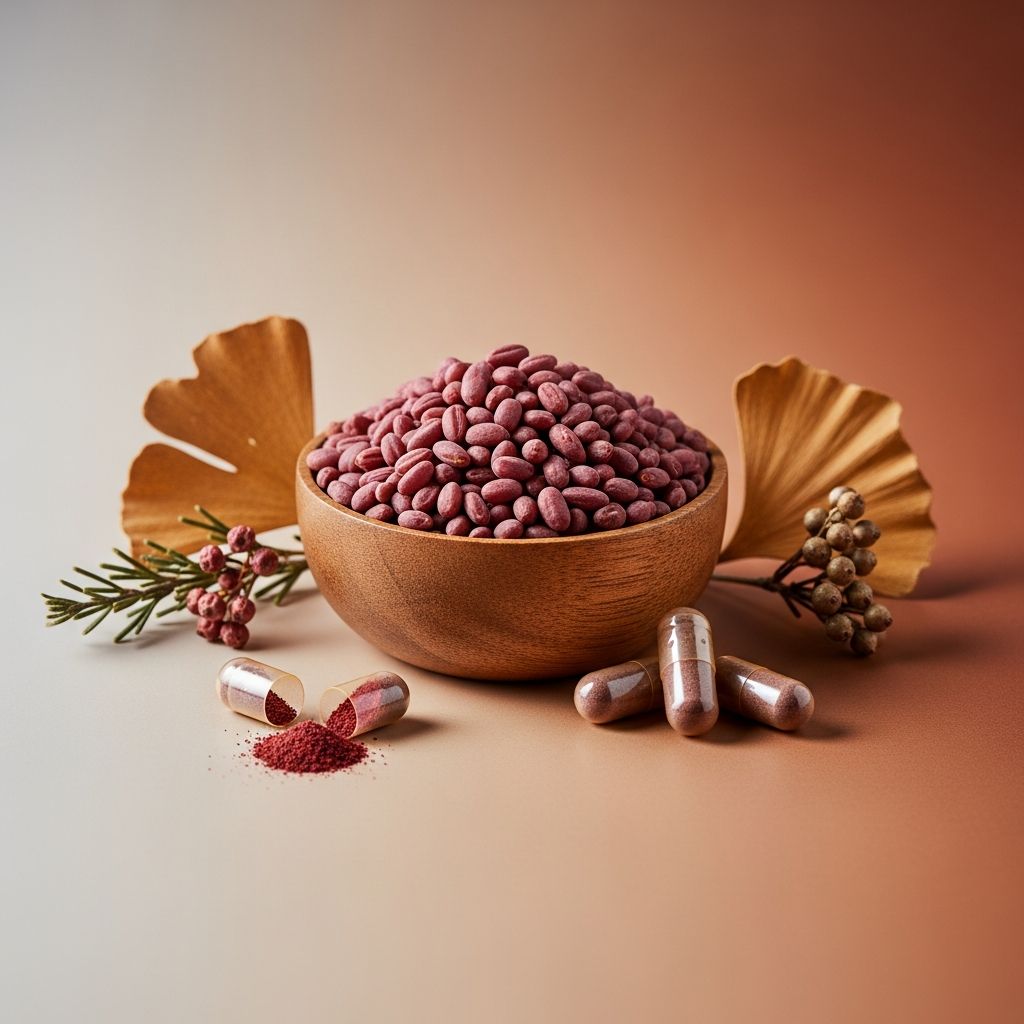
Red yeast rice is a dietary supplement derived from rice that has been fermented with a specific type of mold called Monascus purpureus. For centuries, this supplement has been used in traditional Asian medicine and cuisine, valued for its potential health benefits. In recent decades, red yeast rice has gained significant attention in Western healthcare as a natural alternative for managing cholesterol levels. The supplement contains a compound called monacolin K, which has a chemical structure identical to lovastatin, a prescription statin medication used to lower cholesterol. This similarity forms the basis of red yeast rice’s cholesterol-lowering properties, though it also raises important safety considerations that consumers should understand before use.
What Is Red Yeast Rice?
Red yeast rice is produced through a fermentation process where Monascus mold is cultured on rice. This fermentation process gives the rice its distinctive red color and creates the bioactive compounds responsible for its medicinal properties. The supplement has been traditionally used in Chinese cuisine and medicine for over a thousand years, where it was valued not only for potential health benefits but also as a natural food coloring agent. In modern times, manufacturers have isolated and concentrated the active ingredients to create standardized supplement products available in capsule and powder forms.
Primary Uses and Benefits
The most widely researched and promoted use of red yeast rice is its potential to lower blood cholesterol levels. Because monacolin K functions similarly to statin medications, red yeast rice supplements can help reduce low-density lipoprotein (LDL) cholesterol, commonly known as “bad cholesterol.” Some studies suggest that red yeast rice may help maintain healthy cholesterol profiles in individuals with elevated levels. Beyond cholesterol management, traditional uses have included supporting cardiovascular health and promoting general wellness, though these additional benefits require further scientific validation.
How Red Yeast Rice Works
The cholesterol-lowering mechanism of red yeast rice operates through monacolin K, which inhibits HMG-CoA reductase, an enzyme essential for cholesterol synthesis in the liver. This process is identical to how prescription statin medications function. When monacolin K blocks this enzyme, the liver produces less cholesterol, leading to reduced circulating cholesterol levels in the bloodstream. However, the potency of red yeast rice supplements varies considerably depending on the fermentation process, yeast strains used, and storage conditions. Some products contain minimal amounts of monacolin K, while others may contain levels comparable to prescription medications.
Safety Profile and General Considerations
While red yeast rice is generally considered safe for most adults when used appropriately, it carries several important safety considerations. The supplement is possibly safe for most people when taken for up to 4.5 years based on available research. However, because monacolin K mirrors the chemical structure of lovastatin, red yeast rice can produce similar side effects to prescription statins, ranging from mild to severe. This similarity also means that red yeast rice should be treated with the same caution and medical oversight as statin medications.
Common Side Effects
Users of red yeast rice may experience mild to moderate side effects, particularly when first beginning supplementation. These common adverse effects include:
- Stomach pain and gastrointestinal discomfort
- Heartburn and acid reflux
- Gas and bloating
- Headaches
- Dizziness or lightheadedness
- General upset stomach
Most of these mild side effects typically resolve as the body adjusts to the supplement, though they may persist in some individuals. If side effects are severe or continue beyond the first few weeks of use, discontinuing the supplement and consulting a healthcare provider is recommended.
Serious Side Effects and Health Risks
Beyond mild discomfort, red yeast rice can cause more serious adverse effects, particularly due to its monacolin K content. The most concerning potential complications include:
Liver Damage
One of the most significant risks associated with red yeast rice is hepatotoxicity, or liver damage. Cases have been documented of liver injury, hepatic cytolysis, and abnormal liver function tests in users of red yeast rice supplements. In one documented case, an otherwise healthy 64-year-old woman required hospitalization after taking a 1.2-gram red yeast rice supplement for just 6 weeks due to liver poisoning. The monacolin K in red yeast rice can damage liver cells, and this risk increases when the supplement is combined with other hepatotoxic substances or medications.
Muscle Problems
Red yeast rice can cause myalgia (muscle pain), muscle spasms, and severe muscle damage, particularly with higher doses of monacolin K. In extreme cases, the supplement may trigger rhabdomyolysis, a serious condition where muscle tissue breaks down rapidly. When muscle fibers deteriorate, their cellular contents enter the bloodstream and can cause subsequent kidney damage and failure. Users experiencing unexplained muscle pain, tenderness, weakness, fever, or unusual fatigue should seek immediate medical attention.
Kidney Damage
Red yeast rice supplements may contain citrinin, a toxic byproduct of the fermentation process. This mycotoxin can cause direct kidney damage and is considered a significant contamination concern. An analysis of 37 red yeast rice supplements found that only one product contained citrinin at safe levels, highlighting the widespread potential for contamination in commercially available products. Additionally, kidney damage can occur secondarily through rhabdomyolysis caused by severe muscle breakdown.
Contamination and Quality Concerns
One of the most troubling aspects of red yeast rice supplementation is the lack of consistency and quality control in commercial products. The fermentation process that produces red yeast rice can introduce citrinin, a harmful toxin linked to kidney damage. Because dietary supplements are not regulated by the FDA with the same rigor as pharmaceutical medications, the quality and composition of red yeast rice products vary dramatically. Some supplements may contain therapeutic amounts of monacolin K, while others contain minimal or no active ingredient. Conversely, some products have been found to contain undeclared ingredients and contaminants that pose health risks.
Special Populations and Contraindications
Pregnancy and Breastfeeding
Red yeast rice is considered likely unsafe during pregnancy. Some chemicals present in red yeast rice have caused birth defects in animal studies, making this supplement inappropriate for women who are pregnant or attempting to become pregnant. Additionally, insufficient reliable information exists regarding the safety of red yeast rice during breastfeeding, so the supplement should be avoided by nursing mothers as a precautionary measure.
Liver Disease
Individuals with existing liver problems should use red yeast rice cautiously or avoid it entirely. Because monacolin K can cause liver damage similar to statin medications, people with compromised liver function face significantly elevated risks of serious hepatic complications.
Muscle Disorders
People with personal or family histories of muscle disorders should consult healthcare providers before using red yeast rice, as the supplement carries increased risks of muscle-related complications in these populations.
Drug Interactions and Contraindications
Red yeast rice can interact with numerous medications and substances, potentially increasing the risk of serious adverse effects. Users should be aware of the following important interactions:
Alcohol
Consuming alcohol while taking red yeast rice is strongly discouraged. The combination of alcohol and red yeast rice can significantly increase the risk of liver damage, as both substances can be hepatotoxic.
Grapefruit and Grapefruit Juice
Grapefruit juice can inhibit enzymes responsible for metabolizing red yeast rice, leading to increased levels of monacolin K in the bloodstream and elevated risks of side effects.
Cholesterol-Lowering Medications
Taking red yeast rice with other cholesterol medications, particularly gemfibrozil (Lopid), can increase the risk of muscle problems and myopathy. Using red yeast rice with other statin medications is not recommended without medical supervision.
Immunosuppressive Medications
Cyclosporine (Neoral, Sandimmune), used to suppress the immune system, may interact with red yeast rice to increase the risk of muscle problems when used concurrently.
Certain Antibiotics and Antifungals
Medications such as erythromycin and other cytochrome P450 3A4 inhibitors can interfere with red yeast rice metabolism, potentially increasing harmful side effects.
Hepatotoxic Substances
Red yeast rice should not be combined with other medications, herbs, or supplements known to cause liver damage, as this combination significantly elevates hepatotoxicity risks.
FDA Stance and Regulatory Status
The FDA has issued warnings regarding red yeast rice products, cautioning consumers that certain supplements may pose risks of severe muscle problems leading to kidney impairment. The FDA has banned red yeast rice products containing more than minimal amounts of monacolin K, which paradoxically means many marketed products contain insufficient active ingredient to be effective while still carrying safety risks. This regulatory gap creates confusion for consumers, as products labeled identically may contain vastly different amounts of active ingredients and potential contaminants.
Recommendations for Safe Use
If you are considering red yeast rice supplementation, several precautions can enhance safety:
- Consult with a healthcare provider before beginning red yeast rice, especially if you have liver disease, muscle disorders, or take other medications
- Avoid red yeast rice if you are pregnant, breastfeeding, or planning pregnancy
- Do not consume alcohol while taking red yeast rice
- Avoid grapefruit and grapefruit juice during supplementation
- Inform your healthcare team of all medications and supplements you take to identify potential interactions
- Monitor for unexplained muscle pain, tenderness, weakness, fever, or unusual fatigue
- Maintain regular liver function tests if using red yeast rice long-term
- Choose supplements from reputable manufacturers when possible, though quality guarantees cannot be assured
Alternatives to Red Yeast Rice
For individuals concerned about cholesterol management, several alternatives to red yeast rice exist. Prescription statin medications offer the advantage of FDA approval, standardized dosing, and medical monitoring. Lifestyle modifications including dietary changes, regular physical activity, weight management, and stress reduction can effectively lower cholesterol without supplement risks. Other dietary supplements with less hepatotoxicity risk may be considered, though consultation with healthcare providers is essential for personalized recommendations.
Frequently Asked Questions
Q: Is red yeast rice the same as prescription statin medications?
A: Red yeast rice contains monacolin K, which has the same chemical structure as lovastatin, a statin medication. While functionally similar, red yeast rice is not FDA-approved as a medication and lacks the rigorous quality control and oversight of prescription drugs.
Q: How can I tell if my red yeast rice supplement contains contaminating citrinin?
A: Unfortunately, contamination cannot be determined by appearance or standard labeling. Choose products from reputable manufacturers when possible, though testing may be necessary to verify safety.
Q: Can I take red yeast rice with my prescription statin medication?
A: No. Combining red yeast rice with prescription statins significantly increases the risk of serious side effects and should be avoided without explicit medical approval and monitoring.
Q: How long can I safely take red yeast rice?
A: Red yeast rice is possibly safe for most people when taken for up to 4.5 years, though longer-term safety data is limited. Regular medical monitoring is recommended for extended use.
Q: What should I do if I experience muscle pain while taking red yeast rice?
A: Unexplained muscle pain is a serious warning sign that may indicate muscle breakdown. Discontinue the supplement immediately and contact your healthcare provider or seek emergency care if symptoms are severe.
References
- Red yeast rice – Mayo Clinic — Mayo Clinic. 2024. https://www.mayoclinic.org/drugs-supplements-red-yeast-rice/art-20363074
- The Impact of Red Yeast Rice Extract Use on the Occurrence of Hepatobiliary and Muscular Adverse Events: A Systematic Review — National Center for Biotechnology Information (NIH). 2024. https://pmc.ncbi.nlm.nih.gov/articles/PMC10857633/
- Red Yeast Rice – Uses, Side Effects, and More — WebMD. 2024. https://www.webmd.com/vitamins/ai/ingredientmono-925/red-yeast-rice
- Red Yeast Rice: Benefits and Risks — Medical News Today. 2024. https://www.medicalnewstoday.com/articles/red-yeast-rice
- Red Yeast Rice Supplement: Warnings & Side Effects — Cleveland Clinic. 2024. https://my.clevelandclinic.org/health/drugs/19338-red-yeast-rice-capsules
- Red Yeast Rice: Safety, Side Effects, and Health Claims — ZOE. 2024. https://zoe.com/learn/red-yeast-rice
Similar Articles





Read full bio of medha deb