Optic Neuritis: 4 Tailored Therapies For Faster Recovery
Explore evolving strategies in diagnosing and treating optic neuritis, from steroids to targeted therapies for better vision outcomes.
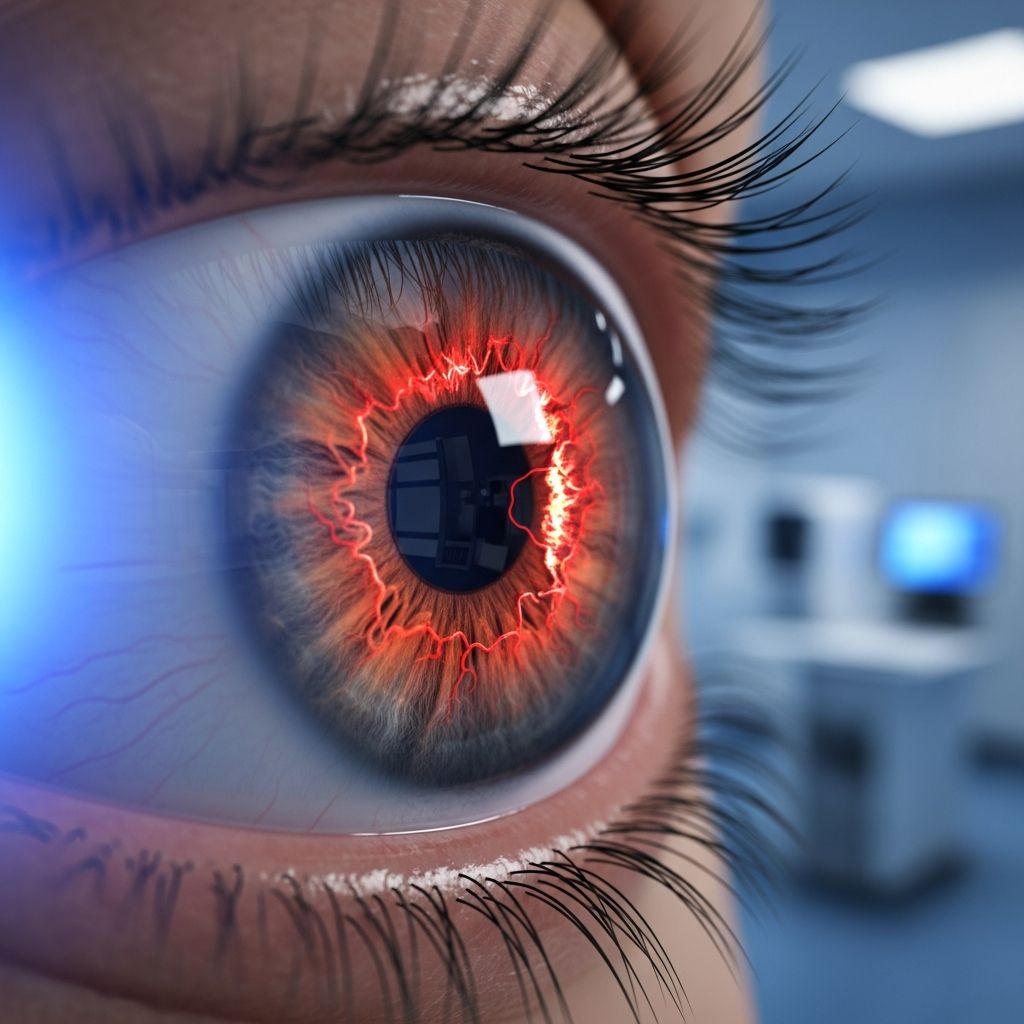
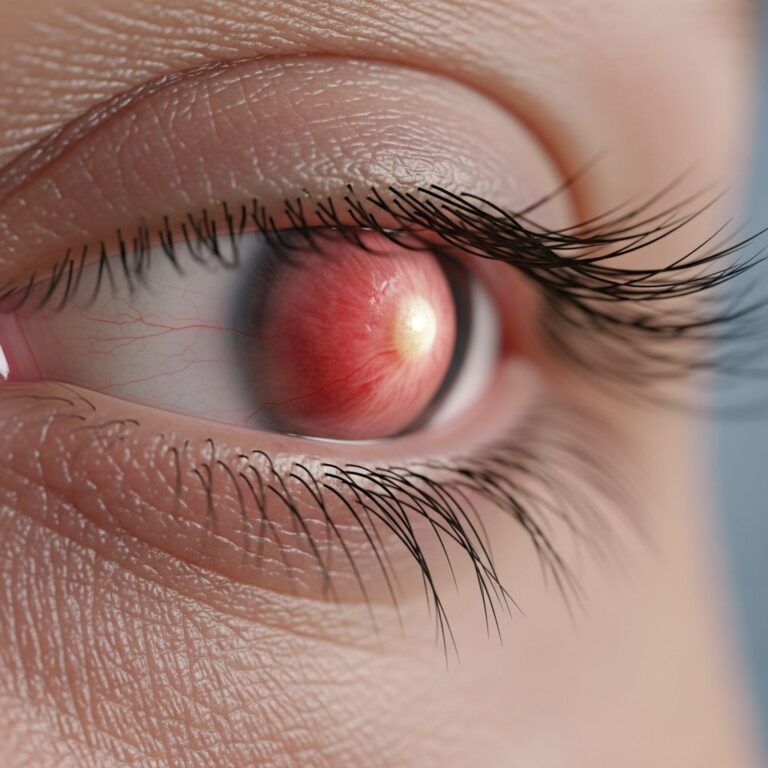
Optic neuritis represents a critical inflammatory condition affecting the optic nerve, often signaling underlying demyelinating diseases. Recent advancements emphasize precise diagnosis and tailored therapies to accelerate recovery and prevent long-term disability. This comprehensive guide outlines current protocols, distinguishing typical cases from atypical variants like those linked to neuromyelitis optica spectrum disorder (NMOSD) and myelin oligodendrocyte glycoprotein antibody disease (MOGAD).
Understanding the Condition and Its Impact
Optic neuritis typically manifests as sudden vision loss, eye pain worsened by movement, and color vision deficits. It frequently serves as the initial presentation of multiple sclerosis (MS), with brain MRI lesions elevating conversion risk. Unlike isolated events, recurrent or severe episodes demand urgent intervention to preserve visual function.
Patients experience relative afferent pupillary defect (RAPD) and reduced visual acuity, often recovering partially within weeks. However, final outcomes vary by etiology: MS-associated cases show good prognosis, while NMOSD leads to poorer vision. Early recognition through clinical exam and imaging is vital.
Diagnostic Pathways for Accurate Identification
Diagnosis begins with a thorough history and exam, confirming unilateral vision loss and pain. Key imaging includes contrast-enhanced brain and orbital MRI to detect demyelinating lesions or long optic nerve segments suggestive of NMOSD.
- MRI essentials: T2 hyperintensities indicate MS risk (hazard ratio 5.1 for 1-3 lesions).
- Antibody testing: Serum AQP4-IgG for NMOSD and MOG-IgG for MOGAD, especially in bilateral or severe cases.
- Additional workup: CSF analysis if infection or other causes suspected, though often deferred in typical presentations.
Atypical features—bilateral involvement, poor initial response, or chiasmal extension—necessitate expedited serology, as results guide therapy.
Standard Acute Treatment: High-Dose Corticosteroids
Intravenous methylprednisolone (IVMP) at 1g daily for 3-5 days remains the cornerstone for acute episodes, hastening recovery by 1-2 Snellen lines within two weeks without altering long-term acuity. Follow with oral prednisone taper: 60mg for 4 days, then 40mg, 20mg similarly.
| Treatment Phase | Dosage | Duration |
|---|---|---|
| IV Loading | 1g methylprednisolone | 3-5 days |
| Oral Taper | 60mg → 40mg → 20mg prednisone | 4 days each |
| Alternative Oral | 1mg/kg then taper | 11 days + taper |
Initiate within hours to days; delays beyond two weeks worsen prognosis. Oral prednisone alone is contraindicated, increasing recurrence risk per Optic Neuritis Treatment Trial (ONTT).
Tailored Therapies for Specific Etiologies
MS-Associated Optic Neuritis
For typical MS-related cases, IVMP suffices acutely. If MRI shows lesions, initiate disease-modifying therapies like interferon beta to curb MS progression. Visual recovery is robust, with minimal final deficit.
NMOSD Optic Neuritis
AQP4-positive cases require aggressive escalation: IVMP followed by plasma exchange (PLEX) in refractory scenarios, improving acuity from 20/400 to 20/50. Maintenance with rituximab, eculizumab, inebilizumab, or satralizumab prevents relapses; IVIG may extend attack-free intervals. Prognosis is guarded due to cumulative damage.
Related Stories



MOGAD Optic Neuritis
MOG-IgG cases respond to IVMP but relapse in 50-60% during taper, mandating immunosuppressants like mycophenolate mofetil, azathioprine, IVIG, or rituximab. Avoid MS-specific agents; recovery can be excellent but varies.
Other Autoimmune Variants
SLE-related neuritis pairs IVMP with cyclophosphamide per EULAR guidelines; relapses hit 50-60%, with only 30% retaining >20/25 acuity. Anticoagulation aids antiphospholipid-positive non-responders.
Critical Pitfalls and Best Practices
Avoid abrupt steroid cessation in MOGAD/NMOSD to prevent rebound. Defer steroids selectively in mild cases but prioritize speed in severe vision loss. Consult neuro-ophthalmology early.
- Do not: Use oral steroids solo; delay beyond 2 weeks; ignore antibody tests in atypicals.
- Do: Image promptly; tailor by etiology; transition to maintenance therapy.
Emerging Frontiers in Treatment
Beyond steroids, neuroprotective agents and remyelination strategies are under investigation. Gene therapy and targeted immunomodulators promise enhanced recovery. Pediatric and infectious causes warrant separate protocols, though not detailed here.
Prognosis and Long-Term Management
MS cases recover well; NMOSD/MOGAD risk permanent loss without prevention. Monitor retinal nerve fiber layer via OCT for progression. Multidisciplinary care optimizes outcomes.
Frequently Asked Questions
What is the first step in treating optic neuritis?
Administer IV methylprednisolone 1g daily for 3-5 days to speed recovery.
Why avoid oral prednisone alone?
It heightens recurrence risk, as shown in ONTT.
How do NMOSD and MOGAD differ in management?
Both need post-steroid immunosuppression; NMOSD often adds PLEX, MOGAD focuses on relapse prevention.
When should antibody testing occur?
Immediately in atypical presentations like bilateral loss or poor response.
Does treatment affect final vision?
It accelerates but does not alter ultimate acuity in MS-related cases.
References
- Optic Neuritis Clinical Guide — Cleveland Clinic. 2023. https://my.clevelandclinic.org/departments/neurological/depts/multiple-sclerosis/ms-approaches/optic-neuritis
- What is the recommended treatment for a patient with optic neuritis — DrOracle.ai. 2024. https://www.droracle.ai/articles/810019/what-is-the-recommended-treatment-for-a-patient-with
- Optic neuritis: a comprehensive review of current therapies — Frontiers in Neurology. 2025-01-15. https://www.frontiersin.org/journals/neurology/articles/10.3389/fneur.2025.1605075/full
- Optic Neuritis: ED Evaluation and Management — emDocs. 2023. https://www.emdocs.net/optic-neuritis-ed-evaluation-and-management/
- Diagnosis and Management of Optic Neuritis — Review of Ophthalmology. 2024. https://www.reviewofophthalmology.com/article/diagnosis-and-management-of-optic-neuritis
Similar Articles








Read full bio of medha deb