Redness Relief Eye Drops: 5 Best Options And Safety Tips
Discover safe ways to soothe red eyes, understand how drops work, and avoid common pitfalls for healthier vision.
Redness-relieving eye drops offer quick cosmetic improvement for bloodshot eyes by constricting surface blood vessels, but they carry risks like rebound effects with overuse.
Why Do Eyes Become Red?
Eye redness occurs when small blood vessels on the eye’s surface dilate due to irritants, allergies, dryness, fatigue, or infections, making the whites appear pink or bloodshot. Common triggers include environmental pollutants, prolonged screen time, lack of sleep, and allergens like pollen or dust. While often harmless, persistent redness signals underlying issues needing professional evaluation.
How Redness-Relieving Eye Drops Function
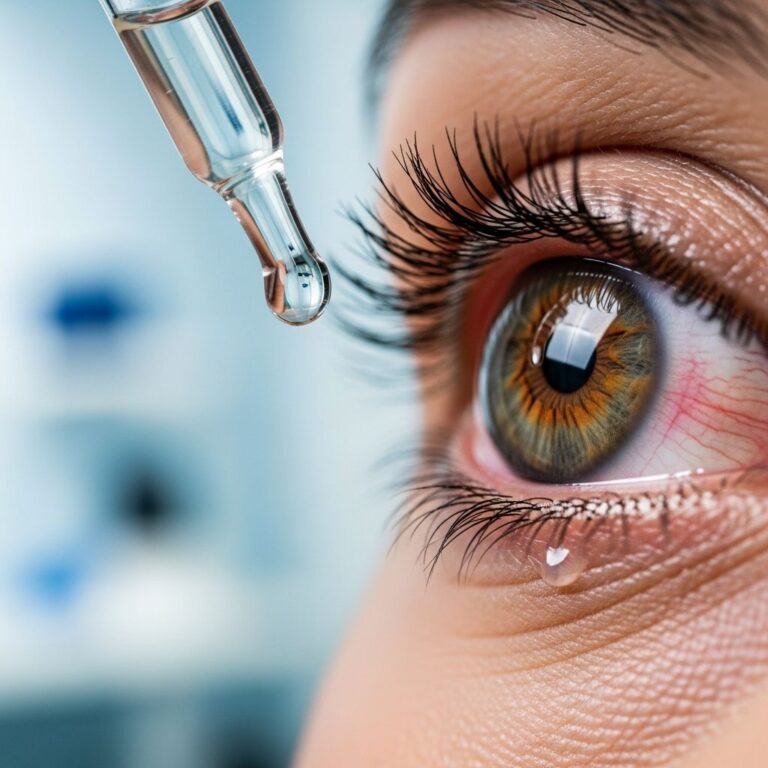
These drops contain vasoconstrictors that narrow dilated blood vessels, reducing visible redness within minutes. Traditional formulas use tetrahydrozoline, which targets arterial receptors to limit blood inflow, while newer options like brimonidine act on venous receptors to control outflow, both achieving whiter eyes temporarily. Effects last 4-12 hours depending on the product, providing short-term comfort from minor irritations.
Popular Types of Redness Relief Formulas
Several over-the-counter options dominate the market, each with unique active ingredients and durations:
- Lumify (Brimonidine Tartrate 0.025%): Starts working in 1 minute, lasts up to 8 hours with lower rebound risk; clinically tested on 380 participants showing rapid efficacy.
- Visine Original (Tetrahydrozoline HCl 0.05%): Provides multi-symptom relief including burning and dryness; up to 10 hours comfort in some formulations.
- Clear Eyes (Naphazoline HCl): Soothes irritation and protects against further dryness; up to 12 hours relief for minor issues.
- Rohto Cool: Offers cooling sensation alongside redness reduction for revitalizing comfort.
- Zaditor (Ketotifen): Antihistamine for allergy-induced redness, blocking histamine to ease itch and inflammation.
Comparison Table:
| Product | Key Ingredient | Onset | Duration | Best For |
|---|---|---|---|---|
| Lumify | Brimonidine | 1 min | 8 hrs | Quick, low-rebound relief |
| Visine | Tetrahydrozoline | Minutes | 10 hrs | Multi-symptom |
| Clear Eyes | Naphazoline | Minutes | 12 hrs | Dryness + redness |
| Zaditor | Ketotifen | Minutes | 12 hrs | Allergies |
Short-Term Benefits and Proper Usage
These drops excel for occasional use, alleviating discomfort from wind, sun, smoke, or fatigue. Instill 1-2 drops per eye up to 4 times daily, removing contacts first and waiting 10-15 minutes before reinserting. They also lubricate mildly, protecting the ocular surface. Always check for tamper-evident seals and store at room temperature.
Risks and Side Effects to Watch For
Overuse of tetrahydrozoline or naphazoline-based drops can cause rebound hyperemia, where eyes become redder upon wearing off due to vessel overcompensation. Symptoms include worsened redness, burning, or pupil dilation. Contact lens wearers face added risks as drops reduce corneal oxygen when combined. Brimonidine minimizes this but isn’t risk-free long-term. Allergic reactions like stinging or blurred vision are possible; discontinue if they occur.
Understanding Rebound Redness Phenomenon
Rebound redness stems from chronic vasoconstriction disrupting normal blood flow regulation, leading to dependency. Users report escalating redness, prompting more drops in a vicious cycle. Studies highlight this with traditional drops, unlike selective agents like brimonidine that spare certain vessels. Limit use to 2-3 days max for standard formulas.
Safer Alternatives for Persistent Red Eyes
- Artificial Tears: Hydrate without drugs; ideal for dryness-related redness (e.g., TheraTears).
- Allergy Drops: Target root causes like histamines (e.g., olopatadine).
- Lifestyle Adjustments: Use humidifiers, reduce screen time (20-20-20 rule), stay hydrated, avoid smoke.
- Prescription Options: Steroids or anti-inflammatories for severe cases, per doctor.
Related Stories



These non-vasoconstrictor methods address causes without rebound risks.
When to Skip Drops and Consult a Professional
Seek immediate care for redness with pain, vision changes, discharge, light sensitivity, or lasting over 48 hours, as it may indicate conjunctivitis, uveitis, glaucoma, or dry eye disease. Annual eye exams catch issues early; don’t self-treat chronically.
Tips for Selecting the Right Eye Drops
- Match to cause: vasoconstrictors for cosmetic relief, lubricants for dryness, antihistamines for allergies.
- Prefer brimonidine for safer profile.
- Read labels for preservatives if sensitive.
- Ask pharmacists or optometrists for personalized picks.
Daily Habits to Minimize Eye Redness
Prevent issues with consistent blink rates during digital use, UV-protective eyewear, allergy management, and sufficient sleep. Omega-3 supplements aid tear quality in some cases.
FAQs
Are redness drops safe daily?
No, limit to occasional use to avoid rebound effects; opt for preservative-free tears long-term.
What’s rebound redness?
Worsening redness after drops wear off from vessel dependency; common with tetrahydrozoline overuse.
Can I use with contacts?
Remove lenses first; some drops aren’t compatible and reduce oxygen.
How fast do they work?
Most in 1-5 minutes, lasting 4-12 hours.
Lumify vs. Visine?
Lumify has lower rebound risk via brimonidine; Visine is cheaper but higher risk with tetrahydrozoline.
Future Trends in Eye Care Relief
Advancements include longer-acting selective vasoconstrictors and drug-free tech like blue-light filters. Research into microbiome-targeted drops promises holistic solutions.
References
- Clear Eyes Redness Relief Eye Drops — Clear Eyes. Accessed 2026. https://www.cleareyes.com/eye-drops/redness-relief/clear-eyes-redness-relief-eye-drops
- 9 Effective Eye Drops for Red Eyes Relief — Northwest Eye Clinic. 2025-08-21. https://nweyeclinic.com/9-effective-eye-drops-for-red-eyes-relief/
- Types of Eye Drops and the Right Ones For Your Eyes — Gulf Coast Vision Center. Accessed 2026. https://www.gulfcoast2020.com/eye-care/types-of-eye-drops-and-the-right-ones-for-your-eyes/
- VISINE Red Eye Total Comfort Multi-Symptom Eye Drops — Visine. Accessed 2026. https://www.visine.com/eye-drops/red-eye-total-comfort-multi-symptom
- How Do Redness-Relieving Eye Drops Work? — West Boca Eye Center. Accessed 2026. https://www.westbocaeyecenter.com/post/how-do-redness-relieving-eye-drops-work
- Eye Drops: Types, Uses, Potential Risks & Benefits — Cleveland Clinic. Accessed 2026. https://my.clevelandclinic.org/health/treatments/eye-drops
- The Dangers of “Redness Relief” Eye Drops — SJ Eye Associates. Accessed 2026. https://sjeyeassociates.com/the-dangers-of-redness-relief-eye-drops/
Similar Articles








Read full bio of medha deb