9 Ways to Reduce Your Osteoporosis Fracture Risk
Discover nine evidence-based strategies to strengthen bones, prevent falls, and lower your risk of fractures from osteoporosis.
Osteoporosis silently weakens bones, making fractures more likely from minor falls or impacts. Affecting over 10 million Americans, it causes 2 million fractures yearly, with highest risks after age 50, especially in postmenopausal women and older men. Proactive steps can significantly lower this risk through stronger bones, better balance, and smarter habits.
These nine strategies, drawn from clinical guidelines and research, target bone-building, fall prevention, and risk management. Implementing them reduces fracture incidence by up to 30-60% in at-risk groups.
1. Get a Bone Density Scan
A dual-energy X-ray absorptiometry (DXA) scan measures bone mineral density (BMD), the gold standard for diagnosing osteoporosis and predicting fracture risk. It assesses spine, hip, and forearm bones, providing a T-score: normal (above -1), low (-1 to -2.5), or osteoporosis (below -2.5).
Postmenopausal women under 65 and men 70+ should get screened; earlier if risks like family history, prior fractures, or steroid use exist. Trabecular Bone Score (TBS) analysis from DXA reveals microarchitecture fragility beyond density alone, refining risk assessment.
Early detection guides interventions, cutting hip fracture risk by identifying treatable low density before breaks occur.
2. Exercise Regularly for Stronger Bones
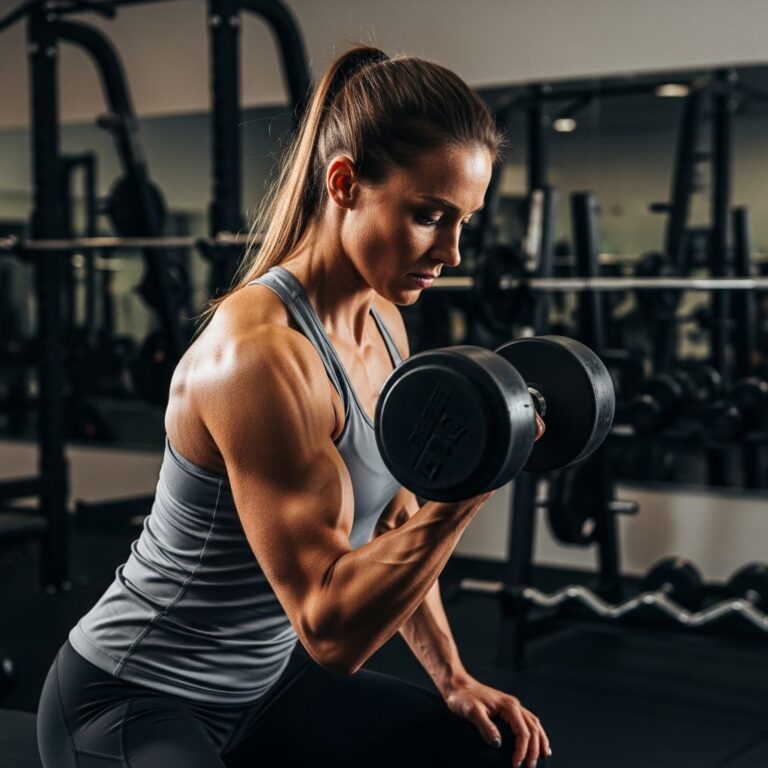
Weight-bearing, resistance, and balance exercises boost bone mineral density (BMD) and muscle strength, slashing fracture risk. Weight-bearing activities like walking, jogging, or stair-climbing force bones to work against gravity, stimulating density.
Resistance training with free weights, machines, or bands builds bone and muscle. Aim for 30 minutes most days. Balance work like tai chi, yoga, or standing on one foot prevents falls—the top fracture cause.
- Weight-bearing: Brisk walking, dancing, hiking (30-60 min/day).
- Resistance: Squats, lunges, weights (2-3x/week).
- Balance: Tai chi, heel-toe walking, single-leg stands.
Even light activity replacing sedentary time benefits older adults, per recent research. Post-fracture, physical therapy tailors plans to rebuild safely.
3. Prioritize Calcium and Vitamin D
Calcium forms bone structure; vitamin D aids absorption. Women over 50 and men over 70 need 1,200 mg calcium daily; vitamin D 800-2,000 IU.
Diet first: dairy, leafy greens, fortified foods for calcium; fatty fish, eggs, sunlight for D. Supplements fill gaps, reducing hip fractures 30-33% in studies of older adults.
| Food Source | Calcium (mg/serving) | Vitamin D (IU/serving) |
|---|---|---|
| Yogurt (8 oz) | 300 | 120 |
| Salmon (3 oz, canned with bones) | 180 | 570 |
| Kale (1 cup cooked) | 180 | 0 |
| Fortified milk (1 cup) | 300 | 120 |
Combined calcium-vitamin D cuts all fractures 30%, hip specifically 33%. Test levels annually; excess calcium risks kidney stones, so consult doctors.
4. Consider Osteoporosis Medications
For diagnosed osteoporosis or high fracture risk, medications like bisphosphonates (alendronate), denosumab, or anabolic agents (romosozumab) rebuild or preserve bone, reducing vertebral/hip fractures 40-70%.
Teriparatide mimics parathyroid hormone for bone formation. Raloxifene suits postmenopausal women. Post-fracture, Fracture Liaison Services ensure prompt treatment, halving re-fracture risk.
Discuss side effects, duration (often 3-5 years), and monitoring with providers. Medications complement lifestyle, not replace it.
5. Quit Smoking and Limit Alcohol
Smoking accelerates bone loss, raising hip fracture risk 60% and overall 25% via estrogen reduction and poor calcium absorption. Quitting at any age improves density within months.
Related Stories



Excess alcohol (>7 drinks/week women, 14 men) interferes with bone formation and balance, doubling fall/fracture odds. Limit to 1/day women, 2 men.
Both habits weaken microarchitecture; cessation plus exercise restores benefits faster.
6. Maintain a Healthy Weight
Underweight (BMI <19) signals low bone mass; obesity stresses joints but pads falls. Ideal BMI 20-25 supports density without excess load.
Postmenopausal weight loss risks further bone loss unless paired with calcium, protein, exercise. Gradual changes preserve muscle/bone.
7. Prevent Falls at Home and Beyond
Falls cause 95% of hip fractures in osteoporosis. Modify environments: secure rugs, remove clutter, install grab bars, nightlights, handrails.
Wear non-slip shoes; avoid socks on floors. Rise slowly from bed/chairs. Outdoors, use canes/walkers if unsteady; clear paths.
- Install bathroom grab bars and shower seats.
- Secure carpets/rugs with non-slip backing.
- Keep floors clutter-free; tuck cords.
- Use good lighting, especially stairs/hallways.
Annual vision/hearing checks prevent mishaps.
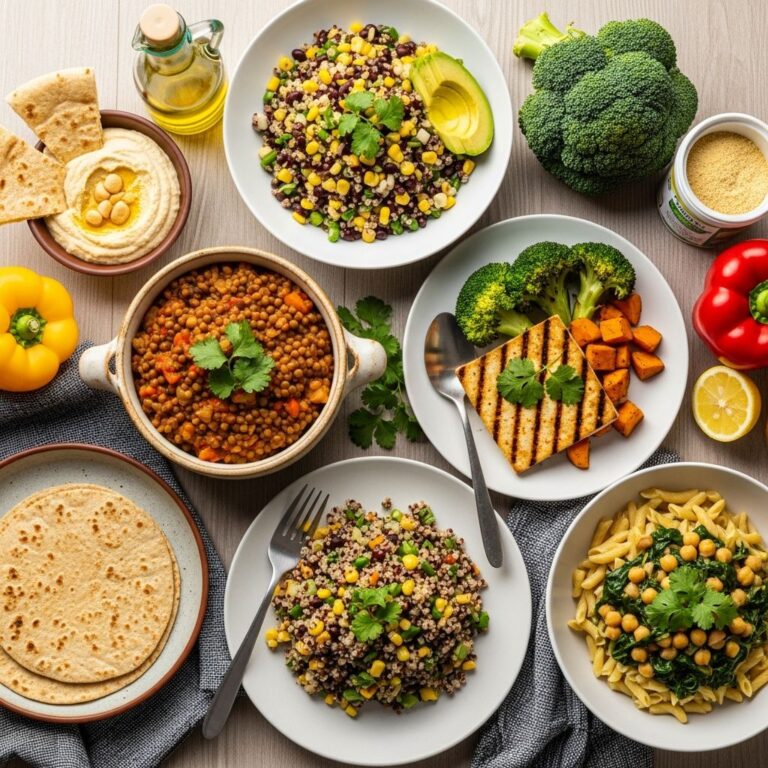
8. Eat a Bone-Healthy Diet
Beyond calcium/D, include protein (1-1.2g/kg body weight), magnesium, potassium, vitamins K/C. Fish weekly cuts hip risk 33%; greens boost K for density.
Magnesium/potassium-rich foods (nuts, bananas, spinach) link to lower hip/spine fractures. Avoid excess sodium/caffeine leaching calcium.
Balanced plates: veggies, fruits, lean proteins, whole grains sustain BMD lifelong.
9. Monitor Medications and Health Conditions
Long-term meds like glucocorticoids, anticonvulsants, PPIs erode bone; review dosages as bodies age. SSRIs, sedatives raise falls via dizziness.
Manage comorbidities: rheumatoid arthritis, hyperthyroidism, GI disorders impair absorption. Annual BMD tracks progress; discuss polypharmacy.
Frequently Asked Questions (FAQs)
Who should get a bone density test?
Postmenopausal women under 65 with risks, all postmenopausal over 65, men 70+, or anyone with fractures, steroids, family history.
How much exercise for bone health?
30+ minutes weight-bearing daily, resistance 2-3x/week, balance training often. Consult pros post-fracture.
Are supplements safe?
Calcium 1,200mg + D 800IU daily for at-risk; test levels, pair with diet. Doctor approval avoids overload.
Can osteoporosis reverse?
Not fully, but meds/exercise/nutrition halt loss, build some density, cut fractures 50%+.
How to fall-proof home affordably?
Nightlights, rug tape, grab bars (<$50), clutter removal, good shoes—immediate impact.
References
- Are You at Risk for Breaking Bones? New Technology Gives Detailed Analysis — Orlando Health. 2023. https://www.orlandohealth.com/content-hub/are-you-at-risk-for-breaking-bones-new-technology-gives-detailed-analysis/
- Bone Health Break Down: How to Prevent Fractures — Cedars-Sinai. 2024. https://www.cedars-sinai.org/stories-and-insights/healthy-living/bone-health-break-down–how-to-prevent-fractures
- New Research Highlights Critical Role of Movement in Lifelong Bone Health — International Osteoporosis Foundation. 2025-09-08. https://www.osteoporosis.foundation/news/new-research-highlights-critical-role-movement-lifelong-bone-health-20250908-1540
- Preventing Another Broken Bone — NIAMS, NIH. 2024. https://www.niams.nih.gov/health-topics/preventing-another-broken-bone
- Nutritional Aspects of Bone Health and Fracture Healing — National Library of Medicine, NIH. 2018-02-10. https://pmc.ncbi.nlm.nih.gov/articles/PMC5804294/
Similar Articles








Read full bio of Sneha Tete