Reduce Cholesterol Without Drugs: Diet & Lifestyle Guide
Lower LDL cholesterol naturally through proven dietary changes and lifestyle modifications without medication.
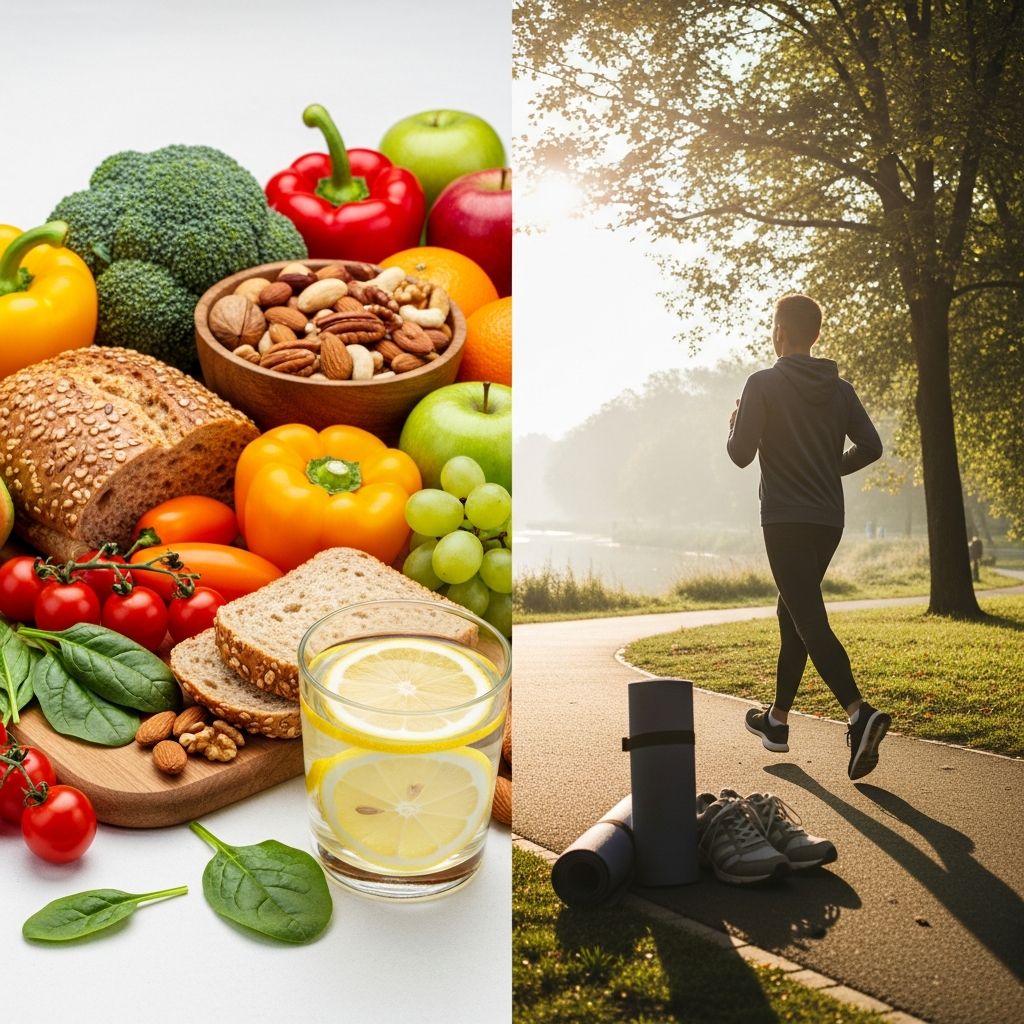
If your cholesterol levels are creeping upward, your doctor has likely recommended diet and exercise as the first line of defense. The good news is that making strategic changes to your lifestyle can significantly lower your cholesterol without the need for pharmaceutical intervention. A major 2012 analysis of several controlled trials involving hundreds of men and women demonstrated that dietary modifications reduced both LDL and total cholesterol, while exercise alone had limited effects on cholesterol levels. However, combining aerobic exercise with a heart-healthy diet enhanced the lipid-lowering benefits substantially.
The path to better cholesterol doesn’t require extreme sacrifice or complete lifestyle overhaul. Instead, it’s about making smart substitutions and understanding which foods support heart health and which ones work against it. This comprehensive guide explores evidence-based strategies to lower your cholesterol naturally and maintain optimal cardiovascular health.
Understanding the Cholesterol Challenge
Cholesterol management has become increasingly important as heart disease remains a leading health concern. The key to success lies in understanding that effective cholesterol reduction isn’t an all-or-nothing proposition. According to Kathy McManus, director of the Department of Nutrition at Brigham and Women’s Hospital, “You don’t have to follow an all-or-nothing approach. It’s really a matter of common sense.” This philosophy means you can enjoy satisfying foods while making heart-healthy choices that progressively lower your cholesterol levels.
The most effective approach involves substituting foods with cholesterol-lowering power for those that raise cholesterol. People following various diet patterns—from Mediterranean to low-fat to low-calorie—all achieved success when they prioritized nutrient-dense alternatives and eliminated harmful fats from their diet.
Eliminate Trans Fats First
The primary step in any cholesterol-lowering strategy should be identifying and eliminating trans fats from your diet. Trans fats are created by adding hydrogen to liquid fats, causing them to solidify. Food manufacturers adopted this process to extend shelf life in packaged baked goods, while fast-food chains used trans fats because they could be reused multiple times.
The scientific evidence against trans fats is so overwhelming that the FDA has moved to remove their “generally recognized as safe” designation. To avoid consuming trans fats inadvertently, examine food labels carefully and look for the phrase “partially hydrogenated” in the ingredient list. If you find this term, choose a different product. When dining at restaurants, ask whether the kitchen uses partially hydrogenated oils before ordering.
Common sources of trans fats include commercial baked goods, fried foods, and certain margarines. By eliminating these products entirely, you take the most impactful first step toward cholesterol reduction.
Understand Saturated Fats and Dietary Cholesterol
Related Stories



While not ideal, saturated fats and dietary cholesterol from animal products can be consumed in moderation. McManus recommends a balanced approach that doesn’t require complete elimination of these foods. For instance, eggs are nutrient-rich powerhouses—you can consume up to four yolks per week and egg whites as often as desired. Red meat, shrimp, lobster, high-fat cheeses, butter, and organ meats can all be enjoyed in small portions every couple of weeks.
The key principle is moderation and portion control. Rather than viewing these foods as completely forbidden, consider them occasional indulgences that fit within an overall heart-healthy eating pattern. This approach makes dietary changes sustainable long-term rather than a temporary restriction that people eventually abandon.
Switch to Better Fats
Both polyunsaturated and monounsaturated fatty acids actively help lower LDL cholesterol. Plant-derived oils including canola, safflower, sunflower, olive, grapeseed, and peanut oils contain beneficial amounts of both types. These oils should become your primary cooking and salad-dressing bases.
Fatty fish represent another excellent fat source with cholesterol-lowering properties. Salmon, tuna, trout, herring, and mackerel contain omega-3 fatty acids that support cardiovascular health. Additionally, incorporate seeds, nuts, avocados, and soybeans into your regular diet. These whole foods provide satisfying flavors and textures while delivering the healthy fats your body needs.
When replacing unhealthy fats, remember that all fats—good or bad—contain nine calories per gram, roughly 100 calories per tablespoon. Monitor your overall calorie intake during this transition, as eating more healthy fat can contribute excess calories if portions aren’t controlled.
Embrace Colorful Fruits and Vegetables
Fruits and vegetables offer multiple cholesterol-lowering compounds beyond simple nutrition. They contain fiber, cholesterol-blocking molecules called sterols and stanols, and natural pigments with anti-inflammatory properties. The heart-healthy produce list spans the entire color spectrum: leafy greens, yellow squashes, carrots, tomatoes, strawberries, plums, and blueberries all contribute to cholesterol reduction.
A practical guideline: the richer the color, the greater the nutritional benefit. Deep red tomatoes, orange carrots, and dark leafy greens contain concentrated amounts of beneficial compounds. Aim to fill half your plate with colorful vegetables at each meal. Fresh produce not only lowers cholesterol but also provides vitamins, minerals, and antioxidants that support overall cardiovascular function.
Choose Whole Grains Over Refined Carbohydrates
Whole grains represent another valuable fiber source crucial for cholesterol management. Replace refined flour and white rice with whole-wheat flour, brown rice, and wild rice. Old-fashioned oatmeal offers particular benefits, though avoid quick-cooking versions that have been processed to remove much of their fiber content.
When shopping for grain products, examine the ingredient list. Products listing “whole wheat” or “whole grain” as the first ingredient provide superior cholesterol-lowering benefits compared to refined alternatives. Whole grains digest more slowly, allowing soluble fiber to bind with cholesterol and remove it from your system.
Avoid Sugar Substitution Pitfalls
A common mistake occurs when people switch to low-fat versions of foods while inadvertently increasing sugar consumption. According to McManus, “It’s one of the worst choices you can make.” Food manufacturers often boost sugar content in low-fat salad dressings, yogurts, and sauces to compensate for reduced fat and maintain palatability.
When examining ingredient lists, look for added sugars near the top—including sugar, corn syrup, and any word ending in “ose.” Rather than choosing a low-fat product high in sugar, opt for a higher-fat version without trans fats. Your cardiovascular health benefits more from eating a full-fat dressing with healthy oils than from consuming sugar-laden low-fat alternatives.
Incorporate Beneficial Beverages
Beyond dietary foods, certain beverages offer substantial cholesterol-lowering benefits. Green tea contains powerful flavonoids with anti-inflammatory properties that can reduce LDL levels and break down arterial plaque. Studies demonstrate that green tea reduces LDL in both healthy individuals and those at cardiovascular risk while dramatically reducing total cholesterol levels.
Soy milk presents another excellent choice, potentially reducing artery-clogging LDL while increasing protective HDL cholesterol. Research shows that consuming one to four cups daily for eight weeks produces measurable benefits. Choose unsweetened varieties to avoid negating these advantages with added sugar.
Beetroot juice offers impressive results—research participants experienced increases in HDL cholesterol levels from 42.9 mg/dl to 50.2 mg/dl. Oat milk provides sustained cholesterol reduction through its beta-glucan soluble fiber content, which binds to cholesterol before it enters circulation. For those concerned about food-drug interactions, pineapple juice pairs safely with statin medications.
Exercise Enhancement Effects
While diet forms the foundation of cholesterol reduction, exercise amplifies these effects. A balanced approach combining dietary improvements with aerobic exercise produces superior results compared to either intervention alone. Regular physical activity strengthens your cardiovascular system, improves circulation, and supports healthy cholesterol ratios.
Aim for at least 150 minutes of moderate aerobic activity weekly, such as brisk walking, swimming, or cycling. Resistance training also contributes to overall cardiovascular health. The combination of dietary changes and consistent exercise creates a powerful synergy that transforms your cholesterol profile and reduces heart disease risk.
Monitoring Your Progress
Track your cholesterol improvements through regular blood work with your healthcare provider. Most people notice measurable changes within 4-6 weeks of implementing comprehensive lifestyle modifications. Your healthcare team can assess whether your current approach sufficiently reduces your cholesterol or whether additional interventions become necessary.
Keep a food journal during the first few weeks to identify patterns and ensure you’re maintaining consistent choices. Many people discover that once they adjust to eating whole, nutrient-dense foods, they prefer them to the processed alternatives they previously consumed.
Creating Sustainable Lifestyle Changes
Success in cholesterol reduction depends on making changes you can maintain indefinitely rather than temporary restrictions. Start by modifying one area at a time rather than overhauling your entire diet simultaneously. Perhaps begin by eliminating trans fats, then progress to incorporating more plant-based oils, followed by increasing vegetable consumption.
Involve family members in these changes, as shared meals with supportive people increase adherence. Experiment with recipes to discover heart-healthy foods you genuinely enjoy. When dietary changes feel like punishment rather than improvement, long-term compliance suffers.
Frequently Asked Questions
Q: How long does it take to see cholesterol improvements from dietary changes?
A: Most people observe measurable improvements in their cholesterol levels within 4-6 weeks of consistently implementing heart-healthy dietary changes. However, individual results vary based on genetics, starting cholesterol levels, and dietary adherence.
Q: Can I ever eat foods I enjoyed before making these changes?
A: Yes, the key is moderation and balance. You can enjoy small portions of foods like red meat, cheese, and eggs periodically within an overall heart-healthy diet. Complete deprivation typically leads to dietary non-compliance.
Q: Do I need to count calories when switching to healthier fats?
A: During your transition period, monitoring calories helps ensure you’re not inadvertently consuming excess calories from healthy fats, which contain nine calories per gram. Once established in healthier eating patterns, many people find calorie counting unnecessary as whole foods naturally regulate intake.
Q: Which beverage offers the most cholesterol-lowering benefit?
A: Green tea and beetroot juice both demonstrate significant benefits in research studies. Choose based on your taste preferences and which you’ll consume consistently, as regular consumption matters more than occasional high doses.
Q: Should I eliminate all saturated fat and dietary cholesterol?
A: No, complete elimination isn’t necessary. Consuming small amounts of foods containing saturated fat and dietary cholesterol—such as eggs, lean red meat, and cheese—as part of an overall heart-healthy diet poses no problem and provides valuable nutrients.
Q: Does exercise alone reduce cholesterol without dietary changes?
A: Research indicates that exercise alone has limited effects on cholesterol levels. However, combining regular aerobic exercise with dietary modifications produces significantly better results than either intervention independently.
References
- How to Lower Your Cholesterol Without Drugs from Harvard Medical School — Evergreen Health. https://evergreenhealth.org/how-to-lower-your-cholesterol-without-drugs-from-harvard-medical-school/
- 9 Beverages That Can Naturally Lower Your High Cholesterol — University of Illinois Department of Food Science and Human Nutrition. https://fshn.illinois.edu/news/9-beverages-can-naturally-lower-your-high-cholesterol
- Dietary Fat, Carbohydrate, and Protein and Heart Disease — Harvard T.H. Chan School of Public Health. https://www.hsph.harvard.edu/
- Cholesterol Levels: What You Need to Know — National Heart, Lung, and Blood Institute. https://www.nhlbi.nih.gov/
- Trans Fats — U.S. Food and Drug Administration. https://www.fda.gov/
Similar Articles








Read full bio of Sneha Tete