Reduce Inflammation That Can Cause Migraines
Discover anti-inflammatory foods and diets proven to lower migraine frequency, severity, and duration through expert-backed strategies.

Migraines affect millions worldwide, often triggered by
inflammation
and oxidative stress in the body and brain. Ananti-inflammatory diet
emphasizes whole, nutrient-dense foods that combat these processes, potentially reducing migraine frequency, severity, and duration. Research links pro-inflammatory diets to worse symptoms, while anti-inflammatory eating patterns show promising relief.What Is Inflammation and How Does It Relate to Migraines?
Inflammation is the body’s natural response to injury or infection, but
chronic inflammation
contributes to migraine pathology by irritating nerves, dilating blood vessels, and promoting oxidative stress. Studies indicate that diets high in pro-inflammatory foods correlate with more severe and frequent attacks. A cross-sectional study of 262 migraine patients found higher dietary inflammatory index (DII) scores linked to increased risk of severe migraines. Conversely, anti-inflammatory diets lower markers like high-sensitivity C-reactive protein (hsCRP) and boost antioxidants like beta-carotene.Dark green leafy vegetables are key, providing carotenoids that reduce systemic inflammation implicated in migraine etiology. One case study reported complete reversal of chronic migraines after adopting a leafy green-rich Low Inflammatory Foods Everyday (LIFE) diet, with sustained relief for 7.5 years.
Key Foods to Include in an Anti-Inflammatory Migraine Diet
Focus on unprocessed foods rich in magnesium, omega-3s, antioxidants, and anti-inflammatory compounds. These help relax blood vessels, stabilize blood sugar, and fight free radicals.
- Fresh Fruits and Vegetables: Loaded with antioxidants and vitamins to combat oxidative stress. Berries (blueberries, strawberries) offer powerful anti-inflammatory effects; root vegetables like sweet potatoes provide vitamin B6 for brain health.
- Dark Green Leafy Greens: Spinach, kale, collards, and broccoli deliver magnesium (e.g., 157mg per cup cooked spinach) and folate to regulate homocysteine levels linked to migraines.
- Whole Grains: Oats, barley, and brown rice supply fiber and B vitamins without spiking blood sugar.
- Fatty Fish: Salmon, tuna, sardines, and mackerel provide omega-3 fatty acids that reduce inflammation and may prevent attacks.
- Nuts and Seeds: Almonds, walnuts, flaxseeds, pumpkin seeds offer magnesium and healthy fats.
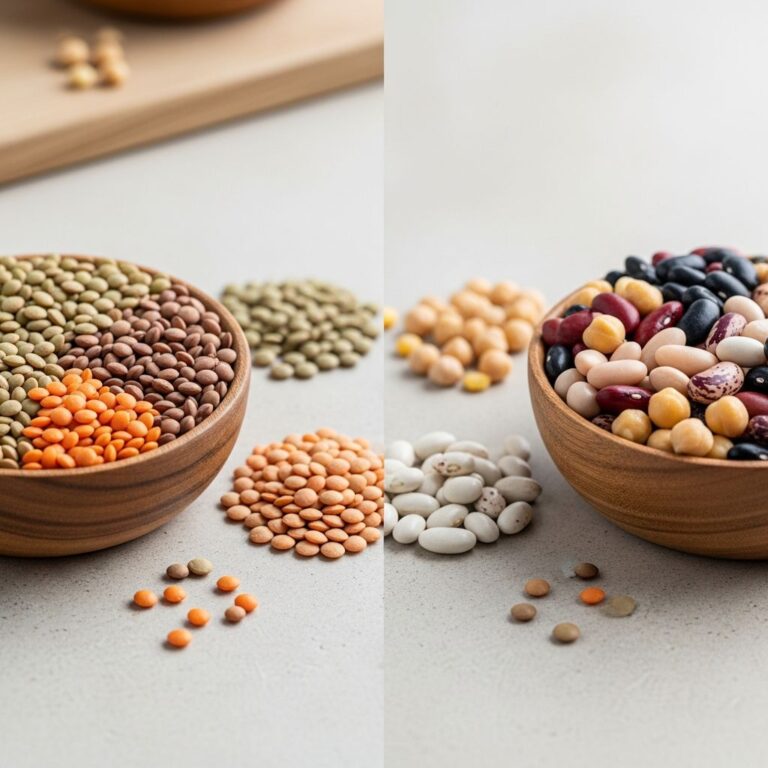
- Legumes: Lentils, beans, chickpeas for folate and plant protein.
- Spices: Turmeric (curcumin) and ginger have potent anti-inflammatory properties.
- Mushrooms: Shiitake and portobello for B vitamins and selenium supporting nervous system health.
Sample 7-Day Anti-Inflammatory Meal Plan for Migraine Prevention
This plan incorporates top anti-inflammatory foods, aiming for balanced meals with high magnesium, omega-3s, and antioxidants. Portion sizes: 1,800-2,200 calories daily; adjust as needed. Hydrate with 8-10 glasses of water.
| Day | Breakfast | Lunch | Dinner | Snacks |
|---|---|---|---|---|
| Monday | Oatmeal with berries, flaxseeds, and spinach smoothie | Quinoa salad with kale, chickpeas, avocado | Baked salmon with broccoli and sweet potato | Almonds, apple |
| Tuesday | Ginger turmeric smoothie with kale and banana | Lentil soup with carrots and collards | Grilled sardines, brown rice, asparagus | Pumpkin seeds, pear |
| Wednesday | Whole grain toast with walnut butter, berries | Bean salad with spinach, tomatoes, olive oil | Tuna stir-fry with bell peppers, quinoa | Handful walnuts, orange |
| Thursday | Chia pudding with strawberries, kale side | Chickpea wrap with leafy greens, hummus | Mackerel with barley, Brussels sprouts | Flaxseeds in yogurt, blueberries |
| Friday | Barley porridge with pumpkin seeds, spinach | Broccoli lentil bowl with ginger dressing | Salmon salad with mixed greens, beets | Almonds, cherries |
| Saturday | Smoothie: spinach, berries, turmeric, flax | Black bean soup with kale, sweet potato | Fatty fish tacos with cabbage slaw | Sunflower seeds, grapes |
| Sunday | Oats with nuts, folate-rich avocado toast | Quinoa with mushrooms, spinach, legumes | Baked tuna with root veggies, brown rice | Mixed nuts, banana |
Recipes emphasize simplicity: Steam greens, bake fish at 400°F for 15-20 minutes, blend smoothies fresh. Track symptoms in a food diary to personalize.
Foods and Triggers to Avoid for Migraine Management
Pro-inflammatory and common trigger foods exacerbate inflammation and attacks. Limit these:
- Processed Meats: High in nitrates and saturated fats.
- Refined Sugars and Carbs: Spike blood sugar, promote inflammation.
- Trans Fats: In fried/fast foods.
- Aged Cheeses, Caffeine, Chocolate: Tyramine and stimulants trigger vessels.
- Alcohol, especially red wine/beer: Dehydrates and inflames.
- Amines-rich: Overripe fruits, nuts if sensitive, peanut butter.
Avoid citrus if reactive; opt for cooked fruits like pears.
Scientific Evidence: How Anti-Inflammatory Diets Prevent Migraines
Related Stories



Multiple studies support this approach. A meta-analysis of 6 studies (31,958 participants) found anti-inflammatory diets reduced migraine frequency and severity. The LIFE diet case: A 60-year-old with 12.5 years of refractory migraines achieved zero attacks after 3 months on a dark leafy green-rich plant-based diet; beta-carotene tripled, confirming adherence and anti-inflammatory effects.
Magnesium relaxes vessels; omega-3s counter inflammation. Folate lowers homocysteine, a migraine risk factor. A BMJ study noted significant frequency reductions with anti-inflammation diets. Observational data links higher DII to worse outcomes.
Practical Tips to Adopt an Anti-Inflammatory Lifestyle
- Start small: Add one leafy green serving daily.
- Shop perimeter: Prioritize produce, fresh fish.
- Prep ahead: Batch-cook grains, chop veggies.
- Supplements if deficient: Magnesium, but food-first.
- Combine with sleep, stress management, exercise.
- Monitor: Use apps for triggers; consult a dietitian.
Frequently Asked Questions (FAQs)
What are the best foods to reduce inflammation for migraines?
Dark leafy greens, fatty fish, berries, nuts, seeds, whole grains, and spices like turmeric top the list due to magnesium, omega-3s, and antioxidants.
Can diet alone reverse chronic migraines?
Yes, in some cases: One patient achieved 7.5 years migraine-free on the LIFE diet alone.
How long until I see migraine improvements?
Effects may appear in weeks to months; track consistently for 3 months.
Are omega-3 supplements as good as food sources?
Foods like salmon provide broader benefits; prioritize dietary sources.
What if I have food sensitivities?
Personalize via elimination; focus on tolerated anti-inflammatory staples.
References
- Anti-Inflammatory Diet — National Headache Foundation. Accessed 2026. https://headaches.org/resources/anti-inflammatory-diet/
- These Foods Help With Migraine — Aura FNC. Accessed 2026. https://aurafnc.com/migraine/these-foods-help-with-migraine/
- Chronic migraine reversal and prevention with the LIFE diet — PMC (PubMed Central). 2021-12-15. https://pmc.ncbi.nlm.nih.gov/articles/PMC8689122/
- Migraine-Friendly Food Menus and Shopping Lists — Migraine Disorders Association. 2019-09. https://www.migrainedisorders.org/wp-content/uploads/2019/09/2-15a-Food-menu-and-shopping-lists.pdf
- Migraine – Nutrition Guide for Clinicians — Physicians Committee for Responsible Medicine. Accessed 2026. https://nutritionguide.pcrm.org/nutritionguide/view/Nutrition_Guide_for_Clinicians/1342056/all/Migraine
Similar Articles








Read full bio of medha deb