Refined Sugars Vs. Natural Sugars: Key Health Insights
Uncover the key differences between refined and natural sugars, their health impacts, and smarter ways to sweeten your diet without the risks.
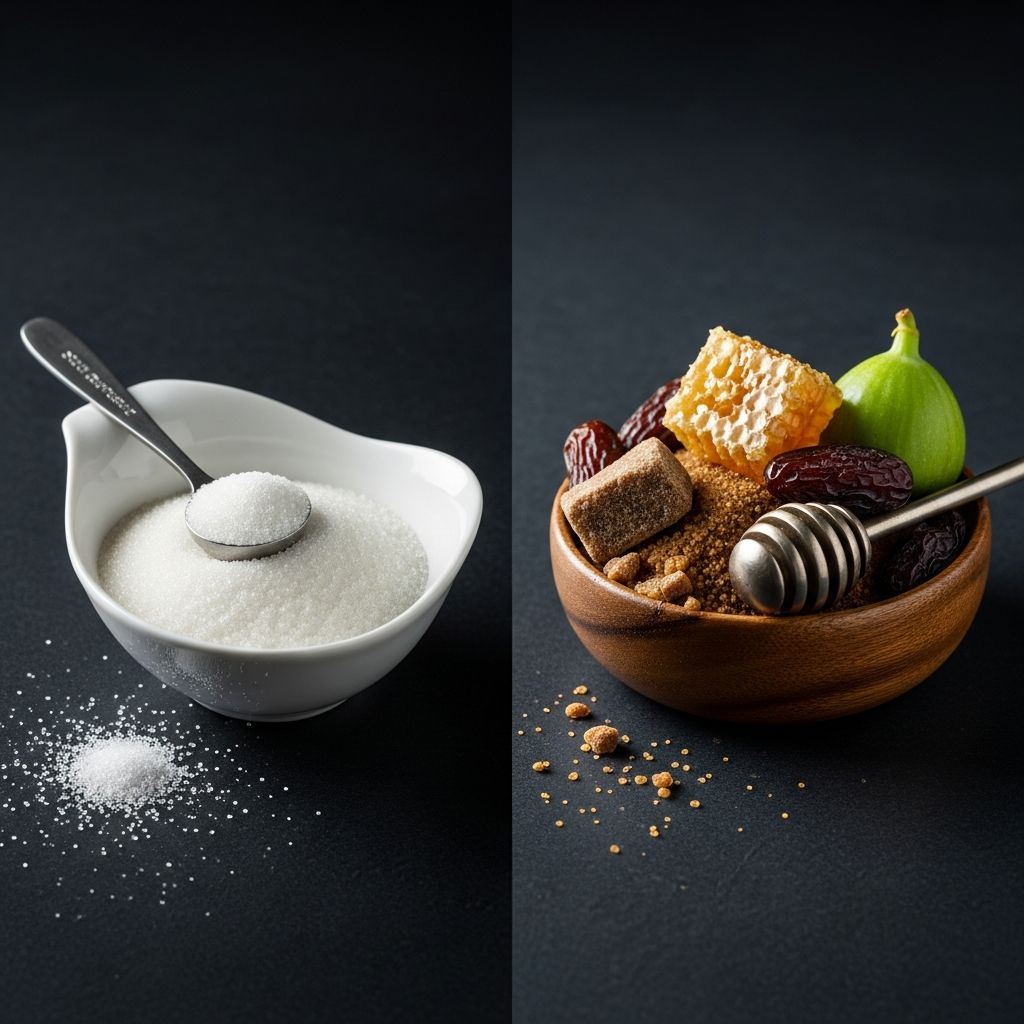
Refined sugars and natural sugars both provide sweetness, but they differ significantly in processing, nutritional value, and health effects. Refined sugars are stripped of nutrients during processing, leading to rapid blood sugar spikes, while natural sugars in fruits and vegetables come packaged with fiber, vitamins, and antioxidants that promote better health.
This article breaks down their sources, impacts on metabolism, recommended limits, and practical tips for choosing wisely. Understanding these distinctions empowers better dietary decisions amid rising concerns over obesity, diabetes, and heart disease linked to excessive sugar intake.
What Are Refined Sugars—and Where Are They Hiding?
Refined sugars originate from natural plant sources like sugarcane, sugar beets, or corn but undergo extensive processing that removes fiber, vitamins, minerals, and other beneficial compounds. The process involves harvesting, cleaning, cooking to extract juices, evaporating to crystallize, and spinning in centrifuges to separate molasses, yielding pure sucrose crystals—99% sugar with no nutritional value.
Common forms include white sugar, brown sugar, high-fructose corn syrup (HFCS), and agave nectar (despite its ‘natural’ label, most is highly processed like HFCS). These are ‘added sugars’ listed on nutrition labels and lurk in unexpected places:
- Sweetened beverages like soda, energy drinks, and flavored yogurts
- Processed foods such as cereals, crackers, tomato sauce, and salad dressings
- Baked goods, candies, and low-fat products where sugar compensates for reduced fat
- Condiments, breads, and even ‘healthy’ snacks like granola bars
The World Health Organization (WHO) advises limiting added sugars to under 10% of daily calories—about 50 grams (12 teaspoons) for a 2,000-calorie diet—for basic health, and ideally 5% (25 grams or 6 teaspoons) for extra benefits. Exceeding this contributes empty calories, promoting overeating without satiety.
What Are Natural Sugars—and Where Do They Come From?
Natural sugars, or intrinsic sugars, occur within the cellular structure of whole foods like fruits, vegetables, and dairy. They include fructose in fruits, lactose in milk, and glucose in vegetables, accompanied by fiber, water, vitamins, minerals, and phytochemicals that slow digestion and enhance nutrition.
Unlike refined sugars, these are not ‘added’ and do not count toward WHO limits. Examples include:
- Fruits: Apples, berries, bananas—high in pectin fiber that moderates blood sugar
- Vegetables: Carrots, sweet potatoes with complex carbs breaking down slowly
- Dairy: Milk and yogurt providing lactose plus calcium and protein
- Whole grains: Oats and barley yielding natural sugars via starch breakdown
These foods support gut health, provide antioxidants, and help maintain steady energy. A peer-reviewed review emphasizes natural sugars’ nutraceutical properties, offsetting refined sugar’s harms with vitamins, minerals, and anti-inflammatory compounds.
Refined Sugars vs. Natural Sugars: A Side-by-Side Comparison
Both types break down to glucose for energy, but packaging and processing create stark contrasts. Here’s a breakdown:
| Aspect | Refined Sugars | Natural Sugars |
|---|---|---|
| Source | Processed from cane, beets, corn (e.g., sucrose, HFCS) | Whole fruits, veggies, dairy (e.g., fructose, lactose) |
| Nutrients | None—empty calories | Fiber, vitamins, minerals, antioxidants |
| Digestion Speed | Rapid absorption, blood sugar spikes | Slow due to fiber, steady release |
| Satiety | Low—doesn’t promote fullness | High—fiber aids longer satisfaction |
| Health Guidelines | Limit to <10% daily calories (WHO) | No limits—part of balanced diet |
Related Stories



This table highlights why natural sugars support weight management and metabolic health, while refined ones fuel chronic issues.
How Does Your Body Process Them Differently?
Metabolism reveals the core difference: refined sugars digest quickly, flooding the bloodstream with glucose and triggering insulin surges. This ‘sugar rush’ leads to crashes, hunger, and fat storage. Fiber in natural sugars delays gastric emptying, stabilizing blood sugar and enhancing fullness.
For instance, an apple’s fructose releases gradually thanks to pectin, unlike apple juice or candy mimicking its sweetness but lacking benefits. Dairy’s lactose pairs with protein and fat for even absorption. Carbohydrates from grains and starches also convert to glucose but at a moderated pace in whole forms.
Agave nectar, often marketed as natural, has a low glycemic index but high fructose content from processing, mimicking refined sugars’ liver burden without fiber.
Health Risks of Too Much Refined Sugar
Excess refined sugar links to multiple issues via inflammation, insulin resistance, and caloric overload:
- Obesity and Weight Gain: Added sugars exceed 25% of calories raise heart disease risk; they don’t satisfy hunger.
- Type 2 Diabetes: Limiting to 5% calories improves glucose tolerance, cutting prevalence.
- Heart Disease: Increases blood pressure, heart rate, and metabolic dysfunction per Open Heart review.
- Dental Caries: Feeds oral bacteria, eroding enamel.
- Other: Fatty liver, neurodevelopmental issues in kids, inflammation.
Refined sugar’s purification mirrors addictive substances, amplifying overconsumption. Natural sugars mitigate these via protective compounds.
Does Sugar ‘Feed’ Cancer?
No conclusive evidence shows sugar causes or feeds cancer growth selectively—all cells use glucose. High-glycemic diets may raise risks for esophageal or pancreatic cancers, but avoiding all carbs starves healthy cells too, risking malnutrition.
Cancer patients benefit from natural sugar sources for fiber and nutrients during treatment. Focus on overall diet quality over sugar phobia.
6 Healthier Sugar Swaps
Reduce refined sugars with these alternatives:
- Fresh Fruit: Berries or bananas in yogurt—fiber bonus.
- Stevia or Monk Fruit: Plant-based, zero-calorie, metabolically neutral.
- Dates or Date Syrup: Blend for natural sweetness with minerals.
- Cinnamon or Vanilla: Enhance flavors without sugar.
- Greek Yogurt: Thick texture mimics desserts, natural lactose.
- Sparkling Water with Lemon: Cuts soda cravings.
Unrefined options like raw honey or coconut sugar retain trace minerals but use sparingly as they still spike blood sugar.
What the Experts Say
“Refined sugar may be from a natural source, but it has been processed so only sugar remains… Natural sugars in whole foods provide essential nutrients.”
MD Anderson Cancer Center
“Natural sugars have high nutritional value and healthy compounds that offset refined sugar’s negative effects.”
PubMed Central Review
Frequently Asked Questions (FAQs)
What is the main difference between refined and natural sugars?
Refined sugars are processed to isolate sucrose, offering no nutrients, while natural sugars in whole foods come with fiber and vitamins for slower absorption and better health.
Are natural sugars bad for you?
No—enjoy freely in fruits and veggies; their fiber prevents blood sugar spikes unlike isolated sugars.
How much added sugar is okay per day?
WHO: <10% calories (50g on 2,000kcal diet), ideally 5% (25g).
Is agave nectar healthier than table sugar?
No—highly processed with high fructose, similar to HFCS despite low glycemic claims.
Can sugar cause cancer?
No direct causation; high-glycemic intake may elevate some risks, but all cells need glucose.
What’s a good sugar substitute?
Stevia, monk fruit, or whole fruits—prioritize nutrient-dense options.
References
- What’s the Difference Between Natural and Refined Sugar? — City of Hope Cancer Center. 2022-10-27. https://www.cancercenter.com/community/blog/2022/10/natural-vs-refined-sugars-what-is-the-difference
- Replacement of refined sugar by natural sweeteners — PubMed Central (PMC). 2022-09-29. https://pmc.ncbi.nlm.nih.gov/articles/PMC9519493/
- Natural versus refined sugar: What’s the difference? — MD Anderson Cancer Center. 2020-07-20. https://www.mdanderson.org/cancerwise/natural-versus-refined-sugar–what-s-the-difference.h00-159465579.html
Similar Articles








Read full bio of medha deb