Refined Sugars Vs. Natural Sugars: Key Differences
Uncover the key differences between refined and natural sugars, their health impacts, and smarter ways to sweeten your diet effectively.
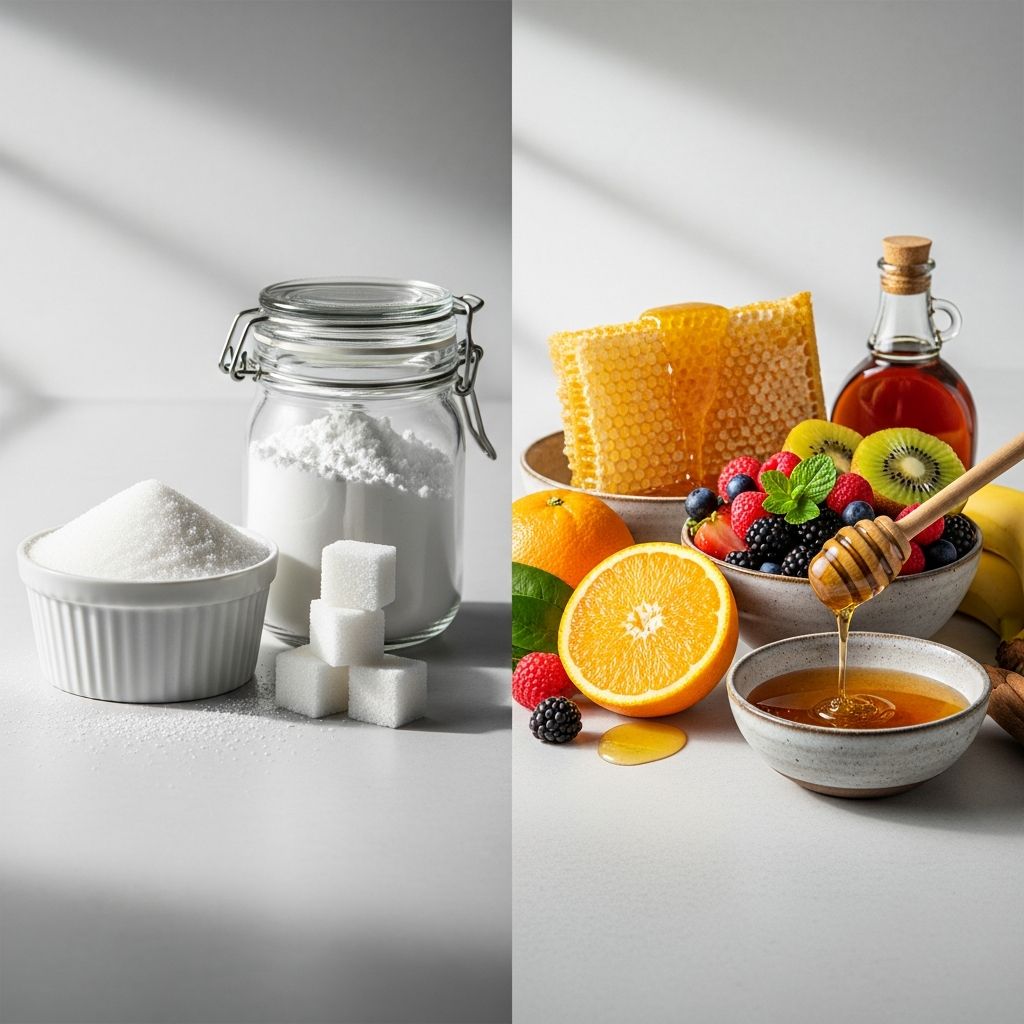
Refined sugars and natural sugars both provide sweetness, but they differ significantly in processing, nutritional value, and health effects. Refined sugars are stripped of nutrients during processing, while natural sugars come packaged with fiber, vitamins, and minerals in whole foods.
What Are Refined Sugars?
Refined sugars are highly processed from sources like sugarcane, sugar beets, or corn. The plants are harvested, cleaned, juiced, and crystallized through spinning to remove molasses, leaving pure sucrose—a mix of glucose and fructose. This results in white sugar, brown sugar, or high-fructose corn syrup (HFCS).
Common foods containing refined sugars include cakes, cookies, cereals, sodas, flavored yogurts, tomato sauces, salad dressings, and low-fat products where sugar compensates for reduced fat. These fall under “added sugars” on nutrition labels.
- White granulated sugar: Used in baking and beverages.
- Brown sugar: Coated with molasses for flavor.
- HFCS: Prevalent in processed snacks and drinks.
- Agave nectar: Often marketed as natural but highly processed with high fructose content, similar to HFCS.
The World Health Organization (WHO) recommends limiting added sugars to under 10% of daily calories (about 50g for a 2,000-calorie diet), ideally 5% for extra benefits.
What Are Natural Sugars?
Natural sugars occur intrinsically in whole foods like fruits, vegetables, and dairy. Examples include fructose in fruits, lactose in milk, and sucrose in some plants. These sugars are embedded in plant cell walls or bound with nutrients, slowing digestion.
Foods rich in natural sugars provide fiber, antioxidants, vitamins, minerals, and phytochemicals that mitigate sugar’s negative effects. Fruits like apples, berries, and bananas; dairy such as milk and yogurt; and vegetables like carrots offer sustained energy without blood sugar spikes.
- Fructose in fruits: Paired with fiber for gradual absorption.
- Lactose in milk: Contains calcium and protein.
- Sucrose in honey or maple syrup: Retains some minerals if unrefined, though still caloric-dense.
Unlike refined sugars, natural sugars support a balanced diet, especially for those managing health risks, as they promote satiety and nutrient intake.
Both types break down into glucose for energy, but processing determines their impact. Refined sugars digest rapidly, spiking blood sugar and insulin, leading to hunger soon after. Natural sugars, slowed by fiber, provide steady energy and fullness.
| Aspect | Refined Sugars | Natural Sugars |
|---|---|---|
| Source | Processed cane, beets, corn | Whole fruits, veggies, dairy |
| Nutrients | None (empty calories) | Fiber, vitamins, minerals |
| Digestion | Fast; blood sugar spike | Slow; stable energy |
| Health Effect | Weight gain, disease risk | Supports nutrition |
| Examples | Table sugar, HFCS, agave | Apple fructose, milk lactose |
Refined sugar extraction mirrors intense processing, even compared to isolating compounds like cocaine from leaves, stripping all benefits.
How Does Sugar Affect the Body?
All sugars convert to glucose, but refined versions overwhelm metabolism. Rapid breakdown causes insulin surges, promoting fat storage and inflammation. Natural sugars’ fiber delays this, aiding glucose tolerance.
Excess refined sugar contributes to:
- Obesity: Empty calories displace nutrient-rich foods.
- Dental caries: Feeds oral bacteria.
- Neurodevelopmental issues: In children from high intake.
Health Risks of Too Much Refined Sugar
High refined sugar intake links to chronic conditions. Consuming over 25% of calories from added sugars raises heart disease risk. Limiting to 5% improves diabetes prevention and metabolic health.
Related Stories



- Heart disease: Increases blood pressure, heart rate, inflammation.
- Type 2 diabetes: Impairs insulin sensitivity.
- Metabolic syndrome: Broader dysfunction per Open Heart review.
- Cancer: High-glycemic diets may elevate esophageal and pancreatic risks, though sugar doesn’t directly “feed” tumors—healthy cells need it too. Avoid extreme low-carb diets to prevent malnutrition.
Refined sugars in processed foods, sodas, and desserts amplify these risks due to high salt, fats, and additives.
Are Natural Sweeteners Better?
Natural alternatives like unrefined honey, maple syrup, stevia, or monk fruit retain minerals and antioxidants, offering nutraceutical benefits over refined sugar. They have lower glycemic impacts and support gut health.
- Stevia and monk fruit: Plant-derived, zero-calorie, highly acceptable.
- Honey: Antibacterial properties, vitamins.
- Date syrup: Fiber-rich from fruits.
However, they remain caloric; moderation is key. Artificial sweeteners metabolize differently but lack natural sugars’ full benefits.
Does Metabolism Matter?
Yes—fiber in natural sources slows gastric emptying, enhancing fullness and stabilizing blood sugar. Refined sugars lack this, leading to overeating. Carbs from grains and starches also convert to glucose, so total intake matters.
Sugar and Cancer: Is There a Link?
No direct causation: Cancer cells use glucose like normal cells. High-sugar diets may indirectly raise risk via obesity or inflammation, but evidence targets high-glycemic loads for specific cancers. Focus on balanced nutrition, not sugar elimination.
WHO and Dietary Guidelines on Sugar
WHO advises <10% calories from added sugars, preferably 5%. Recent U.S. guidelines emphasize real foods over ultra-processed items with added sugars.
Practical Tips to Reduce Refined Sugars
Swap processed sweets for whole fruits. Read labels for hidden sugars. Use spices like cinnamon for sweetness. Gradually cut back to retrain taste buds.
- Choose plain yogurt with fresh berries over flavored.
- Opt for water or unsweetened tea.
- Bake with mashed bananas or applesauce.
- Limit sodas to occasional treats.
Frequently Asked Questions (FAQs)
Is sugar from fruit bad for you?
No, fruit sugar with fiber is healthy and nutrient-dense, unlike isolated refined sugar.
Can I eat natural sugars if I have diabetes?
In moderation, yes—prioritize low-glycemic fruits. Consult a doctor for personalized advice.
What’s worse: refined sugar or HFCS?
Both are refined; HFCS may spike triglycerides more due to fructose load.
Are artificial sweeteners safe alternatives?
They help reduce calories but don’t match natural sugars’ nutrition. Use sparingly.
How much added sugar is too much daily?
WHO: Max 50g (10% calories), ideally 25g (5%).
Expert Insights from Dietitians
Registered dietitians emphasize whole foods: “Choose the apple over apple juice—fiber makes the difference.” Natural sugars in context support health; refined ones do not.
In summary, prioritize natural sugars in whole forms for optimal health. Reducing refined intake curbs disease risks while enjoying sweetness mindfully.
References
- What’s the Difference Between Natural and Refined Sugar? — City of Hope Cancer Center. 2022-10-27. https://www.cancercenter.com/community/blog/2022/10/natural-vs-refined-sugars-what-is-the-difference
- Replacement of refined sugar by natural sweeteners — PubMed Central (PMC). 2022-09-29. https://pmc.ncbi.nlm.nih.gov/articles/PMC9519493/
- Natural versus refined sugar: What’s the difference? — MD Anderson Cancer Center. 2020-07-20. https://www.mdanderson.org/cancerwise/natural-versus-refined-sugar–what-s-the-difference.h00-159465579.html
- Trump Administration Puts Real Food First in Dietary Guidelines — The White House. 2026-01-13. https://www.whitehouse.gov/articles/2026/01/what-they-are-saying-trump-administration-puts-real-food-first-in-dietary-guidelines/
Similar Articles








Read full bio of medha deb