Reflexology: 5 Proven Benefits For Stress, Pain, Sleep
Explore reflexology's ancient roots, science-backed benefits for stress, pain relief, and how to try this therapeutic foot massage at home or with a pro.
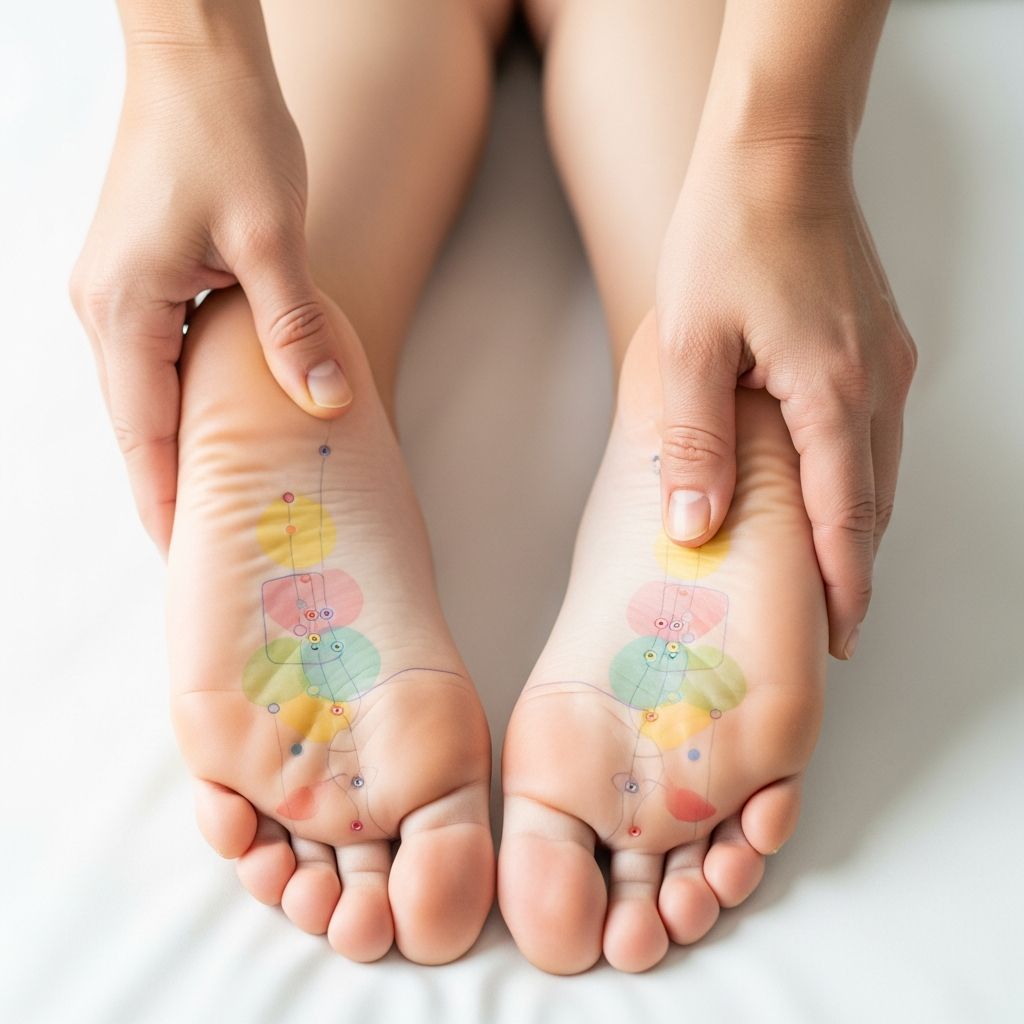
Reflexology is a therapeutic practice that involves applying targeted pressure to specific points on the feet, hands, and ears. These points, known as reflex zones, are believed to correspond to different organs, glands, and body systems. By stimulating these areas, reflexology aims to promote healing, reduce stress, and restore balance in the body.
Rooted in ancient healing traditions from Egypt, China, and India, reflexology has gained popularity as a complementary therapy alongside conventional medicine. Modern practitioners use detailed reflex maps to guide their work, asserting that pressure on these zones can influence distant parts of the body through nerve pathways, energy channels, or improved circulation.
How Does Reflexology Work?
Several theories explain reflexology’s mechanisms. One prominent idea is that it stimulates the nervous system. Pressure on reflex points sends signals to the central nervous system, triggering relaxation responses that improve blood flow, oxygenation, and immune function.
Another theory involves zone therapy, dividing the body into 10 vertical zones from head to toe. Each zone links specific toes or fingers to body parts; for example, the big toe corresponds to the head and brain. Imbalances in one area may manifest as tenderness in the related reflex zone.
Additionally, reflexology may release endorphins and enkephalins—natural painkillers—while reducing stress hormones like cortisol. This can offset pain perception in the brain and enhance overall well-being. A bibliometric analysis highlights foot reflexology’s role in moderating anxiety, fatigue, and even cancer-related symptoms by promoting energy flow, detoxification, and circulation.
Benefits of Reflexology
While research is ongoing and some studies are small-scale, reflexology shows promise for various health concerns. Here’s a breakdown of key benefits supported by evidence:
- Stress and Anxiety Reduction: Multiple studies indicate reflexology lowers anxiety levels. In cancer patients, a 30-minute session reduced anxiety more effectively than rest alone. Heart surgery patients receiving daily 20-minute treatments reported calmer states.
- Pain Relief: Effective for headaches, back pain, arthritis, labor pain, and postoperative discomfort. Clinical trials show reductions in cesarean, cancer, and joint pain.
- Fatigue and Sleep Improvement: Postpartum women and cancer patients experience less fatigue. It promotes deeper sleep by relaxing the body and mind.
- Circulation and Digestion: Enhances blood flow, eases constipation, and supports digestive balance.
- Cancer Symptom Management: Helps with pain, nausea, anxiety, and neuropathy from treatments, though not a cure.
A review of 17 studies found improved well-being and condition management across psychological and physical issues. Foot reflexology specifically moderates cancer-related fatigue and pain.
Reflexology for Specific Conditions
| Condition | Reported Benefits | Evidence Level |
|---|---|---|
| Anxiety (post-surgery, cancer) | Lower anxiety scores | Moderate (small RCTs) |
| Pain (labor, arthritis, cancer) | Reduced intensity | Moderate (multiple trials) |
| Fatigue (postpartum, MS) | Improved energy | Low-Moderate |
| MS Symptoms | Less fatigue, skin sensations | Anecdotal/early studies |
| Diabetes Neuropathy | Symptom relief | Limited |
Note: Evidence quality varies; larger trials are needed.
What Happens During a Reflexology Session?
A typical session lasts 45-60 minutes in a calm setting. Here’s the process:
- Consultation: Discuss health history, concerns, and goals.
- Preparation: Relax on a padded table or chair; feet, hands, or ears exposed.
- Assessment: Practitioner palpates for tender or gritty areas indicating imbalances.
- Treatment: Uses thumb-walking, rotation, and holds on reflex points. Focuses on pain/tightness zones with alternating pressure.
- Closure: Gentle finishing strokes; rest, hydrate, and avoid rushing.
Related Stories



Sessions target feet most often, but hands or ears suit those with mobility issues.
Reflexology Charts and Maps
Reflexologists rely on standardized maps. Feet represent the body bilaterally: toes for head/sinuses, ball for chest/heart, arch for liver/pancreas, heel for sciatic/hips. Key points include:
- Big toe: Brain, pituitary, neck.
- Solar plexus (mid-foot): Stress/digestion.
- Kidney reflex (mid-arch): Detox, blood pressure.
Hand and ear maps follow similar logic. These charts guide self-practice too.
DIY Reflexology: How to Do It at Home
Self-reflexology is accessible and safe for daily use. Steps:
- Prep: Warm feet with soaking; use lotion or oil.
- Technique: Thumb-press firmly, lean in with body weight. Hold 5-10 seconds per point; ‘thumb-walk’ by bending thumb joint.
- Sequence: Start toes to heel, 5-10 mins per foot. Focus on solar plexus for stress.
- Tools: Optional rollers or balls for variety.
- Frequency: Daily 10-20 mins.
Breathe deeply; stop if painful. Consult a doctor for chronic issues.
Training and Certification
Professional reflexologists complete 200+ hours of training, including anatomy and hands-on practice. Certifications from bodies like the American Reflexology Certification Board ensure standards. Look for licensed pros via reputable associations.
Risks and Precautions
Generally safe, but avoid if:
- Pregnant (deep pressure on certain points).
- Deep vein thrombosis, fractures, or foot infections.
- Gout flare-ups or open wounds.
Inform practitioner of conditions like diabetes or pacemakers. Mild soreness post-session is normal. Not a substitute for medical care.
Does Reflexology Really Work? The Research
Evidence is promising but limited by small sample sizes. A 2014 review noted blood pressure drops and cardiac improvements, calling for more rigorous studies. PMC analysis of trends shows growing research on pain, anxiety, and cancer applications. Experts agree it’s valuable for relaxation and symptom support, with low risk. Ongoing trials explore its preventive potential in modern medicine.
Frequently Asked Questions (FAQs)
What conditions does reflexology treat best?
Stress, anxiety, pain (headaches, back, labor), fatigue, sleep issues, and digestive problems. It’s complementary, not curative.
How often should you get reflexology?
Weekly for ongoing issues; monthly for maintenance. Self-practice daily enhances effects.
Can reflexology help with weight loss?
Indirectly via stress reduction and better digestion, but not a direct method.
Is reflexology safe during pregnancy?
Yes with gentle techniques from trained pros; avoid certain points.
How much does a session cost?
$50-100, depending on location and duration.
References
- Foot Reflexology: Recent Research Trends and Prospects — PMC – NIH. 2023-01-11. https://pmc.ncbi.nlm.nih.gov/articles/PMC9819031/
- What Is Reflexology Therapy? How It Works, Benefits, and More — Healthgrades. 2024. https://resources.healthgrades.com/right-care/lifestyle-and-wellness/reflexology
- Reflexology Therapy for Stress, Anxiety, Pain, and Fatigue — WebMD. 2025. https://www.webmd.com/balance/what-is-reflexology
- What Is Reflexology and How Does It Work? Benefits, Research — Healthline. 2024. https://www.healthline.com/health/what-is-reflexology
- Traditional Chinese medicine foot reflexology: Benefits and more — Medical News Today. 2024. https://www.medicalnewstoday.com/articles/traditional-chinese-medicine-foot-reflexology
Similar Articles








Read full bio of Sneha Tete