Reishi Mushroom: 6 Benefits, Side Effects
Discover the potential health benefits of reishi mushrooms, from immune support to fatigue relief, backed by scientific research.
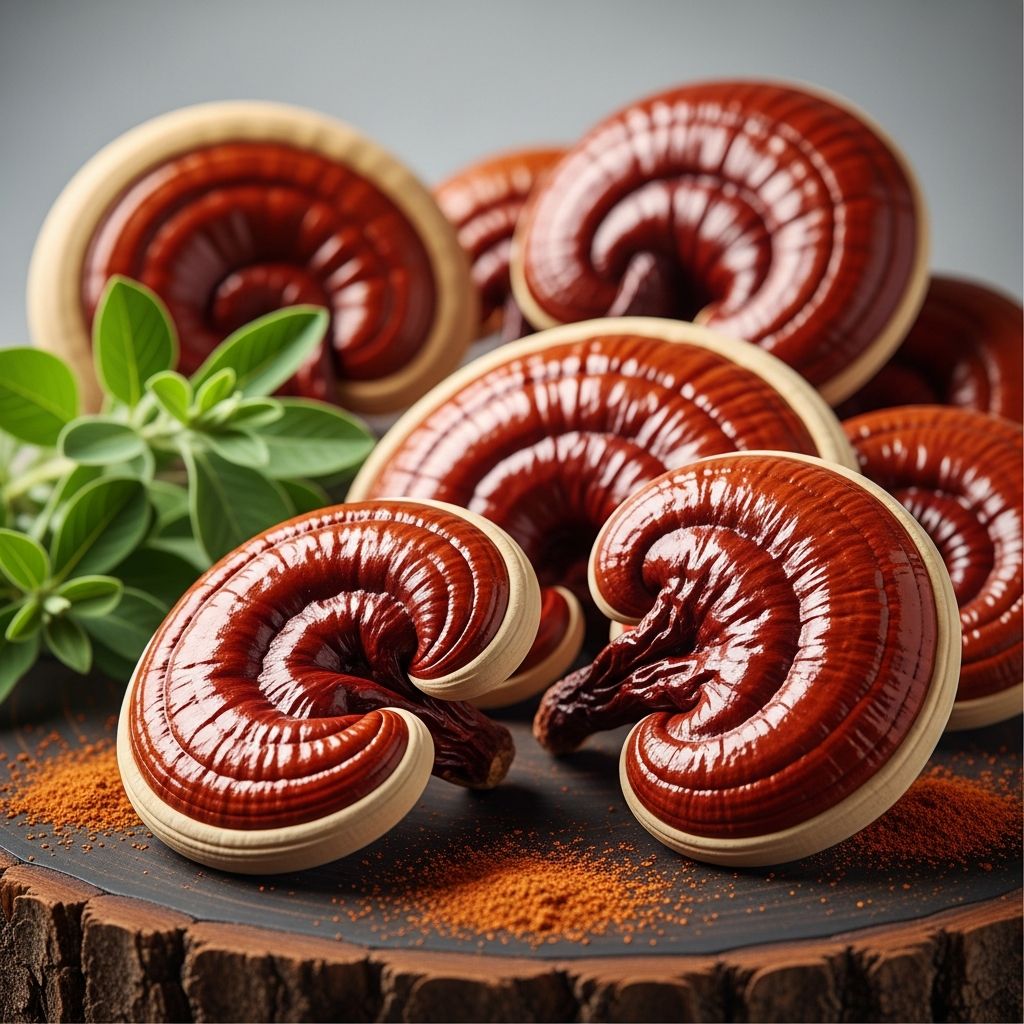
Reishi mushroom (*Ganoderma lucidum*), known as lingzhi in traditional Chinese medicine, has been revered for centuries for its potential health-promoting properties. Native to Asia, this shiny, woody fungus is packed with bioactive compounds like polysaccharides, triterpenoids, and beta-glucans that may support immune function, combat fatigue, and offer other benefits. Modern research, including clinical studies on cancer patients, suggests reishi can improve symptoms like nausea, fatigue, and depression. While promising, more large-scale trials are needed to confirm efficacy and safety.
What Is Reishi Mushroom?
Reishi mushrooms are large, dark, shelf-like fungi that grow on hardwood trees in humid regions of Asia, Europe, and North America. Unlike culinary mushrooms, reishi has a bitter taste and tough texture, making it unsuitable for eating raw. Traditionally brewed into teas or processed into powders, extracts, or capsules, reishi has been documented in ancient Chinese texts for over 2,000 years as a tonic for longevity, heart health, memory enhancement, and detoxification.
In traditional Eastern medicine, reishi is classified as an adaptogen, helping the body resist stress and restore balance. Its key active compounds include:
- Polysaccharides: Beta-glucans that modulate immune responses by activating white blood cells.
- Triterpenoids: Contribute to anti-inflammatory, antioxidant, and potential anti-cancer effects.
- Peptides and sterols: Support liver protection and cholesterol management.
Today, reishi supplements are popular worldwide for wellness, with over 400 identified nutrients contributing to its multifaceted benefits.
Potential Health Benefits of Reishi Mushroom
Scientific evidence supports several reishi benefits, particularly in immune support and symptom relief for chronic conditions. Here’s a breakdown of the top evidence-based advantages:
1. Boosts the Immune System
Reishi’s standout benefit is its immunomodulatory effect. Test-tube and animal studies show it enhances white blood cell activity, increasing their number and function to fight pathogens. A Memorial Sloan Kettering review notes preclinical data on reishi’s ability to boost antioxidant capacity and immune response. In cancer patients, reishi combined with traditional therapies improved quality of life markers.
Polysaccharides in reishi activate genes in immune cells, potentially preventing infections and supporting overall defense. Human trials, though small, indicate benefits for those with weakened immunity, such as during chemotherapy.
2. Potential Anti-Cancer Properties
Preclinical studies suggest reishi may inhibit tumor growth and enhance cancer treatments. It shows chemopreventive effects, alleviates chemotherapy nausea, and increases radiotherapy efficacy. In ovarian cancer cells, reishi boosts cisplatin sensitivity while protecting kidneys from toxicity.
A large survey of 1,374 cancer patients found over 80% reported symptom improvements, with nearly half noting meaningful relief in multiple areas. While not a cure, reishi may improve outcomes as an adjunct therapy, warranting further randomized trials.
3. Reduces Fatigue and Depression
Chronic fatigue affects millions, often linked to immune dysfunction and inflammation. Reishi may alleviate this: a 2024 review cited studies where polysaccharides reduced post-exercise fatigue. In cancer patients, 52% reported significant fatigue improvement, 50% for depression, after reishi use.
Related Stories



A pilot trial with breast cancer patients on endocrine therapy showed 4 weeks of reishi powder significantly cut fatigue, anxiety, depression, and appetite loss versus placebo. Mechanisms include immune modulation and testosterone regulation for sustained energy. Younger users (<65 years) and long-term takers (≥1 year) saw higher response rates (up to 63.5%).
4. Supports Heart Health
Reishi may lower cholesterol, blood pressure, and improve circulation. Triterpenoids exhibit cholesterol-lowering effects, while clinical studies show mild antidiabetic benefits and LUTS relief in men. Ancient texts praised it for strengthening heart function.
Though RCTs don’t fully support cardiovascular risk reduction in type 2 diabetes, preclinical data indicates hepatoprotective and anti-inflammatory properties aiding heart health.
5. Helps Manage Blood Sugar
Reishi’s triterpenoids and polysaccharides may regulate glucose levels. Small clinical studies confirm mild antidiabetic effects. A 2024 cancer study linked it to better appetite control, indirectly supporting metabolic health.
6. High in Antioxidants
Reishi boosts plasma antioxidant capacity, combating oxidative stress linked to aging and disease. This ties into its anti-fatigue and immune benefits by neutralizing free radicals.
How to Take Reishi Mushroom (Dosage)
Reishi is available as powders, capsules, tinctures, teas, or extracts. Typical dosages from studies:
| Form | Daily Dosage | Notes |
|---|---|---|
| Powder/Extract | 1.5–9 grams | Split doses; start low. |
| Capsules | 1,000–3,000 mg | Standardized to polysaccharides. |
| Tea/Tincture | 1–2 tsp extract | Brew dried slices 20–30 min. |
Duration matters: Cancer surveys showed ≥1 year use doubled responder rates vs. <1 year. Consult a doctor for personalized dosing, especially with medications.
Side Effects of Reishi Mushroom
Reishi is generally safe with mild side effects in studies. Common issues:
- Digestive upset (nausea, diarrhea, stomach pain) – 10–20% of users.
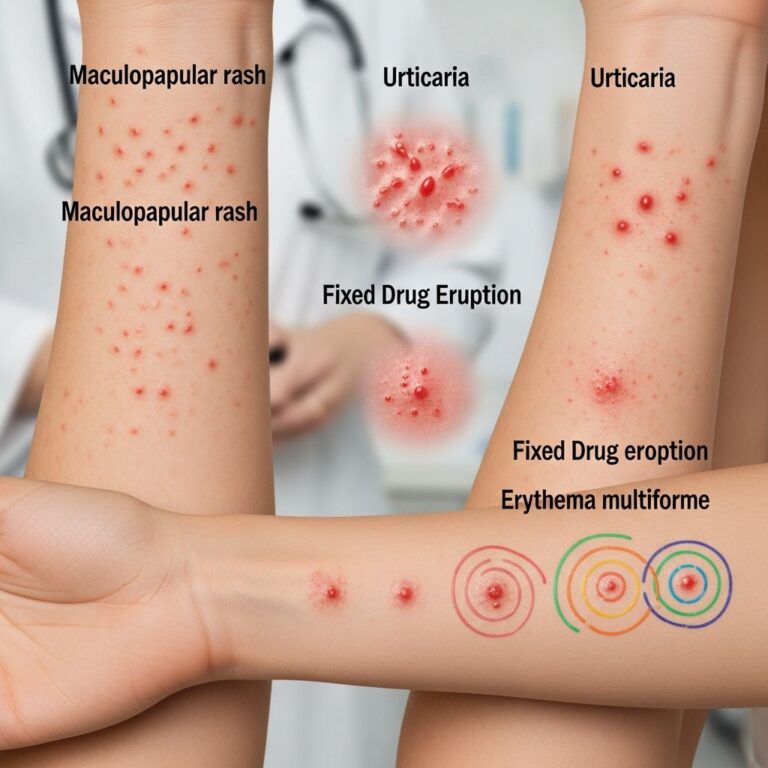
- Dry mouth, dizziness, rash – rare.
- In cancer patients, 81.5% tolerated it well long-term (up to 5+ years).
Avoid if pregnant, breastfeeding, or pre-surgery (may increase bleeding risk). May interact with blood thinners, immunosuppressants, or diabetes meds. No severe adverse events in large surveys.
Precautions and Who Should Avoid It
- Autoimmune diseases: May overstimulate immunity.
- Bleeding disorders: Inhibits platelet aggregation.
- Low blood pressure: Can lower it further.
- Children: Insufficient safety data.
Choose third-party tested supplements to avoid contaminants like heavy metals.
Frequently Asked Questions (FAQs)
Is reishi mushroom safe for daily use?
Yes, studies show safety for years in cancer patients with mild side effects.
Can reishi cure cancer?
No, but it may support treatment by reducing symptoms and enhancing efficacy.
How long does it take for reishi to work?
Benefits like fatigue relief may appear in 4 weeks; optimal with 1+ years.
Does reishi help with sleep?
Indirectly via fatigue/depression reduction; some use for stress, but evidence is preliminary.
What’s the best form of reishi?
Extracts standardized for polysaccharides/triterpenoids offer consistent potency.
Bottom Line
Reishi mushroom holds promise for immune support, fatigue relief, cancer symptom management, and more, rooted in tradition and backed by emerging research. While safe for most, consult healthcare providers for interactions. Future trials will clarify its role in integrative health.
References
- Symptom improvements and adverse effects with Reishi mushroom — PMC/NCBI. 2024. https://pmc.ncbi.nlm.nih.gov/articles/PMC11614793/
- Reishi Mushroom — Memorial Sloan Kettering Cancer Center. 2024. https://www.mskcc.org/cancer-care/integrative-medicine/herbs/reishi-mushroom
- Health Benefits of Reishi Mushrooms — WebMD. 2024. https://www.webmd.com/diet/health-benefits-reishi-mushrooms
- 6 Benefits of Reishi Mushroom (Plus Side Effects and Dosage) — Healthline. 2024. https://www.healthline.com/nutrition/reishi-mushroom-benefits
- Ganoderma lucidum (Lingzhi or Reishi) — NCBI Bookshelf. 2011 (authoritative review). https://www.ncbi.nlm.nih.gov/books/NBK92757/
Similar Articles








Read full bio of Sneha Tete